What Are Kitchen Towels Used For?: Everyday Uses Explained
Kitchen towels do far more than dry dishes. They can wipe small spills, cover rising dough, dry wash residues, and help with scrubbing. The right job depends on the towel's fabric and whether it is clean. Keeping separate towels for food, hand dishes, and cleaning makes them easier to use well.


Key Takeaways
- Kitchen towels can dry dishes and hands, wipe everyday spills, cover food, and help with food preparation.
- Thick absorbent towels suit spills and hands. Smooth towels tend to work better on glassware.
- A clean towel reserved for dishes or food is preferable to one used for hands and counters.
- A damp towel should never be used to grip hot cookware.
Table of contents
-
What Are Kitchen Towels Used For?
-
What Everyday Jobs Are Kitchen Towels Best For?
-
Are Kitchen Towels Good For Drying Dishes And Glassware?
-
How Do Kitchen Towels, Dish Towels, and Tea Towels Differ?
-
Which Kitchen Towel Material Is Best For Each Use?
-
How Should You Wash And Care For Kitchen Towels?
-
When Should I Replace A Kitchen Towel?
What Are Kitchen Towels Used For?
What are kitchen towels used for? They are commonly used to dry dishes and wipe small spills, dry countertops, cover food, and help prepare or serve meals. A thick, completely dry towel may help grip warm cookware, but a properly insulated oven mitt is the safer choice for very hot pans. The main uses to remember are the following:
- dry dishes, cutlery, cookware, and pans
- wipe water splashes and routine spills
- cover food or big goods for a short time
- dry washed produce and line bread baskets
- Add practical textiles to serving and table settings
It is tempting to use the towel nearest to the sink for every task, yet a towel that has wiped the counter may be unsuitable for drying a plate or touching food. Fabrics matter too. A plush towel can soak up a spill quickly, while a smooth towel may need pure fibers for the drinking glass.
Make a strong impression with custom kitchen hand towels
Work with us to create high-quality custom kitchen hand towels with your unique branding to raise awareness and provide practical, professional-looking towels your customers or clients will appreciate.
What Everyday Jobs Are Kitchen Towels Best For?
A kitchen towel can often replace a paper towel or disposable cloth for an ordinary low-risk job. Choose one that suits the task, then set it aside for washing when it becomes dirty. Use towels in the kitchen in the ways that follow:
- Drying: Use a clean absorbent towel for hands or cookware. Keep a separate clean towel for dishes.
- Wiping: Pick up water around the sink or small drink spills before they spread.
- Cleaning: Wipe a counter after washing it with soapy water using a cloth assigned to cleaning.
- Food preparation: Use a freshly washed towel to dry produce or line a basket where the fabric is suitable for food contact.
- Handling: A thick dry towel can help with some items, though it offers less predictable protection than an oven mitt.
- Covering: Place a clean, lightweight towel over rising dough or as a temporary cover over baked goods
- Lining: Put a towel beneath a drying rack, bread basket, or certain work items to catch moisture or protect the surface.
- Presentation: Use a clean tea towel to line a bread basket or wrap a homemade food gift
Absorbent terrycloth is used for hands and spills. Smooth cotton and linen are often easier to use on glass and at the table. Microfiber suits cleaning jobs, while its care instructions and suitability for direct food contact should be checked before using around exposed food.
Can You Use Kitchen Towels For Spills And Cleaning?
Yes. A washable kitchen towel is convenient for small, everyday messes, especially when reaching for paper towels has become a habit. Choose an absorbent towel for liquid and a separate cleaning cloth for surfaces.
Suitable jobs include the following:
- Blotting a water splash beside the sink.
- Wiping up a small spill on a clean table.
- Drying a damp counter after routine washing.
- Catching drips beneath a dish rack.
- Wiping moisture from the outside of a container.
After a towel picks up food residue or grease, put it in the laundry rather than using it to dry dishes. Treat spills involving raw meat juices differently. Clean the affected surface properly, and do not carry that towel on to other kitchen tasks. The USDA recommends washing dishcloths often and taking care to prevent contamination between surfaces.
Can You Use A Kitchen Towel To Cover Dough And Food?

A clean tea towel or lightweight kitchen towel works well to cover dough while it rises. It protects the surface from cold drafts and prevents the outer layer from drying out. In a suitable spot, the cover helps the dough retain slight warmth. Because fabric does not seal in moisture like a tight lid or wrap, follow the recipe if it specifies an airtight cover.
Choose a clean towel without loose lint, strong detergent smells, or fabric finishes that might transfer to food. Make sure the fabric is appropriate for direct food contact. The same approach works for briefly covering baked goods or prepped ingredients during meal preparation. Remember that fabric serves as a temporary cover, so perishable food still requires proper refrigeration or airtight storage.
Is It Safe To Use A Kitchen Towel For Hot Cookware?
A thick, dry towel folded into multiple layers can help you hold warm cookware, but it is not a complete substitute for proper safety gear. A standard towel does not guarantee adequate protection against extreme heat from high-temperature pans or hot baking sheets straight from an oven. The thickness of the fabric, the style of the weave, and the exact heat level all influence how effectively a cloth shields your skin from burns.
Moisture presents the most immediate danger when handling warm items with cloth. Water or dampness inside the fibers conducts heat instantly to your hands, which can result in severe burns. Thin or loose fabric can also bunch up or slip easily, leaving parts of your hands unprotected. For hot pots, pans, and oven trays, rely on dry, insulated oven mitts or silicone potholders for safety.
Are Kitchen Towels Good For Drying Dishes And Glassware?
Kitchen towels can dry clean dishes, cutlery, and cookware when you need to put them away promptly. An absorbent cotton towel works well on plates and the outside of pots. A smoother, low-lint towel is often a better choice for glassware because it is less likely to leave visible fibers. Drying a glass with a dirty or damp towel can leave marks even if the fabric itself is suitable.
Keep the dish towel clean and dry, and reserve it for dishes. A towel already used on hands, counters, or spills can transfer residue back to washed items. Air drying on a clean rack is another option and avoids repeatedly wiping items with the same cloth. For items that require special sanitizing, follow the applicable CDC guidance on clean towels and thorough air drying.
Should You Use The Same Kitchen Towel For Hands And Dishes?
Drying hands on a towel is common, but issues occur when the same towel dries dishes, wipes counters, and handles food. Keep one towel near the sink for hands, one for dishes, and a separate cloth for spills. Color-coding or distinct locations help maintain this routine. Always replace any towel once it becomes wet, dirty, or touches raw food.
You do not need a complicated routine. The goal is to avoid moving residue from one task to another. The CDC advises washing hands during food preparation because germs can spread around the kitchen as tasks change. A towel used on unwashed hands should not then touch clean dishes.
How Can You Use Kitchen Towels For Food Preparation?
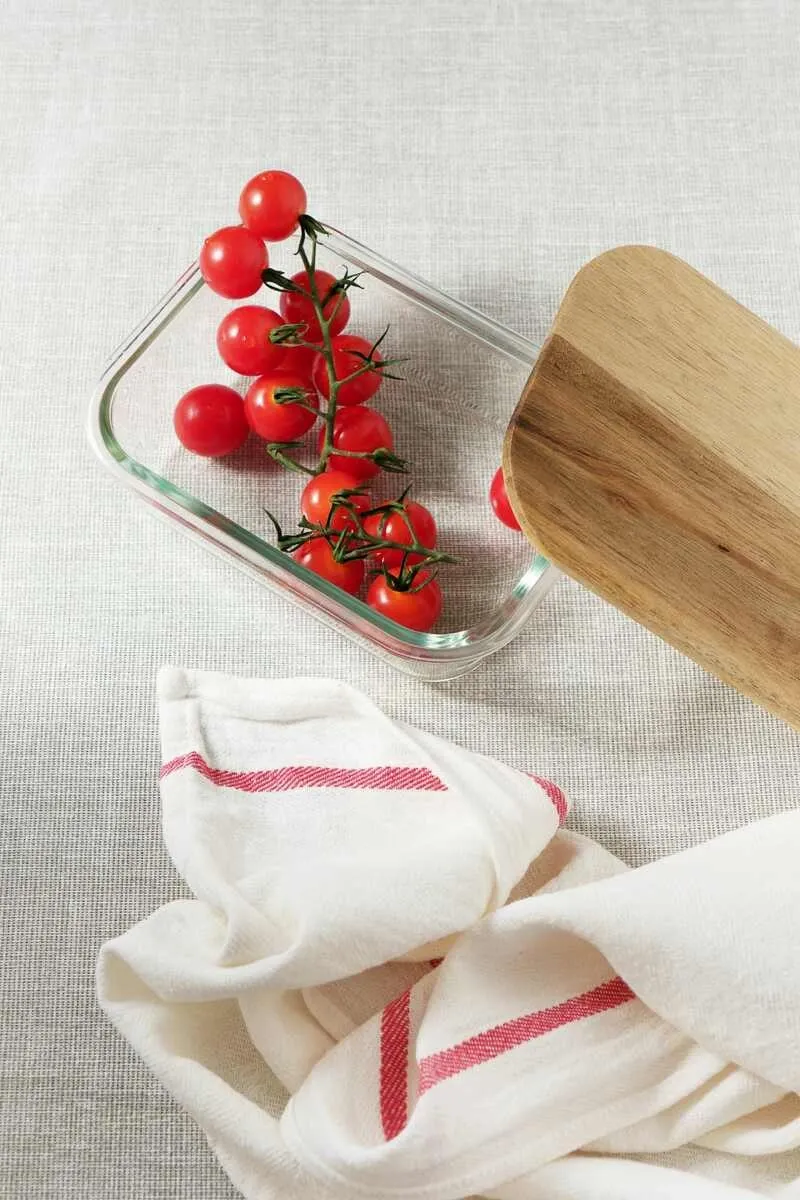
Using a clean towel simplifies many everyday prep tasks around the kitchen. After rinsing delicate herbs or leafy greens, gently patting them or resting them on a fresh towel removes excess surface water. This step makes your greens easier to manage and keeps unwanted moisture out of your frying pan or salad dressing. A clean towel can also line a colander to catch drips while washed produce drains thoroughly.
Smooth fabrics with minimal lint work best whenever towels come into direct contact with food. You can use them to cover rising dough, wrap freshly baked bread, or line serving baskets neatly. Always set aside towels intended for food preparation, and never reuse a cloth that previously wiped countertops or absorbed spills. Fresh towels provide a convenient way to manage moisture during meal prep.
Can You Use Kitchen Towels For Serving And Table Settings?
A clean tea towel can line a bread basket, sit beneath a serving item, or wrap baked goods for serving. It adds color and coordinated style to simple settings while catching crumbs and protecting surfaces during meals.
If you want towels that serve both purposes, explore custom kitchen hand towels and compare their fabric, size, and care instructions with the tasks you have in mind. A design you enjoy can make a useful towel a natural part of the table.
Need custom kitchen hand towels for your next promotional giveaway or other project?
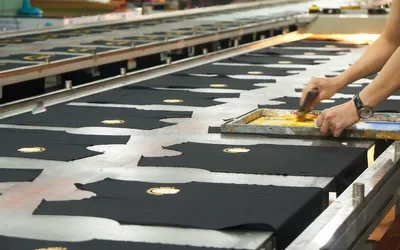
We can bring your designs to life on custom kitchen hand towels for personal use, branding, hospitality, or promotional purposes, with diverse customization options to help your design stand out.
Explore options for custom kitchen hand towels hereHow Do Kitchen Towels, Dish Towels, and Tea Towels Differ?
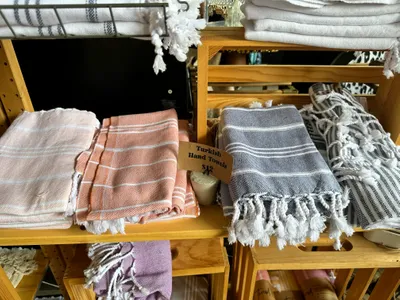
A kitchen towel is a broad name for cloths used in the kitchen. A dish towel often describes a towel intended to dry dishes or utensils. A tea towel commonly describes a smoother, lighter towel used for dishes, covering food, or presentation. These are typical uses rather than fixed definitions. Names vary by country, store, and manufacturer, and sellers may use them interchangeably.
| Towel name | Typical texture, absorbency, and use |
|---|---|
| Kitchen towel | Any of several textures. Used broadly for hands, drying, wiping, or kitchen tasks. |
| Dish towel | Often absorbent cotton. Commonly used to dry dishes and cookware. |
| Tea towel | Often smooth cotton or linen with relatively little lint. Commonly used for glassware, covering, and serving. |
The label alone cannot tell you whether a towel will polish a glass or soak up a spill. Check the weave and feel of the fabric. If the names still seem unclear, the guide to kitchen towels for chefs explains how several towel types fit within the broader category.
What Other Practical Uses Do Kitchen Towels Have?
Beyond standard drying and wiping tasks, spare kitchen towels offer practical solutions for everyday kitchen needs. A clean towel can line a temporary preparation area or cushion delicate dishware when setting it down. Placing a slightly damp towel flat beneath a cutting board helps prevent it from slipping during use, though you should always ensure the board remains stable before chopping.
In addition, towels can serve as reusable gift wrapping for bread loaves, wine bottles, or cooking-themed presents. Just ensure any freshly baked items have cooled sufficiently before wrapping them to keep the fabric dry.
Customize kitchen hand towels with bespoke or branded designs and make an impression
We supply high-quality custom kitchen hand towels with your unique designs and a range of customization options to meet both aesthetic and practical needs in kitchens, restaurants, events, and branded spaces.
Which Kitchen Towel Material Is Best For Each Use?
The most absorbent towel is not automatically the best towel for every job. Texture affects whether it leaves lint on a glass, while drying speed and durability matter when a towel is used throughout the day.
| Material or weave | Best use |
|---|---|
| Cotton | General dish drying, hand drying, and everyday kitchen work. |
| Linen | Glassware, light drying, bread baskets, and presentation. |
| Terry cloth | Absorbing water spills and drying hands. |
| Microfiber | Routine surface cleaning when its care directions suit the task. |
| Flat weave | Drying dishes or polishing glass with less bulk. |
| Waffle weave | Drying hands or dishes when you want texture without thick terry loops. |
Materials and weaves overlap. A cotton towel may have a flat, waffle, or terry weave, and individual products perform differently. Run a clean towel over a glass to check for lint. Test absorbency with a little water before making it your main spill towel. When buying for a specific job, browse the kitchen towel collection and choose by fabric, weave, size, and intended use as well as appearance.
How Should You Wash And Care For Kitchen Towels?
Wash kitchen towels regularly and sooner whenever they become dirty, smell unpleasant, or pick up food residue. A towel used repeatedly for hands or damp cleaning may need changing more often than one reserved for occasional dish drying. Follow the manufacturer’s care label for water temperature, drying, and any restrictions on bleach or other products.
Hang a used towel where air can reach it so it dries fully. Leaving it crumpled beside the sink or in a crowded hamper can make persistent odors more likely. Towels used on grease or spills should be set aside for washing rather than returned to clean dish or food preparation duties. The USDA advises frequent washing of reusable dishcloths used in kitchen cleaning.
If a freshly washed towel still smells stale, make sure the load has enough room to wash and rinse and that the towel dries completely. If it feels stiff or stops absorbing well, review how much detergent or fabric softener you use and check the care label. For a fuller routine, see the guide to washing kitchen towels.
Looking for an affordable solution for custom kitchen hand towels?
With our online service, you have a fast, convenient way to customize kitchen hand towels with quality craftsmanship at competitive prices. Choose from practical towel options suited to personal, business, hospitality, or promotional use.
Get started with custom kitchen hand towels hereWhen Should I Replace A Kitchen Towel?
There is no single date when every kitchen towel must be replaced. Consider how often you use it, whether it washes clean, and whether it can still do its assigned job. Check for these signs;
- An odor that remains after proper washing and complete drying.
- Absorbency so poor that the towel no longer handles its usual task.
- Holes, heavy fraying, or worn areas that make it difficult to use.
- Stains or residue that cannot be removed and make it unsuitable for food or dishes.
- Damage that prevents it from being cleaned according to its care instructions.
A faded pattern or an older appearance alone does not mean a towel belongs in the trash. If it still washes clean and works well, keep using it for a suitable task. A worn presentation towel might become a general cleaning cloth, provided you keep it separate from towels used for dishes and food.
Frequently Asked Questions About What Are Kitchen Towels Used For
Is A Kitchen Towel The Same As A Dish Towel?
A dish towel is usually a type of kitchen towel used to dry dishes and utensils. A kitchen towel is the broader term and can include towels used for hands, spills, covering, and serving. Stores often use the names interchangeably, so the fabric and intended use tell you more than the label.
Can Kitchen Towels Be Washed With Regular Laundry?
Often, yes, if the care labels and washing needs are compatible. Separate heavily soiled or greasy kitchen towels from delicate items, and avoid overfilling the machine. Wash towels exposed to raw food juices or substantial contamination with appropriate care before using them again. Dry every towel fully before storing it.