How To Shrink Rubber Bracelets? Fast Working Methods And Safe Techniques
Rubber bracelets seem simple, but fit problems come up more often than most people expect. We have seen wristbands that slide down the arm all day, others that feel loose after a few wears, and even some that were sized generously on purpose but never quite worked in real life.
In this guide, we look at how to shrink rubber bracelets, but understand that it depends on material, thickness, and how patient you are willing to be. We have worked with silicone and rubber wristbands and shrinking works best when you understand heat, timing, and the limits of your material.

Key Takeaways
- Rubber and silicone bracelets can sometimes be shrunk using controlled heat, but results depend heavily on material quality and thickness.
- Gradual methods reduce the risk of warping, surface damage, or permanent deformation that cannot be reversed.
- Safety matters more than precision. Heat, water, and elastic materials all need careful handling to avoid injury or ruining the bracelet.
- We supply high-quality custom wristbands in a range of sizes so you can get the right look and the perfect fit, with generous bulk discounts available.
Table of contents
-
How To Shrink Rubber Bracelets
-
How To Shrink Silicone Bracelets Without Cutting Them
-
How To Make A Rubber Bracelet Smaller And Tighter
-
How To Shrink Elastic Bracelets Without Ruining Elasticity
-
How To Shrink A Rubber Band Effectively
-
Does Hot Water Shrink Rubber Or Silicone Materials?
-
What Happens When Silicone Or Rubber Is Heated Directly?
-
Will Freezing Rubber Or Silicone Shrink It?
-
What Preparation Is Needed Before Shrinking Bracelets?
-
What Tips And Best Practices Should You Follow While Shrinking Bracelets?
-
When Should You Cut And Glue A Bracelet Instead Of Shrinking It?
How To Shrink Rubber Bracelets
Most rubber bracelets are made from either natural rubber or silicone blends, which explains why shrinking is even possible. These materials respond to heat by tightening their molecular structure, but only within a narrow range.
Silicone wristbands differ from other accessories like custom patterned ties with embroidery logos because that material is flexible and can be augmented. Controlled heat is the key phrase here:
- Too much heat leads to distortion, bubbling, or a sticky surface that never recovers.
- Too little heat does nothing.
We have found that gradual shrinking works better than extreme heat because the bracelet adjusts evenly instead of collapsing in one spot. That matters for both comfort and appearance. Before you attempt any method to shrink custom embossed printed wristbands, it is worth checking the printed text or embossed designs. These areas react faster than smooth surfaces.
Safety should always come first. Heat sources, hot water, and rubber do not forgive rushed decisions.
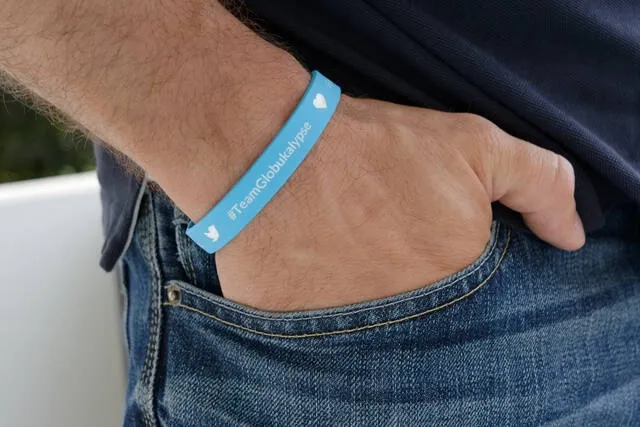
How To Shrink A Rubber Wristband For A Better Fit
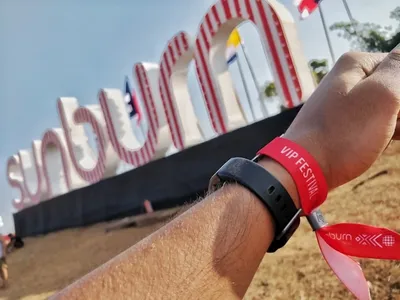
It is very common for people to ask about how to loosen a festival wristband without hassle, but many also want to tighten rubber wristbands to improve comfort. Fit issues with wristbands tend to show up after extended wear.
Things that can loosen a band slightly over time include:
- Oils from skin
- Stretching during removal
- Heat exposure from daily use
When shrinking a rubber wristband, uniform heating is essential. If one section heats faster than another, the band can warp into an oval shape that feels uncomfortable on the wrist. We usually recommend focusing on slow exposure rather than spot heating.
It is also important to accept that resizing is not always effective. Thick promotional wristbands often resist noticeable shrinkage, while thinner bands respond more predictably. If the wristband was oversized by more than half an inch, shrinking alone may not solve the issue. Understanding those limits saves frustration.
|
Bracelet Material |
Thickness |
Safest Method |
Expected Size Change |
Biggest Risk |
|
Natural rubber (latex-based) |
Thin |
Hot water bath (short cycles) |
Small but noticeable |
Loss of elasticity if overheated |
|
Natural rubber (latex-based) |
Medium |
Hot water bath + cool on form |
Very small |
Permanent stiffness |
|
Natural rubber (latex-based) |
Thick |
Gentle heat only |
Minimal |
Warping, cracking |
|
Silicone (standard consumer wristband) |
Thin |
Hot water bath (not boiling) |
Very subtle |
Logo distortion, tacky surface |
|
Silicone (standard consumer wristband) |
Medium |
Hot water bath + reshape |
Extremely subtle |
Oval deformation |
|
Silicone (standard consumer wristband) |
Thick |
Not recommended |
None |
Warping without shrink |
|
Elastic-core or fabric-lined |
Any |
Do not shrink |
None |
Elastic degradation |
How To Shrink Silicone Bracelets Without Cutting Them
Silicone behaves differently than traditional rubber, especially when heat is involved. It is more heat resistant, which means results are subtle and slower. Many people ask how to shrink a silicone bracelet without cutting it, expecting dramatic size changes. Realistically, silicone shrinkage tends to be minimal.
What you gain is slight tightening rather than a full size reduction. Cutting is often unnecessary for small adjustments, but patience is required. We have tested silicone wristbands that needed multiple controlled heat cycles to show even a modest change.
Silicone offers both pros and cons:
- The upside is durability. Silicone rarely becomes brittle when treated carefully.
- The downside is expectation management. Silicone will not suddenly become two sizes smaller, no matter how hot the water gets.
If you want an alternative solution to display personalized designs on your person, custom woven labels and patches can work very well.
Want vibrant custom wristbands for any purpose?
Our custom full-color silicone wristbands can be ordered in different sizes and you can add your personalized design with ease.
How To Make A Rubber Bracelet Smaller And Tighter
There is an important difference between making a rubber bracelet smaller and making it feel tighter. Sometimes people chase shrinking when the real issue is looseness from stretching. Here’s the distinction:
- Shrinking reduces overall diameter
- Tightening focuses on how snug the bracelet feels during wear.
Shrinking alone may not fully solve looseness from stretching. In our experience, slight heat exposure combined with cooling under tension often produces better results than heat alone. It helps the bracelet retain a firmer shape.
That said, if a bracelet is significantly oversized, shrinking will reach a limit quickly. At that point, alternative solutions make more sense. It is better to recognize when shrinking is no longer effective than to push the material into permanent damage.
You could use our service to find a replacement by creating your own custom printed wristbands. With diverse design options, competitive pricing, and generous wholesale discounts, we offer a full service for professional-quality results.
How To Shrink Elastic Bracelets Without Ruining Elasticity
Elastic bracelets introduce a different challenge because they rely on stretch, not structure, to fit properly. Inside most elastic bands are fine rubber or latex fibers wrapped in thread. Heat affects those inner fibers quickly.
If you expose them to too much heat, the elasticity weakens or snaps entirely. When people ask how to shrink elastic bracelets, what they often want is recovery, not actual shrinkage.
- Gentle warmth can help elastic rebound slightly.
- Aggressive heat does permanent damage.
Getting the right size from the outset is a key part of how to use custom printed promotional items effectively when wristbands are your choice.
We have seen elastic bracelets lose their stretch after a single boiling attempt. Caution matters here more than technique. Short heat exposure, gradual cooling, and testing between steps gives the best chance of tightening without ruining the bracelet’s flexibility.
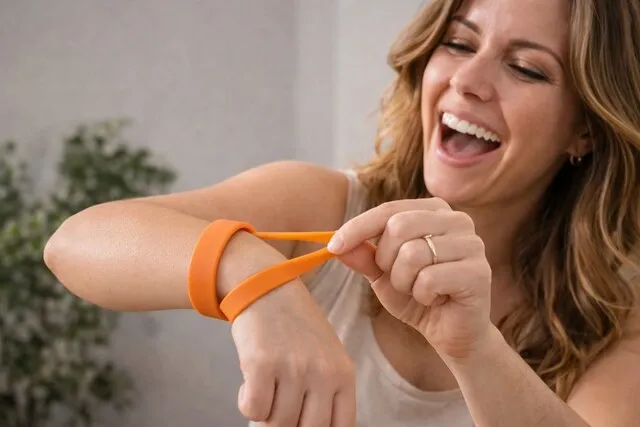
Get a unique look with a debossed design
Work with us to create custom debossed wristbands and enjoy diverse size options and high-quality customization.
Learn moreHow To Shrink A Rubber Band Effectively
Rubber bands behave differently from rubber bracelets because of their thickness and formulation. They are thinner, more uniform, and designed to stretch repeatedly without tearing. That makes shrinkage faster but also less predictable.
When heat is applied, rubber bands can tighten unevenly or fuse to themselves if surfaces touch. Shrinking expectations should stay realistic. Rubber bands rarely shrink evenly into a smaller loop. Instead, they tend to stiffen or lose elasticity.
We have found that rubber bands respond best to very mild heat and immediate cooling. Anything more aggressive leads to brittleness. Heat exposure is even a complex concern with silicone, as studies have found that thermal exposure can cause it to stiffen, lose elasticity, and contract.
While rubber bands are useful for testing techniques, results do not always translate well to thicker wristbands or bracelets.
Does Hot Water Shrink Rubber Or Silicone Materials?
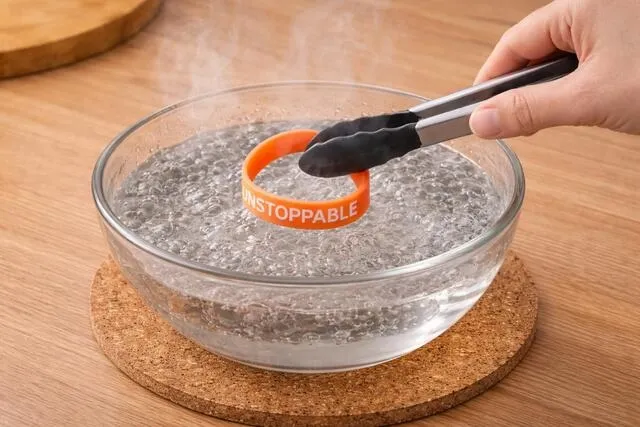
Hot water is the most common method people try first, mainly because it feels controlled and accessible. Heat is the actual shrinking mechanism, but temperature matters more than duration.
Rubber begins reacting at lower temperatures than silicone, which is why results differ so widely:
- With rubber, hot water can cause mild contraction if exposure is brief.
- With silicone, the same temperature may do nothing at all.
Boiling water pushes both materials toward deformation rather than clean shrinkage.
Research shows that heat-shrink behavior enables controlled size reduction in silicone bands, but only within strict limits. We usually advise treating hot water as a gentle adjustment tool, not a guaranteed solution. Monitoring the bracelet during exposure matters more than following a fixed time rule.
What Happens When Silicone Or Rubber Is Heated Directly?
Direct heat introduces risks that indirect methods avoid. At a material level, heat causes molecular chains to relax and reconfigure. Shrinkage happens only if cooling locks those chains into a tighter arrangement.
The risks of direct heat are as follows:
- Rubber softens quickly under direct heat, which can lead to surface blistering or uneven thinning.
- Silicone resists heat longer but can deform suddenly once its threshold is reached. Without control, deformation replaces shrinkage.
Safety concerns also increase with direct heat. Burns, melted surfaces, and fumes become real risks. We have seen bracelets lose logos or embossed text after brief direct exposure. Controlled environments always produce more predictable outcomes.
Want wristbands where the design truly stands out?
Use our service to create custom color-coated wristbands and enjoy various size options and professional manufacturing.
Will Freezing Rubber Or Silicone Shrink It?
Freezing rubber or silicone to shrink it is a common myth that refuses to disappear. Cold temperatures do cause temporary tightening, but this is not true shrinkage. Rubber and silicone contract slightly when cold, then return to original size once warmed.
Studies show that heat exposure can change hardness and elastic modulus in an elastomer like silicone or rubber, potentially shrinking a wristband. Freezing does not alter molecular structure in a lasting way. We have tested bracelets straight from the freezer that felt tighter for minutes, then relaxed completely.
Some people mistake stiffness for shrinkage, but the effect fades quickly. Freezing can be useful for short term firmness during wear, but it will not make a bracelet smaller. Relying on cold exposure often leads to disappointment rather than durable results.
What Preparation Is Needed Before Shrinking Bracelets?
Preparation matters more than most people expect. Cleaning the bracelet with mild soap and drying it fully reduces uneven reactions, as even heat absorption is affected by things like oils, dirt, and residue.
Here are some other elements of preparation that make a big difference:
- Material inspection makes a big difference. Cracks, thin spots, or stretched areas react faster to heat and increase failure risk.
- Workspace safety is just as important. Stable surfaces, heat resistant containers, and clear space prevent accidents.
We recommend removing jewelry and keeping water nearby for cooling or emergencies. Rushing into shrinking without preparation often leads to warped shapes or burns.
Wristbands can rank among the best promotional products for business. If they need shrinking, however, a few minutes of setup usually prevents irreversible damage later.
Enjoy colorful blank wristbands in a range of sizes
For the cheapest option, choose our custom blank wristbands and choose from a variety of color and size options.
Get startedWhat Tips And Best Practices Should You Follow While Shrinking Bracelets?
For the greatest chances of success when exploring how to shrink rubber bracelets, taking your time and monitoring throughout are important. Here are some details on tips and best practices to get it right:
- Gradual adjustment beats speed every time. Short exposure followed by cooling allows you to assess changes before committing further.
- Monitoring progress visually and by touch helps catch deformation early.
- Rotating the bracelet during heat exposure promotes uniform results.
- Patience is not optional here. We have watched bracelets go from usable to ruined in seconds when people rushed.
- Allowing the bracelet to cool fully between attempts stabilizes the material and prevents overcorrection.
It helps to be realistic with your expectations as not every bracelet will respond. Researchers have found that thermal processing can lead to measurable linear shrinkage in silicone rubber, but knowing when to stop protects both the bracelet and your hands.
What Warnings Should You Know Before Shrinking Bracelets?
Shrinking carries real risks. Excessive heat can make rubber brittle, sticky, or permanently misshapen. Silicone can blister or lose printed details. These are real concerns that shouldn’t be taken lightly, and there are more:
- Burn hazards are common when working with hot water or heated surfaces.
- Another issue is irreversible damage. Once material structure changes too far, there is no recovery method.
- We also caution against inhaling fumes from overheated rubber. Working in a ventilated area reduces that risk.
Experts will tell you that proper fit is critical for comfort, wearability, and long-term mechanical performance, but shrinking should never compromise personal safety or material integrity. If a bracelet becomes discolored, warped, or emits odor, stopping immediately is the safest choice.
When Should You Cut And Glue A Bracelet Instead Of Shrinking It?
There are situations where shrinking simply will not work. In those cases, cutting and rejoining may be the only way to achieve a proper fit. The wristbands that often resist heat-based adjustment include:
- Thick silicone bands
- Oversized bracelets
- Heavily stretched pieces
Permanent resizing allows precise control, but appearance matters. If you are cutting, clean cuts and strong adhesive reduce visible seams. Emotional attachment sometimes drives people to preserve a bracelet at all costs, but practicality matters too.
If circulation is restricted or discomfort persists, cutting is the safer option. Immediate relief is better than preserving form at the expense of comfort or health. Think about this when working with a custom debossed colorfilled wristband or any other variety.
Frequently Asked Questions About How To Shrink Rubber Bracelets
How To Shrink Rubber Bracelets Without Damaging The Material?
Use gradual heat, short exposure times, and full cooling between attempts. Avoid direct heat and never rush the process.
Will Boiling A Rubber Bracelet Shrink It?
Boiling can cause deformation more than controlled shrinkage. It often damages texture, logos, and elasticity rather than improving fit.