How To Put On A Belt Buckle? Step by Step Process, Belt Type & Tips
Understanding how to put on a belt buckle may seem straightforward, but small details often undermine comfort, durability, and appearance. We have seen many belts fail prematurely because the buckle was installed incorrectly or forced onto an incompatible strap.
In this guide, we break the process down clearly, addressing both basic wear and more involved attachment methods. After reading, readers will be able to approach belt buckles with confidence rather than trial and error.


Key Takeaways
- Belt buckle installation depends heavily on belt type, material, and attachment method, not just buckle design.
- Leather belts and removable buckles require careful handling to avoid long-term damage.
- Understanding how belt buckles work internally helps prevent improper fastening and wear.
- We supply high-quality custom belt buckles that can come in different designs with extensive personalization, superb durability, and competitive pricing assured.
Table of contents
-
How To Put On A Belt Buckle?
-
How To Attach A Belt Buckle To A Belt Properly
-
How Do Belt Buckles Work Internally?
-
How To Put On Snap, Screw, Removable, Or Detachable Belt Buckles
-
How To Replace Or Fix A Belt Buckle That Is Damaged
-
How To Rivet Or Permanently Attach A Belt Buckle
-
How To Put On Special Belt Buckle Types
-
How Should A Woman Or Girl Put On A Belt?
-
How To Fasten A Belt Without A Buckle
How To Put On A Belt Buckle?
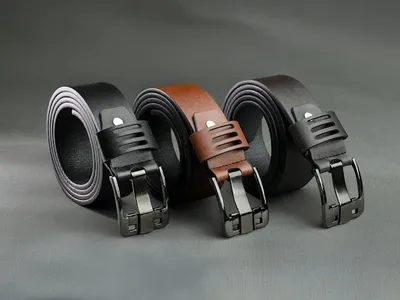
The first step in how to put on a belt buckle is identifying the correct belt end. Most belts are designed with a finished tip on one side and a raw or folded end intended for the buckle. Align the custom die struck belt buckle frame with this end so the prong or bar sits naturally at the belt’s centerline.
Once you have this lined up fully, the process is as follows:
- Thread the belt through the buckle frame, ensuring it lies flat without twisting.
- The prong should pass cleanly through the belt hole, not at an angle.
- Once positioned, pull the belt snug and secure it using the keeper look.
From experience, rushing any of these steps can lead to uneven tension, which leads to discomfort later. Proper alignment ensures the belt buckle on the belt sits flat against the body and distributes pressure evenly - this matters more than people realize.
If your belt buckle is purely intended for decorative purposes, remember that you could opt for a custom round button pinned to your jacket instead - it’s always helpful to consider your options.
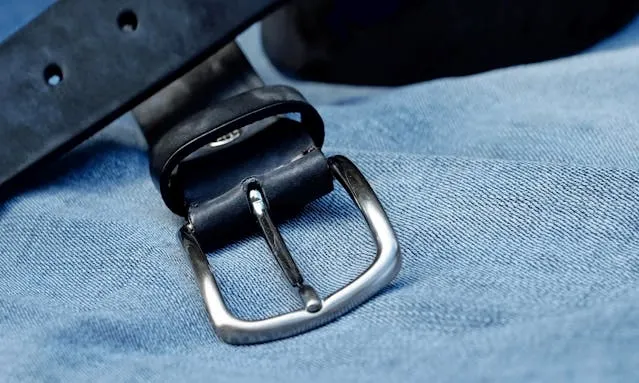
How Do You Put A Belt Buckle On A Leather Belt?
Leather belts require extra care because leather fibers can crack or stretch if mishandled. Before attaching a buckle, check the leather’s thickness and flexibility. Stiffer leather may need gentle manipulation, while softer leather folds more easily around the buckle bar.
In 2026, many leather belts use snaps or screws rather than permanent rivets, allowing buckle changes without damage. An analysis of an ancient belt buckle artifact notes its impressive metalworking, design features, and socio-cultural significance - all of which are still relevant to belt buckles today.
When folding leather around a buckle, avoid sharp creases; gradual bends preserve the material. We recommend supporting the leather with your hands rather than pulling forcefully. Also inspect the snap or screw hardware to ensure it aligns cleanly.
A misaligned fastener weakens the belt over time. Taking these precautions helps maintain both appearance and lifespan.
|
Problem / Symptom |
Likely Cause |
How to Fix It (Actionable) |
How to Prevent It Next Time |
|
Buckle sits crooked or off-centre |
Belt twisted while threading; keeper loop mispositioned; uneven hole spacing |
Unthread the belt completely and reinsert it flat. Reposition the keeper so it sits snug against the buckle frame. Check that the chosen hole is centred. |
Always flatten the belt before threading. Check alignment in a mirror before tightening fully. |
|
Prong is hard to insert into holes |
Belt holes stretched, misaligned, or too small; wrong buckle width |
Try the next looser hole. If resistance remains, stop—forcing will bend the prong. Consider reinforcing holes or switching to a correctly sized buckle. |
Match buckle width exactly to belt width. Avoid punching holes too close to the belt edge. |
|
Prong bends or snaps |
Prong forced at an angle; belt too thick for the buckle; excessive tension |
Replace the buckle or prong—do not re-bend permanently. Refit using a hole that aligns naturally without force. |
Insert the prong straight down before tightening. Never yank the belt sideways to “make it fit.” |
|
Belt holes stretch or tear over time |
Over-tightening; soft leather; prong too narrow or sharp |
Move to a looser hole if possible. If damage is severe, replace the belt strap. Minor stretching can sometimes be stabilised with reinforcement. |
Do not over-tighten. Choose a prong size appropriate for the leather thickness and firmness. |
How To Attach A Belt Buckle To A Belt Properly
Attaching a belt buckle differs from simply wearing one. Attachment refers to securing the buckle permanently or semi-permanently to the belt strap. This is required when replacing a damaged buckle or customizing a belt.
Some belts allow removable attachment through snaps or screws, while others require rivets. This is a fundamental difference that affects your experience with the belt. Understanding the belt’s construction is essential before proceeding as improper attachment can tear holes or weaken the belt’s end.
We have found that many mistakes happen when people confuse wearing with attaching. Wearing involves threading and fastening, while attaching alters the belt itself. If you are working with belt buckles as promotional items, strong attachment is a key part of how to use custom printed promotional items effectively.
Choosing the correct method depends on whether the buckle needs future replacement. This distinction prevents unnecessary damage and ensures the buckle functions as intended.
How Do Belt Buckles Work Internally?
At a basic level, a belt buckle’s purpose is to apply controlled tension that holds the belt securely in place. Internally, the frame supports the structure, while the prong or bar engages with belt holes to prevent slipping. Understanding this will help you install a belt buckle properly.
When tension is applied, force is distributed across the frame rather than concentrated at a single point. Designs vary, but most buckles rely on this balance. Archaeological research into dress accessories like belt buckles shows that they were central to fashion practices in various societies through time, and proper attachment would always be essential.
Buckle design affects usability:
- Wider frames distribute pressure better.
- Narrow frames may dig into the belt.
Understanding how belt buckles work helps users avoid forcing components beyond their limits. From experience, many broken buckles fail not from wear, but from improper stress during fastening.
Looking for a customized belt buckle with colors?
Work with us to create a custom die struck belt buckle with a shaped metallic structure and vibrant colors with exceptional detailing, all at an affordable price point.
How To Put On Snap, Screw, Removable, Or Detachable Belt Buckles
There are fundamental differences between removable, snap, screw, and detachable belt buckles. Let’s look at a few specifics for each type:
- Removable belt buckles: These are designed for flexibility, but they require attention to compatibility.
- Snap buckles: These typically use metal buttons that press into pre-punched holes.
- Screw buckles: These types rely on threaded posts.
- Detachable systems: These work best when parts are designed as a set.
Before attaching, confirm that the belt width and thickness match the buckle hardware. Snaps should close firmly without excessive force, and screws should tighten securely without stripping.
Interchangeable buckles are useful for styling or replacement, but not every buckle fits every belt. We have seen belts weakened when users force mismatched components together. Taking a moment to check alignment and fit preserves both the buckle and the belt over time.
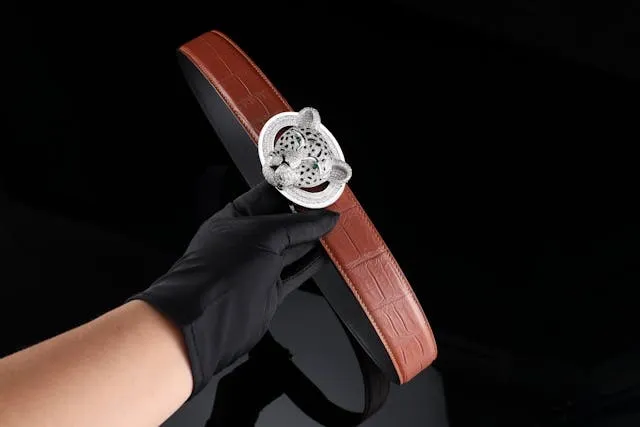
The process for customizing the face of belt buckles is similar to that of custom die-struck medals and other decorative metal accessories. But the details behind the scenes are always substantially different.
How To Replace Or Fix A Belt Buckle That Is Damaged
Replacing a damaged belt buckle is often safer than attempting repair. It is possible to have personalized belt buckles made to your specifications with services like ours, or you will find lots of generic belt buckle designs ready to attach to your belt.
Common failures include:
- Bent prongs
- Cracked frames
- Loosened attachment points
A bent prong may seem minor, but it compromises security and can damage belt holes. Temporary fixes, such as bending metal back into place, rarely last.
If the buckle is attached with snaps or screws, replacement is straightforward. Riveted buckles require more effort and tools. Safety matters during removal, especially when cutting or prying metal components.
We recommend replacement when structural integrity is compromised. Repairs may work briefly, but they often create stress points that lead to repeated failure. Work with us to create custom 3D belt buckles and other types that can replace your existing buckle or serve as promotional accessories for giveaways or branding.
How To Rivet Or Permanently Attach A Belt Buckle
Riveting a belt buckle is a permanent solution best reserved for belts designed for long-term use. Rivets are used when buckles are not meant to be swapped. They create a strong, durable attachment that is difficult to undo once installed.
This process requires precision; once installed, removal damages the belt. Proper alignment is critical before setting rivets, as you will have a permanent problem you cannot correct if you install the buckle unevenly. Misplaced rivets weaken the belt end and affect buckle positioning.
We advise caution, as this method is irreversible. Riveting suits heavy-duty belts where strength outweighs flexibility. Skill level matters here. Belt buckles can be popular types of promotional products for business, but their role will be completely undermined with poor attachment.
Without experience, it is easy to crack leather or misalign hardware. Permanent attachment should only be attempted when you are confident the buckle choice is final.
What Tools Do You Need To Attach A Belt Buckle?
Basic buckle attachment requires minimal tools, but the right ones make a difference. Tool safety matters; slipping tools can damage both belt and hands. Let’s look at a list of common tools you will need for the job:
- A flathead screwdriver for screw posts
- Pliers for alignment
- A mallet for snap or rivet setting
For riveted belts, a rivet setter and punch are essential. Leather belts may benefit from a hole punch to adjust spacing. Optional tools include clamps to hold components steady during installation.
From experience, most attachment errors result from using improvised tools. Using proper equipment ensures cleaner installation and extends the life of the belt. Anthropological studies provide insights into how buckles functioned and looked as part of fashion ensembles in ancient times, and it’s important to understand this context for modern use.
Create your own monochrome metallic belt buckle
Enjoy a traditional look when you use our service to create a custom 3D belt buckle. Complete with textured appearance and molded personalization at competitive prices.
Learn moreHow To Put On Special Belt Buckle Types
Special belt buckles, such as western or decorative styles, often use unique attachment methods. These buckles may be larger, heavier, or require specific belt cuts. Handling differs because weight distribution affects comfort and stability.
- Decorative buckles often rely on snap-back systems.
- Specialty buckles may include hooks or plates.
Learning curves exist, particularly for oversized designs. We have observed that users unfamiliar with these buckles often misjudge belt placement, leading to tilting or discomfort. Studies show that belts have evolved as fashion accessories, including ornate belt buckle designs that have played a key role in making statements throughout history.
Taking time to understand the design prevents frustration. Special buckles are functional accessories, but they require intentional handling to perform well. There is value in learning the ins and outs and getting a strong understanding.
How Should A Woman Or Girl Put On A Belt?
Belt styling differs slightly based on fit and purpose. Women’s belts are often worn at the waist or hips, affecting buckle positioning. Studies show that, even as far back as the 7th century, belt buckles were objects of personal adornment and cultural expression.
- Hip placement typically requires longer belts and lighter buckles
- Waist belts benefit from centered, proportionate designs.
Buckle size matters; oversized buckles may overwhelm smaller frames. From experience, comfort improves when the buckle aligns naturally with body movement rather than sitting rigidly.
Fashion belts prioritize appearance, while functional belts focus on support. Understanding the intended use helps determine how tightly to fasten and where to position the buckle for comfort and balance.

How To Fasten A Belt Without A Buckle
Some belts function without traditional buckles, relying on alternative fastening systems. Such systems are useful for temporary wear, travel, or minimalist styling. The most common types of alternative systems we see include:
- Hook-and-loop closures
- Sliding clasps
- Elastic tension designs
While convenient, they often trade durability for ease. Security varies depending on activity level. For some, these alternative solutions can be more comfortable because they don’t involve having large buckles present at the front of the belt.
We have found these alternative options suitable for light use rather than heavy-duty support. Temporary solutions may loosen over time, requiring adjustment. However, if you are prepared to check and adjust as the day goes on, these solutions can work for longer periods.
When exploring how to choose the best promotional products for business, understanding these trade-offs helps users select appropriate situations for buckle-free belts rather than expecting universal performance.
Frequently Asked Questions About How To Put On A Belt Buckle
How To Put On A Belt Buckle Correctly?
Identify the correct belt end, align the buckle properly, thread the belt flat, and secure it without forcing components.
Can Any Belt Buckle Fit Any Belt?
No. Belt width, thickness, and attachment method determine compatibility, and forcing mismatched parts can cause damage.