How To Seal Mason Jars Safely Without Common Canning Mistakes
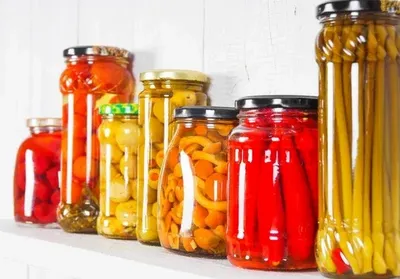
Learning how to seal Mason jars helps you preserve food, reduce waste, and store ingredients safely. The right method depends on the food, jar, lid, and storage goal. Safe sealing starts with clean jars, good lids, correct processing, and careful seal checks.

Key Takeaways
- Use heat processing for shelf-stable canned food.
- Use pressure canning for low-acid foods.
- Use vacuum sealing for dry goods and short-term storage.
- Always inspect lids and jar rims before sealing.
- Discard any stored jar that shows warning signs.
Table of contents
How To Seal Mason Jars Safely At Home
Sealing mason jars is a basic kitchen skill for canning, pickling, dry storage, and meal prep. A good seal helps protect food from air, spoilage, and contamination. There are two main sealing categories:
- Heated sealing: This includes boiling, water bath, canning, and pressure canning. These methods are used for food that needs to be processed for safe pantry storage.
- Non-heat sealing: This includes vacuum sealing, cold sealing, and airtight storage methods. These methods work best for dry food, refrigerated food, and short-term storage.
Before starting, gather clean jars, lids, bands, a jar lifter, a towel, a headspace tool, and a clean surface. Quality lids to ensure the sealing compound grips the rim correctly. This guide explains how to seal canning jars, how to select the right method, how to verify seals, and how to prevent common food safety mistakes. A properly sealed jar extends shelf life, minimizes food waste, and helps you save money while preserving your fresh seasonal food.
How Do You Prepare Mason Jar Lids For A Safe Seal?
Mason jars use a two-part system with a flat lid for sealing and a screw band for support. Before use, inspect every new flat lid for dents, scratches, or missing compounds. Do not use damaged lids. Keep lids warm if directed, as this softens the compound to ensure a better fit. Mastering these steps is vital when learning how to seal a mason jar correctly.
Tighten the bands only to finger tight, stopping immediately once resistance is felt. Over-tightening traps inside, preventing a proper vacuum. Proper preparation ensures safe, effective, professional-grade results.
What Are The Steps To Seal A Mason Jar At Home?
The basic process for how to seal a mason jar is simple, but each of the following steps matters:
- Wash jars, lids, and bands.
- Fill jars with the prepared food and leave the correct headspace.
- Wipe the rim clean.
- Place the flat lid on the jar and add the band until finger-tight.
- Process the jar using the correct method.
- Let the jar cool without touching it.
- Check the seal after cooling
The gap between the foot and the lid is very crucial. Excess space prevents a vacuum, while too little causes foot leakage. During cooling, air inside contracts, pulling the lid down from the seal, often creating a pop. To verify, press the center of the lid. It should remain firm. If it flexes, the jar has not sealed. Mastering these details is essential when learning how to properly seal a Mason jar or achieve safe and reliable food preservation at home.
How Do You Sterilize Mason Jars Before Sealing?
Sterilizing jars minimizes contamination before filling. This is a vital step when learning how to properly seal a mason jar to safely process it. In doing so, use boiling water or high-temperature dishwasher cycles. If boiling, keep jars hot until you fill them. If you are using a dishwasher, ensure you fill the jars immediately while they remain warm to maintain safety.
Handle sterilized jars with clean tools, avoiding contact with the inside or rim to prevent contamination. Place the jars on a clean towel before filling. Some recipes require full sterilization, while others only need hot, clean jars, as processing handles sanitation. Always follow your specific recipe.
Make a strong impression with custom mason jars
Work with us to create high-quality custom mason jars with your unique branding for preserves, pickles, sauces, gifts, events, or retail products that customers will remember.
How To Seal Mason Jars In Boiling Water For Safe Canning
Drilling water bath canning method is essential for high-acid foods like fruit, jam, jellies, and tested tomato recipes. This process is the most accessible way to learn how to seal mason jars for canning. To begin, gather your canning pot, wire rack, jar lifter, and head space tool. Clean the jars, lids, and bands. The rack keeps jars off the pot bottom while heating.
Processing time varies based on jar size, density, and altitude. Always use tested recipes to ensure safe heat penetration. Begin timing only after the water returns to a full boil once jars are submerged.
This method is the primary choice for high-acid foods. It is also the key to how to seal mason jars in boiling water and how to seal mason jars in water for safe shelf-stable canning. Prioritize precise timing for successful preservation.
| Food | Common method | Main safety |
|---|---|---|
| Jams | Boiling water method | Follow the tested times and recipes |
| Pickles | Boiling water bath | Use the correct vinegar strength |
| Fruits | Boiling water bath | Keep jars covered with water |
| Tomatoes | Boil water bath or pressure canning | Acid may need to be added |
| Vegetable | Pressure canning | Do not use water bath alone |
How Long Should You Boil Mason Jars To Seal Them Safely?
Processing times vary based on specific food types, recipe density, and jar size. Small jars of jam generally require shorter intervals than dense products like fruits or tomatoes. Larger containers inevitably necessitate longer durations to ensure adequate heat penetration. Always follow tested recipes to determine the correct time for your application, as these guidelines are critical for safety.
Altitude adjustment is vital because water boils at lower temperatures in high locations. Increase processing time based on your elevation to ensure consistent results. Only begin timing once the water returns to a full rolling boil after submerging the filled jars correctly.
When Should You Use Pressure Canning To Seal Mason Jars?
Pressure canning is distinct from water bath methods, as it uses specialized equipment to reach temperatures well above boiling. This heat is vital for processing low-acid foods like vegetables. meats, poultry, and beans, where bacteria might survive. It is the only safe home method for how to pressure seal mason jars when food requires intense heat.
Always use a dedicated pressure canner with a rack, vent, and gauge. Never substitute with a standard kitchen cooker. Following tested recipes is critical to ensure your home-canned low-acid foods remain safe and shelf-stable for long-term storage.
Need custom mason jars for your next product launch or giveaway?
We can bring your designs to life on custom mason jars for food brands, homemade preserves, event favors, promotional gifts, or branded packaging that feels useful and memorable.
Explore options for custom mason jars hereHow Do You Seal Mason Jars Without Boiling?
Some sealing methods do not use boiling water. These can be useful for refrigerator storage, dry goods, pantry ingredients, and short-term freshness. They are not always safe for shelf-stable food.
Non-boiling methods include these:
- Vacuum sealing for dry goods.
- Cold sealing for refrigerator storage.
- Hot fill sealing for some short-term uses.
- Oxygen absorbers for dry pantry foods.
- Airtight closure for snacks, grains, and spices.
Non-boiling methods improve freshness but cannot replace safe canning. How to seal a mason jar without boiling depends on the food. Dry goods work well with vacuum sealing, while perishables require heat processing. Furthermore, the answers for how to cold-seal mason jars are only suitable for short-term refrigerator storage unless the food was previously processed using a safe, tested method.
Browse our full collection of mason jar sealing kits and cold seal attachments. Everything needed to seal jars without boiling is available in one convenient shop. Order today and start preserving with confidence.
How Do You Vacuum Seal Mason Jars To Keep Food Fresh?
Vacuum sealing removes air from inside the jar, helping slow staleness, oxidation, and moisture damage in various foods. This process is essential for preserving freshness, though it differs significantly from heat-based canning methods. It is an effective way to manage dry goods.
You can use countertop sealers, handheld devices, or jar adapter kits to pull air from the jar. This method works best for dry goods, dehydrated foods, nuts, grains, coffee, tea, and snacks, but it cannot make unsafe food shelf-stable.
How Can You Make A Mason Jar Airtight Without A Machine?
You can make a jar near airtight without a machine by using clean lids, proper closure, and appropriate food. Hot fill sealing, where hot food creates a vacuum as it cools, and oxygen absorbers for dry goods are useful techniques. These manual methods work well for short-term storage or for refrigerated items, but they are not substitutes for tested canning methods. They do not provide the safety required for shelf-stable preservation.
Manual methods are less consistent than powered devices and are not safe for sensitive foods. For better reliability, explore our collection of jar sealing kits and attachments. Order now.
Why Mason Jars Do Not Seal And How To Fix Them
Failed seals are common, and most causes are easy to find. A jar may fail because the rim is dirty, the lid is damaged, the band is too tight, or the processing method is wrong.
Common causes include these:
- Food residue on the rim.
- Too much or too little headspace.
- Old or reused flat lids.
- A chipped jar rim.
- A band that is too tight.
- The processing time was too short.
- Water that stopped boiling during processing.
- Poor lid storage before use.
- Mixed jar and lid brands that do not fit well.
After cooling, test each jar. Remove the band and lift the jar gently by the lid edge. If the lid stays attached and the center does not flex, the seal is good. If the lid lifts off, refrigerate and use the food soon, or reprocess with a new lid if the recipe allows it.
Can A Damaged Lid Or Jar Rim Stop A Mason Jar From Sealing?
Yes. A bent, warped, or previously used flat lid can leave tiny gaps that stop an airtight seal. This is why single-use flat lids are standard for home canning. Inspect the jar rim before filling. Run a clean finger around the full rim. If you feel chips, rough spots, or cracks, do not use that jar for canning. Reusing flat lids is risky because the sealing compound may already be compressed. A used lid may look fine but fail during storage.
Use this pre-canning checklist.
- New flat lid.
- Smooth jar rim.
- Clean rim after filling.
- Correct band size.
- The band tightened only finger-tight.
- Correct processing method.
Customize mason jars with branded designs that make every jar stand out
We supply high-quality custom mason jars with your logo, artwork, or message to help you package pickles, jams, sauces, dry goods, and gifts in a polished, professional way.
How To Seal Mason Jars For Different Foods And Uses
The sealing method depends on the food type. High-acid foods require boiling water, while low-acid items need pressure canning. Vacuum sealing works for dry goods but cannot replace heat processing for perishables. Proper headspace is vital for safety, so follow recipe requirements to learn how to seal mason jars for pickling and other foods.
To guarantee preservation success, visit our online store. Stock up on purpose-designed mason jars, specialty pickling lids, and commercial-grade sealing supplies for every food type and preservation goal.
How Do You Seal Mason Jars For Pickles And Pickled Foods?
Pickled foods are usually high in acid due to vinegar brine, making boiling water bath canning effective for many recipes. You may use a cold seal for refrigerator pickles if eaten quickly. Always follow the vinegar strength and salt ratios in your recipe, as they are essential for preservation. Do not modify these ingredients.
When preparing vegetables, leave the precise headspace listed in your recipe. This prevents brine from pushing under the lid during processing, ensuring a proper seal. Maintaining this gap is the safest way to handle how to seal mason jars for pickling. Always prioritize tested recipes to ensure your preservation safety.
Looking for an affordable solution for custom mason jars?
With our online service, you have a fast, reliable way to customize mason jars for small businesses, food sellers, events, and promotional campaigns with quality finishes at affordable prices.
Get started with custom mason jars hereHow To Avoid Botulism When Sealing Mason Jars At Home
Botulism is a serious food poisoning risk caused by bacteria that can grow in improperly canned food. The risk is highest in low-acid foods sealed without enough heat.
Follow these safety rules.
- Use tested canning recipes.
- Use a boiling water bath only for high-acid foods.
- Use pressure canning for low-acid foods.
- Do not guess processing times.
- Adjust processing for altitude when required.
- Use new flat lids for canning.
- Check every seal after cooling.
- Label jars with contents and date.
- Store sealed jars in a cool, dry place.
- Discard unsafe jars without tasting.
Low-acid foods are the highest risk. This includes vegetables, meats, poultry, seafood, beans, and soups. pH, heat, and oxygen all affect whether harmful bacteria can grow. Never taste food from a jar that smells off, spurts liquid, shows mold, leaks, or has a loose lid after storage. Throw it away safely.
Frequently Asked Questions About How To Seal Mason Jars
What Is The Safest Way To Seal Mason Jars?
The safest way to seal mason jars is to use a tested method that matches the food. High-acid items use boiling water bath canning, while low-acid foods require pressure canning. For dry goods, vacuum sealing maintains freshness. However, never rely on vacuum sealing alone for perishable foods, which require strict heat processing.
Can You Seal Mason Jars Without Boiling Them Safely?
Safe non-boiling methods like vacuum sealing suit dry goods or refrigerator foods. However, for shelf-stable items, how you seal a mason jar depends strictly on heat processing. Sealing mason jars without boiling is unsafe for perishable foods, which always require a tested boiling water bath or pressure canning methods to ensure safety and prevent dangerous bacterial growth.