How To Use Balloon Tying Tool: For Fast And Easy Balloon Knots
Tying one balloon by hand is fine, but tying fifty can make your fingers sore and slow. Learning how to use a balloon tying tool can take the pressure off your fingertips. In this guide, we look at their benefits for making balloon garlands and party decorations.

Key Takeaways
- A balloon tying tool helps protect your fingers when tying lots of balloons for parties, arches, garlands, and events.
- The basic method is simple: inflate the balloon, stretch the neck, wrap it around the tool, and pull the end through.
- Practice slowly before working fast. Most mistakes happen when the balloon neck slips or gets pulled too hard.
- We supply high-quality custom balloons in various materials and formats that are affordable and easy to tie or seal to enjoy lasting performance.
Table of contents
-
How To Use Balloon Tying Tool The Easy Way
-
How To Use A Balloon Tying Tool For Party Decorations
-
How To Use A Balloon Tie Tool For Quick Decorating
-
How To Use Balloon Tape After Tying Balloons
-
How To Use A Balloon Tying Machine Instead Of A Hand Tool
-
How To Check The Knot After Using A Balloon Tying Tool?
How To Use Balloon Tying Tool The Easy Way
A balloon tying tool is made to hold the balloon neck while you form the knot. Inflate the balloon first, leaving enough neck to stretch and wrap. This gives you what you need from the balloon to be able to use the device.
- Place the balloon neck over the tool.
- Pull the rim around the neck or groove then tuck the end through the loop.
- When you slide the knot off, it should close neatly.
Doing this helps prevent finger strain because the tool takes most of the pulling pressure. People find it useful for birthday parties, baby showers, balloon arches, garlands, and store displays.
If you are using custom balloons, careful tying also helps avoid wasted pieces during setup.
How To Use A Balloon Tying Tool Step By Step?
Start by inflating the balloon to the right size. Do not overinflate it, because a tight balloon has less neck to work with and is more likely to pop. From here, the process is as follows:
- Hold the body of the balloon in one hand.
- With the other hand, stretch the neck gently.
- Place the neck across the balloon tying tool.
- Wrap it around the tool’s hook, and pull the end through the loop.
- Slide the finished knot off carefully.
- Check that the knot is firm before adding the balloon to decorations.
We suggest practicing with a few spare balloons first. It feels awkward for about three tries, then suddenly clicks. This tool may not be compatible with products like foil balloons or custom PVC giant balloons - consult guidance first.
How Do You Use A Balloon Tying Tool Step By Step?
The tool works best when your hands stay relaxed. Hold the inflated balloon close to the neck so it does not wobble. Stretch the neck just enough to wrap it around the tool. Do not pinch your skin between the balloon and the plastic hook.
Wrap the neck around the tool once, push or pull the tail through the loop, then release the knot. A balloon tier is especially helpful when preparing many balloons because the same motion repeats again and again.
Parents, party decorators, and school event helpers usually notice the difference fast as the tool helps perform the task more correctly. Practice slowly before trying to tie at speed.
How Can A Balloon Tool Help You Tie Balloons Faster?
A balloon tool helps you tie balloons faster because it turns the knot into a repeated motion. Instead of pulling the neck around your fingers each time, the tool holds the shape for you. Speed comes after the wrap starts feeling automatic.
Keep inflated balloons on one side, the pump nearby, and finished balloons in a clean basket or bag. That small workflow matters - if you keep reaching across the table, you lose time and rhythm
For large balloon setups to display sponsors at an event, we like grouping balloons by size and color first. Then tying becomes a steady task, not a messy hunt through the pile. Here’s a brief troubleshooting guide:
| Problem | Likely cause | Fix |
|---|---|---|
| Balloon slips off tool | Neck not stretched enough or grip too loose | Hold closer to the neck and stretch gently before wrapping |
| Knot leaks | Tail did not pass fully through loop | Retie with a longer neck or replace the balloon |
| Balloon pops | Overinflated or pulled too sharply | Inflate slightly less and pull more slowly |
| Fingers still hurt | Holding too tightly or tying too quickly | Slow down and let the tool guide the loop |
How To Use A Balloon Tying Tool For Party Decorations
A balloon tying tool can make party decorating much easier, especially when building arches, garlands, bunches, and table displays. Consistent knots help balloons sit neatly when added to balloon tape or tied into clusters.
Inflate balloons in batches, then sort them by color and size before tying. This keeps the design balanced and saves time later. A reliable balloon tying tool or balloon decoration kit can also help beginners get a more professional finish without hiring a decorator.
Look for kits that include:
- Balloons
- Tying tools
- Tape
- Hooks
- Arch accessories
We still believe the tool is only as good as the setup around it. And your latex balloon construction plays a big role in its quality, which affects how reliable the inflation is.
How Do You Use A Balloon Tying Tool For Large Balloon Setups?
For large setups, use the balloon tying tool as part of a system. Inflate a batch first, then tie that batch, then move it into garland tape, bags, or color groups. Working one balloon at a time from start to finish slows everything down.
A balloon tier helps reduce finger pain during high-volume work, which matters when you are making an arch, which can be for:
- Weddings
- School events
- Business launches
Keep a steady pace - rushing causes popped balloons and weak knots. Consistent knots also make it easier to attach balloons to decorative structures, because each neck is tight, neat, and easy to grip. And they look great around custom neon signs and other lighting.
How Do You Tie A Balloon With A Tool Without Air Leaks?
A good knot starts with enough balloon neck. Inflate the balloon, then leave a little stretch near the end. If the neck is too short, the knot may sit loosely and leak air slowly.
Wrap the neck fully around the tool, pull the tail through, then slide the knot off without tugging the balloon body. After tying, press the balloon lightly and listen for air. If the knot hisses, retie it or replace the balloon.
Good-quality balloons help because the neck stretches better and seals more firmly. Cheap balloons can split or feel stiff, which makes learning harder than it needs to be. Leak prevention matters, but a knot can only be as good as the balloon it is tied on.
How Do You Tie Balloons With A Tool For Events?
For events, the balloon tying tool is useful because it saves time and keeps the setup neater. Weddings, birthdays, baby showers, school fairs, trade stands, and business events often need more balloons than people expect.
Set up a comfortable workstation with the following close together:
- Your pump
- The tying tool
- Balloon bags
- A color plan
Do not inflate every balloon to the same size unless the design needs it. Mixed sizes create fuller arches and garlands. The inflating process is simpler than how to inflate an exercise ball, but you have to also think about arrangement.
Use the tying tool to reduce waste from popped or badly tied balloons. When working with custom balloons, keep printed designs facing upward in the finished pile so they do not get scratched.
Looking for high-quality, affordable personalized balloons?
With our service, you can create custom latex balloons with any printed design and enjoy a low-cost solution to display your brand or other look.
How To Use A Balloon Tie Tool For Quick Decorating
A balloon tie tool helps when time is tight. Same-day party? Last-minute backdrop? Store display before opening? This is where the tool earns its place. For quick decorating, choose a bundle with balloons, a tie tool, balloon tape, glue dots, and arch accessories.
Tying by hand works, but it becomes slow when your fingers get sore. With a balloon tie, the wrap and pull motion stays the same every time. Prepare everything you need and you are not stopping halfway to find missing parts.
Inflate, tie, sort, and attach in order. It is not glamorous advice, but it is how displays actually get finished. It will work with our custom chrome balloons which offer a personalized touch and a shine that is sure to make an impact, all at an affordable price.
How Do You Use A Balloon Tie Tool With Different Balloon Sizes?
Different balloon sizes need slightly different pressure. Small balloons have shorter necks, so stretch them carefully and do not pull too hard. They can slip off the tool if you rush.
- Medium balloons are usually easiest for beginners because the neck has enough give.
- Large balloons often have more neck material, but the filled balloon can be heavier to control.
Hold the body close to the neck while wrapping. Test the tool on each balloon type before starting the main decoration. Some balloons feel softer, while some feel stubborn. We would rather learn that during practice than halfway through a color-matched balloon arch.
Create your own letters balloon with an easy valve seal
Work with us to create custom letters balloons in a foil format and enjoy the simple valve that doesn’t require tying.
Learn moreHow To Use Balloon Tape After Tying Balloons
Balloon tape and a balloon tying tool do different jobs. The tying tool creates the knot, while balloon tape helps arrange tied balloons into garlands, arches, and backdrops. Tie each balloon first, then push the knotted neck through the holes in the tape.
Space the balloons evenly at first, then adjust for fullness. Use different balloon sizes to fill gaps and make the display look less flat. Do not insert untied balloons into the tape and hope it will hold them - it will not.
The knot is what keeps the balloon sealed. The tape is only the structure that helps place it. Remember this when you are trying to make a balloon garland or create a balloon arch.
How Do You Use A Balloon Arch Strip After Tying Balloons?
A balloon arch strip has small holes where tied balloon necks can be inserted. After tying the balloon, push the neck through one hole, then pull it sideways so it locks into place. Leave enough space between balloons at first so you can adjust the shape.
Here are some tips:
- Add larger balloons first, then fill gaps with smaller ones using glue dots or extra tape.
- Secure the arch strip to a wall, stand, frame, or backdrop with hooks, string, or removable fixings suited to the surface.
- Step back often - balloon arches can look balanced up close, then oddly heavy on one side from across the room.
Remember the importance of safe gas-handling practices if you are working with helium to avoid accidents.
How To Use A Balloon Tying Machine Instead Of A Hand Tool
A balloon tying machine is different from a small handheld tying tool. It is made for higher-volume work and may help professional decorators, balloon shops, or event teams that tie balloons daily.
Most casual users do not need a balloon tying machine. A simple hand tool is:
- Cheaper
- Smaller
- Easier to store
- Enough for birthdays or one-off events
A machine may be worth considering if you regularly make large custom inflatable round arches, balloon walls, or commercial displays.
Compare the cost, speed, learning curve, and storage space before buying. We like simple tools when they solve the problem - bigger equipment only helps if you will truly use it.
Interested in a more celebratory tone for your custom balloons?
Our custom confetti balloons are perfect for weddings and birthday parties with diverse customization options and an easy-tie design.
How To Check The Knot After Using A Balloon Tying Tool?
Check each knot before adding the balloon to decorations. A good knot should feel firm, sit close to the balloon body, and show no sign of air leakage. Gently squeeze the balloon and listen. If you hear a faint hiss, the knot may be loose.
Look for things like:
- Stretched necks
- Tiny splits
- Uneven loops
If the knot is weak, retie it if possible. If the balloon is damaged, replace it. Knot type affects leakage pressure, so checking is crucial to confirm seal quality.
Do not add a leaking balloon to an arch and hope nobody notices. It will shrink, sag, or fall out later. A ten-second check can save a display from looking tired too soon.
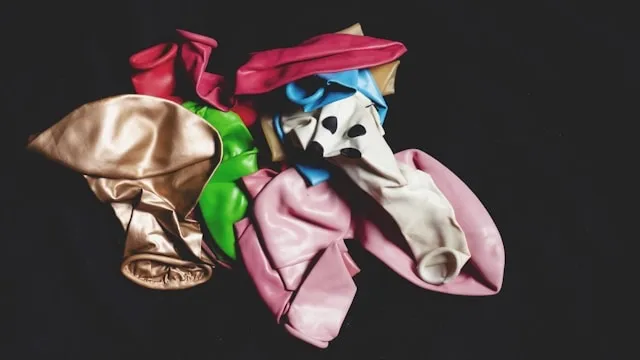
How Do You Fix Common Balloon Tying Tool Mistakes?
Common mistakes include wrapping the balloon neck too loosely, pulling too hard, and sliding the knot off before it is formed. If the balloon slips, stretch the neck a little more and hold the body closer to the tool.
Here are a few more tip
- If the knot leaks, the tail may not have passed fully through the loop.
- If the balloon pops, it may be overinflated or pulled too sharply.
- Slow down until the motion feels smooth.
- Replace damaged balloons instead of forcing them into decorations.
A weak balloon in the middle of a garland is annoying later. Better to lose one now than fix ten around it. If you are working with custom numbers balloons or letters ones, you probably have foil balloons with built-in valves that don’t need tying.
Frequently Asked Questions About How To Use Balloon Tying Tool
How Do You Use A Balloon Tying Tool Correctly?
Inflate the balloon, stretch the neck gently, wrap it around the tool, pull the tail through the loop, then slide the knot off. Check for leaks before decorating.
Is A Balloon Tying Tool Easy For Beginners?
Yes. A balloon tying tool is beginner-friendly after a few practice tries. It reduces finger strain and helps create faster, more consistent knots.