Do You Wear Socks With Barefoot Shoes: Comfort, Blisters, And Fit
Barefoot shoes attract people who seek natural movement and a closer connection with the ground. The confusion usually starts when someone actually tries to put them on. Do you wear socks with barefoot shoes, or is the whole idea supposed to be sockless?
In this guide, we reveal that the answer sits somewhere in the middle. Both approaches can work, and the better choice can depend on climate, activity level, and personal preference. People tend to experiment a little, so let’s explore all there is to consider.

Key Takeaways
- Whether you wear socks with barefoot shoes depends on comfort, activity, and climate. Many people switch between socks and sockless wear depending on the situation and how their feet respond.
- Thin, flexible socks usually preserve most of the barefoot feel while improving sweat control and reducing friction during longer walks or runs.
- Trying both options over short outings helps people quickly learn what works for their feet, shoe fit, and daily routine.
- We supply high-quality custom socks that you can personalize to suit your needs and order at competitive prices to improve barefoot shoe comfort.
Table of contents
-
Do You Wear Socks With Barefoot Shoes?
-
Can You Wear Barefoot Shoes With No Socks?
-
Does Wearing Socks With Barefoot Shoes Defeat The Purpose?
-
Do You Wear Socks With Barefoot Shoes For Long Runs Or Long Walks?
-
Should You Wear Socks With Barefoot Shoes When Hitting The Trails Or Going For A Hike?
-
Can You Wear Socks With Barefoot Grounding Shoes?
Do You Wear Socks With Barefoot Shoes?
People tend to assume there must be a strict rule, but the actual answer to whether you wear socks with barefoot shoes is simply that socks are optional. Some people prefer the direct feel of going sockless, others like the added comfort and moisture control of socks.
Adding socks changes a few small but noticeable details:
- Fit can feel slightly tighter.
- Friction points may shift a little.
- The temperature inside the show can improve, depending on material.
For beginners, we usually suggest testing both options on short walks. Ten or fifteen minutes is usually enough to notice the differences. Over time, the choice becomes obvious, guided by things like climate, activity, and personal comfort.
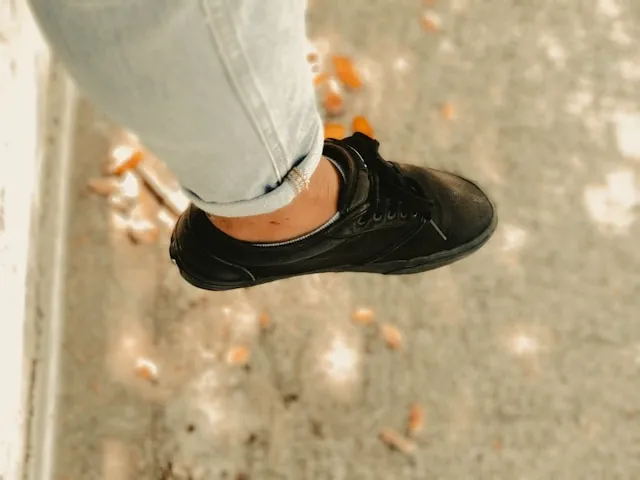
How Does Wearing Socks Change Fit And Comfort In Barefoot Shoes?
When people ask if you should wear socks with barefoot shoes, comfort is usually the real concern behind the question. Socks slightly change how the upper fabric wraps the foot and how the toes settle inside the wide toe box. Even a thin layer can reduce tiny slips that sometimes happen when feet sweat.
Another detail we see often is foot swelling. During long walks or warm days, feet naturally expand:
- A thin sock can help maintain a smooth fit.
- A thick sock might crowd the space meant for toe spread.
We usually recommend testing options like custom dress socks or athletic socks in the evening when feet are slightly larger. This simple habit prevents surprises later during longer outings or active days.
|
Sock Type |
Best Use Case |
Pros |
Cons |
Impact on Ground Feel |
|
Toe Socks |
Running, long walks, hiking, blister-prone feet |
Separates toes to reduce friction; supports natural toe splay; often designed for minimal shoes |
Takes getting used to; can be slower to put on; limited styles |
Low impact – maintains toe spread and flexibility |
|
Thin No-Show Socks |
Everyday casual wear, warm weather, urban walking |
Minimal bulk; preserves barefoot feel; discreet appearance |
Less moisture control during intense activity; may slip depending on fit |
Very low impact – closest feel to going sockless |
|
Merino Wool Socks (Thin) |
Cooler climates, hiking, all-day wear |
Excellent temperature regulation; moisture-wicking; naturally odor-resistant |
Slightly higher cost; thicker versions can reduce space in snug shoes |
Low to moderate impact depending on thickness |
|
Synthetic Performance Socks |
Running, gym training, long walks |
Strong moisture management; lightweight; designed to reduce friction |
May retain odor over time; quality varies widely |
Low impact if thin and seamless |
|
Cotton Socks (Thin) |
Light casual use, short outings |
Soft, widely available, inexpensive |
Holds moisture; increases blister risk during long activity |
Moderate impact – can reduce ground feel when damp or thick |
Should You Wear Socks With Barefoot Shoes In Hot Or Cold Weather?
Weather changes the answer more than most people expect. In hot conditions, breathability and moisture control become the priority. Very thin socks can actually help by absorbing sweat and keeping the inside of the shoe from becoming slippery.
This surprises some people who assume going sockless is always cooler. Cold weather flips the equation. Barefoot shoes have minimal insulation, so thin thermal socks often improve comfort without ruining flexibility.
Activity is another key consideration:
- A brisk hike generates a lot of warmth.
- A casual walk may not lead to feet overheating and sweating.
When people ask if you can wear socks with barefoot shoes in different climates, the practical approach is simple: adjust thickness to match temperature and movement. Just like how you might put on some custom Bonny cashmere gloves when the temperature drops.
Can You Wear Barefoot Shoes With No Socks?
Many people choose to wear barefoot shoes with no socks. In fact, going sockless is often the first experience people imagine when they buy barefoot shoes. It is easy to skip socks entirely with barefoot shoes when you are working with:
- Warm weather
- Quick errands
- Breathable shoe materials
Still, there are a few tradeoffs worth mentioning. Without socks, moisture from sweat stays directly against the shoe lining. Over time this can create rubbing points or faster interior wear. Nevertheless, a 2015 study notes the benefits of minimalist shows for running.
For anyone trying it the first time, we suggest checking the insole and interior seams before heading out. Smooth surfaces matter more when skin contacts the shoe directly. Rotating shoes and allowing them to dry fully also helps keep things comfortable.
Tips For Wearing Barefoot Shoes Without Socks
People who prefer the sockless approach usually develop a few habits quickly. The first is paying attention to friction. Barefoot shoes often use smooth linings, but small details like long toenails or dry skin can still create rubbing during longer walks.
Here are some other tips:
- Foot care plays a surprising role here. Light moisturizing helps prevent cracking, although overly slick skin right before activity can cause sliding.
- We also like using removable insoles when the design allows it.
- Washing or airing them out keeps the inside of the shoe fresh.
- Cleaning matters more when you skip socks. A quick rinse and full drying session keeps odor and moisture from building up inside the shoe over time.
Similar to learning how to turn a scarf into a shawl, you must learn how to use barefoot shoes in a way that works for your comfort and longevity.
Wearing Barefoot Shoes Without Socks Pros And Cons
Going sockless offers a certain appeal. The sensation is very direct, and many people say it feels closer to natural movement. That tactile feedback is one reason barefoot shoes became popular in the first place.
At the same time, the downsides show up during longer use. When skin contacts the shoe lining directly, you are more likely to experience:
- Moisture
- Odor
- Interior wear
Rubbing can also become more noticeable if sweat builds up during activity. However, in a 5-month study published in Frontiers, participants wearing barefoot shoes experienced a 48.5% increase in toe flexor strength, emphasizing the potential benefits of increased tactile feedback.
We usually think of sockless wear as ideal for shorter outings or casual days. When time on your feet stretches longer, many people eventually reconsider and reach for a thin pair of socks instead.
Looking for casual socks that work with barefoot shoes?
Use our service to create custom casual socks in any color, size and style to meet your needs.
Does Wearing Socks With Barefoot Shoes Defeat The Purpose?
This is a question that comes up constantly. People worry that adding socks somehow cancels the benefits of barefoot footwear. In practice, that is not really how it works. The main idea behind barefoot shoes is foot freedom, especially natural toe spread and flexible movement.
It’s the details that matter, like asking what size backpack you need for daily use. Here is the key consideration for socks with barefoot shoes:
- Thin socks usually preserve those qualities.
- Thick cushioned socks, on the other hand, can crowd the toe box and reduce the sensory feedback many people enjoy.
When someone asks if they should wear socks with barefoot shoes, we usually ask a different question: what matters more right now, pure ground feel or long term comfort? Once that priority becomes clear, the decision tends to follow naturally.
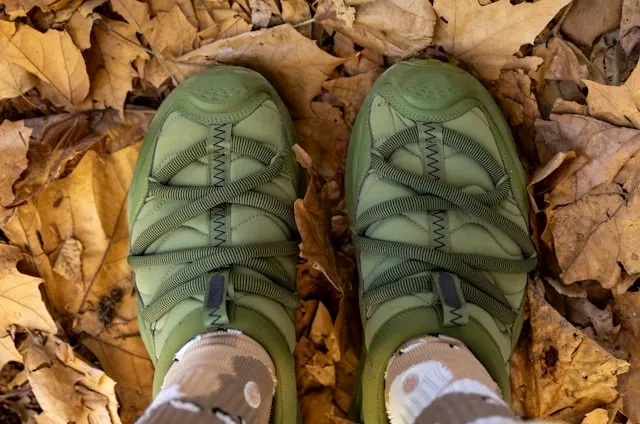
For The Best Ground Feel Should You Go Sockless Or Wear Thin Socks?
Ground feel is often misunderstood. It does not mean feeling every tiny pebble. Instead, it refers to the subtle feedback your feet receive about what’s beneath your feet, including:
- Surface texture
- Temperature
- Balance while moving
Going sockless increases that sensation slightly, especially during short walks or practice sessions where people want to focus on foot movement. Thin socks reduce friction while still allowing most of that feedback to come through.
In everyday situations, the difference is smaller than people expect. Many users discover that a lightweight sock still preserves enough sensory input. Our custom athletic socks can be personalized to your needs and offer breathability and comfort with barefoot shoes.
Choose socks that fit under barefoot shoes and represent your brand
Work with us to create custom branded socks and enjoy showcasing your pride while wearing barefoot shoes with comfort.
Learn moreDo You Wear Socks With Barefoot Shoes For Long Runs Or Long Walks?
Distance changes the equation quite a bit. During long runs or extended walks, sweat management becomes important. Moisture increases friction, and friction eventually leads to hotspots or blisters.
Thin socks help absorb that moisture and keep the skin moving smoothly inside the shoe. Fit stability is also important. As miles add up, the following can happen:
- Feet swell slightly
- Shoe movement increases
A well fitted sock can keep things consistent across the entire outing. Research from 2020 explores the differences between barefoot and shod running, noting that barefoot shoes offer benefits whether combined with socks or not.
Some runners even carry an extra pair for longer sessions. Changing socks halfway through a long activity can refresh comfort and reduce friction before small irritations become bigger problems.
Should Beginners Wear Socks With Barefoot Shoes For Running?
For new runners, caution is often recommended. Barefoot shoes encourage natural movement patterns, but the transition takes time. Early runs often involve slight adjustments in stride and foot strike, which can create unexpected rubbing inside the shoe.
Thin socks can act as a helpful buffer during this phase. They reduce friction while the body adapts to new mechanics. We usually suggest starting with short, easy runs rather than jumping into long distances. Neck fans work in hot weather and may help in your early efforts.
Pay attention to small signals, such as:
- Warm spots
- Heel movement
These clues appear early and give runners time to adjust before discomfort turns into a blister or sore area.
Can Wearing Socks With Barefoot Shoes Help Stop Blisters Before They Start?
Blisters rarely appear out of nowhere. They usually begin as small hotspots caused by friction, moisture, or poor fit. In barefoot shoes, thin socks often help reduce the shear forces that create those hotspots.
Different sock styles can solve specific problems:
- Toe socks, for example, separate the toes and reduce rubbing between them during longer activities.
- Socks with smooth seams can also have a bigger impact on preventing blisters than people expect.
However, socks are not a cure for everything. If the shoe is the wrong size or the heel moves excessively, friction will continue. Research into foot strike mechanics suggests shifting towards anterior foot strike patterns can be beneficial for foot health when walking or running.
Adjusting fit or lacing technique often solves problems with blisters faster than relying on socks alone.
Should You Wear Socks With Barefoot Shoes When Hitting The Trails Or Going For A Hike?
Trail environments introduce more variables than pavement. Uneven terrain, debris, and longer continuous steps increase friction inside the shoe. For most hikers, thin socks become the safer choice during these outings.
Socks designed for active use help prevent bunching and provide light protection against abrasion. They also help manage moisture during things like:
- Longer climbs
- Warm conditions
You might also want to wear a custom Truman cap and take other measures to protect against sunlight and heat.
Sockless hiking can work on short, familiar trails where shoes already fit perfectly, though even then, small stones or debris sometimes find their way inside. Taking a moment to check the shoe before continuing helps avoid irritation during the rest of the hike.
Wearing Socks With Barefoot Shoes Pros And Cons
Wearing socks with barefoot shoes offers a few clear advantages. For one, moisture absorption improves comfort during longer activity, and the shoe interior stays cleaner over time. Socks also reduce rubbing in areas where the foot moves repeatedly against the upper fabric.
The tradeoff involves ground feel:
- Even thin fabric slightly softens the direct sensation people expect from barefoot footwear.
- Thick socks may also compress the toes if the shoe fit is already snug.
Experts define minimalist shoes like barefoot options by their high flexibility, low heel-to-toe drop, and minimal motion-control features. Some fear that socks may take away from these things.
In practice, most people solve this by choosing lightweight socks designed for minimal footwear. That balance keeps the experience close to natural movement while addressing comfort and hygiene concerns.
Looking to create a colorful look with your barefoot shoes?
Our custom full-color socks can work perfectly with barefoot shoes and are fully customizable and available at great prices.
Can You Wear Socks With Barefoot Grounding Shoes?
Grounding shoes are designed with a specific purpose. They aim to maintain electrical contact with the ground through conductive elements in the sole. Because of that, socks can influence how effectively the system works.
Certain materials block conductivity more than others. For example, thick insulating fabrics may reduce the intended grounding effect:
- Some users prefer going sockless when grounding is the priority.
- Others choose very thin natural fibers that interfere less with the connection.
If someone wants flexibility, we usually suggest exploring footwear and accessory combinations designed to work together. A small setup guide based on climate, activity, and comfort helps people choose confidently.
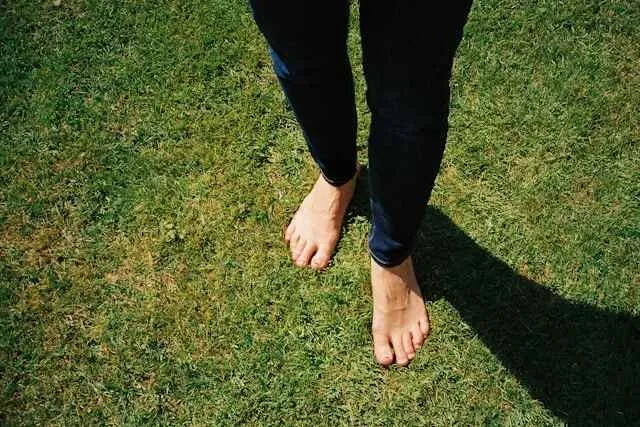
What Kind Of Socks Do You Wear In Barefoot Shoes?
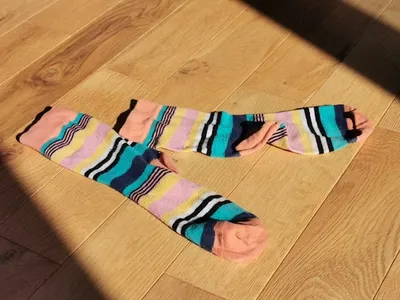
Socks that work well with barefoot shoes usually follow a few simple principles. They should allow the toes to spread naturally, stay thin enough to preserve space inside the shoe, and avoid tight compression that restricts movement.
Here are some other key sock features:
- Flat seams also make a difference: thick or raised seams can rub during longer walks, especially near the toes.
- Material choice is also important: lightweight synthetics dry quickly, while merino blends manage temperature well across different climates.
When people explore barefoot footwear seriously, they often discover that sock design influences comfort more than expected. Work with us to create custom commemorate socks and various other styles that can be personalized and ordered at competitive prices with generous bulk discounts.
Frequently Asked Questions About Do You Wear Socks With Barefoot Shoes
Do You Wear Socks With Barefoot Shoes?
Yes, many people do. Socks are optional with barefoot shoes. Some prefer the direct feel of going sockless, while others choose thin socks for comfort, moisture control, and longer wear.
Do Socks Reduce Ground Feel In Barefoot Shoes?
Slightly, but not as much as people expect. Very thin socks still allow most surface feedback while reducing friction and improving comfort during longer walks or runs.