How To Choose The Right Hat: That Looks And Feels Right
Finding a hat that suits you comes down to face shape, fit proportions, color, comfort, and personal style. In this guide, you will learn how to choose the right hat that feels comfortable, complements your features, and works naturally with clothes you already like wearing.


Key Takeaways
- Face shape can help guide your choice of crown height, brim width, and overall hat silhouette.
- A hat should feel comfortably snug without causing pressure or repeatedly slipping.
- Neutral colors are usually easier to combine with different outfits.
- Hair volume and hairstyle can change the way a hat sits and looks.
- Trying several styles is more useful than treating hat rules as strict requirements.
How To Choose The Right Hat
The right hat should fit your head comfortably, complement your face shape, and coordinate well with the clothes you wear daily. When deciding what hat you should wear, consider the following:
- Identify your face shape: Compare the proportions of your forehead, cheekbones, jaw, and overall face length
- Measure your head: A correct measurement helps you select a size that feels secure without creating unnecessary pressure
- Compare hat proportions: Look at the crown height, brim, width, and overall shape of the hat in relation to your face.
- Choose a useful color: Start with shades that work with clothing you already wear frequently
- Consider the occasion: Everyday casual wear may call for a baseball cap or bucket hat, while smarter clothing may work well with a flat cap or fedora.
- Check comfort: A good hat should always stay in place without squeezing your head or resting painfully against your ears.
- Consider your confidence: The answer to “what kind of hat should I wear” should include a style that you genuinely feel comfortable wearing.
To succeed in getting the right hat, you do not need good head shape to succeed with headwear. Minor adjustments to the crown, brim, or angle can often balance an awkward style. Experimenting with various hats to wear remains more effective than following rigid guidelines. Ultimately, your personal features, hairstyle, clothing, and individual preferences all define how a hat looks on you.
Make a strong impression with custom hats that reflect your style
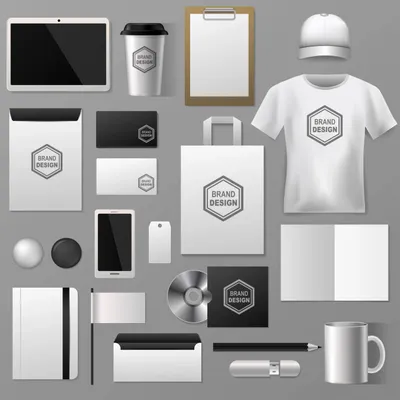
Found a hat style you like? Make it your own with your logo, artwork, or message. Explore custom hats for everyday outfits, team uniforms, and promotional giveaways.
Which Hat Best Suits Your Face Shape?
Hat proportions can change how the length, width, and angles of a face appear. A taller crown can create more vertical emphasis, while a wider brim can add horizontal width. Softer shapes may balance angular facial features, while more structured hats can add definition to softer features.
The following guide can help when searching for the best hat for my face shape:
| Face shape | Hat characteristics to consider |
|---|---|
| Oval | Most crown heights and brim widths can work, so focus on comfort and proportion |
| Round | Moderate or taller crowns, structured shapes, and angled brims can add definition |
| Square | Curved brims and softer crowns can balance stronger angles |
| Heart | Medium brims and balanced crowns can complement a wider forehead and narrower chin |
| Diamond | Medium brims and softer shapes can balance prominent cheekbones |
| Oblong | Lower crowns and medium or wider brims can create more horizontal balance |
Advice about hats for different face shapes should be treated as a starting point rather than a strict rule. Many faces combine features associated with several shapes. Hair, facial features, and wearing position can also change the overall appearance.
Which Hat Styles Look Best For Each Face Shape?
Angular, structured hats define rounder faces, while softer crowns and curved brims add contrast to stronger jawlines. Rather than relying on rigid rules, remember that proportions and personal preference are vital.
Oval faces can wear almost any style, but others need specific balance. For round faces, tall crowns work well, and those seeking hats for fat faces should try defined shapes. Square faces benefit from softer lines. If you are looking at hats for a heart-shaped face, experiment with angles for balance. For hats for a diamond face shape, focus on how the crown interacts with your cheekbones. Longer faces often suit lower crowns or wider brims for horizontal emphasis. When asking what type of hat should I wear, compare several styles. Browsing by shape helps identify what feels right for you.
How Do You Determine Your Face Shape?
Stand in front of a mirror or use a clear photograph taken directly from the front. Compare your forehead width, cheekbone width, jawline, and overall face length.
- Round faces usually have relatively similar width and length, with softer curves around the jaw.
- Oval faces are generally longer than they are wide and have fairly balanced proportions.
- Square faces often have similar widths through the forehead, cheekbones, and jaw, with a more angular jawline.
- Heart-shaped faces normally have a broader forehead and a narrower lower face and chin.
- Diamond faces often have prominent cheekbones with a narrower forehead and jaw.
- Oblong faces are noticeably longer than they are wide and may have relatively consistent width through the face.
If you cannot identify your shape visually, measure each area and compare the results. Your type of head or face does not need to fit perfectly into one category. Many people have characteristics of two or more shapes.
How Tight Should A Hat Fit?
A hat should feel secure and comfortably snug without leaving deep marks, causing noticeable pressure, slipping over the eyes, or resting painfully against the ears.
Different styles can feel different even when they fit correctly;
- Fitted caps should remain secure without squeezing the head.
- Adjustable hats should be tightened enough to stay stable while remaining comfortable.
- Beanies normally sit closer to the head because the material stretches.
- Bucket hats can have a slightly more relaxed fit while remaining stable.
- Structured dress hats should sit securely around the intended position without requiring constant adjustment.
When considering the best hat for head shape, sizing is just as important as shape. A secure fit should come from choosing the correct size rather than wearing an excessively tight hat simply because you are worried about it falling off.
How Can You Tell If A Hat Is Too Small Or Too Large?
The way a hat feels and moves can usually tell you whether the size needs adjustment.
| Too small | Too big |
|---|---|
| Creates uncomfortable forehead pressure | Slides toward the eyes |
| May contribute to discomfort or headaches | Spins around the head |
| Leaves deep marks | Moves during normal activity |
| Sits unusually high | Lifts easily in the wind |
| Feels difficult to position comfortably | Requires repeated adjustment |
A slightly snug hat fits better than a painful one. While some materials feel firm initially, never endure discomfort for security. Conversely, a hat that constantly slips or rotates is simply too loose; prioritize stable, comfortable sizing instead.
How Do You Measure Your Head For A Hat?
Measuring your head can reduce guesswork when learning how to choose a hat.
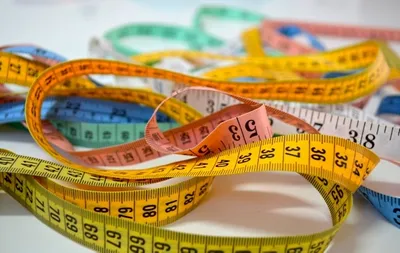
- Use a flexible measuring tape.
- Place it around the widest part of your head.
- Position the tape approximately above your eyebrows and ears, around the area where you expect the hat to sit.
- Keep the tape level and comfortably snug without pulling it tightly.
- Record the measurement in centimeters and inches.
- Compare the measurement with the size chart provided by the specific hat brand.
Size labeling varies by manufacturer, so do not assume uniform fits across brands. Hair volume significantly impacts internal space, so measure your head while wearing your typical hairstyle. For precise results, consult specific brand size charts or head measuring guides before purchasing your next hat.
Do Hats Loosen Over Time?
Some hats loosen slightly with regular wear. Natural materials like wool, cotton, leather, and felt gradually adapt to the wearer's head shape. In contrast, rigid or synthetic hats typically maintain their original size and shape over time.
Avoid buying a painfully tight hat expecting it to stretch significantly. For hats that feel slightly snug, consult a material-specific stretching guide to ensure any adjustments are made safely without damaging the construction.
Need custom caps for your next promotional giveaway or team event?
Bring your branding to a familiar everyday accessory with custom baseball caps. Add your design to create a coordinated look for staff, event participants, or customers.
Explore options for custom baseball caps hereWhat Hat Color Goes With Almost Everything?
Neutral colors are generally the easiest choices for people who want a hat that works across several outfits.
- Black pairs easily with casual clothing, streetwear, minimalist outfits, and many smarter combinations.
- Navy works naturally with denim, white, grey, beige, and many workwear colors.
- Charcoal offers a softer alternative to black while remaining versatile.
- Tan and beige work well with casual clothing, earth tones, and lighter summer outfits.
- Olive coordinates naturally with denim, beige, brown, black, and other muted colors.
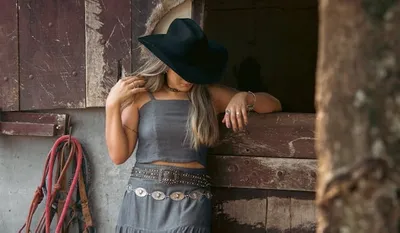
- Brown works well with classic, outdoorsy, western, and autumn-inspired clothes.
- Off-white can provide a lighter neutral choice for warm weather wardrobes.
The most useful neutral depends on what you already own. Someone who frequently wears navy, grey, and denim may find a navy hat more versatile than a tan one. You also do not need to match your hat exactly with your shoes, belt, shirt, or trousers. It can simply coordinate with one color already present in the outfit.
Complete your casual look with custom beanies
Prefer a simple hat that works with your everyday wardrobe? Customize beanies with your branding or artwork for a personal touch on casual outfits, team merchandise, or seasonal gifts.
How Do You Choose A Hat That Matches Your Style?
Select hats that fit your current wardrobe rather than building new outfits around an accessory. Casual styles pair well with beanies or baseball caps, while classic ensembles suit fedoras and structured designs. Sporty and outdoorsy looks often function best with performance caps or wide-brim hats.
Minimalist aesthetics thrive with simple silhouettes, whereas vintage pieces work with structured shapes. Western and streetwear looks offer variety, from cowboy hats to bold statement designs. Note that the same hat changes appearance based on your clothing volume, fabric, and overall silhouette.
When asking what hat would look good on me, choose an option that integrates with your daily routine. The best hats to wear are ultimately those you feel comfortable in and enjoy using consistently. Testing different designs can help provide perspective before finalizing your choice.
How Should You Wear Your Hair With A Hat?
Hair can be worn forward, tucked, or tied depending on the hat shape and your comfort. Short hair requires little adjustment, while long hair can remain loose or placed into a low ponytail. Curly or thick hair and protective styles often need extra crown room. Experimenting with hair positions is a key step when learning how to look good in hats.
Baseball caps should sit slightly above the ears, while beanies can provide more coverage. When deciding how to look good with a hat, ensure the fit is secure without creating pressure around the hairline. Shifting the angle or position of the brim can immediately change how the hat relates to your features and hairstyle.
When searching for hats for guys who don't look good in hats, the issue is usually proportions rather than the individual. Start with simple designs like flat caps or neutral beanies. Check your silhouette from multiple angles to ensure the crown height and brim width feel balanced with your overall look.
Assess the hat as part of your total outfit. This approach is better than repeatedly asking what hat looks good on me while ignoring factors like clothing, hairstyle, and fit. Small adjustments can create a balanced, natural look.
Why Does A Hat Look Unflattering?
Unflattering hats often result from poor fit, awkward proportions, or color mismatches. A hat that is too small might sit too high, while an oversized one may overwhelm your features. Similarly, incorrect brim width or crown height can disrupt facial balance, and strong color contrasts may clash with your daily outfits.
Your outfit’s proportions and hat positioning also matter. If a look feels off, try shifting the angle, moving it forward or backward, or balancing your silhouette by adjusting clothing volumes. Small refinements can often resolve issues of scale between your hat and attire.
Ultimately, understanding how to make a hat look good and how to look better in hats involves fine-tuning rather than assuming you cannot wear hats. Experimentation helps you find what works.
Looking for an affordable way to order custom hats?
Explore our baseball cap deal for your next group order. Add your logo or message to create matching caps for a business promotion, club, or upcoming event.
Get started with custom caps hereWhich Hat Styles Are Trending?
Current fashion trends highlight both familiar staples and material innovations. While baseball caps and structured headwear remain popular, designers are refreshing these with textures like wool and crochet. Western-inspired styles are also seeing a revival, blending traditional silhouettes with modern aesthetics to broaden headwear choices.
These emerging trends can introduce you to the best types of hats, yet they should not dictate your selection. Fashion movements often fail to account for your lifestyles, specific comfort preferences, or existing wardrobe.
Ultimately, when deciding what the best hat is, view these trends as creative inspiration. Prioritize fit, usefulness, and your own preferences over popularity, ensuring you select an option you will genuinely enjoy wearing regularly.
Frequently Asked Questions About How To Choose The Right Hat
How Do I Choose The Right Hat?
Start with your approximate face shape and an accurate head measurement, then compare crown heights, brim widths, colors, materials, and styles that work with your normal clothing. The hat should remain comfortably secure without creating painful pressure. Learning how to look good in a hat is mostly about finding proportions and styling that feel natural to you.
Is There A Hat That Looks Good On Every Face Shape?
There is no single hat that will look the same on every face because facial proportions, hairstyles, head measurements, clothing, and personal preferences vary. To find out which hat fits your face, compare several shapes, sizes, and wearing positions for different hats before deciding.