What Objects Do Magnets Stick To? Household Items, Surfaces, And Materials
Magnets have been a source of fascination for centuries, and their behavior continues to raise interesting questions like “what objects do magnets stick to?” The answer lies in the science of magnetic attraction, which depends on the materials involved.
In this guide, we delve into what materials magnets are attracted to to provide practical value and reveal a deeper appreciation for how magnetic forces work in everyday life.


Key Takeaways
- Only certain materials, known as ferromagnetic materials, are attracted to magnets. Common examples include iron, nickel, cobalt, and varieties of steel.
- Not all metals are magnetic. Aluminum, copper, and gold, for instance, are not - the magnetic response depends on the object’s composition and structure.
- In the home, magnets often stick to tools, appliances, and some cookware. Understanding what objects stick to magnets helps differentiate materials.
- We supply high-quality custom magnets with a variety of materials and personalization options that can stick to a variety of surfaces for different applications.
Table of contents
-
What Objects Do Magnets Stick To?
-
What Materials Are Attracted To Magnets?
-
What Kinds Of Things Are Attracted By Magnets?
-
What Material Do Magnets Not Stick To?
-
What Household Objects Stick To Magnets?
-
What Jewelry Will Not Stick To A Magnet?
-
Why Is My 14k Gold Sticking To A Magnet?
-
What Does It Mean When A Magnet Sticks To A Coin?
-
What Surfaces Will Magnets Stick To?
-
Can Nonmetals Be Magnetic?
-
Do Magnets Stick To Mirrors Or Electronic Devices?
What Objects Do Magnets Stick To?
When asking what objects magnets stick to, the answer depends on whether the object contains ferromagnetic materials. These materials have internal structures that allow magnetic domains to align with external magnetic fields - the most common examples are:
- Iron
- Nickel
- Cobalt
- Steel
This alignment creates attraction, allowing the magnet to cling. However, not all metals share this property. For example, aluminum and copper look metallic but aren’t magnetic because their atomic arrangements don’t allow magnetic domain formation.
Everyday items like refrigerator doors, screws, and hammers demonstrate what is attracted to magnets in practical ways. Conversely, objects like brass fixtures or stainless appliances may appear magnetic but aren’t always so.
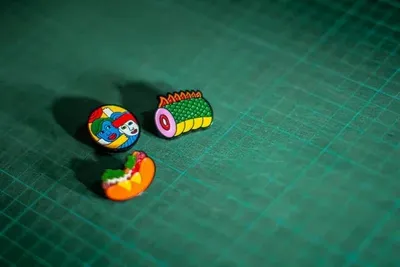
If you want to decorate or accessorize by sticking personalized items to your non-magnetic appliances, alternatives exist. Adhesive-backed custom printed patches, vinyl stickers, and button pins can all be used to achieve a similar result.
What Materials Are Attracted To Magnets?
To understand what materials are attracted to magnets, we must explore ferromagnetism. Studies have found that ferromagnetic materials exhibit spontaneous magnetization - they can be magnetized without an external magnetic field.
Ferromagnetic materials contain regions called magnetic domains - tiny areas where atoms align their magnetic fields in the same direction. When a magnet approaches, these domains line up, producing a strong attraction.
Common ferromagnetic metals include:
- Iron
- Nickel
- Cobalt
- Certain types of steel
These metals are the core of things that are attracted to magnets. In contrast, materials like aluminum, brass, and copper lack these aligned domains. With that being said, science tells us there are different types of magnetism, and most metals experience at least one of them.
Some alloys can display partial magnetic properties, depending on composition. Understanding these scientific distinctions helps explain what objects magnets stick to and why only certain materials demonstrate clear magnetic attraction.
|
Material |
Magnetic? |
Notes |
|
Iron |
Yes |
Strongly magnetic; one of the three naturally ferromagnetic metals. |
|
Nickel |
Yes |
Ferromagnetic; often used in alloys and coatings that attract magnets. |
|
Cobalt |
Yes |
Naturally magnetic; used in high-strength alloys and tools. |
|
Steel |
Yes |
Contains iron; magnetic unless blended with non-magnetic alloys. |
|
Stainless steel |
Sometimes |
Austenitic grades (304, 316) are non-magnetic; ferritic grades (400 series) are magnetic. |
|
Aluminum |
No |
Non-ferromagnetic; electrons don’t align with magnetic fields. |
|
Brass |
No |
Alloy of copper and zinc; neither component is magnetic. |
|
Gold |
No |
Pure gold is non-magnetic; any reaction means it’s mixed with magnetic metals. |
|
Silver |
No |
Non-magnetic precious metal; attraction suggests alloy impurities. |
Looking to add a custom design to a magnet?
Our custom circle magnets can stick to a range of metal objects to display your custom design in a compact form.
What Kinds Of Things Are Attracted By Magnets?
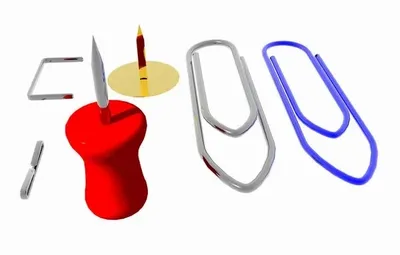
When identifying what kinds of things are attracted by magnets, think of items that incorporate ferromagnetic properties. These include various tools, screws, bolts, nails, paperclips, and even certain coins.
The ability to respond to magnets depends on the material blend and coating. Let’s look at some examples:
- A chrome-plated screw may look shiny but still attract magnets due to its steel core.
- Objects made of aluminum or copper will not respond at all.
Understanding what is attracted to magnets can help in various applications, from recycling metal waste to creating efficient storage.
If you are interested in creating custom solutions in 2026, you can buy high-quality, custom glass magnets and other varieties from our online store at excellent prices. Our magnets can be personalized in diverse ways, and you can choose from a range of materials and styles to get the solution you want.
What Material Do Magnets Not Stick To?
Magnets don’t adhere to non-ferromagnetic materials because they lack magnetic domains. When you ask what materials are attracted to magnets, it naturally leads to its opposite - the materials that repel or ignore them.
Scientists have studied magnetic attraction since as early as the 2nd century AD, and non-magnetic examples include:
- Wood
- Glass
- Plastic
- Rubber
- Ceramics
- Many stainless steel alloys
These materials have atomic structures that prevent electrons from aligning with magnetic fields, rendering them immune to attraction. That’s why magnets won’t stick to a wooden cabinet or a glass mirror. Even metals like copper, aluminum, and lead fall into the non-magnetic category.
Recognizing what objects magnets stick to versus those they don’t helps prevent damage when using magnets near delicate or nonmetallic surfaces. Custom magnets are among the most popular types of promotional products for business, but it helps to understand their applications.

Choose acrylic magnets for vibrant colors
Whether for branding or anything else, create custom acrylic magnets and enjoy a premium finish and diverse applications.
Learn moreWhat Household Objects Stick To Magnets?
Around the home, testing what things are attracted to magnets can be both educational and practical. Common examples include kitchen utensils, metallic frames, fridge doors, and some curtain rods.
Steel cookware and knife racks often attract magnets strongly because of their iron content. Magnets are also helpful for hanging notes or organizing metal tools in a garage or workspace - this is why they rank among the top types of promotional products with logos.
It’s important to note, however, that not every metallic-looking household object will respond to magnets. Stainless steel appliances, for example, often use non-magnetic grades because they offer excellent corrosion resistance.
Understanding what objects magnets stick to around your home helps you use them effectively for things like:
- Decor
- Organization
- DIY projects
Whether it’s for creating magnetic hooks, spice racks, or simple science demonstrations, get a strong understanding of magnetic attraction.
What Jewelry Will Not Stick To A Magnet?
People sometimes use magnets to test the authenticity of jewelry, which leads to questions about what is attracted to a magnet. Pure precious metals like gold, silver, platinum, and titanium are non-magnetic.
These metals lack the atomic structure that is needed to achieve ferromagnetic attraction. Recent scientific studies have found methods to generate magnetism in some non-magnetic metals, but this is unlikely to be applied to precious metals.
One thing that is important to note is that jewelry often contains alloys - combinations of metals that react differently. For example, a ring that is labeled as “gold” might attract a magnet slightly if the metal has been mixed with:
- Iron
- Nickel
- Cobalt
When wondering what materials are attracted to magnets, remember that true precious metals are not. This principle helps in verifying authenticity - if your “silver” chain sticks firmly to a magnet, it’s likely not pure silver but a metal blend with magnetic components.
Why Is My 14k Gold Sticking To A Magnet?
It is natural to be concerned if your 14K gold jewelry reacts to a magnet. When someone asks “what is attracted to magnets” in this context, the answer lies in alloy composition. Pure gold (24K) is non-magnetic, but 14K gold contains other metals for strength and color, such as:
- Nickel
- Iron
- Cobalt
These additions introduce magnetic responses. This doesn't necessarily mean your jewelry is fake; it is more likely to reflect the mixed metals used to craft durable pieces. Understanding what materials are attracted to magnets helps distinguish between counterfeit and legitimate alloys.
People want high quality and authenticity - this is important when considering how to choose the best promotional products for business or the right products to buy as a consumer. A light magnetic pull on 14K gold is common, but a strong one might indicate plating inconsistencies.
Seeking a custom-shaped magnet with versatile customization?
Choose our custom PVC magnets to create unique designs that are long lasting and versatile.
What Does It Mean When A Magnet Sticks To A Coin?
When a magnet sticks to a coin, it reveals clues about that coin’s composition. Many wonder about what objects magnets stick to when testing coins. Magnetic attraction occurs if a coin contains ferromagnetic metals like nickel or iron.
U.S. coins are mostly copper-based and thus lack magnetic attraction. In contrast, older or foreign coins may include small amounts of nickel, making them slightly responsive. This offers an explanation for why some coins stick while others do not.
When considering what is attracted to a magnet, it is important to remember that alloys and production changes vary by country and era. Magnetic testing provides a quick, non-destructive way to identify counterfeit or collectible coins.
Whether you do this with a custom paper magnet or some other kind, make sure the magnet has a strong pull to get reliable results.
What Surfaces Will Magnets Stick To?
Magnets tend to adhere best to flat, metallic surfaces made from ferromagnetic materials. Examples of this include iron gates, filing cabinets, and steel doors. The smoother and thicker the metal, the stronger the attraction.
When you delve into what materials are attracted to magnets, you are likely investigating practical surfaces for mounting or organization. In these instances, it’s important to note that coatings like paint or laminate can weaken magnetic force by adding distance between the magnet and metal.
Nonetheless, the best adhesion points include surfaces made of magnetic steel, such as:
- Refrigerators
- Whiteboards
- Shelving
Understanding what objects magnets stick to allows for smarter use of magnetic organizers, wall mounts, or decorative displays at home and in workplaces. If you lack a suitable magnetic surface, consider alternatives like custom shape stickers for the same purpose.
Why won’t my magnet stick?
Choose a design with extra functionality
Our custom message board magnets add convenience with weekly planner designs and more for diverse applications.
Get startedCan Nonmetals Be Magnetic?
In the vast majority of cases, non-metals do not attract magnets. If you are investigating the kinds of things that are attracted by magnets, the answer to your question will almost always be metallic, since non-metals like wood and plastic lack free electrons and magnetic domains.
However, there are some rare exceptions in the form of advanced materials. Certain carbon forms, such as graphene, exhibit weak magnetic properties under specific conditions. These synthetic magnetisms are of interest in fields like:
- Nanotechnology
- Electronics
Still, for everyday use, non-metals remain outside the range of things that are attracted to magnets. The science shows that magnetic materials have this property due to the motion of electrons inside atoms, and this simply isn’t present in non-metals.
The absence of magnetism in non-metals ensures they are safe for magnetic applications near sensitive materials or electronic devices.

Do Magnets Stick To Mirrors Or Electronic Devices?
A frequent question that relates to the objects that stick to magnets involves mirrors and electronics. Mirrors, typically backed by glass or aluminum, are not magnetic. Magnets will not adhere because these materials lack magnetic domains.
In the case of electronic devices, it is possible that magnets may cause interference for things like:
- Phones
- Tablets
- Computers
Their magnetic fields may disrupt internal components like speakers, hard drives, and sensors. While the metal casing might seem like something that would be attracted to a magnet, it’s often aluminum, which is non-magnetic.
For safety, we recommend that you avoid placing your custom die-cut magnets and other strong magnets near electronics. Understanding what materials are attracted to magnets ensures you can safely enjoy magnetic convenience without risking device performance or data loss.
Frequently Asked Questions About What Objects Do Magnets Stick To
What Objects Do Magnets Stick To Easily?
Magnets stick to iron, nickel, cobalt, and steel objects such as tools, appliances, and metal frames. These materials have magnetic domains that align with the magnet’s field.
Will Real Gold Stick To A Magnet?
No. Real gold is non-magnetic and will not respond to a magnet. If gold jewelry is attracted to a magnet, it likely contains other metals mixed into the alloy, usually to add durability.