How To Wear A Backpack? Posture, Comfort, Safety, Proper Fit, And Style
Wearing a backpack seems intuitive, yet small mistakes in how we carry one can lead to long-term discomfort. Over time, we have seen how posture, strap adjustment, and load placement can directly affect daily comfort and even spinal health.
In this guide, we look at how wearing a backpack properly should feel like an extension of the body. Proper alignment and weight distribution will help avoid strain. Though style is important, this article focuses more on biomechanics, awareness, and consistency in everyday habits.

Key Takeaways
- Proper backpack positioning improves posture, balance, and long-term comfort during daily wear.
- Using both straps and adjusting them correctly prevents uneven strain on shoulders and spine.
- Small adjustments and habits make a significant difference in preventing discomfort and fatigue.
- We supply high-quality custom backpacks for brands and individuals who want to personalize their packs and enjoy a range of comfort and convenience features.
Table of contents
-
How To Wear A Backpack?
-
What Is The Best Position For A Backpack On Your Body?
-
When Should You Wear A Backpack In Front Instead Of On Your Back?
-
How Can You Wear A Backpack Fashionably Without Hurting Your Back?
-
How Do You Correctly Fit A Backpack To Your Body?
-
How Do You Test And Confirm Proper Backpack Fit?
-
How Should You Adjust Backpack Straps For Proper Load Distribution?
-
How Can You Maintain Good Posture While Wearing A Backpack?
-
How Can You Prevent Pain While Wearing A Backpack?
-
Why Is Backpack Safety Important For Students And Daily Users?
How To Wear A Backpack?
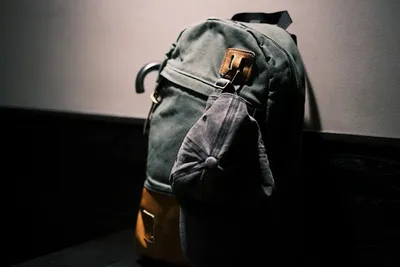
The proper way to wear a backpack begins with understanding how the bag interacts with the body. Backpack position, strap tension, and body alignment work together to determine comfort. When weight is distributed evenly across both shoulders, the spine remains more neutral and stable.
Poor habits can shift the stress onto muscles that aren’t designed to carry it, so try to avoid things like:
- Wearing only one strap
- Letting the bag hang too low
Many people underestimate how quickly these bad habits add up. We have found that backpacks worn close to the back reduce unnecessary pulling and muscle fatigue. Wearing a backpack properly requires intention, not force.
In 2026, simply tightening straps and centering the load with things like custom Thule Achiever 15 computer backpacks can dramatically improve balance and reduce strain throughout the day.
What Is The Proper Way To Wear A Backpack For Everyday Use?
For everyday use, wearing a backpack should follow a simple, repeatable process. First, lift the backpack using both hands to avoid twisting the body. This will help prevent any undue strain from the outset.
From here:
- Position it high on the back, then slip both arms through the straps.
- Tighten the straps gradually until the bag rests snugly without restricting movement.
- Both straps matter because symmetry keeps the spine aligned and prevents one shoulder from compensating.
Over time, daily habits like adjusting straps while walking or ignoring imbalance can affect comfort. We have noticed that people who take a moment to balance their load experience fewer aches later in the day.
A look through when backpacks were invented and their evolution shows that more and more features have been added to improve comfort. Consistency, rather than perfection, is what protects the body over time.
|
Use case |
Typical load |
Ideal bag position |
Must-use straps |
Common mistake to avoid |
|
School |
Medium-heavy |
Bottom near top of hips |
Both shoulder straps |
Wearing low for “style” |
|
Office commute |
Medium |
High + snug |
Shoulder + sternum if available |
Laptop far from spine |
|
Travel daypack |
Light-medium |
High & close |
Both straps |
Overpacking “just in case” |
|
Hiking |
Medium-heavy |
Weight partly on hips |
Hip belt + sternum |
Tightening shoulders only |
What Is The Best Position For A Backpack On Your Body?
Backpack placement matters more than most people realize, often outweighing brand or size considerations. Ideally, the backpack should sit centered on the back, close to the body’s natural center of gravity.
This position reduces backward pull and helps maintain upright posture. The top of the backpack should align roughly with the shoulders, not sag toward the lower back. Stability is influenced by various factors, including:
- Height
- Tightness
- Width
In our experience, backpacks worn too low increase strain on the lower spine and shoulders. A well-positioned backpack feels balanced and controlled, even when fully loaded. Proper placement turns the backpack into a supportive tool rather than a physical distraction.
You can work with us to create custom High Sierra tactical 15 computer backpacks and many other varieties with different functional and ergonomic features. Find the right match for your needs and customize to your preferences at an affordable price.
Where Should A Backpack Sit On Your Hips?
Hip placement plays an important role in how comfortable a backpack feels, especially as weight increases. When the backpack sits too low, it pulls backward and strains the lower back. Too high, and it overloads the shoulders.
- For casual, lightweight backpacks, the bag typically rests slightly above the hips, relying mostly on the shoulders for support.
- Heavier backpacks, however, should sit so part of the load transfers toward the hips, which are structurally better suited to carry weight.
We have found that a balanced position, where the bottom of the backpack aligns near the top of the hips, provides the best compromise. Comfort during longer wear often depends on this subtle adjustment more than people expect.
A 2021 study investigated how different backpack carrying methods affect posture and comfort, ultimately recommending balanced two-strap use and load limits for comfort and reduced strain.
Looking for a bag that offers all-day comfort?
Create your own custom Bellroy Via 16 computer backpack and enjoy laptop storage and front panel access with a stylish, personalized look.
When Should You Wear A Backpack In Front Instead Of On Your Back?
Wearing a backpack in front can be practical in specific situations, even though it is not ideal for long periods. In crowded spaces such as public transportation or busy events, front wearing improves security and prevents accidental bumping.
It also offers quick access to essentials without removing the backpack. Some people prefer wearing a backpack in front when navigating tight spaces or protecting fragile items. It is also worth noting that, if you learn how to apply a patch on a backpack, it can be a great way to make your patch more visible.
However, this position can cause fatigue over time, because it:
- Alters posture
- Shifts weight forward
We recommend using this method temporarily rather than as a daily habit. Understanding when to switch positions helps balance safety, convenience, and comfort.
How Can You Wear A Backpack Fashionably Without Hurting Your Back?
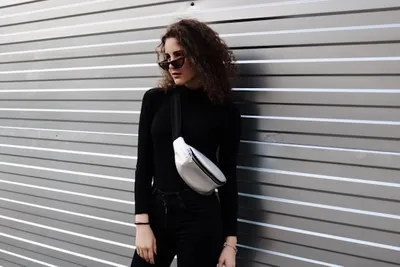
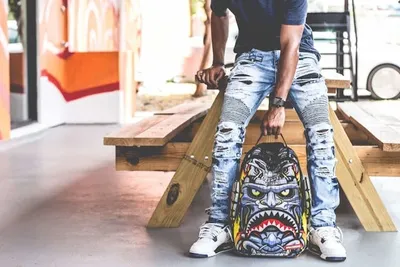
Balancing style and function is possible when wearing a backpack, but it requires thoughtful choices. Fashion-driven habits, such as wearing a backpack low or slung over one shoulder, often compromise posture.
Instead, selecting a streamlined design that sits close to the body allows for both comfort and appearance. Many people make their backpack look intentional rather than bulky by choosing:
- Neutral colors
- Clean silhouettes
We have observed that properly adjusted backpacks often look better because they maintain shape and structure. Wearing a backpack properly does not limit personal style; it enhances it by avoiding awkward proportions.
Smart styling respects both aesthetics and physical well-being without sacrificing either. Adhere to guidance on protecting your posture and spine health and you will find there are still many ways to make a backpack look stylish.
Enjoy a backpack that offers maximum convenience
Work with us to create a custom High Sierra Swerve 17 computer backpack with multiple zippered pockets and ergonomic features at a great price.
Learn moreHow Do You Correctly Fit A Backpack To Your Body?
Correct fit goes beyond choosing a backpack labeled as small, medium, or large. Fit depends on torso length, shoulder width, and how straps align with the body. A properly fitted backpack allows the shoulder straps to sit comfortably without digging in or slipping.
In an ergonomic study from 2022, researchers found that backpack design features can significantly influence posture, head and neck angles, and comfort. The back panel should rest evenly against the spine, avoiding pressure points.
We often see discomfort arise when people assume one size fits all. Fit differs from person to person, even among people of similar height. Taking time to assess how the backpack sits on your specific frame ensures better support and a more natural wearing experience.
How Do You Test And Confirm Proper Backpack Fit?
Testing backpack fit should involve movement, not just standing still. After adjusting the straps, walk around, bend slightly, and turn your shoulders to observe how the backpack responds. A properly fitted backpack stays stable without shifting excessively.
Pressure should feel evenly distributed rather than concentrated in one area. We recommend reassessing fit whenever load weight changes, as even small differences affect balance. You will empty your back when you put a nylon duffle backpack in the washer, so the load will inevitably change once you refill it.
In our experience, people often overlook this step and assume initial comfort will last. Regular testing helps catch small issues early, preventing discomfort from becoming a daily problem. Fit is not static; it evolves with use and habits.

Why Should You Walk Around To Test Backpack Fit?
Walking around is essential because movement exposes issues that standing still cannot. Research from 2003 found that different methods of carrying a backpack affected gait mechanics in children, so comfort and posture are different when walking.
As you walk, subtle shifts in weight distribution become noticeable, revealing pressure points along the shoulders or lower back. A backpack that feels fine when stationary may experience different issues when you move, such as:
- Bouncing
- Pulling
- Tilting
We have seen many people overlook this step, only to experience discomfort later in the day. Walking also provides balance feedback, showing whether the backpack stays centered or drifts to one side.
Static fitting creates a false sense of comfort, while motion reflects real use. Testing fit through movement ensures the backpack supports your body naturally rather than working against it during daily activity.
In search of an ethical and stylish backpack?
The custom Thule Recycled Lumion 16 computer backpack 21L is made from recycled polyester and includes convenient and ergonomic features.
How Should You Adjust Backpack Straps For Proper Load Distribution?
Strap adjustment should follow a clear order to ensure proper load distribution. Begin with loosening all straps, then place the backpack on your back before tightening evenly. Shoulder straps should feel snug but not restrictive, allowing natural arm movement.
If present, chest and waist straps help stabilize the load and reduce shoulder strain. We often notice discomfort caused by over-tightening shoulder straps while neglecting other supports. Load-bearing works best when weight is shared across the:
- Shoulders
- Back
- Hips
Proper adjustment reduces pressure points and improves balance. Whether you are carrying books, hiking supplies, or even just a custom PVC flying disc 9.25 inch, taking a few moments to adjust straps correctly can significantly improve comfort throughout the day.
How Can You Maintain Good Posture While Wearing A Backpack?
Good posture starts with natural alignment, even before putting on a backpack. Stand upright, engage your core lightly, and avoid leaning forward to counterbalance weight. Researchers have found that asymmetrical load positions can exaggerate posture deviations, reinforcing the need to wear both straps for ergonomic alignment.
A well-fitted backpack should support this posture rather than force adjustments. We have found that certain daily habits often worsen backpack-related strain, with the most common culprit being hunching while walking or sitting.
Here are some tips to maintain good posture:
- Keep the backpack close to the body to encourage upright movement and reduce fatigue.
- Good posture also supports breathing efficiency and energy levels.
Over time, maintaining proper alignment while wearing a backpack contributes to overall comfort and reduces the risk of chronic discomfort during daily routines.
Enjoy a balance of style and performance
Use our service to create your own custom Topo Designs recycled Y pack 15 laptop backpack for a versatile and spacious pack to hold your essentials.
Get startedHow Can You Prevent Pain While Wearing A Backpack?
Pain prevention begins with understanding common causes, including uneven loads, poor fit, and excessive weight. Adjusting straps early and often helps avoid strain before it becomes noticeable.
We recommend adopting a preventative mindset rather than waiting for discomfort to appear. Small corrections can make a meaningful difference, so think about steps like:
- Redistributing contents
- Tightening straps
Ignoring early warning signs often leads to persistent pain. Regularly checking fit and load keeps the backpack working with your body instead of against it. Experts have assessed how different loads influence walking patterns and posture in children, finding that optimal load in a backpack is key to comfort.
Prevention relies on awareness, consistency, and willingness to adjust habits before discomfort becomes routine or severe.

Why Is Backpack Safety Important For Students And Daily Users?
Backpack safety matters because repeated strain can lead to long-term health issues, especially for students and daily users. Developing awareness early helps prevent poor habits from becoming permanent.
Many people underestimate how daily carrying affects posture and spinal health over time. Supporting the weight of your custom Naples Two-Tone journal, laptop, and other things can take a toll on your back.
We have observed that education around proper wearing is often minimal, despite frequent use. Encouraging safe habits builds confidence and comfort, particularly for younger users. Forming good routines early supports physical well-being into adulthood.
Backpack safety is not about restriction; it is about empowering users to carry what they need without compromising long-term comfort or health. This way, you can be confident that your custom JanSport Big student 15 computer backpack will not harm your spine in the long-term.
Frequently Asked Questions About How To Wear A Backpack
How To Wear A Backpack Correctly For Daily Comfort?
Wear both straps, adjust them evenly, and keep the backpack close to your back to maintain balance and reduce strain.
Where Should A Backpack Sit On Your Back?
A backpack should sit high enough to avoid pulling backward, with the bottom resting near the upper hips for balanced support.