How To Wash Kitchen Towels: So They Stay Fresh And Clean
Kitchen towels collect moisture, grease, crumbs, and food residue. Knowing how to clean kitchen towels helps prevent odors, protect absorbency, and reduce cross-contamination. A good routine includes sorting, stain treatment, proper detergent use, washing at a suitable water temperature, and complete drying.

Key Takeaways
- Wash kitchen towels separately from clothing and personal laundry when possible.
- Remove crumbs and treat grease or food stains before washing.
- Use warm or hot water when the care label permits it.
- Remove towels that touch raw meat or its juices from use immediately.
- Avoid fabric softener when absorbency is important.
Table of contents
-
How To Wash Kitchen Towels
-
Can You Put Kitchen Towels In The Washing Machine?
-
Should You Wash Dish Towels Separately?
-
What Is The Best Way To Wash New Kitchen Towels?
-
How Can You Remove Odors And Stains From Kitchen Towels?
-
How Do You Get Stains Out Of Kitchen Towels?
-
How Often Should You Wash Kitchen Towels?
-
How Should You Dry Kitchen Towels After Washing?
How To Wash Kitchen Towels
The best approach for how to wash a kitchen towel involves washing them separately with detergent, choosing warm or hot water if the fabric permits, rinsing thoroughly, and drying them completely
You should treat visible stains before washing and allow space in the machine for the towels to move. Kitchen towels gather grease, moisture, and food residue. The appropriate cleaning method depends on the towel material, the stains, the odors, and the contact levels with food.
Cotton towels generally tolerate stronger washes, unlike decorative towels or microfiber fabrics. Always check the care label before using hot water or high dryer heat. Following the precautions below preserves the towel integrity, ensures proper hygiene, and keeps your kitchen linens fresh and safe.
- Separate kitchen towels from clothes and personal towels.
- Shake crumbs and loose food into a waste container.
- Rinse away fresh food residue when appropriate.
- Apply a suitable treatment to stains.
- Add detergent according to its instructions.
- Select the warmest safe temperature.
- Use a complete wash and rinse cycle.
- Inspect the towels before drying them.
- Dry every towel completely.
Food safety practices are also important. Towels that contain raw meat, poultry, seafood, or their juices should be removed from use and kept away from clean dishes until washed.
Can You Put Kitchen Towels In The Washing Machine?
Most kitchen towels can go in a washing machine when their care label permits machine washing. Basic cotton dish towels are normally durable enough for a regular or heavy cycle. Decorative towels and specialty fabrics may require cool water and a gentle setting.
Below is a list of how to wash kitchen towels in the washing machine safely:
- Sort the towels by color, material, and care level.
- Shake away crumbs and remove solid food.
- Pre-treat visible grease, sauce, coffee, or tea stains.
- Place the towels loosely in the machine.
- Add the recommended amount of detergent.
- Select a suitable temperature and cycle.
- Run a complete wash and rinse.
- Check whether stains remain.
- Dry the towels fully.
Wash greasy towels separately to prevent transferring odors and food residues to other fabrics. Ensure the machine is not overcrowded, allowing water and detergent to clean the towels thoroughly. Use a moderate amount of detergent, as excess residue reduces absorbency. Always avoid fabric softeners, which coat fibers and hinder drying performance.
Make a strong impression with custom kitchen hand towels
Work with us to create high-quality custom kitchen hand towels featuring your logo, artwork, or unique branding. These practical towels help businesses maintain a polished kitchen environment while keeping their branding visible during everyday use.
Should You Wash Dish Towels Separately?
Washing dish towels separately is crucial for hygiene. These items collect grease and food residues that can easily transfer to other fabrics. A separate load allows you to select the correct wash cycle for specific dirt levels, ensuring your linens are sanitized and free from contaminants.
When people ask if they can wash kitchen towels with bath towels, the answer is usually no. It is better to avoid mixing. Bath towels hold body oils, while kitchen linens have harmful bacteria. Keeping them separated prevents cross-contamination. The table below shows what you can wash kitchen towels with.
| Laundry Item | Washing recommendation |
|---|---|
| Other kitchen towels | Usually suitable |
| Washable dishcloths | Suitable when equally dirty |
| Cloth napkins | Suitable when washing requirements match |
| Oven mitts | Suitable when care labels allow |
| Regular clothes | Best kept separate |
| Bath towels | Best kept separate |
| Bedding | Avoid mixing |
| Delicate garments | Avoid mixing |
Combining loads can save time, but it should not prevent proper cleaning. Wait until there are enough compatible kitchen linens for a small load, and do not pack the drum tightly because towels need room to move through the wash water.
Need custom personalized kitchen towels for your next giveaway or project?
Turn an everyday kitchen essential into a memorable branded product. Add names, logos, messages, or custom artwork to kitchen towels for restaurant promotions, culinary events, customer gifts, or household use.
Explore personalized kitchen towel options here:What Is The Best Way To Wash New Kitchen Towels?
New kitchen towels should usually be washed before they are first used. Washing can remove loose lint, packaging dust, excess dye, and manufacturing residue. It may also improve absorbency when a new towel feels stiff or pushes water around instead of absorbing. Below is a checklist of things you should do before you start using a new kitchen towel:
- Read the care label.
- Separate light and dark colors.
- Wash towels separately if dye transfer is possible.
- Use a suitable amount of mild detergent.
- Avoid fabric softener.
- Rinse the towel thoroughly.
- Dry them completely using the recommended settings.
Brightly colored towels often bleed dye during initial washes, so laundering similar colors together minimizes the risk of staining other items. Decorative towels frequently require cool water, gentle cycles, or air drying, as hot water or intense heat can cause shrinkage, color fading, or damage to delicate embellishments.
What Is The Best Water Temperature For Washing Kitchen Towels?
Hot water can help clean heavily soiled cotton towels and manage persistent odors when the care labels permit it. Warm water works well for many ordinary loads. Cool water can protect dark colors, delicate materials, and lightly used towels. In the table below, we will be comparing towel situations with the suggested water temperature.
|
Towel situation |
Suggested water temperature |
|
Sturdy white cotton with heavy soil |
Hot if permitted |
|
Greasy cotton towels |
Warm or hot if permitted |
|
Lightly used towels |
Cool or warm |
|
Dark or bright colors |
Cool or warm |
|
Decorative towels |
Cool or label recommendation |
|
Microfiber towels |
Follow the care label |
|
Towels likely to shrink |
Cool or warm |
Hot water is not required for every load. Detergent, washing action, rinsing, and complete drying all contribute to effective cleaning. Excessively hot water can shrink cotton, fade colors, or weaken certain fibers.
How Can You Remove Odors And Stains From Kitchen Towels?
Deep cleaning may be needed when towels retain a sour odor, feel greasy, show visible stains, absorb poorly, or smell unpleasant shortly after washing. If you want to know how to deep clean kitchen towels, start by identifying the fabric and checking which treatments it can tolerate.
- Shake away crumbs and solid residue.
- Pre-soak the towels with a suitable laundry product.
- Apply stain treatment to marked areas.
- Wash with detergent at the warmest safe temperature.
- Add an approved laundry booster if needed.
- Rinse thoroughly to remove residue.
- Inspect the towels before drying.
- Repeat the treatment when necessary.
- Dry the towels completely.
Inspect towels for remaining stains before drying because heat sets them permanently. If odors persist, investigate potential causes like damp storage, overcrowding your machine, using too much detergent, or failing to dry items thoroughly. For advanced cleaning strategies or specific stain removal techniques, refer to professional laundry care resources.
Can You Use Vinegar Or Baking Soda On Kitchen Towels?
White vinegar and baking soda help manage mild odors or detergent buildup, but they cannot replace a standard wash cycle. These additions are ineffective against heavy grease, severe stains, or hazardous food contamination. Always verify towel care labels and appliance instructions before adding items to your laundry.
Never combine vinegar with chlorine bleach, as this mixture creates dangerous fumes. Avoid mixing household chemicals unless the packaging explicitly confirms that doing so is safe.
When Should You Use Bleach Or Oxygen Bleach On Kitchen Towels?
Chlorine bleach is suitable for some white cotton towels if labels permit it. While it whitens and disinfects, it can damage colored items, weaken fibers, or harm delicate details.
Oxygen bleach offers a gentler alternative for lifting stains from washable colored items. Because color-safe products are not suitable for every fabric, always test a hidden area first. Choose products based on their specific purpose, such as disinfecting, whitening, or stain removal.
Always follow instructions regarding measurement, dilution, and ventilation. Never mix bleach with vinegar, ammonia, or other chemicals, as dangerous fumes may result.
Can You Boil Kitchen Towels To Clean Them?
Boiling may occasionally help remove serious odors or buildup from sturdy, plain cotton dishcloths. It is not necessary for routine washing. It is unsuitable for microfiber, delicate fabrics, dyed materials, synthetic towels, and decorative towels.
- Confirm that the towel is sturdy, plain cotton.
- Use a large pot with enough water to cover the towels.
- Add the towels carefully without overfilling the pot.
- Keep the water at a controlled simmer.
- Stay nearby throughout the process.
- Turn off the heat.
- Remove the towels carefully with tongs.
- Allow them to cool before handling.
- Rinse and wash them with detergent.
- Dry them completely.
Boiling involves very hot water and steam, so careful handling is necessary. Stop if the care label warns against high temperatures. Machine washing is safer and sufficient for most kitchen towels.
Customize linen towels with branded designs and make an impression
Create lightweight custom linen towels that combine attractive designs with practical everyday use. Choose personalized details that complement kitchens, hospitality spaces, gift sets, food businesses, or branded promotional campaigns.
How Do You Get Stains Out Of Kitchen Towels?
Learning how to get stains out of kitchen towels starts with prompt treatment. Blot or rinse a fresh stain, apply a suitable product, and wash the towel before the mark dries. Check the stain before machine drying because heat can set some stains.
| Stain type | Best first treatment |
|---|---|
| Grease or cooking oil | Apply liquid detergent |
| Tomato sauce | Rinse from the back with cool water |
| Coffee or tea | Rinse promptly and pretreat. |
| Food coloring | Use a color-safe stain remover |
| Butter or sauce | Remove excess material and apply detergent |
| Fruit juice | Rinse with cool water |
| Dried food | Soak before washing |
When learning how to clean stained kitchen towels, avoid scrubbing that could damage fibers. Instead, work from the outside in. Follow stain remover instructions carefully, testing on colored fabrics first. While old stains may not vanish entirely, the towel is likely clean, though heavily stained ones should be retired.
Looking for an affordable solution for custom logo towels?
Use our online customization service to create professional towels displaying your company logo or promotional message. Custom logo towels offer a functional way to increase brand visibility in kitchens, restaurants, hospitality venues, and customer gift packages.
Get started with custom logo towels here:How Often Should You Wash Kitchen Towels?
Washing frequency depends on towel use, moisture, and food contact. Heavily used towels may need daily washing. A lightly used towel reserved for drying clean dishes may remain usable longer when it stays clean and dries completely between uses.
- Wash daily when a towel is repeatedly used for hands, counters, or general kitchen work.
- Wash after one use when a towel cleans a greasy or heavily soiled spill.
- Remove it immediately after contact with raw meat, poultry, seafood, or their juices.
- Wash promptly when a towel smells sour or feels greasy.
- Replace a damp towel when it cannot dry properly between uses.
- Use separate towels for hands, dishes, and cleaning when practical.
What Should You Do With Kitchen Towels That Touch Raw Meat?
Immediately remove towels that touch raw meat, poultry, or seafood. Keep them separate from clean items to prevent cross-contamination. Using paper towels for these spills simplifies cleanup and maintains safety. For reusable towels, wash them thoroughly at the warmest safe temperature and dry them completely to keep your kitchen routine clean, efficient, and simple.
When Should You Use Paper Towels Instead Of Dish Towels?
Use paper towels for raw meat juices, greasy spills, or pet messes that require immediate disposal. This prevents soiled clothes from contaminating your regular kitchen laundry pile.
Choose reusable towels for drying dishes or hands and handling light water spills. Select disposable options for high-risk cleaning, while reserving durable towels for safer, daily tasks.
How Do You Know When To Replace Dish Towels?
You should replace a dish towel when it stays smelly despite proper washing, becomes frayed or thin, develops holes, or loses its absorbency. Also, discard it if persistent stains make it unsuitable for food preparation. Frequent washing cleans ordinary soil, but replacement is required when buildup or physical damage occurs. Repurpose old towels as cleaning rags, but store them separately from your clean kitchen linens to maintain hygiene and order.
How Should You Dry Kitchen Towels After Washing?
Kitchen towels should be dried completely before they are folded or stored. Remaining moisture can cause musty odors and reduce the benefit of a thorough wash.
- Shake towels before drying to separate the fabric.
- Avoid overcrowding the dryer.
- Use a heat setting permitted by the care label.
- Check thick seams and edges for moisture.
- Remove towels promptly after the cycle.
- Never fold or stack damp towels.
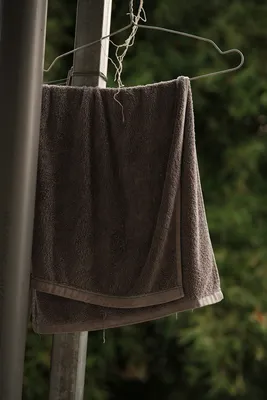
If a dryer is unavailable, hang towels separately on a rack or line for airflow. Sunlight aids drying but can fade fabrics. In small homes, use folding racks or ventilated areas. Avoid drying near grease sources or stacking wet towels, as this prevents thorough drying and promotes unwanted musty odors.
Where Should You Keep Kitchen Towels When There Is No Room By The Sink?
In small kitchens, utilize cabinet door hooks, magnetic bars, or over-door racks to store towels. Keep clean towels in an accessible, dry spot. Always allow damp towels to air dry thoroughly before placing them in laundry containers, avoiding closed drawers or cupboards where moisture causes odors.
Ensure towel storage remains far from the floor, waste bins, stoves, and raw food areas. Proper placement protects hygiene, prevents cross-contamination, and maintains an organized, efficient kitchen environment.
Frequently Asked Questions About How To Wash Kitchen Towels
How Often Should You Wash Kitchen Towels?
Wash heavily used kitchen towels daily. Always clean towels immediately after touching raw meat, pet messes, or greasy spills. Towels used solely for drying clean dishes may last longer if they remain clean and dry completely between every single use.
Can Dish Towels Be Washed With Regular Clothes?
Wash dish towels separately to avoid cross-contamination from food residue, grease, and odors. You may wash them with compatible kitchen linens using matching cycles and temperatures. Please keep them away from delicate clothing, bedding, and heavily soiled items during laundry.