How To Keep Pins From Falling Off: And Protect Your Favorite Pins
Pins detach when backings fail, fabric is thin, or items endure constant movement. This guide explains how to keep pins from falling off backpacks, bags, jackets, and clothing. By using better hardware, selecting strategic positions, and performing regular security checks, you can effectively protect your accessories.


Key Takeaways
- Use secure pin backs for pins worn on bags, backpacks, jackets, or uniforms.
- Choose locking backs when you want a more secure pin for daily movement.
- Avoid loose fabric, straps, edges, and high-friction areas.
- Check backs often, especially after travel or heavy use.
- Use stronger backs for valuable pins instead of replacing lost ones.
How To Keep Pins From Falling Off For Good
Learning how to prevent pins from falling off starts with understanding the mechanics of how they loosen during daily wear. Every enamel pin, lapel pin, or badge stays attached to your clothing using a post and backing mechanism. When the backing material eventually loses its grip, the pin can easily slide, spin, or completely fall off the fabric, causing you to lose your favorite accessories permanently.
Common causes for pin failure include weak clutches, soft rubber backings, thin fabric, bent posts, and repeated movements. A display pin rarely faces pressure, but a backpack pin rubs against doors, clothing, car seats, and other surfaces all day. The best security measures to take depend on your activity level and the specific enamel pin backing used. For daily rugged use, pin locks for enamel pins are superior; for lighter, gentler use, standard clutches often work well.
Below are the most reliable ways to keep pins from falling off;
- Use locking backs for backpacks, jackets, and travel bags
- Replace loose clutches before they fall off
- Choose two-post pins for larger designs
- Place pins on firm fabric that doesn’t stretch easily
- Avoid putting pins near straps, zippers, folds, or edges
- Check the back after washing, travel, or heavy movement
- Use adhesives only when you want a semi-permanent hold.
Why Does My Pin Keep Falling Off So Easily?
Pins typically fall off when backings fail to grip the post securely due to worn clutches, bent posts, or overly thin and stretched fabric. Items like backpacks are usually used on the go; this exerts more pressure on the backpacks than on items that are static. Lanyards or hats can twist posts, gradually loosening the back until the pin slips away and leaves the accessories vulnerable to loss.
Hardware also degrades with regular wear. Over time, a rubber pin back can stretch and lose clamping strength. You should regularly inspect pins for wear and replace the aging ones.
When trying to find the problems, check three things:
- The pin back: Remove it and see whether it slides too easily
- The pin post: Look for bends, looseness, or damage
- The fabric: Check whether the material is thin, loose, or stretched
What Is The Best Way To Secure Pins So They Stay On?
The best way to secure pins is to assess your risk level. For everyday wear, locking backs provide reliable holds, while rubber backs offer comfort for display. If wearing heavy pins, use double posts or clutches to balance the weight and prevent shifting. Locking backs are the superior choice for valuable or sentimental items you wear outside, as they withstand movement better than standard options.
Safety backs work well for clothing, while adhesive support is reserved for long-term display. Always use removable backings if you plan to rotate your collection. If a pin is precious, prioritize security before wearing it frequently. This strategy provides the clearest answer to the questions on how to make sure pins don't fall off and how to make sure pins don't fall off backpacks when you are on the go.
Make a strong impression with custom lapel pins
Work with us to create high-quality custom lapel pins with your unique branding, durable finishes, and secure attachment options that help your designs stand out on bags, jackets, uniforms, and event apparel.
How To Keep Pins From Falling Off A Backpack
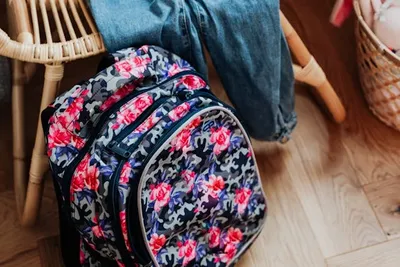
Backpacks move and rub against surfaces, making them high-risk for accessories. Because they endure constant friction, knowing how to keep pins from falling off a backpack is essential for reliable security. To protect enamel pins on bag surfaces, choose thick, reinforced panels, avoid high-friction zones like zippers, and always use sturdy locking backs.
To protect enamel pins on bag surfaces and backpacks, use these steps.
- Choose a firm part of the backpack, such as a front pocket, thick panel, or reinforced patch.
- Avoid straps, zippers, seams, bottle pockets, and folding areas.
- Use locking backs instead of soft rubber backs for daily use.
- For heavy pins, use two post pins or add support behind the fabric.
- Check the back weekly if the backpack is used every day.
- Remove pins before rough travel if the bag will be thrown, packed tightly, or checked.
How To Secure Pins On A Backpack Without Losing Them
Begin by selecting a sturdy fabric area, pushing the pin post through without stretching the material. If wrinkles appear, choose a firmer spot. When attaching the back, ensure it sits completely flat to maintain even pressure, as tilted backs loosen quickly. If the pin feels heavy, consider using a second post, a larger backing, or a support patch inside the bag for added reinforcement.
Locking backs are superior to rubber alternatives, as they grip firmly and resist sliding. These are essential for anyone learning how to put enamel pins on a backpack or how to prevent pins from falling off bags. Avoid crowded zones where zippers or sleeves rub, as high-friction contact can loosen even secure pins. Strategically placing accessories in low-friction areas ensures they remain safe during your daily adventures.
Need custom lapel pins for your next promotional giveaway or brand campaign?
We can bring your artwork to life on custom lapel pins for staff recognition, school events, awareness campaigns, clubs, conferences, and promotional giveaways, with flexible design options to match your style.
Explore options for custom lapel pins hereHow To Use Locking Pin Backs To Keep Pins Secure
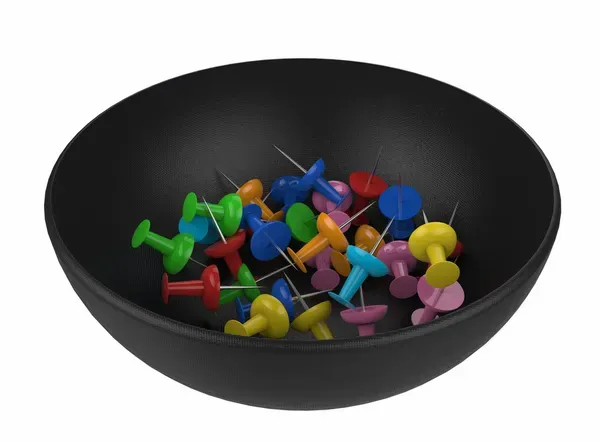
Locking backs are one of the best options for securing pins. They grip the post more firmly than a standard clutch or rubber back and are especially useful for backpacks, jackets, work uniforms, and travel bags.
Here is how to use locking pin backs simply:
- Push the pin post through the fabric.
- Place the locking back over the post.
- Press, twist, slide, or tighten the back depending on the design.
- Check that the back sits flat against the fabric.
- Tug the pin gently to make sure it holds.
- To remove it, release the lock before pulling.
How Do Locking Pin Backs Keep Pins From Falling Off?
Readers often ask how locking pin backs work. These accessories grip the pin post more firmly than standard options, utilizing internal pressure, small tightening screws, or secure clasps. They hold the post until you intentionally trigger the release.
The primary goal is preventing the back from sliding off during movement. This reliable retention makes them ideal for jackets or backpacks, protecting your rare, sentimental pieces effectively.
How To Put On A Locking Pin Back The Right Way
To learn how to use a locking pin back, start by aligning the lock directly with the pin post. Push it on straight, avoiding any angled pressure that could compromise the grip. Different models require distinct methods for attachment, such as pulling, pressing, or twisting, so identify the specific mechanism first. If it feels stuck, do not use force; verify the release method and try again gently.
Once attached, ensure the back sits flat against your fabric. Test the security by giving the pin a light tug. This careful, methodical process is the safest way to understand how to use pin locks without damaging posts.
Which Pin Backs Are Best For Keeping Pins From Falling Off?
Choosing the right hardware is essential because there are many pin back types suited for different needs. The best pin backs vary depending on the item, as backpacks require a stronger, reliable grip for security, shirts benefit from comfort, and display boards allow for simple, frequent removal of your pins.
| Backing Type | Best use | Security level | Main note |
|---|---|---|---|
| Locking back | Backpacks, jackets, travel bags | High Medium | Best for valuable pins |
| Butterfly clutch | Light clothing and casual use | Medium | Replace when loose |
| Rubber back | Display boards and low contact wear. | Low to medium | Comfortable but can stretch |
| Safety back | Clothing and fabric items | Medium to high | Spreads pressure well |
| Magnetic back | No hole placement | Low to medium | Not ideal for heavy movement |
| Allen wrench lock | Collectors and outdoor wear | Very high | Secure but slower to remove |
Choosing support depends on your needs. Compare safety pin backs, locking backs, and rubber options to balance durability and comfort. Prioritize strength for valuable pins, fabric safety for delicate clothing, and ease of removal when you handle pins frequently.
Are Allen Wrench Pin Locks Best For Valuable Pins?
Allen wrench pin locks offer superior control, ideal for collectors, limited-edition items, and outdoor wear. Often, security outweighs convenience. Because they provide a significantly tighter grip, they are the most reliable pin locks for enamel pins when you need maximum protection.
Although these locks take more time to remove than standard clutches, that extra effort is a benefit. It ensures the back won't slip off by accident, providing a safe solution for your valuable collection.
Are Butterfly Clutches Secure Enough To Keep Pins On?
Butterfly clutches are standard for enamel pins. Learning how to use butterfly clutch pin backs involves pinching the two small wings, sliding the clutch onto the post, and releasing the wings for a secure fit. These are convenient for light, everyday wear on shirts or jackets where movement is minimal.
However, clutches can become loose or worn over time, potentially causing pins to slide off. They are often unsuitable for backpacks. Regularly inspect and replace any damaged clutches to keep your pins safely attached.
Are Rubber Backs Good For Keeping Pins Secure?
Rubber backs are simple, comfortable, and easy to use, making them perfect for display boards or low-contact clothing. They are a great choice if metal backs irritate your skin, as their soft design ensures comfort during long-term wear.
However, rubber can stretch, potentially losing grip and sliding off during movement. Avoid them for high-risk items like backpacks. When security is prioritized over comfort, switch to locking backs to keep your pins reliably protected and secure.
How Do Double Clutches Help Enamel Pins Stay On?
Double clutches effectively reduce spinning and improve balance for larger or heavier pins, which require extra support to prevent tilting or rotation. By using two posts, these designs distribute pressure evenly, ensuring the pin face remains stable. This configuration is particularly beneficial for items like jackets, tote bags, and backpacks. When selecting larger pins, opting for two-post designs offers superior stability and durability compared to single-post alternatives.
Customize lapel pins with branded designs that people will actually wear
We supply high-quality custom lapel pins with your logo, message, mascot, or artwork, giving you a polished promotional product that works for backpacks, jackets, bags, uniforms, and collectible displays.
How To Make A Pin Stay On Permanently
Sometimes the best answer to how to keep a pin from falling off involves permanent or semi-permanent methods. This approach is ideal when you do not plan to relocate the pin. Common options include strong adhesive, fabric glue, epoxy, or a stitched support patch behind the pin.
Be cautious with glue, as it can damage fabric, stain your bag, or block the post. It may also reduce collector value. Only choose permanent pinbacks when display is your absolute priority.
Use these checks before trying permanent pinbacks.
- Test the placement before adding adhesive.
- Avoid glue on delicate clothing.
- Use only a small amount of adhesive.
- Let the adhesive dry fully before using the item.
- Do not use permanent methods on pins you may trade or resell.
- Choose this method only when display matters more than removal.
Looking for an affordable solution for custom lapel pins?
With our online service, you have a fast, reliable way to customize lapel pins with professional craftsmanship, durable materials, and attachment options that support both everyday wear and branded giveaways.
Get started with custom lapel pins hereWhere To Put Enamel Pins So They Stay Secure
Placement matters as much as the backing. Strong backs fail if placed where fabric bends or rubs. If you wonder where to put enamel pins, choose firm, visible, and low-friction areas on your items.
Good placement areas include these:
- Thick front panels on backpacks.
- Reinforced pockets on bags.
- Jacket lapels that do not stretch.
- Denim panels with firm fabric.
- Hat fronts with enough structure.
- Lanyards used for light pins only.
Risky placement areas include these:
- Backpack straps.
- Zipper paths.
- Bag corners.
- Loose pockets.
- Thin shirt fabric.
- Areas that rub against arms or seats.
- Folds that bend often.
Proper placement is crucial when learning how to use enamel pins, as it directly impacts durability. Always prioritize stable fabric to keep pins from falling off bag surfaces and to stop pins from falling off daily. Always choose highly visible, low-friction areas to ensure your pins remain secure and protected.
Frequently Asked Questions About How To Keep Pins From Falling Off
Why Do My Pins Keep Falling Off?
Pins often fall off when backings lose grip, posts bend, fabric is too thin, or items move excessively. Backpacks and bags face high risk from friction. The simplest solution is replacing weak clutches with secure locking backs, inspecting your pin posts regularly, and avoiding placing pins on loose, thin fabric.
How Do I Keep Pins From Falling Off My Backpack?
To keep your collection secure, always use locking backs, attach pins to firm fabric, and avoid high-friction areas like straps or zippers. This approach is the most reliable way to keep Disney pins from falling off, to keep pin backs from falling off, and to stop pins from falling off your backpack. For heavier designs, choose two-post options and regularly inspect your pin backs for any signs of wear.