Can You Freeze Mason Jars Without Breaking The Glass?
The question of whether you can freeze mason jars has a safe, practical answer. You can freeze them successfully by choosing the right jar shape, cooling the food before filling, leaving sufficient headspace for expansion, and avoiding jars with shoulders. The primary risk is the pressure caused by food expansion inside the glass, not the freezer environment itself.

Key Takeaways
- Avoid jars with shoulders when freezing liquids.
- Cool food before filling jars.
- Leave headspace for expansion.
- Keep lids slightly loose during the first freeze.
- Label every jar with food name and date
Can You Freeze Mason Jars Safely At Home
When people search “can you put mason jars in the freezer safely at home?” The answer is yes, you can, provided you select the right jar and pack your food correctly. Freezer-safe glass does not usually break when used correctly, but ordinary or unsuitable glass jars can crack or shatter. If the jar is overfilled or has curved shoulders, pressure concentrates in narrow areas, causing cracks. Always use containers designed for cold storage.
When freezing mason jars, prioritize shape, fill level, and lid choice. Freezer-safe jars with adequate headspace are far less likely to crack than standard canning containers. By cooling food before filling, leaving room for expansion, and using straight-sided glass, you can safely store liquids without fear of breaking. Proper preparation is key to consistent and reliable results.
Are Mason Jars Really Freezer Safe?
Not all mason jar freezer-safe designations apply generally. Being freezer-safe means the glass container is engineered to withstand low temperatures and the natural expansion of frozen contents. Still, it does not make the jar immune to improper use. To verify safety, always check the specific freezer-safe labeling on the packaging, the product page, or the jar’s base itself. Brands often categorise suitable containers as straight-sided or tapered. While standard canning jars are excellent for heating purposes, they are frequently unsuitable for the freezer if they feature shoulders in the design.
Freezer-friendly options typically feature thicker glass, wide mouths, and straight sides. These design elements allow food to expand upwards freely, preventing the pressure buildup that occurs in narrow curves. The National Center for Home Food Preservation confirms that rigid glass containers are effective for freezing, particularly for the liquid packs. When choosing from your range of certified freezer-safe mason jars, you can ensure your food is stored securely without the risk of cracking. Selecting the correct shape is the most effective way to store food with confidence.
Why Do Mason Jars Break In The Freezer?
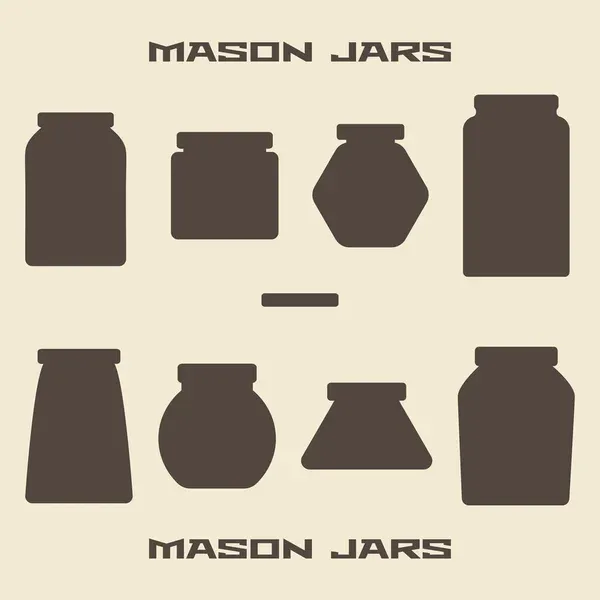
The primary answer to why mason jars break in the freezer is the expansion of water-based contents. As food freezes, it grows in volume; without sufficient headspace, this expansion exerts immense pressure against the glass walls. Jar shape is equally critical, as straight-sided containers allow frozen food to move upward freely. Conversely, jars with shoulders trap expanding food beneath a narrow neck, concentrating force and causing the glass to fail. Choosing the correct vessel and leaving room at the top are the most effective ways to prevent breakage.
Thermal shock also causes structural failure when warm glass enters a cold freezer, causing uneven contraction and cracks. To avoid this, always cool food fully before filling. Common errors include overfilling past the freezer line, using shouldered jars for liquids, and tightening lids before the contents have fully frozen. Prevent these issues by using straight-sided jars, leaving generous headspace, and keeping lids slightly loose during the initial freezing process. Proper temperature management and upright storage ensure your jars remain intact and your food stays safe for long-term storage.
Common errors include these.
- Filling past the freezer line. Fix this by leaving headspace.
- Using shoulder jars for liquids. Fix this by using straight-sided jars.
- Freezing hot food. Fix this by cooling food first.
- Tightening lids too early. Fix this by leaving lids slightly loose until frozen.
- Stacking jars before freezing. Fix this by freezing upright with space around each jar.
Make a strong impression with custom mason jars
Work with us to create high-quality custom mason jars with your unique branding for events, beverages, food gifts, favors, and promotional campaigns your customers or guests will remember.
How To Freeze Mason Jars Without Breaking Them
Here is how to freeze mason jars safely:
- Choose straight-sided or tapered mason jars for freezing.
- Inspect each jar for chips, cracks, and weak rims.
- Cool food fully before filling.
- Fill the jar below the freezer line.
- Leave at least half an inch of headspace for most foods.
- Leave more space for thin liquids.
- Wipe the rim clean.
- Apply the lid loosely during the first freeze.
- Place jars upright with space between them.
- Tighten the lids after the contents are frozen.
Headspace is the most important step. Guidelines vary for liquids and dry packs, as wider containers require less expansion room than narrow ones. Always cool food completely before filling, as hot food causes thermal shock. Room-temperature food also freezes more evenly, ensuring your jars remain intact.
Use our freezer storage kit, featuring wide-mouth mason jars, airtight lids, and labels, for safe and organized meal prep. Start your storage today!
How To Freeze Soup In Mason Jars Step By Step
Here is how to freeze soup in mason jars without stress.
- Cook the soup and let it cool fully.
- Choose wide-mouth jars for chunky soup.
- Choose regular jars only for smooth broth if they are freezer-safe.
- Ladle the soup into the jar.
- Leave at least one inch of space for thin soups.
- Wipe the rim.
- Add the lid loosely.
- Freeze upright.
- Tighten the lid after freezing.
- Label with name and date.
Thaw jars in the refrigerator overnight or under cool water, avoiding hot water. Freezing soup in mason jars preserves flavor, prevents odors, and simplifies storage compared to plastic bags. These containers are easy to fill, label, stack, and reuse for meal prep.
Can You Freeze Mason Jars With Metal Lids?
Yes, “can I freeze mason jars with metal lids” has a simple answer. You can use metal lids, provided you do not tighten them fully before the initial freeze. Metal and glass contract at different rates, which can compromise the seal or trap pressure as contents expand. Apply the lid only until secure, ensuring the jar remains safely sealed without risking damage during the initial expansion.
Once contents are frozen, tighten the lids completely for secure storage. Solid metal lids are convenient, though two-piece canning lids also work. Do not rely on a canning vacuum seal for freezer storage; focus on ensuring a clean, airtight closure. Using the right lid effectively preserves food quality and protects your glass containers.
Can You Freeze Mason Jars With Plastic Lids?
Yes, you can freeze mason jars with plastic lids; it is typically safe when using lids engineered for freezer storage. These options are highly convenient, offering an airtight seal for meal prep, leftovers, sauces, and soups. They are easier to handle when cold compared to traditional metal lids and do not rust. Whether you use wide-mouth or regular-mouth jars, choosing BPA-free plastic lids ensures your food remains fresh and well-protected.
However, plastic lids can degrade over time. Periodically inspect them, and replace any that warp, crack, or loosen, as a compromised seal invites freezer burn and reduces quality. Keeping your lids in good condition ensures they perform reliably, protecting your frozen goods. By choosing durable plastic lids, you make daily freezer storage more convenient and effective for your long-term food preservation needs.
Need branded jars for your next food giveaway or event?
Bring your design to life on reusable mason jars that work well for cafés, food brands, kitchen promotions, weddings, parties, corporate gifts, and branded giveaways.
Explore mason jar options hereCan You Freeze Food In Mason Jars Safely?
Yes, you can freeze food in mason jars safely when you select appropriate ingredients. Excellent candidates for this method include cooked grains, beans, hearty stews, pasta sauce, broth, and baked goods.
Avoid raw, watery vegetables, eggs in shells, or delicate, leafy salads, as these tend to lose their texture upon freezing. Glass storage offers distinct benefits: it resists absorbing odors, prevents staining from acidic ingredients like tomato sauce, and remains perfectly reusable, providing a clear view of your contents for organized freezer management.
The following chart provides a quick reference for matching common foods with the most effective freezer-safe glass storage options.
| Category of Food | Freezing Suitability | Recommended Jar Style |
|---|---|---|
| Broths and Soups | Excellent | Wide-mouth, straight-sided |
| Various Sauces | Excellent | Small, wide-mouth |
| Grains (Cooked) | Good | Straight-sided |
| Legumes and Beans | Good | Pint size |
| Creamy Sauces | Fair | Small jar with extra headspace |
| Fresh Salads | Poor | Avoid freezing in glass jars |
Can You Freeze Soup In Mason Jars Without Cracks?
Yes, you can freeze soup in mason jars without cracks by using the correct container and leaving sufficient headspace. Broth-heavy soups freeze perfectly, retaining excellent flavor. Thick or cream-based soups also freeze well, though they may separate or require thorough stirring during reheating to restore their ideal texture.
Select half-pint or pint jars for individual servings, or quart jars for larger portions. Wide-mouth jars are best for chunky soups, simplifying filling and removal. Always label each jar with contents and the date. Rotating your stock by placing older jars in front makes freezing mason jars of soup much easier to manage.
Can You Freeze Liquid In Mason Jars Without Breaking Them?
You can freeze liquid in mason jars safely, but these items require more caution than solid foods. Because liquids expand consistently during freezing, they exert significant pressure on glass walls, necessitating careful volume management. Water-based items like broth, stock, and soup demand generous headspace, while oil-based or high-sugar liquids require ample room to prevent breakage.
Always leave at least one inch of headspace for thin liquids, especially in narrow containers. While wider jars might tolerate half an inch, extra room is the safest choice. Small, wide-mouth jars are ideal, as they facilitate efficient, uniform thawing.
Can You Freeze Sauce In Mason Jars For Meal Prep?
Can you freeze sauce in mason jars for meal prep? The short answer is yes. Most varieties, like marinara, meat ragù, and tomato sauce, freeze perfectly. Use caution with delicate recipes: cream sauces may separate, egg-based sauces might turn grainy, and cornstarch-thickened sauces can become watery. If you are unsure, freeze a small test jar first to assess the texture.
Small jars are ideal for sauces. Use four-ounce to pint-sized containers to reduce waste and speed up thawing. As tomato sauce contains water, leave enough headspace to accommodate expansion. Freezing sauce in mason jars works best when cooled, portioned, labeled, and stored upright.
Customize drinkware that keeps your brand visible
From mason jars to mugs, tumblers, water bottles, and glassware, we help you create custom drinkware that supports everyday use, gifting, events, and promotional campaigns.
Which Mason Jars Are Best For Freezing Food Safely?
Jar shape is critical for safety. The best mason jar freezer-safe design is straight-sided with a wide mouth, allowing food to expand upward freely without creating dangerous pressure. Avoid shouldered jars for liquids, as their narrow neck traps expanding contents, often causing glass to crack. Always prioritize simple, straight-sided designs to avoid these common failure points.
Before selecting containers, inspect their silhouette. If a jar narrows near the neck, reserve it for pantry storage instead. For liquids, choose vessels with a consistent, straight shape from base to rim. This simple design choice prevents pressure buildup and ensures your food remains secure.
Can You Freeze Mason Jars With Shoulders Safely?
Freezing liquids in jars with shoulders is risky. These curved sections create a pressure point where the jar narrows. As food expands, it presses against these curves, obstructing upward movement and concentrating force against the glass. Therefore, can you freeze mason jars with shoulders is one to answer with caution: avoid these designs for liquids, as the shoulder traps expanding contents, often leading to breakage.
Straight-sided, wide-mouth jars are much safer for freezing food in mason jars. These allow contents to expand upward freely, preventing pressure buildup. By selecting straight-sided silhouettes, you ensure your containers remain intact, and meals stay secure.
What Are The Best Mason Jars For Freezing Food?
The best freezable mason jars feature thick glass, straight sides, a wide mouth, and official freezer-safe labeling. Straight-sided, wide-mouth options are ideal for regular use; they are simple to fill, easy to clean, and safer for expanding food. Tapered jars are also suitable if designated as freezer-safe. These design features are essential for preventing breakage during the freezing process.
When purchasing, prioritize wide-mouth designs and verify the freezer-safe rating, capacity, and lid compatibility. Avoid shouldered designs, which trap expanding contents. Regular-mouth jars are less convenient for chunky foods. Always inspect for chips to ensure successful storage.
Looking for affordable custom mason jars for bulk promotions?
Create practical branded mason jars for giveaways, food packaging, party favors, and customer gifts with a simple online ordering process and customizable product options.
Start your mason jar order hereHow Long Can Food Stay Frozen In Mason Jars?
Frozen food retains its best quality when stored at 0°F, as freezer overload compromises results. While items like soups, sauces, and grains remain safe indefinitely, their quality typically peaks within one to six months. Monitor for heavy ice crystals or freezer burn, which signal quality decline. When asking if you can freeze mason jars safely, the answer is yes, provided you track these storage windows.
Implement a rotation system to maximize efficiency. Label every jar with its contents and date. Place new jars at the back, moving older ones forward. Check your freezer monthly to ensure you consume the oldest items first, minimizing waste.
Frequently Asked Questions About Can You Freeze Mason Jars
Can You Freeze Mason Jars Without Breaking Them?
Yes, you can freeze mason jars without breaking them. You do this by using straight-sided or tapered freezer-safe jars, cooling food fully before filling, leaving enough headspace for expansion, and freezing upright. Always avoid using shouldered jars for liquids, soup, broth, or sauce to prevent pressure buildup and accidental cracking.
Why Do Mason Jars Break In The Freezer?
Whether a mason jar will break in the freezer depends on the jar type and packing technique. Common causes for failure include overfilling the container, failing to leave adequate headspace for expansion, using shouldered jars, overtightening the lid, or placing hot food directly into a cold freezer.