Sherpa Vs Fleece Blanket For Cozy Comfort And Smart Buying Choices
We hear the sherpa blanket vs fleece debate almost every winter. It usually begins with someone wanting something warmer than their old throw but uncertain which texture will work best for them. Both promise comfort and both look soft in photos.
In this guide, you will learn that the difference between fleece and sherpa blanket styles shows up as soon as you touch them. Fleece feels smooth and even, sherpa feels lofty and textured. Let us break down the comparisons clearly so you can choose with confidence.

Key Takeaways
- Sherpa traps heat through high pile loft, while fleece relies on dense knit fibers for steady warmth and lighter drape.
- The difference between fleece and sherpa blanket options often comes down to breathability versus insulation, not just softness.
- Choose based on how you use it, lounging, layering, or deep winter sleep, rather than following trends or labels.
- We supply high-quality custom fleece and sherpa blankets with personalized designs and competitive pricing so you can choose what’s right for you.
Table of contents
-
Sherpa Vs Fleece Blanket Comparison Guide
-
Sherpa Vs Fleece: Which Is Warmer ?
-
Fleece Or Sherpa Blanket?
-
What Is The Difference Between Fleece And Sherpa Fabric?
-
Is Sherpa Softer Than Plush Fleece?
-
What Is a Sherpa Blanket?
-
How To Care For Fleece And Sherpa Blankets?
-
Faux Fur vs Sherpa vs Fleece vs Cooling Blankets What’s the Difference?
-
Final Takeaways On Sherpa Vs Fleece Blankets
Sherpa Vs Fleece Blanket Comparison Guide
When we compare sherpa vs fleece blanket options, we are essentially comparing two synthetic fabrics built for comfort with different designs. Fleece is a knit polyester fabric brushed to create softness, while sherpa is a high pile fabric that mimics sheepskin, often used as lining.
The biggest factors for making a decision are as follows:
- Warmth
- Feel against the skin
- How the blanket will be used
Some people prioritize breathable layering. Others want maximum insulation for cold nights. In this guide, we will explore warmth, texture, durability, and care. We will also touch on things like GSM, pile height, backing, and stitching to compare like for like to help your exploration.
Plush Fleece Blanket Vs Sherpa Blanket Which Is Warmer?
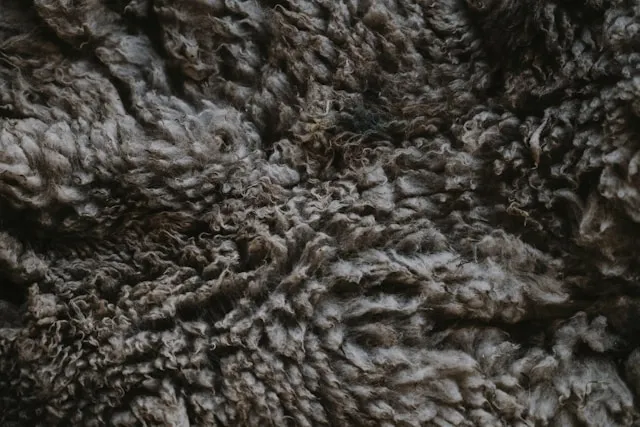
Plush fleece blanket vs sherpa blanket comparisons usually focus on warmth first. Plush fleece feels warm because of its brushed surface and dense fibers. Sherpa often traps more heat because of its higher pile, which creates small air pockets.
Loft plays a role, but so does draft blocking. A double layer sherpa blanket can hold heat in a way single layer fleece may not. That said, too much warmth can be uncomfortable. Sherpa may be excessive for:
- Hot sleepers
- Mild climates
When reading product listings, look at GSM and whether the blanket is single or double layered. Those details tell us more than the name alone when exploring custom fleece blankets vs sherpa options.
|
Factor |
Sherpa Blanket |
Fleece Blanket |
|
Warmth Level |
Higher insulation due to lofted pile that traps more air |
Moderate warmth; depends heavily on GSM |
|
Breathability |
Moderate; retains more heat |
Higher breathability, especially midweight fleece |
|
Texture & Feel |
Textured, wool-like, fluffy backing |
Smooth, velvety, brushed knit surface |
|
Weight & Drape |
Thicker and bulkier |
Lightweight and flexible |
|
Packability / Storage |
Takes more space due to pile height |
Compresses easily |
|
Durability Over Time |
Can mat if washed/dried improperly |
Generally retains structure longer |
|
Pilling Risk |
Lower on sherpa side; backing may vary |
Higher on lower-quality fleece unless anti-pill treated |
|
Care & Maintenance |
Needs gentle washing and low heat drying to prevent matting |
Easier care; tolerates regular cold wash cycles |
|
Typical GSM Range |
Often 250–450+ GSM (especially lined styles) |
Commonly 200–350 GSM |
|
Price Range |
Typically higher due to double-layer construction |
Generally more affordable |
Sherpa Vs Fleece Blanket Which Blanket Is Best For You?
Choosing between fleece vs sherpa blanket styles depends on real life use. For cold winters and long movie nights, sherpa often wins. It feels substantial and insulating.
However, here are some contexts where fleece may be the better choice:
- Dorm rooms or shared apartments may benefit from fleece because it layers easily and stores compactly.
- For children, lightweight fleece can be practical and easy to wash.
- Allergies or sensitivities may favor tightly woven fleece that sheds less.
A quick decision tree helps. If you want portability and flexibility, choose fleece. If you want plush loft and strong warmth, choose sherpa. Fleece blankets are particularly popular types of promotional products for business because they look great, offer warmth, and are cheaper to produce..
Sherpa Vs Fleece: Which Is Warmer ?
When people ask which is warmer between sherpa vs fleece, they are really asking how each fabric traps heat. Thickness and GSM matter more than labels. A thick fleece blanket can outperform a thin sherpa throw. Double layering changes the equation as well.
In terms of basic structure, here’s how the two compare:
- Sherpa uses a high pile structure that captures air between fibers, increasing insulation.
- Fleece relies on dense knit fibers and surface brushing for warmth. This is why people enjoy custom fleece robes as well.
Think about how you use blankets. For sleeping, breathability may matter more than maximum insulation. For sitting still on a cold evening, higher loft feels comforting. Warmth is not just about heat retention but about comfort over time.
Which Type Of Fleece Feels Warmest?
Not all fleece is equal. Studies show that thickness, air entrapment, and fabric density have an impact on thermal insulation, so let’s look at microfleece, midweight fleece, and polar fleece to compare:
- Microfleece is lightweight and breathable, often better for layering than heavy insulation.
- Midweight fleece adds more substance without becoming bulky.
- Polar fleece tends to feel warmest because of its thickness and loft.
Anti pill finishes and higher fabric density also affect long term warmth as lower quality fleece can thin out and lose insulation over time. When comparing fleece blanket vs sherpa blanket options, pay attention to fabric weight in GSM and construction notes.
Descriptors like “heavy duty” or “ultra plush” help, but numbers tell us more. We recommend checking density and weave before assuming warmth based on feel alone.
Looking for a high-quality fleece blanket?
Work with us to create custom fleece blankets that offer deep personalization and a soft, warm finish for your needs.
Fleece Or Sherpa Blanket?
When we narrow it down to fleece or sherpa blankets, the decision becomes practical. If you want something versatile that folds easily, travels well, and layers without bulk, fleece makes sense.
Fleece works for things like:
- Quick naps
- Office chairs
- Car rides
Sherpa leans toward deep winter comfort. It feels thicker, more enveloping, and better suited for colder rooms.
Budget can factor in too, since heavier sherpa builds often cost more due to extra material. You can work with us to create custom plush fleece blankets or custom sherpa blankets based on your decision. We offer deep personalization and competitive pricing so you can rest assured you will enjoy high quality without breaking the bank.
Is Sherpa Lined Or Fleece Lined Better?
Sherpa lined or fleece lined better depends on what you want against your skin. A sherpa lining adds loft and insulation, which boosts warmth quickly. A fleece lining feels smoother and lighter, often more breathable for layering.
Many blankets combine a microfiber face with sherpa backing, creating a soft exterior and plush underside. Over time, lining quality makes a difference:
- Lower grade sherpa can mat if washed improperly.
- Dense fleece holds structure longer.
Research from 2011 found that fleece fabric finishing treatments affect thermal comfort - further evidence that you will get a better experience when you focus on quality.
When shopping, zoom in on close photos. Look at seam finishing and pile height. Clean stitching and evenly distributed fibers usually signal a blanket that will hold up beyond the first season.
What Is The Difference Between Fleece And Sherpa Fabric?
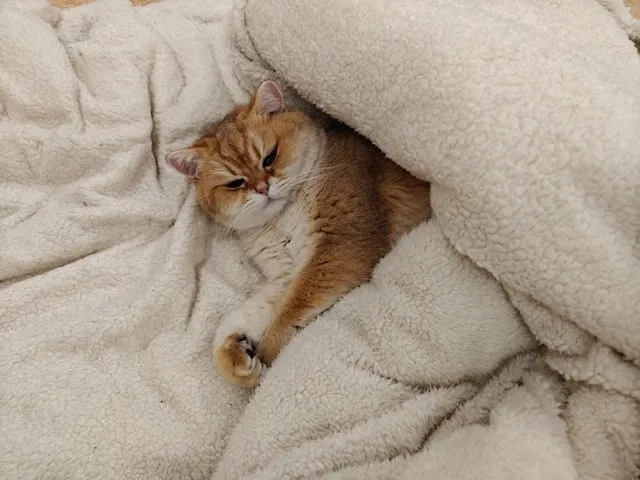
The difference between fleece and sherpa blanket fabric comes down to texture and structure. Fleece is knitted polyester brushed to create a soft, flat surface. Sherpa is also typically polyester, but woven or knit into a looped, high pile surface that resembles sheepskin.
That loft gives sherpa more visual thickness and stronger insulation. Both have some common downsides:
- Fleece tends to pill over time if lower quality.
- Sherpa can flatten if heavily compressed.
Marketing terms sometimes blur lines, such as sherpa fleece or faux shearling. These phrases often describe the look rather than the exact build. Reading fiber content and fabric weight clarifies more than branding alone - the same goes for buying custom wool beanies, for example.
|
GSM Range |
Thickness Feel |
Best For |
Typical Blanket Type |
|
200-250 GSM |
Light |
Layering, mild climates, travel |
Lightweight fleece |
|
250-350 GSM |
Medium |
Everyday throws, heated homes |
Standard fleece or light sherpa |
|
350-450+ GSM |
Thick & warm |
Cold rooms, winter use, lounging |
Sherpa-lined or heavy fleece |
Choose an upgrade from fleece without committing to sherpa
Our custom plush fleece blankets offer a little extra warmth over fleece blankets without the price tag of sherpa blankets.
Learn moreIs Sherpa Softer Than Plush Fleece?
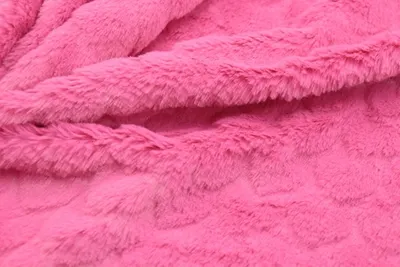
Softness depends on what we mean by soft. Sherpa feels cloudlike because of its pile height, yet it has a textured surface. Plush fleece feels smoother and more uniform against the skin.
Quality matters, and a study from 2019 explores the strengths and weaknesses of different types of fleece. Some people find fleece more comfortable for direct contact, especially if sensitive to texture. However, after washing, softness can shift:
- High quality sherpa retains loft.
- Cheaper versions may feel slightly stiff.
The same applies to fleece, where density determines how well it holds that silky feel. When comparing sherpa blanket vs fleece options, consider whether you prefer smooth glide or cushioned loft. Both can feel soft, just in different ways.
Is Sherpa Thicker Than Fleece?
Sherpa often looks thicker because of its raised pile, but thickness varies widely. A heavyweight fleece blanket can measure thicker overall than a lightweight sherpa throw. Thickness influences drape and storage.
- Sherpa tends to feel bulkier and take up more closet space.
- Fleece folds compactly and travels easily.
Warmth does not always equal thickness - a dense fleece layer can trap heat efficiently without appearing fluffy. Assuming otherwise is a common mistake to avoid when using promotional products like blankets. Explore real thermal properties; don’t make assumptions.
When comparing fleece blanket vs sherpa blanket products, check product specs for actual measurements or GSM. Photos can exaggerate loft, but looking at side profile images often reveals how substantial the blanket truly is in everyday use.
In search of personalized sherpa blankets at great prices?
With our service, you can create custom sherpa blankets to your specifications and enjoy competitive pricing and wholesale options.
What Is a Sherpa Blanket?
When people ask what a sherpa blanket is, they usually mean a throw with one fluffy, high pile side that mimics sheepskin. Most sherpa blankets feature a soft microfiber or fleece face fabric paired with sherpa lining underneath.
That is a combination that provides insulation with a smooth outer appearance. These blankets are popular for things like:
- Winter use
- Reading corners
- Extra bed layers during colder months
Sometimes the term “sherpa blanket” refers only to the lining, even if the visible surface is different. Understanding this naming habit helps avoid confusion when comparing sherpa vs fleece blanket listings online. The lining often determines the true warmth level.
Is Sherpa Just Fleece?
Sherpa shares a polyester base with fleece, so technically they belong to the same fabric family. However, the structure differs:
- Fleece has a flatter knit surface with brushed fibers.
- Sherpa features looped or high pile construction that traps more air.
That structural difference changes warmth and texture. Many consider sherpa a type of fleece finish, yet the experience feels distinct. When comparing sherpa blanket vs fleece options side by side, sherpa looks textured and lofty, while fleece appears smooth and even.
Visually, imagine fleece as a soft sweatshirt and sherpa as the lining inside a winter jacket - both warm, but not identical. Think about material and the benefits of using eco-friendly products, especially if you are concerned about sustainability.
How To Care For Fleece And Sherpa Blankets?
Proper care protects both fabrics. Wash fleece and sherpa blankets on a gentle cycle with cool water. Let’s look at some other key tips to keep these blankets in good condition:
- Avoid mixing with lint shedding fabrics like towels.
- Low heat drying works best, or air drying if possible, to preserve pile structure. High heat can flatten sherpa and weaken fleece fibers.
- Minor pilling on fleece can be removed with a fabric comb. Sherpa benefits from light brushing to restore loft.
Regular maintenance keeps texture intact without complicated routines. Research from India explains how fiber type affects insulation and moisture transfer in blankets, and maintaining their good condition is key.
For added convenience, we suggest keeping dryer balls on hand and following a simple care checklist. Small habits extend blanket life more than occasional deep cleaning.
Explore different types of blankets available
When you work with us, you can even create custom picnic blankets that are durable and waterproof, suitable for outdoor use.
Get startedFaux Fur vs Sherpa vs Fleece vs Cooling Blankets What’s the Difference?
Faux fur blankets use long synthetic fibers for dramatic texture and decorative appeal. Sherpa focuses on plush, sheepskin-inspired loft for insulation. Fleece offers smooth, lightweight warmth and easy layering.
Cooling blankets rely on breathable or moisture wicking fabrics designed to reduce heat retention. Different blanket types suit different seasons:
- Winter movie nights often call for sherpa or faux fur.
- Mild evenings lean toward fleece.
- Hot sleepers may prefer cooling options.
When exploring the benefits of fleece or evaluating custom sherpa blanket choices, think about room temperature and purpose. Decorative throws differ from practical bedding layers, and matching function to season simplifies the decision.
Final Takeaways On Sherpa Vs Fleece Blankets
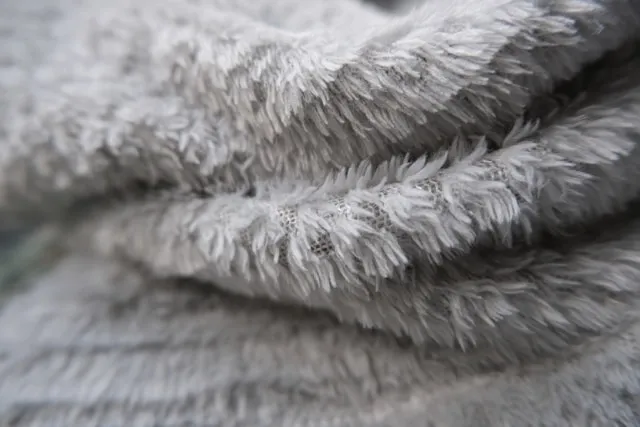
When comparing sherpa blanket vs fleece, focus on warmth mechanism, texture preference, and everyday use. Sherpa excels at trapping heat through loft. Fleece shines in flexibility and breathability.
As research shows, it helps to understand fabric properties and their characteristics, then move onto structure. Thickness and GSM matter more than the label on the tag:
- For travel or layering, fleece often wins.
- For deep winter comfort, sherpa feels more insulating.
Use the earlier evaluation tips before purchasing so you avoid impulse decisions. We always recommend choosing based on how you actually live - comfort is personal. Trends shift, but the right blanket for your space and habits will feel right long after seasonal marketing fades.
Frequently Asked Questions About Sherpa Vs Fleece Blankets
Is Sherpa Lined Or Fleece Lined Better?
Sherpa lining offers stronger insulation and loft, while fleece lining feels smoother and lighter. The better choice depends on whether you prioritize warmth or breathability.
Is Sherpa Thicker Than Fleece?
Often yes in appearance due to pile height, but heavyweight fleece can match or exceed sherpa thickness depending on fabric density and construction.