How To Choose A Backpack? Comfort, Fit, Weight Balance, And Activity Type
Choosing the right backpack is a decision that affects comfort, efficiency, and long-term use far more than many people expect. We have worked with a wide range of functional products over the years, and backpacks consistently stand out as items where poor choices quickly become obvious.
In this guide, we explain how to choose the right backpack with clarity and realism, avoiding common assumptions that lead to regret. We focus on practical considerations grounded in real-world use rather than trends. When backpacks are chosen thoughtfully, they support the body, adapt to specific activities, and perform reliably over time.


Key Takeaways
- Choosing the right backpack depends on activity type, duration, fit, and weight balance, not appearance alone.
- Backpack size and capacity must align with realistic needs rather than maximum possible storage.
- Proper fit and load distribution matter more for comfort than brand, price, or added features.
- We supply high-quality custom backpacks in a range of styles and designs so you can find the right option for your aesthetic, comfort, and practical needs with ease.
Table of contents
-
How To Choose A Backpack?
-
How To Choose The Right Backpack Overall As A Beginner
-
How Do You Choose The Right Backpack Based On When You Will Use It?
-
How To Choose A Hiking Backpack?
-
How To Choose A Travel Backpack For Flights And City Travel?
-
How To Choose Backpack Size Based On Capacity And Volume
-
How Should A Backpack Fit Your Body For Proper Support?
-
How Much Weight Is Too Heavy For A Backpack To Carry Comfortably?
-
What Backpack Features Should You Look For Before Buying?
How To Choose A Backpack?
Learning how to choose a backpack begins with understanding the intended use. This determines nearly every other decision, including capacity, structure, features, and how much a backpack weighs for different purposes.
A backpack used for commuting has very different requirements than one used for hiking or travel. Comfort and fit should be evaluated alongside capacity, not after. As you explore features, they need to support the way the pack will be used - think about that before exploring:
- Frames
- Ventilation
- Compartments
We often see people focus on size first, which can lead to overbuying and unnecessary weight. Choosing the right backpack also requires thinking about how long it will be worn and how often. A pack used occasionally can tolerate compromises that a daily-use backpack can’t.
When these core factors are considered together, the decision becomes easier to make. Then you can start exploring options like custom High Sierra Impact backpacks to find the option that will serve your routine, not require you to adapt uncomfortably to it.

How To Choose The Right Backpack Overall As A Beginner
Beginners often approach choosing a backpack by focusing on design, brand, or perceived versatility. While understandable, this mindset frequently leads to disappointment. We recommend starting with purpose rather than appearance.
Understanding how the backpack will be used narrows options quickly and prevents unnecessary complexity. If you are a first-time buyer, it is essential to get the right balance of:
- Comfort
- Capacity
- Durability
Oversized backpacks are a common mistake, as beginners assume extra space is always beneficial. In reality, larger packs encourage overpacking and increase strain. Another frequent error is ignoring fit entirely, assuming adjustability will compensate.
In our experience, poor fit rarely improves with time, no matter how well you master how to make backpack straps longer. Choosing the right backpack as a beginner means prioritizing usability and comfort over aesthetics.
In 2026, when purpose guides the decision, features and size naturally fall into place, resulting in a backpack that feels intuitive rather than burdensome.
|
Capacity (Liters) |
Best For |
Typical Contents |
Who This Size Works For |
|
10–15L |
Minimal daily carry |
Phone, wallet, keys, compact water bottle, light jacket |
Short commutes, quick errands, minimalist users |
|
15–20L |
Work / school commuting |
Laptop (13–15”), charger, notebook, lunch, small essentials |
Office workers, students, daily commuters |
|
20–30L |
Day trips & light hiking |
Water, food, extra layers, camera, compact first aid |
Day hikers, city explorers, gym + work carry |
|
30–40L |
Travel (carry-on size) |
Clothes for 2–4 days, laptop, toiletries, shoes |
One-bag travelers, frequent flyers |
|
40–50L |
Extended travel or light camping |
Clothing, sleeping bag or pad, food, gear |
Hostel travel, minimalist camping |
|
50–65L |
Multi-day camping & trekking |
Tent, sleeping system, cooking gear, food |
Backpackers, long-distance hikers |
|
65L+ |
Expedition & heavy-load use |
Winter gear, extended food supply, technical equipment |
Mountaineering, winter camping |
Need a streamlined, organized pack for diverse uses?
Personalize a custom Bellroy Transit 20L Workpack and enjoy a versatile pack that cleverly organizes work, life, and gym gear in a minimalist design.
How Do You Choose The Right Backpack Based On When You Will Use It?
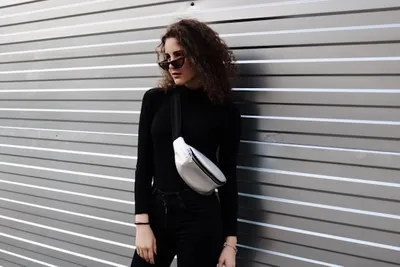
Frequency of use plays a critical role when choosing a backpack. A pack used occasionally for short outings has different requirements than one worn daily or for extended trips. In some cases, a custom CamelBak Pivot RPET belt sling will be sufficient for your daily needs.
For frequent use, the pack must be able to withstand repeated stress, and this comes down to:
- Materials
- Stitching
- Support systems
Trip length also matters. Day trips require lighter, simpler backpacks, while multi-day trips demand greater capacity and structural support. This distinction is often overlooked.
We advise separating day use from extended use early in the decision process. Occasional users may prioritize flexibility, while long-term users benefit from durability and ergonomic features. When use frequency and duration are considered honestly, choosing the right backpack becomes significantly easier.
Some people choose custom Bellroy Lite Recycled daypacks and other backpack types from our online store based on their specific usage patterns, which allows better alignment between design and function. We offer a diverse range of options, personalization, and competitive pricing, including bulk deals for businesses and nonprofits.
How To Choose A Hiking Backpack?
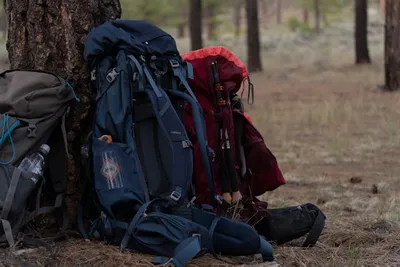
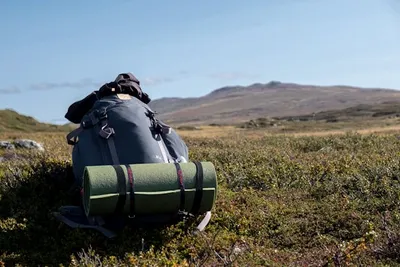
Knowing how to choose a hiking backpack requires attention to support, ventilation, and stability. Hiking packs must manage shifting loads while keeping weight close to the body. A study into different backpack styles shows that design features influence comfort, balance, and physical demand when walking - essential considerations for hiking.
Let’s look at some features to look out for:
- Ventilated back panels help regulate temperature, especially on longer hikes.
- Support systems, including frames and hip belts, play a crucial role in reducing shoulder strain.
Terrain and hike duration directly influence pack choice. Uneven or steep terrain demands better load stability, while longer hikes require efficient weight distribution. We have found that hikers often underestimate how quickly discomfort develops when support is inadequate.
Load distribution becomes increasingly important as distance increases. A properly chosen hiking backpack should feel stable and balanced, even when fully loaded. When these elements align, hiking becomes more enjoyable and far less physically taxing over time.

How To Choose A Camping Backpack?
Camping backpacks must accommodate bulkier gear, which significantly increases capacity requirements. Tents, sleeping systems, and cooking equipment demand space and structured support.
Frames and load-bearing systems are essential, as camping loads are heavier and more uneven. Seasonal differences also matter. Winter camping backpacks require additional capacity and weather resistance compared to summer models.
Durability becomes more important when backpacks are exposed to rough terrain and changing conditions. We have observed that insufficient structure is one of the most common issues with camping packs.
Performance is impacted by things like:
- Weather resistance
- Reinforced fabrics
- Reliable closures
Researchers frequently study how backpack design and load distribution affect gait, posture, and muscle activation, but their effect on the backpack itself are important considerations as well.
Choosing the right camping backpack means preparing for the environment as much as the gear. A well-designed camping backpack supports heavy loads without compromising balance or long-term comfort.
Enjoy a sleek urban design for your backpack
Create your own custom Case Logic Urban Jaunt Recycled 15 computer backpack and enjoy various electronics compartments and swift organization.
Learn moreHow To Choose A Travel Backpack For Flights And City Travel?
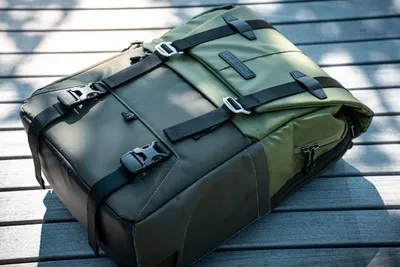
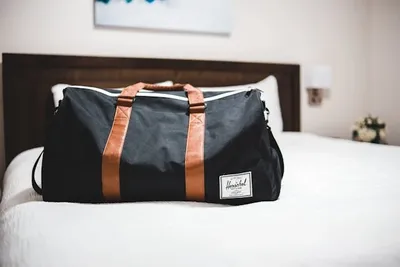
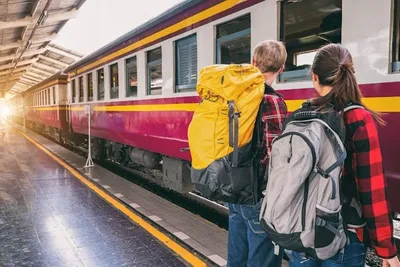
Understanding how to choose a travel backpack requires a different mindset than selecting one for hiking or camping. Travel backpacks prioritize accessibility, organization, and security rather than load hauling.
In airports and urban settings, the features that matter more include:
- Easy-access compartments
- Lockable zippers
- Laptop sleeves
Carry-on size limits are a critical constraint, and ignoring airline dimensions often leads to frustration at the gate. Unlike hiking packs, travel backpacks are designed for frequent opening and closing throughout the day.
Comfort still matters, especially when walking long distances in cities, but excessive frames and bulky straps can become inconvenient. A review of existing research on backpack features can be helpful in identifying what to consider when selecting a backpack.
We have found that a clean layout and balanced weight distribution make travel far less tiring. Choosing the right travel backpack means anticipating movement through crowded spaces while maintaining comfort during extended walking days.
Looking for the perfect combination of style and durability?
With our help, you can create a custom High Sierra Swerve 17 computer backpack with its padded interior, multiple pockets, and handy zipper access.
How To Choose Backpack Size Based On Capacity And Volume
Backpack size is typically measured in liters, which reflects internal volume rather than physical dimensions. Understanding this distinction helps avoid common sizing mistakes. Larger capacity does not automatically mean better comfort or usability.
In fact, oversized backpacks often lead to unnecessary weight and poor balance. Capacity decisions should be based on realistic needs rather than hypothetical scenarios. We often advise people to consider what they actually carry most days, not what they might carry once.
Comparing backpack sizes works best when volume is viewed alongside fit and structure. An observational study examining styles, features, and ergonomic elements of backpacks shows how these relate to comfort and strain. A well-sized backpack feels proportionate to the body and activity.
Expectations matter here; two backpacks with similar liter ratings may feel very different in practice. Choosing a backpack size requires restraint as much as planning, especially for long-term comfort.
How Should A Backpack Fit Your Body For Proper Support?
Proper fit matters more than brand or price when choosing a backpack. A well-fitting backpack aligns with the body’s natural structure, transferring weight efficiently. Torso length determines where the backpack sits, while hip belts should rest securely on the hips rather than the waist.
Shoulder straps are meant to stabilize, not carry most of the load. Poor fit concentrates pressure in the wrong areas, leading to fatigue and discomfort. We have seen expensive backpacks perform poorly simply because they were incorrectly sized.
Fit is personal and cannot be fully adjusted away. You will need to learn how to measure your torso for backpack fit and make the effort to carry out those measurements accurately. It usually helps to have a friend help with this.
When a backpack fits correctly, it feels lighter and more stable, even with moderate loads. Ignoring fit almost always results in long-term discomfort, regardless of how well the backpack is constructed.
Choose a pack that fits your sustainability goals
With our service, you can create a sustainable, ethically-made custom Terra Thread Fairtrade Earth 15 computer backpack that also offers superb functionality.
Get startedHow Much Weight Is Too Heavy For A Backpack To Carry Comfortably?
Backpack comfort depends on human limits rather than structural limits. While a backpack may physically carry heavy loads, the body often reaches discomfort much sooner. Comfort thresholds are lower than safety thresholds, especially for extended use.
Lighter packs consistently feel better over time, reducing fatigue and strain. General guidelines exist, but individual tolerance varies based on fitness and conditioning. We have observed that discomfort often builds gradually, making it easy to ignore until it becomes problematic.
Experts have explored key ergonomic considerations relevant to selecting a functional backpack, and adhering to weight limits is a key part. Generally speaking, the backpack should weigh around 5% to 15% of the user’s bodyweight, though personal limits matter.
Carrying less improves posture and endurance, particularly during long days. Choosing the right backpack involves recognizing that just because weight can be carried does not mean it should be. Comfort should always guide decisions more than maximum capacity.

What Backpack Features Should You Look For Before Buying?
Backpack features should support the intended use rather than add unnecessary complexity. Durability features such as reinforced stitching and quality fabrics matter for frequent or demanding use. Consider this when exploring options like a custom High Sierra Loop backpack or others.
Convenience features should improve organization without adding excess weight. Common choices include:
- Pockets
- Access points
Every added feature increases complexity and sometimes reduces comfort. We recommend focusing on core construction elements first: frame support, strap design, and material quality.
Secondary features should complement, not complicate, the backpack’s purpose. In our experience, simpler designs often perform better over time. Purpose-built bags, like a custom Wenger RPET 21 graphite carry-on may sometimes be better choices as well.
Features are valuable only when they align with how the backpack will actually be used. Thoughtful selection prevents paying for elements that add little practical benefit.
Frequently Asked Questions About How To Choose A Backpack
How To Choose A Backpack For Your Needs?
Start with intended use, duration, and carrying comfort, then select size and features that support those requirements.
What Is The Difference Between A Travel Backpack And A Hiking Backpack?
Travel backpacks emphasize access and organization, while hiking backpacks prioritize support, stability, and load distribution.