Types Of Belt Buckles: Different Styles, Mechanisms, And Cultural Designs
Belt buckles tend to be one of those everyday details people barely notice until they need the right one for an outfit or a specific job. This is when all the different types of belt buckles start to matter.
In this guide to belt buckle types, we look at those that are purely practical, carry cultural meaning, or exude style. If you’re exploring new designs or replacing an old favorite, knowing how each buckle works helps you find a style that meets your needs.

Key Takeaways
- When people compare different types of belt buckles, they quickly notice how varied the landscape is, from basic prongs to automatic mechanisms and decorative options.
- Some buckles offer a stronger grip, others simplify fastening, and many exist simply,because of how they look.
- Think about how you’ll use the belt. Different buckle types are suited to daily wear, formal outfits, work uniforms, or expressive applications.
- We supply high-quality custom belt buckles that you can tailor to your needs to ensure yours displays your design and functions exactly as you need.
Table of contents
-
Types Of Belt Buckles
-
What Are The Different General Buckle Styles?
-
What Western Buckle Styles Should You Know About?
-
What Specialty Or Non-Standard Buckles Should You Know?
-
What Japanese Or Cultural Buckle Styles Exist?
-
How Do Mechanical Attachment Methods Affect Your Belt?
-
What Luxury Buckle Designs Stand Out Today?
-
What Do Belt Fasteners Symbolize Across Cultures?
-
How Do You Identify Unknown Buckles Quickly?
Types Of Belt Buckles
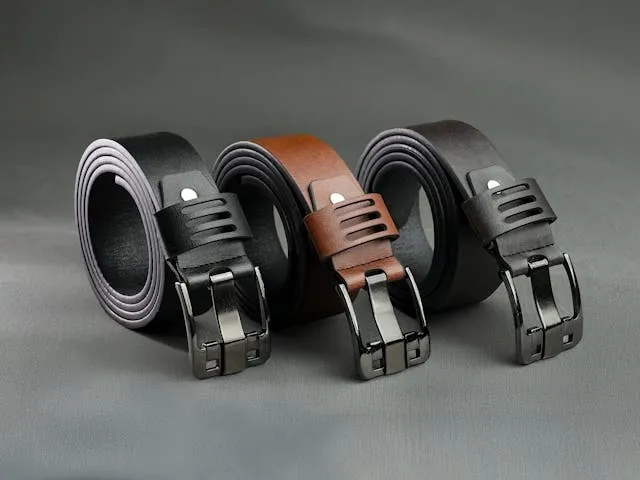
When you step back and look at all the types of belt buckles on the market, you notice they are usually built around a few core mechanisms. Prong or pin buckles are the ones most people grew up with. They are simple, practical, and dependable.
Let’s look at a few other types:
- Frame buckles: These operate similarly to prong/pin options, but they offer more room for creative shapes and metalwork.
- Plate buckles: You might see these on statement belts, and they clip into hooks and rely on the belt strap itself for tension.
- Automatic/ratchet mechanisms: These ditch holes entirely and use internal teeth for a more adjustable fit.
Researchers note that belt buckles can be “jewels” or statement pieces, but they almost always revolve around one of these categories. Once you understand which mechanism suits your needs, the choice becomes clearer.
When comparing different types of belt buckle names in 2026, consider whether you prioritize durability, quick fastening, or aesthetics. One of these four foundation belt buckle styles should work.

What Are The Different General Buckle Styles?
General buckle styles fall into familiar families, each shaped by usage and culture. Traditional buckles, with their classic prong-and-frame design, work in virtually every context and rarely call attention to themselves.
Let’s look at some alternatives:
- Modern buckles experiment with geometric shapes or minimalist silhouettes, making them a good match for contemporary fashion.
- Sporty buckles often use lightweight materials and quicker fastening systems, which I’ve always found helpful for outdoor gear.
- Tactical buckles, often found in military-inspired belts, prioritize strength and simple one-handed operation.
- Ornate buckles go in the opposite direction—bold patterns, engraving, and heavier metals turn the buckle into a central accessory.
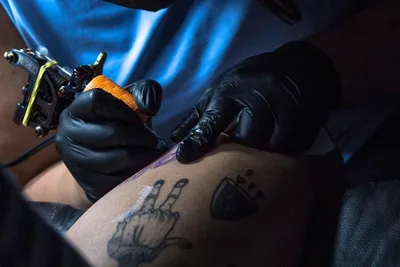
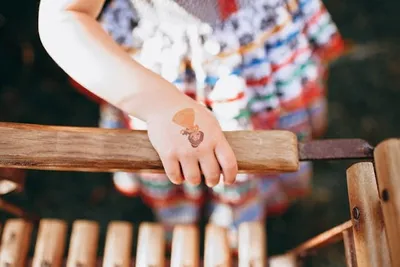
Understanding these broad style categories helps narrow choices quickly, especially when deciding between casual, formal, or functional uses. The belt buckle look can pair well with tattoos - for costumes, you might wonder if temporary tattoos are safe for sensitive skin, so always check the instructions carefully.
|
Buckle Type |
How It Works |
Best For |
Pros |
Cons |
|
Prong / Pin Buckle |
A prong fits into holes punched in the belt. |
Daily wear, jeans, casual or formal outfits. |
Simple, durable, universally understood, adjustable in set increments. |
Limited by hole spacing; wear around holes over time. |
|
Frame Buckle |
Similar to prong buckles but with more creative frame shapes and metalwork. |
Fashion-forward styles, custom designs, dress belts. |
Allows distinctive shapes; good balance of style and function. |
Can be bulkier depending on design; still limited by holes. |
|
Plate Buckle |
A decorative plate hooks onto the belt strap; tension comes from the strap itself. |
Western wear, statement belts, costume/heritage outfits. |
Highly decorative; ideal for large branding or ornate engraving. |
Not ideal for minimalists; requires specific belt straps with snaps. |
|
Automatic / Ratchet Buckle |
Internal teeth lock into a track rather than using holes. |
Modern style, users who want precise adjustability, weight fluctuation. |
Ultra-adjustable, clean look, no hole wear; very secure. |
Track can wear over time; bulkier mechanism. |
|
Western Trophy Buckle |
Oversized engraved plate with a hook-and-catch system. |
Rodeo events, collectors, heritage fashion. |
High visual impact, rich cultural symbolism, customizable. |
Very large; not practical for everyday or subtle outfits. |
What Western Buckle Styles Should You Know About?
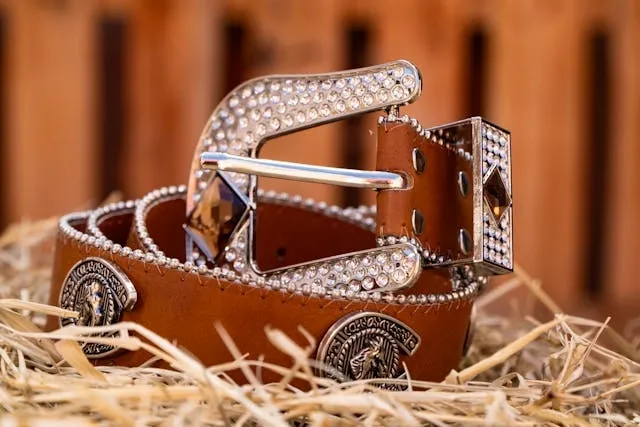
Western buckles are their own world, and if you’ve ever seen a true rodeo buckle up close, you know how striking they can be. These designs lean heavily into symbolism, with common shapes including:
- Stars
- Longhorns
- Filigree
- Rope borders
- Detailed engraving
The size alone sets them apart from other belt buckle styles. They’re meant to be seen, not blended into an outfit quietly. Many people associate western belt buckle types with cowboy culture, and that’s accurate, but they’ve also grown into fashion statements outside their original roots.
Their bold, oversized silhouette makes them popular among people who appreciate statement accessories. Whether you’re exploring western belt buckle types for workwear, tradition, or personal style, it helps to understand that these buckles often reflect heritage and storytelling.
For branding, get a strong understanding of how to use custom printed promotional items effectively.
What Are The Most Recognizable Western Designs?
Among western buckles, a few recurring themes appear again and again because they carry such strong cultural value. Let’s take a look at trophy buckles and engraved scrollwork buckles.
- Trophy buckles: These oversized plates are awarded in rodeo competitions, and they are among the most recognizable.
- Engraved scrollwork buckles: These are another classic, often paired with rope edging for a traditional finish.
With trophy buckles, they usually feature detailed engraving, central imagery such as bronc riders, and ornate borders. With engraved scrollwork, some designs highlight ranch brands, state symbols, or iconic western imagery like eagles and longhorns. Compared to other kinds of belt buckles, these pieces feel almost like jewelry.
Many western communities still treat these buckles as meaningful personal items, and we’ve always respected how much history and pride they carry. Work with us to create custom die struck belt buckles and other styles to replicate the Western look or create something completely unique.
Looking for a colored belt buckle?
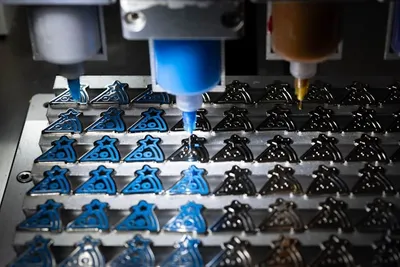
Work with us to create custom die struck belt buckles that can represent your branding or any other design in vibrant colors.
What Specialty Or Non-Standard Buckles Should You Know?
Beyond familiar mechanisms, there are several specialty buckles worth understanding. Some appear in fashion collections where designers experiment with unusual shapes or clasp systems. Others arise from specific industries - military buckles, for instance, often rely on quick-release mechanisms designed for safety and speed rather than aesthetics.
Luxury brands introduce unique metal belt buckle types with proprietary clasps or decorative architecture that functions almost like miniature sculpture. These non-standard options usually solve a niche problem, such as:
- Security
- Rapid fastening
- Distinctive visual character
While they may not be as universal as common buckle types, they appeal to people who enjoy items with purpose-built engineering. If you’ve ever handled one of these specialty pieces, you’ll notice how different they feel compared to traditional designs - sometimes more complex, sometimes surprisingly intuitive.
A historical-cultural survey of belts and buckles traces their development from the Bronze Age to modern fashion. Specialty and non-standard buckles broaden the landscape of what a belt buckle can be.
What Is An Instep Closure?
An instep closure isn’t something most people encounter unless they work with footwear or specialized garments. Instead of fastening a belt around the waist, an instep closure appears on boots or clothing where the fastening mechanism sits across the arch or lower foot area.
It’s engineered to secure the item in place without restricting movement. Although it’s rarely used in standard belt straps, understanding this type of buckle helps clarify how many different buckle types exist across industries.
The design tends to prioritize durability and flexibility, especially in work boots or protective gear. We’ve always thought of instep closures as a reminder that fastening mechanisms serve many more purposes than fashion alone.
While this type of buckle isn’t common in everyday belts, it still represents an important category when exploring broader fastening technology. There is archaeological evidence of many belt buckle designs across periods, and this is quite a unique one.
What Japanese Or Cultural Buckle Styles Exist?
Cultural belt traditions offer some of the most interesting alternatives to Western buckle design. In Japan, for example, certain traditional garments use ties, knots, or decorative clasps rather than the typical western buckle styles we’re used to.
Some people liken belt buckles to custom embroidered patches in their decorative qualities, but their functional role is evident in the variation we see in different cultures:
- Obi belts: These are a perfect example, secured with elaborate knots instead of metal hardware.
- Other cultures: Some incorporate carved wood, woven fibers, or intricate metalwork shaped by symbolic motifs.
These approaches reflect different design philosophies, often prioritizing ceremony, symbolism, or textile craftsmanship over mechanical function. Compared to western belt buckle types or modern buckle types for everyday wear, these cultural styles feel almost artistic.
Exploring them broadens one’s understanding of how people around the world use closures to express identity. It’s simple to attach a patch to a backpack or jacket, but there are many ways belt buckles from different cultures are made and attached.
How Do Mechanical Attachment Methods Affect Your Belt?
Attachment methods determine how securely a buckle connects to the belt strap, and this detail often gets overlooked by casual shoppers. Some belts use snaps, making the buckle easy to swap out, while others rely on stitching or permanent rivets for durability.
A removable system offers more flexibility if you enjoy rotating between different kinds of belt buckles, especially plate or western designs. Meanwhile, mechanical attachments prioritize strength and wear, with common ones including:
- Hooks
- Clamps
- Ratchet connectors
We’ve preferred snap-based systems for their convenience, but there’s no denying the durability of fixed attachments. Understanding these mechanisms helps you decide whether you want versatility or robust construction.
When comparing different types of belt buckle closures, the attachment method plays as significant a role as the buckle style itself. You can also pay homage to your preferred motifs with custom round buttons and similar accessories.
Create your own sophisticated belt buckle designs
Our custom 3D belt buckles have an iconic, debossed look that oozes sophistication and style.
Learn moreWhat Luxury Buckle Designs Stand Out Today?
Luxury buckles distinguish themselves through craftsmanship, weight, and attention to detail. Many use premium metals like brass, stainless steel, or sterling silver, which feel noticeably different from standard alloys.
Others feature things like:
- Detailed engraving
- Enamel work
- Stones set into the plate
High-end fashion houses often design proprietary buckle types that become part of their signature identity. These designs aren’t just about function - they’re status symbols. Some collectors treat them almost like wearable art.
The appeal comes from their longevity and the fact that they can elevate an otherwise simple outfit instantly. When browsing different styles of belt buckles, luxury options can be surprisingly tempting, even if they’re not practical for everyday wear.
For people who appreciate craftsmanship, these buckles offer a tangible sense of quality that mass-produced options rarely match. Archival records show that belt buckles began as purely functional fasteners, but they are now seen as statements of fashion and style.
What Do Belt Fasteners Symbolize Across Cultures?
Across cultures, belt buckles often hold deeper meaning than most people expect. In some regions, they represent maturity or professional identity, while in others they function as markers of status, achievement, or belonging.
- Western trophy buckles symbolize rodeo victories.
- Ornate buckles in other parts of the world may represent family heritage or regional artistry.
- Fasteners can also reflect personal taste - bold designs communicate confidence, while minimalist styles suggest a more understated approach.
When exploring different kinds of belt buckles, it’s interesting to see how symbolism shifts from one culture to another. Even in everyday fashion, a buckle can subtly indicate personality or lifestyle.
Whether with custom 3D belt buckles or any other style, this symbolic role adds another layer of appreciation for belt buckle types beyond mere practicality.

How Do You Identify Unknown Buckles Quickly?
Identifying an unknown buckle becomes easier once you know what clues to look for. Start by noting the mechanism - is it a prong, plate, clamp, or automatic type? This immediately narrows the category.
Next, examine the materials. Metal belt buckle types may show casting marks or engraving that hint at origin. Pay attention to shape as well. Certain silhouettes, like rectangular trophy plates, are unmistakably western.
Branding or stamps on the reverse side can reveal maker information, though older or vintage pieces may have worn marks. We’ve found that comparing a new find with known buckle types helps build confidence quickly.
Other things that provide hints about quality and style include:
- Texture
- Weight
- Finish
With a little practice, identifying different buckle types becomes almost instinctive, even with obscure designs. Research has noted shifts in belt buckle production after the Industrial Revolution, but there are still plenty of unique and identifiable types out there.
Frequently Asked Questions About Types Of Belt Buckles
What Are The Different Types Of Belt Buckles People Look For?
Most fall into four categories - prong, frame, plate, and automatic. Each category branches into many stylistic variations, so there are many to look for.
How Many Buckle Options Can You Expect On The Market?
The truth is, far more than most people realize. From western belt buckle types to minimalist modern clasps, the variety is broad enough to suit nearly any purpose.