How To Tighten Backpack Straps? Proper Fit, Comfort, Load Lifters, And Stability
Backpack straps are often overlooked, but they play a central role in comfort, posture, and long-term health. Many people wear backpacks daily without ever learning how to tighten backpack straps correctly, assuming discomfort is unavoidable. In practice, most issues stem from poor adjustment rather than poor design.
In this guide, we explain how to adjust backpack straps properly, avoid common mistakes, and maintain stability without sacrificing comfort or mobility. Tightening straps is not about pulling them as tight as possible, but about positioning the load so it works with the body.


Key Takeaways
- Proper strap adjustment improves posture, comfort, and load stability.
- Backpack straps should feel secure without restricting movement or circulation.
- Small adjustments make a significant difference, especially with heavier loads.
- We supply high-quality custom backpacks in various styles that feature adjustable straps and various other features at affordable prices.
Table of contents
-
How To Tighten Backpack Straps?
-
How To Loosen Backpack Straps When They Feel Too Tight
-
How To Adjust School Backpack Straps Safely For Students
-
How To Shorten Backpack Straps Without Cutting Them
-
Why Do My Backpack Straps Keep Coming Loose?
-
What Should I Do With Loose Straps On A Backpack?
-
What Is The Anatomy Of Backpack Straps?
-
Why Is Proper Strap Adjustment Crucial For Health And Safety?
-
Advanced Tips To Avoid Common Strap Adjustment Mistakes
How To Tighten Backpack Straps?
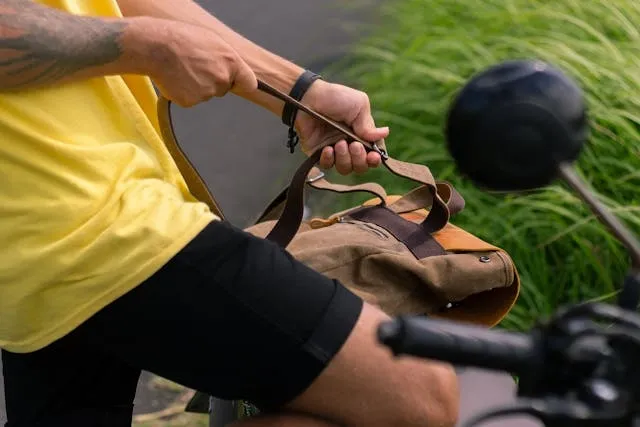
The main adjustment straps are located at the bottom of each shoulder strap, typically hanging downward once the backpack is worn. To tighten backpack straps correctly, place the backpack on your back first, then pull both straps downward and slightly backward using even pressure.
Pulling straight down helps avoid uneven tension that can twist the pack. You should stop tightening once the backpack sits close to your upper back without pressing into your neck or shoulders.
It is common for people to overtighten, thinking firmer equals better. In reality, excessive tightening leads to issues like:
- Restricted movement
- Fatigue over time
A well-adjusted backpack feels secure yet flexible, moving naturally with your body. It can also be helpful to learn how to make backpack straps longer as part of the adjustment process. We generally advise tightening gradually, checking posture after each adjustment. The goal is balance, not rigidity.
How To Adjust Backpack Straps Properly For Everyday Use
Proper adjustment should always be done while wearing the backpack, not while it is lying on the floor. Stand upright, let your shoulders relax, and adjust straps until the backpack rests evenly across your back.
Slouching during adjustment locks in poor posture and leads to discomfort later. Casual, lightly loaded backpacks require looser straps than heavily packed ones, which need closer positioning for stability.
We often see people forget that strap tension should change based on load. A 2016 study explored the effects of short vs. long shoulder straps on cervical posture and found that tighter straps generally reduces muscle strain. However, a backpack that feels perfect when empty may need tightening once you add:
- Books
- Electronics
- Gear
In 2026, everyday adjustment is a habit, not a one-time setup, and small corrections prevent long-term strain.
|
User Type |
Common Adjustment Mistake |
Why It Happens |
Consequence |
|
Students |
Wearing straps too loose so the backpack hangs low |
Trying to reduce shoulder pressure or imitate peer habits |
Increased lower back strain, forward lean, shoulder fatigue |
|
Office Commuters |
Keeping the same strap length regardless of load changes |
Daily carry feels “light enough” until weight suddenly increases |
Uneven posture, neck tension, shifting load during walking |
|
Travelers |
Over-tightening straps for security |
Fear of bouncing or theft in crowded areas |
Restricted circulation, shoulder numbness, limited mobility |
|
Hikers / Outdoor Users |
Ignoring load lifters or adjusting them incorrectly |
Lack of understanding of their function |
Shoulder overload, poor weight transfer to hips |
|
Children / Teenagers |
Uneven strap lengths |
Rushed adjustments or one-shoulder carrying habits |
Asymmetrical muscle strain, spinal compensation |
How To Loosen Backpack Straps When They Feel Too Tight
Overtightened straps commonly cause shoulder soreness, tingling arms, or a pulling sensation at the neck. When this happens, loosening is necessary for circulation and comfort. To loosen a backpack strap, do the following:
- Gently lift the strap near the adjustment buckle to release tension rather than yanking downward.
- Shoulder straps should be loosened independently from chest or waist straps, which serve different functions.
Many people mistake tightness for support, but excessive pressure compresses muscles and nerves. We recommend loosening straps slightly, walking a few steps, and reassessing how the backpack feels in motion. Comfort should improve immediately.
If it doesn’t, additional adjustments elsewhere may be needed. We supply high-quality custom Thule Construct 16 computer backpacks 24L and many other varieties you can explore. Benefits include adjustability, personalization, and affordable prices, particularly with bulk ordering.
Looking for a high-end custom backpack with adjustable straps?
Work with us to create custom Bellroy Classic 16 computer backpacks for durable and flexible packs that suit a range of needs.
How To Adjust School Backpack Straps Safely For Students
School backpacks require frequent readjustment because weight changes daily. Books, laptops, and supplies alter how the backpack sits, making static adjustments ineffective. For students, proper strap adjustment:
- Supports posture
- Reduces unnecessary strain on developing spines
Shoulder straps should be even, keeping the backpack centered and preventing leaning to one side. The backpack should rest against the upper back, not sag toward the hips. We strongly advise checking strap length weekly, especially during heavy academic periods.
A 2022 study into the impact of backpacks on ergonomics found that shorter and tighter load placement optimized balance, minimizes muscle activation, and reduces energy expenditure. Small adjustments help distribute weight evenly and reduce fatigue.
Teaching students how to adjust school backpack straps empowers them to recognize discomfort early and correct it before pain develops.
How To Shorten Backpack Straps Without Cutting Them
Cutting backpack straps is rarely a good solution and often damages resale value or future usability. Straps may appear too long by default, especially on adjustable backpack straps designed for multiple body sizes.
Instead of cutting, shortening can be done using folding or looping techniques that preserve the strap’s integrity. This is particularly useful for smaller users or lightweight loads. And it is best because it doesn’t do irreversible damage to the pack, ensuring future adjustments are possible if circumstances change.
We recommend experimenting with reversible methods first, as needs change over time. A backpack adjusted for summer use may require longer straps in winter when worn over thicker clothing.
These backpacks are designed with adjustable straps for a reason, and many incorporate features to deal with long hanging straps. Preserving flexibility ensures long-term comfort without permanent alterations.
How To Shorten Backpack Straps Using Folding Methods
Folding methods involve neatly doubling excess strap length and securing it near the adjustment hardware. The fold should sit flat against the strap to avoid rubbing or pressure points.
Things you can use to help hold folds in place include:
- Elastic bands
- Strap keepers
- Built-in loops
Positioning the fold close to the buckle keeps the adjustment clean and balanced. We prefer this approach because it allows quick length changes without tools. You should pay attention to how much a backpack weighs to adjust strap length accordingly - this is something you will need to do periodically.
Importantly, folded straps should not interfere with shoulder movement. Reversible folding maintains functionality while improving appearance and safety, especially when excess straps might otherwise swing freely during movement.
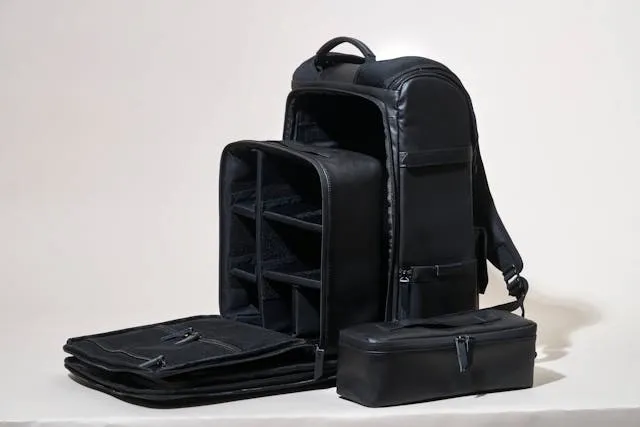
Choose a dedicated laptop backpack with diverse features
With our service, you can create your own custom High Sierra 17 computer UBT deluxe backpack with various compartments and adjustable features.
Learn moreWhy Do My Backpack Straps Keep Coming Loose?
Backpack straps often loosen due to friction loss, heavy loads, or worn hardware. Smooth strap materials may slip through buckles during movement, especially when walking or climbing stairs. Repeated shoulder motion gradually reduces tension if buckles lack grip.
Poor-quality adjustment hardware also contributes to this issue. We have noticed that heavier loads accelerate slippage, as gravity constantly pulls downward. Researchers have found that strap geometry and fit directly influence shoulder pressure, so it is important to keep coming back and checking your strap length.
Regular checks and occasional re-tightening are normal, not a sign of failure. Ensuring straps are threaded correctly through buckles improves friction and stability significantly. Sometimes, the solution is technique rather than replacement.
In search of a sleek design in an adjustable backpack?
Create your own custom Thule Stravan 2.0 backpack for a travel pack that offers versatility from the office to the airport and more.
What Should I Do With Loose Straps On A Backpack?
Dangling straps are more than a cosmetic issue; they can snag on objects or interfere with movement. Loose straps also create noise and visual clutter, which many find distracting. Altogether, they are not something that you want to be dangling from your backpack.
You might adjust your strap length to accommodate changes in load, such as adding a custom leather notebook with a pen or a tablet. When you make adjustments, excess length can be managed with elastic keepers by:
- Rolling
- Folding
- Securing straps
Some backpacks include built-in strap management systems, while others require simple accessories. We recommend avoiding knots, as they are difficult to adjust and can weaken material over time.
Managing loose straps improves safety, appearance, and overall comfort, especially in crowded or active environments. Whether you are using a custom High Sierra Impact backpack or any other variety, this is an important step for using your backpack.
What Is The Anatomy Of Backpack Straps?
Understanding strap construction helps users adjust and maintain their packs correctly. Most backpack straps include padded shoulder sections, adjustable webbing, buckles, and anchor points sewn into the pack body.
A biomechanical study from 2018 quantifies how different strap structures and mechanical properties affect strain on shoulder tissues, so understanding the anatomy of backpack straps can be helpful:
- Padding distributes pressure across a wider surface, reducing hot spots during extended wear.
- The adjustable webbing allows fine control over fit.
- Buckles lock tension in place.
Many designs also include sternum straps and load lifters, which stabilize the upper body and shift weight closer to the torso. In our experience, strap quality often matters more than bag size. Poor stitching or slippery webbing leads to constant readjustment.
Knowing how each component functions makes it easier to diagnose discomfort, correct imbalance, and use adjustable backpack straps as they were intended. This knowledge builds confidence and carrying comfort.
Choose a daypack that is flexible and adjustable
We can create a custom Topo Designs recycled classic 15 laptop daypack with your personalized design for a durable and resilient solution.
Get startedWhy Is Proper Strap Adjustment Crucial For Health And Safety?
Backpack straps directly influence posture, balance, and movement efficiency. When straps are uneven or overly loose, the load pulls backward, encouraging rounded shoulders and forward head posture.
Over time, this pattern contributes to muscle strain and joint stress. We often see people normalize discomfort, assuming soreness is unavoidable, when adjustment would solve it. Proper tightening keeps weight close to the spine, reducing leverage on the lower back.
It also improves stability when walking on:
- Stairs
- Sidewalks
- Uneven ground
From a safety perspective, controlled loads reduce tripping risk and sudden shifts. Consistent adjustment habits protect the body, extend backpack lifespan, and support comfortable movement during daily routines.
These small corrections add up to meaningful long-term health benefits for everyday users and students alike. Whether you are using a standard backpack size or something more unorthodox, frequent strap adjustment is important to look after your health well.
Are There Health Risks With Improper Strap Adjustment?
Improper strap adjustment can lead to health risks, and they are often subtle at first. Tight straps can compress nerves near the shoulders, leading to tingling, numbness, or radiating arm discomfort.
Loose straps, on the other hand, increase muscle fatigue as the body constantly compensates for movement. Circulation may also be affected when pressure is uneven or excessive. Over weeks and months, these issues can develop into chronic pain in the:
- Neck
- Shoulder
- Lower back pain
Experts agree that proper strap adjustment keeps the pack close to the body, distributes load evenly, and limits musculoskeletal strain. We have encountered users who blamed their workload, not their backpack, but improper adjustment also encourages asymmetrical carrying habits, which compounds strain.
Addressing strap fit early prevents escalation, supports healthy posture, and keeps daily carrying from becoming a long-term physical problem. These risks highlight why learning how to adjust backpack straps correctly matters for comfort, safety, and long-term mobility.

Advanced Tips To Avoid Common Strap Adjustment Mistakes
Advanced tips to avoid common strap adjustment mistakes focus on consistency and awareness. Straps should be checked whenever load weight changes, even slightly. A custom Case Logic Invigo recycled 16 laptop backpack adjusted for a laptop feels different once books or gear are added.
Here are some more tips you can follow:
- We suggest loosening all straps before tightening them in order, rather than compensating randomly.
- Periodically inspect buckles and webbing for wear, since slipping hardware undermines fit.
- Walking a few minutes after adjustment reveals pressure points static fitting misses.
- It is also wise to reassess fit as seasons change, because clothing layers affect tension.
In our experience, people set straps once and forget them. Treat adjustment as an ongoing habit, not a one-time task, and comfort improves noticeably. Also, be mindful of what your backpack is appropriate for - if you are packing for a few days away, for example, it might be better to use a custom Bellroy Classic weekender 45L duffel instead of a backpack.
This approach reduces fatigue, prevents strain, and helps backpacks perform as designed during everyday use and travel situations alike.
Frequently Asked Questions About How To Tighten Backpack Straps
How To Tighten Backpack Straps For Better Fit?
Tighten straps while wearing the backpack, pulling evenly until the pack sits close to your back without restricting movement or circulation.
How Tight Should Your Backpack Straps Be?
Straps should feel secure and supportive, allowing natural movement while keeping the load stable and close to your spine.