How To Measure A Backpack? Accurate Dimensions, Size, Fit, And Capacity
Understanding how to measure a backpack correctly is more important than most people expect. In our experience working with custom-built products, small measurement mistakes often lead to issues like poor fit, wasted space, or unexpected compliance issues with airlines and events.
In this guide, we share practical insights based on hands-on work, not generic advice. When measurements are taken correctly, backpacks perform better, carry more efficiently, and feel noticeably more comfortable during extended use.


Key Takeaways
- Accurate backpack sizing requires measuring height, width, depth, and usable internal space together, not relying on labels alone.
- Backpack volume in liters often matters more than external dimensions, especially for comfort and load distribution.
- Proper measurement helps prevent fit issues, airline conflicts, and wasted space when choosing or customizing a backpack.
- We supply high-quality custom backpacks in a range of sizes and styles with clear measurements and capacities for your needs.
Table of contents
-
How To Measure A Backpack?
-
How To Measure A Backpack Dimensions Correctly
-
How Is Backpack Size Measured And Written In Dimension Formats?
-
How To Calculate Backpack Volume In Liters Accurately?
-
How Do I Size A Backpack Properly For Comfort And Use?
-
What Tools Do You Need To Measure A Backpack Accurately?
-
How To Convert Backpack Dimensions From Centimeters To Inches?
-
How To Measure A Backpack Correctly Using General Sizing Guides?
How To Measure A Backpack?
To understand how to measure a backpack, start by placing it upright on a flat surface. The pack should be lightly filled or structured so it holds its intended shape without bulging. This creates the ideal conditions to measure your custom Thule recycled All-Trail 18L 15 laptop backpack or other variety of pack.
From here, do the following:
- Measure the height from the bottom of the base to the highest point of the bag, excluding handles unless stated otherwise.
- Width is measured across the widest front-facing section.
- Depth is measured from the back panel to the front.
These three figures represent the core measurements of your backpack. We have seen inconsistencies arise when packs are flattened or overstuffed during measurement.
Taking measurements in this controlled way ensures clarity when comparing products or determining compatibility with storage, travel, or customization requirements. Whether you plan to carry a laptop, tablet, books, or something specific like a custom Chi-Charge Stack and Wall Charger in Zipper Case, it is vital to know if a bag is the right size for your carrying needs.

How To Measure A Backpack Dimensions Correctly
Backpack dimensions refer to the external size of the bag, expressed as height, width, and depth. In practical use, these numbers indicate how much physical space the backpack occupies rather than how much it can carry.
When learning how to measure backpack dimensions, it is essential to distinguish exterior measurements from usable internal capacity. External size may include things that don’t translate into storage space, such as:
- Pockets
- Curved panels
For accurate results, backpacks should be measured while lightly filled or structured, not collapsed. This mirrors how the bag performs during normal use.
A 2018 study into ergonomic design of school backpacks used anthropometric measurements to define the optimal backpack height and breadth measurements for individuals. Height, width, and depth form the foundation of all backpack sizing standards.
We have found that ignoring structure leads to misleading results, especially for soft-sided packs. Measuring correctly in 2026 ensures fair comparison across brands and avoids misunderstandings when selecting or customizing a backpack for specific applications.
|
Primary Use Case |
Measurement That Matters Most |
Typical Acceptable Range |
|
Airline Carry-On Travel |
Height (external) |
45–56 cm (18–22 in) |
|
Laptop Commuting (Work / School) |
Internal width & sleeve size |
Fits device + 2–3 cm clearance |
|
Daily Urban Commuting |
Volume (liters) |
15–25 L |
|
Students (Books + Laptop) |
Depth & volume combined |
18–30 L |
|
Event / Stadium Compliance |
Width & depth |
Often under 30 × 15 cm |
|
Hiking / Long Wear |
Torso (spine) length fit |
Matches torso size category |
|
Gym / Sports Use |
Depth & compartment layout |
20–35 cm depth typical |
Looking for a sleek solution for your backpack needs?
Work with us to create your own Case Logic 15 computer and tablet backpack, suitable to hold a 15.6 inch laptop with various other pockets and compartments.
How Is Backpack Size Measured And Written In Dimension Formats?
Dimension order matters more than many people realize. Backpack sizes are typically written as height × width × depth, although some manufacturers reverse width and depth. This inconsistency is a common source of confusion when people ask how backpacks are measured across different retailers.
Length, height, and depth are often used interchangeably, even though they describe different orientations. It’s the same when exploring how to measure your torso for backpack fit. Manufacturers usually list measurements in a fixed format, but online listings may not explain it clearly.
Common notation styles include:
- Inches
- Centimeters
These are sometimes accompanied by volume in liters. We have encountered situations where two backpacks appear similar on paper but differ significantly due to reversed dimension order.
Understanding how measurements are presented allows buyers to interpret listings accurately and avoid incorrect assumptions. Always confirm which side of the backpack each measurement refers to before making comparisons.
Choose a versatile backpack solution for larger carrying needs
With the High Sierra Elite Fly-By 17 computer backpack, you get a checkpoint-friendly laptop compartment and organizer pockets with superb comfort features.
Learn moreHow To Calculate Backpack Volume In Liters Accurately?
Backpack volume represents the total internal storage capacity and is measured in liters rather than dimensions. Liters are used because they describe usable space, not shape. This distinction matters when comparing backpacks with different designs but similar capacities.
Learning how to measure a backpack by volume involves estimating internal compartments rather than relying solely on exterior size. Volume becomes more important than dimensions when the priority is:
- Comfort
- Packing efficiency
- Load balance
Basic volume calculation multiplies internal height, width, and depth, then converts cubic centimeters to liters. Researchers have assessed how backpacks fit users using 6 ergonomic formulas and anthropometric data, and these fit metrics are fundamental.
However, this method is approximate due to curved panels and pockets. In practice, manufacturers often determine volume through standardized fill tests. This is why it can be best to do your own measurements to determine how much a backpack weighs and other key variables.
From our perspective, volume is the most meaningful metric for day-to-day use, provided it is paired with proper fit and weight distribution considerations.
Best Way To Figure Out The Size Or Volume Of An Old Pack
Determining the size or volume of an older backpack can be challenging, particularly when manufacturer information is no longer available. The first step is to measure the external dimensions manually using a tape measure, following the same height, width, and depth method used for newer packs.
This provides a baseline for comparison. However, external measurements of a backpack rarely reflect usable internal space, especially when there are things like:
- Thick padding
- Curved panels
Estimating internal capacity requires a more thoughtful approach. One commonly referenced method involves conceptually filling the pack with evenly sized items or containers to approximate volume.
While some people mention water-based methods, we generally view them as illustrative rather than precise. External-only measurement has clear limitations, but when combined with internal estimation, it offers a reasonably accurate picture.
You could look at standard backpack size measurements and approximate yours based on the nearest visual match if you have no other option available. We have relied on these approaches when evaluating legacy packs for redesign or modification.
How Do I Size A Backpack Properly For Comfort And Use?
Proper backpack sizing balances dimensions, volume, and fit rather than relying on a single metric. Volume alone can be misleading, as two packs with identical liter ratings may carry weight very differently.
Comfort depends on how the backpack sits against the body and how the load is distributed across key points, such as the:
- Shoulders
- Back
- Hips
When learning how to measure a backpack for comfort, it is important to consider adjustability, frame structure, and strap placement alongside capacity. Your custom Americana wrapped leather journal, tablet, and other things all need to be organized evenly.
Load distribution plays a critical role in reducing fatigue and pressure points during extended use. We recommend a holistic sizing approach that evaluates how the pack performs when worn, not just how it measures on paper.
For specialized needs, some users choose products like custom Topo Designs recycled Rover 15 laptop backpacks and other products from our online store, allowing precise sizing and structural customization. This approach ensures both comfort and functional efficiency without compromise.
How Is The Correct Sizing Of A Backpack Determined By Spine Length?
Spine length, often referred to as torso length, is a critical factor in determining correct backpack sizing. It directly affects how weight is transferred from the shoulders to the hips. A backpack with adequate volume but incorrect torso length will feel uncomfortable regardless of capacity.
Experts have tested backpacks using anthropometric data like spine length and explored how this affects comfort and muscle activity to demonstrate the importance of backpack dimensions. This explains why volume does not equal comfort.
When spine length is mismatched, users experience strain over time as pressure points develop at the:
- Shoulders
- Lower back
- Neck
Measuring torso length involves identifying the distance between key spinal landmarks rather than relying on height alone. We have observed that many discomfort issues stem from overlooking this step entirely.
Proper torso measurement ensures that suspension systems align correctly with the body. When backpack sizing accounts for spine length, load stability improves, posture remains balanced, and carrying heavier loads becomes significantly more manageable.
Looking for a sustainable backpack solution?
Whatever your size needs, consider the Terra Thread Fairtrade Earth 15 computer backpack for its ethical production and generous carrying capacity.
What Tools Do You Need To Measure A Backpack Accurately?
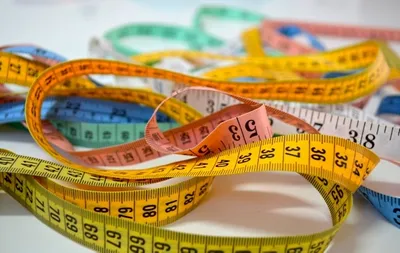
Accurate measurement does not require specialized equipment, but the right tools improve consistency. A flexible tape measure is essential for capturing height, width, and depth accurately, especially around curved surfaces. A flat surface helps stabilize the backpack during measurement.
In most cases, advanced tools are unnecessary unless precision engineering or manufacturing is involved. We emphasize preparation over complexity. Lightly filling or structuring the backpack before measuring ensures realistic dimensions.
Measuring without preparation often results in underreported sizes. A 2003 study compared backpacks of varying designs and sizes to measure subjective responses to comfort, functionality, and style perception. For those asking how to measure backpack dimensions reliably, consistency matters more than sophistication.
Using the same tools and method each time allows meaningful comparison across different packs. We have found that careful setup prevents discrepancies and saves time, particularly when documenting measurements for customization or compliance purposes.
Choose a stylish backpack solution for diverse needs
The Thule Heritage Notus 16 computer backpack 20L is a relatively compact pack designed for students or commuters, and it will work for your needs.
Get startedHow To Convert Backpack Dimensions From Centimeters To Inches?
Dimension conversion is frequently required due to regional and airline-specific standards. Many manufacturers list measurements in centimeters, while others use inches, creating confusion for buyers.
Converting between systems involves dividing centimeters by 2.54 to obtain inches. While the math is straightforward, rounding practices matter. Excessive rounding can cause issues when backpacks must meet strict size limits.
Airline carry-on regulations are a common example. We recommend rounding down rather than up when compliance is critical. Understanding conversions also helps when comparing international listings or specification sheets.
There is lots of research into how design factors influence things like:
- Balance
- Gait
- Muscle activation
- Comfort
But studies are limited on practical implications of dimensions for backpacks when travelling. Example-based thinking simplifies the process: a 50 cm backpack is just under 20 inches tall. In our experience, clarity around conversions reduces unnecessary returns and misunderstandings.
Accurate conversion supports informed decisions when evaluating measurements of a backpack across different markets.

How To Measure A Backpack Correctly Using General Sizing Guides?
General sizing guides exist to simplify decision-making, especially for first-time buyers. These guides provide average ranges for volume, dimensions, and intended use. However, they should be treated as reference points rather than definitive answers.
Sizing guides are most helpful when combined with direct measurement and real-world fit assessment. Learning how to measure a backpack alongside a guide allows users to validate assumptions instead of relying on labels.
We encourage combining multiple measurement methods to achieve accuracy. Things that contribute to effective sizing include:
- External dimensions
- Internal volume
- Torso fit
Assumptions based solely on category names, such as “daypack” or “travel pack,” often lead to disappointment. Precision matters more than convenience. When guides are used thoughtfully, they support better decisions without replacing proper measurement practices. Take advantage of them as you explore custom CamelBak Lax 15 computer backpacks and other options.
Frequently Asked Questions About How To Measure A Backpack
How To Measure A Backpack For Accurate Sizing?
Place the backpack upright, lightly filled, and measure height, width, and depth using straight lines. Consistency and structure are essential.
What Is The Best Way To Figure Out The Size Or Volume Of An Old Pack?
Measure external dimensions and estimate internal capacity using packing methods. Combine both for the most reliable approximation.