Rollerball Vs Ballpoint: Key Differences, Writing Feel, And Which Pen To Choose
The debate around rollerball vs ballpoint pens comes up more often than you might expect, especially when writing quality and reliability actually matter. We have worked with pens in professional, creative, and commercial environments, and the differences are not merely theoretical.
In this article, we break down the differences clearly, without exaggeration. Whether you are choosing a pen for everyday notes, formal documents, or branded applications, knowing how ink behaves and how mechanisms function makes the decision far easier. Pens are simple objects, but the experience they create is not accidental.


Key Takeaways
- Rollerball and ballpoint pens differ mainly in ink type, flow rate, and writing feel, which directly affects control and appearance.
- Choosing between a ballpoint vs rollerball pen depends on usage, paper type, and durability expectations rather than brand alone.
- Understanding pen mechanics prevents frustration and helps match the right tool to real-world writing needs.
- We supply high-quality custom ballpoint pens and other varieties to deliver a personalized solution at an affordable price to meet your needs.
Table of contents
-
Rollerball Vs Ballpoint
-
How Does The Ballpoint Vs Rollerball Mechanism Work?
-
What Is A Rollerball Pen And How Does It Work?
-
What Is A Ballpoint Pen And How Does It Work?
-
How Do Rollerball Pens Compare To Ballpoint Pens For Writing Experience?
-
Is Rollerball Or Ballpoint Better For Everyday Use?
-
Between Rollerball Pen Vs Ballpoint Which Bleed More?
-
Which Pen Is Better For Signatures Between Ballpoint Vs Rollerball Pen?
-
Pros And Cons Of Rollerball Pens Vs Ballpoint Pens
-
How Can You Tell If A Pen Is Ballpoint Or Rollerball?
-
How Should You Choose Between Ballpoint Pen Vs Rollerball Pen?
Rollerball Vs Ballpoint
At a high level, the difference between ballpoint and rollerball pens comes down to ink and flow. Ballpoints use oil-based ink that dries quickly and requires pressure, while rollerballs use water-based ink that flows more freely.
This affects how the pen feels and how the writing appears. In real use, a rollerball pen vs ballpoint pen often produces darker, smoother lines, while ballpoints offer consistency and resistance to smudging.
The choice matters more than many realize. From this core distinction, we get things like:
- Writing fatigue
- Paper bleed
- Ink longevity
In 2026, we continue to see professionals switch pen types simply to improve comfort during long sessions. Before diving deeper, it helps to view rollerballs as expressive tools and a custom blue and white retractable blank ball pen as a dependable workhorse.
How Does The Ballpoint Vs Rollerball Mechanism Work?
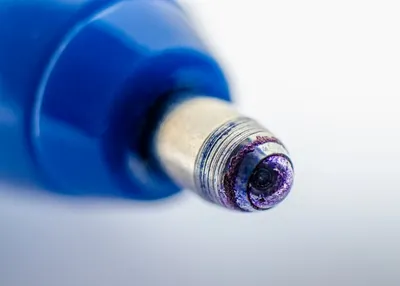
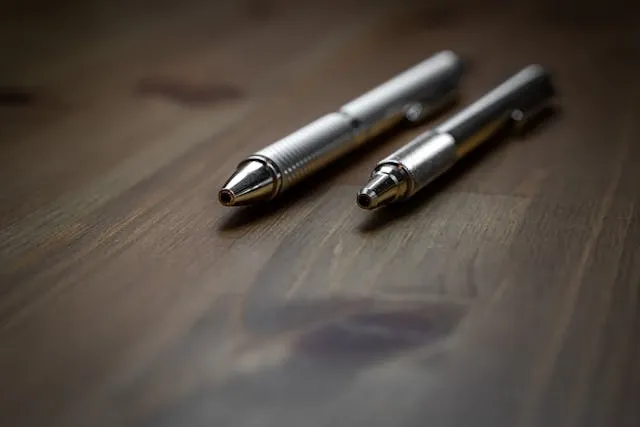
Both pen types rely on a rolling ball, but the rollerball vs ballpoint mechanism differs internally. Ballpoint pens use thicker ink that coats the ball and is transferred through pressure. Rollerball pens use thinner ink that flows naturally as the ball moves.
This difference explains why rollerballs feel smoother with less effort. Mechanically, ballpoints are more resistant to leaks and environmental changes. Rollerballs, while smoother, are more sensitive to paper and storage conditions. Neither is likely to emerge as the best pen for adult coloring, but both have significant strengths for writing.
From experience, these internal mechanics directly influence reliability over time. Understanding how a rolling ball vs ballpoint system delivers ink clarifies why each pen behaves the way it does during daily use.
|
Feature / Consideration |
Rollerball Pens |
Ballpoint Pens |
|
Ink Type |
Water-based liquid ink |
Oil-based paste ink |
|
Writing Feel |
Very smooth, low resistance |
Slightly firmer, more controlled |
|
Pressure Required |
Minimal pressure needed |
Requires more pressure to write |
|
Line Consistency |
Dark, saturated, consistent lines |
Lighter, more variable lines |
|
Drying Time |
Slower drying (varies by ink and paper) |
Fast drying |
|
Smudge Risk |
Higher, especially for left-handed writers |
Very low |
|
Bleed-Through Risk |
Moderate to high on thin/cheap paper |
Low |
|
Feathering on Paper |
More likely on low-quality paper |
Rare |
|
Water Resistance |
Generally poor (unless specialty ink) |
Good to excellent |
|
Ink Longevity |
Shorter refill life |
Long-lasting refills |
Looking for an elegant ballpoint pen with a custom design?
Work with us to create custom metal ball pens and enjoy a high-quality ballpoint experience with personalized design.
What Is A Rollerball Pen And How Does It Work?
So, what is a rollerball pen? A rollerball pen uses a water-based or gel-like ink delivered through a rolling ball tip. Unlike oil-based systems, this ink flows with minimal pressure. A peer-reviewed research article explored the differences between rollerball vs ballpoint, and this was the main finding.
The result is a darker, more fluid line. When people ask what rollerball is, they are often noticing the smoothness first. The ink composition allows it to sit closer to the paper’s surface, which improves clarity but can increase drying time.
In our experience, rollerball pens feel more natural for expressive writing. However, they demand better paper quality. Understanding what a rollerball pen is helps set realistic expectations around performance and maintenance.
What Is A Rollerball Pen Used For?
Rollerball pens are commonly used for note-taking, journaling, and situations where writing comfort matters. Their smooth flow reduces hand strain during longer sessions. Many people prefer rollerball or ballpoint based on how much they write in one sitting.
Rollerballs excel on quality paper, where the lines they produce are:
- Clean
- Saturated
However, they may bleed through thinner pages, so they might not be the best choice if you are writing notes on a custom heart sticky note or a basic notepad.
We have found rollerballs especially effective for personal notes or signatures where visual impact matters. Their popularity comes from how effortlessly they move across the page. Still, understanding their limitations helps avoid frustration when paper quality is inconsistent.
What Is A Ballpoint Pen And How Does It Work?
A ballpoint pen uses oil-based ink delivered through a small rotating ball at the tip. This ink is thicker and dries quickly, reducing smudging. When people ask what a ball pen is or about ballpoint pen meaning, they are usually referring to reliability.
Ballpoints write on almost any surface and handle temperature changes well. Their durability explains why they dominate everyday use worldwide. From experience, ballpoints rarely fail when stored properly. They require more pressure, but that trade-off brings consistency.
For businesses, including ours, smooth-writing pens often rely on refined ballpoint designs for dependable performance. Work with us to create custom Double Line metal ball pens and many other varieties with personalized designs. Our ballpoint pens offer ease of use, competitive pricing, and customization options that allow you to tailor them to your brand.
What Does Ballpoint Pen Mean In Everyday Use?
In everyday terms, a ballpoint pen represents practicality. It writes when needed, lasts longer, and tolerates rough handling. When someone asks are all pens ballpoint, the answer is no, but ballpoints set the standard for reliability.
The best ballpoint pens for note-taking perform well across environments, including:
- Offices
- Warehouses
- Schools
- Public swimming pools
- Homes
This makes them a staple for virtually every environment - a dependable instrument that is cheap, simple to use, and there when you need it.
Ink longevity and refill efficiency make them cost-effective. We have seen ballpoints outperform other pen types in demanding settings. Their simplicity is their strength. Understanding what ballpoint pens represent in daily use helps explain why they remain the default choice for so many users.
Create your own daily-use ballpoint pen
With our service, you can create custom pocket plastic ball pens for a simple yet effective solution for on-the-go writing.
Learn moreHow Do Rollerball Pens Compare To Ballpoint Pens For Writing Experience?
When comparing writing experience, the rollerball pens vs ballpoint pens distinction becomes immediately noticeable. Rollerballs require less pressure, which many users find more comfortable during extended writing. The ink flows freely, creating smoother strokes and more expressive handwriting.
Ballpoints, by contrast, offer more resistance and control. This added friction can improve precision, especially for smaller handwriting. Ink flow directly affects appearance:
- Rollerballs produce darker, fuller lines.
- Ballpoints appear lighter and more uniform.
Forensic science has explored the chemistry and physical properties of ballpoint against other writing instruments’ inks, offering authoritative insight into ink composition differences.
From experience, preference often depends on writing speed and style. Those who write quickly tend to enjoy rollerballs, while deliberate writers favor ballpoints. Neither option is objectively superior; each delivers a distinct tactile and visual experience.
Is Rollerball Or Ballpoint Better For Everyday Use?
Everyday use depends on context. If “everyday” means constant portability, varied paper, and minimal maintenance, ballpoints usually win. Naturally, everyone’s needs are different, and many people’s everyday needs will be better suited to a rollerball instead.
A ballpoint vs rollerball comparison shows ballpoints tend to be better at handling:
- Thin paper
- Temperature changes
- Storage
The comparison is similar to the difference between gel pen vs ballpoint ink.
Rollerballs excel when comfort and line quality matter, but they require more care. In our experience, people who move between notebooks, receipts, and forms appreciate ballpoints’ reliability.
Rollerballs suit desk-based work or controlled environments. Defining everyday use clearly helps answer this question honestly. There is no universal best option, only better alignment with habits and expectations.
Between Rollerball Pen Vs Ballpoint Which Bleed More?
Bleeding largely depends on ink absorption. Rollerballs use water-based ink, which penetrates paper fibers more deeply. As a result, rollerball vs ballpoint pens tend to show more bleed-through on thin paper.
Ballpoints use oil-based ink that sits closer to the surface, reducing bleed. This difference becomes obvious on things like:
- Notebooks
- Receipts
- Lower-quality paper
These things tend to use paper that doesn’t stand up so well to the deep penetration from water-based inks. In some cases, rollerball ink seeps right through onto the pages or surface beneath.
We have tested both on identical pages, and the results are consistent. While rollerballs create richer lines, they demand thicker paper. Understanding this trade-off prevents disappointment when choosing pens for everyday writing or professional documents. For some applications, a custom mechanical pencil might be an even safer choice for writing.
Want a multi-function ballpoint pen for the modern office?
Create your own custom Two Dot stylus ball pen for an elegant solution for writing on paper and on tablets when you need to.
Which Pen Is Better For Signatures Between Ballpoint Vs Rollerball Pen?
For signatures, visibility and permanence matter. Rollerballs produce darker, more pronounced lines, which many people prefer for signing documents. However, drying time can be a concern, as you may want to sign multiple documents and not have to wait before filing them.
Ballpoints dry almost instantly, reducing smudge risk. It can be helpful to look at ISO standards for pens to define the terminology, testing conditions, and performance criteria to ensure they are suitable for your needs.
When weighing ballpoint pen vs rollerball pen for signatures, context matters:
- Legal or official documents often favor ballpoints for consistency and durability.
- Personal or ceremonial signatures may benefit from rollerballs’ visual impact.
From experience, professionals often keep both options available. This way, you can rest assured that you have the appropriate documents to hand in every case. The right choice balances appearance, drying speed, and document requirements.
Pros And Cons Of Rollerball Pens Vs Ballpoint Pens
Every pen type involves trade-offs. Rollerballs offer smooth writing, minimal pressure, and bold lines, but they are more prone to bleeding and drying issues. Ballpoints deliver durability, long ink life, and versatility across surfaces, though they require more pressure.
A fair rollerball vs ballpoint comparison avoids framing one as superior. Expert analysis from 2018 compares friction and tactile feedback in wiring tasks including different pen types, providing scientific measurements.
For a fair comparison, highlight suitability. We encourage users to think in terms of application rather than preference alone. Are you using them to sign legal documents, or for note-taking? Is the pen’s aesthetic an important consideration in your environment?
Understanding these strengths and weaknesses helps avoid frustration and supports more confident decisions.
Create a unique ball pen and contribute to sustainability
If you want an eco-friendly look, our custom recycling pens are made from recycled materials and offer a high-quality experience with every use.
Get startedHow Can You Tell If A Pen Is Ballpoint Or Rollerball?
Identifying pen type can be simple. Writing feel is the first clue: rollerballs glide easily, while ballpoints resist slightly. This is an important first consideration for most, particularly if you have lots of hand-written work to do.
Here are some other things to examine:
- Ink appearance also helps. Rollerball ink appears darker and wetter. A quick test on thin paper often reveals bleed if it is a rollerball.
- Visually, packaging may state “rollerball” or “ballpoint,” but testing remains the most reliable method.
A study that investigated ballpoint pen ink performance using acoustic emission provides another measurement-based, technical comparison methodology. But the factors listed above are the simplest indicators of a ballpoint or rollerball pen.
Knowing how to tell if a pen is ballpoint prevents confusion when performance differs from expectations. Practical observation beats assumptions every time.

How Should You Choose Between Ballpoint Pen Vs Rollerball Pen?
Choosing between a ballpoint vs rollerball pen starts with habits. Consider how often you write, the paper you use, and where the pen travels. These things will serve as strong indicators of what type of pen is more appropriate for you to use.
- Frequent writers may value rollerballs’ comfort.
- Those needing reliability benefit from ballpoints.
Think about other important practical factors as well, such as storage, refills, and smudge tolerance. All of these things play a role in making the right choice for your needs.
From experience, clarity comes when users match pen type to routine rather than aesthetics. Both options serve clear purposes, and there are many choices available within them, like custom Dusky plastic ball pens. The right choice feels natural rather than forced.
Frequently Asked Questions About Rollerball Vs Ballpoint
What Is The Difference Between Rollerball Vs Ballpoint Pens?
The main difference lies in ink type. Rollerballs use water-based ink for smooth flow, while ballpoints use oil-based ink for durability and control.
Is Rollerball Better For Everyday Use Than Ballpoint Pen?
Not always. Rollerballs excel in comfort and smoothness, but ballpoints are generally more reliable for varied paper and daily portability.