How Much Weight Can A Backpack Hold? Safety, Type, And Comfortable Carrying
Understanding how much weight a backpack can hold is about much more than durability alone. In our professional experience working with functional, load-bearing products, weight limits are often misunderstood and frequently ignored. Many assume that if a backpack feels sturdy, it can carry virtually anything.
In this guide, we explain how much weight a backpack can hold safely, how limits are determined, and why comfort and long-term health should always outweigh raw capacity. With a well-informed approach, you can protect both the backpack and your physical health.


Key Takeaways
- Backpack weight limits vary widely based on design, materials, and intended use, not just size or appearance.
- Safe carrying weight for humans is often lower than the manufacturer’s maximum load rating.
- Proper packing and load distribution matter as much as total weight when preventing strain or injury.
- We supply high-quality custom backpacks with varying dimensions and weight capacities so you can find one that meets your needs.
Table of contents
-
How Much Weight Can A Backpack Hold?
-
What Determines A Backpack’s Weight Capacity And Limitations?
-
How Much Weight Can A School Backpack Hold Safely For Students?
-
How Much Does A Military Backpack Weigh And Carry?
-
How Does Backpack Size In Liters Relate To Weight Capacity?
-
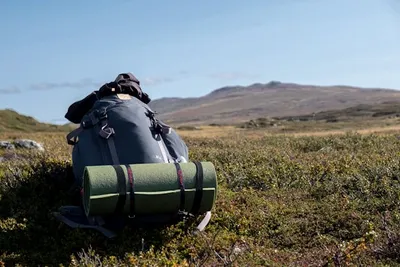
How Much Weight Is Recommended For Backpacking And Hiking?
-
How Much Weight Should A Person Carry Relative To Body Weight?
-
What Happens If You Carry Too Much Weight In A Backpack?
-
How Can You Optimize And Distribute Backpack Weight Correctly?
-
Can You Use A Backpack As Weight For Exercise Or Training?
How Much Weight Can A Backpack Hold?
How much weight a backpack can hold depends on several interrelated factors rather than a single universal standard. Design, fabric strength, stitching quality, zipper constriction, and frame support all influence the backpack weight limit.
A lightweight daypack and a reinforced expedition pack may look similar in size, but perform very differently under load. It is also important to distinguish between manufacturer-rated capacity - something which also applies to a custom Case Logic Invigo recycled 16 laptop sleeve - and what is safe for the human body to carry.
Manufacturers tend to test structural limits, but they give no mind to things like:
- Long-term comfort
- Spinal health
In practice, how many pounds a backpack can hold safely is usually less than its maximum engineered tolerance. We emphasize this distinction because many users experience discomfort or injury well before structural failure happens.
Understanding these differences allows for smarter choices when exploring custom CamelBak Lax 15 computer backpacks and other carrying solutions.

What Determines A Backpack’s Weight Capacity And Limitations?
A backpack’s weight capacity is determined by its intended purpose and engineering decisions made during design. Two backpacks with identical dimensions can have dramatically different limits due to things like:
- Fabric denier
- Seam reinforcement
- Strap anchoring
- Frame construction
Technical features such as internal frames, load lifters, and hip belts significantly increase carrying capability. Conversely, minimalist designs sacrifice strength for weight savings. We have evaluated backpacks that appeared robust but lacked internal reinforcement, reducing their usable capacity.
Capacity limitations are rarely accidental; they are trade-offs. Manufacturers balance comfort, cost, and durability depending on how the backpack is expected to be used. It’s also important to take into account how much a backpack weighs for overall measurements.
Understanding these underlying factors in 2026 helps explain why backpack weight limits vary so widely and why size alone is an unreliable indicator of strength.
|
Backpack Type |
Typical Empty Weight |
Manufacturer Load Tolerance |
Recommended Real-World Carry Weight |
|
School Backpack |
0.9–1.8 kg (2–4 lb) |
High relative to size |
5–10% of body weight |
|
Laptop / Commuter Backpack |
1.0–2.3 kg (2.2–5 lb) |
Moderate to high |
7–12% of body weight |
|
Daypack / Casual Backpack |
0.7–1.6 kg (1.5–3.5 lb) |
Moderate |
8–12% of body weight |
|
Hiking / Backpacking Pack (with frame) |
1.8–3.6 kg (4–8 lb) |
Very high |
10–15% of body weight |
|
Military / Tactical Backpack |
2.7–4.5+ kg (6–10+ lb) |
Extremely high |
Context-dependent; often exceeds civilian safety norms |
|
Rucking / Training Backpack |
1.8–3.6 kg (4–8 lb) |
Reinforced for load |
Progressive loading only (often <15%) |
|
Duffel / Non-Structured Bags |
0.9–2.3 kg (2–5 lb) |
High fabric tolerance |
Not recommended for load carriage |
How Is Backpack Weight Capacity Determined During Design?
Backpack weight capacity is established through controlled testing rather than guesswork. Common methods include static load testing, stress testing, and load cycling, where weight is repeatedly applied and removed to simulate real use.
Outdoor and military backpacks are tested differently, often under harsher conditions and heavier loads. Military designs, in particular, account for unpredictable use by incorporating:
- Redundancy
- Higher safety margins
High-quality backpacks are engineered with conservative tolerances, meaning they can exceed rated loads without immediate failure. However, this margin exists for safety, not comfort. We have observed that structural survival does not equal ergonomic suitability.
Existing literature on schoolbag weight limits for children recommends load limits ranging from 5% to 20% of body weight. Testing ensures the backpack holds together, but responsible use still requires respecting human physical limits.
Looking for a robust laptop backpack?
Work with us to create a custom High Sierra Swerve 17 computer backpack and enjoy a high weight capacity and numerous functional design features.
How Much Weight Can A School Backpack Hold Safely For Students?
School backpacks require stricter safety considerations because they are carried by developing bodies. While many ask how much weight a school backpack can hold, durability is not the primary concern.
Far more critical are considerations like:
- Posture
- Spinal alignment
- Muscle development
Health professionals commonly recommend limits based on body weight rather than backpack strength. A bag may physically hold heavy textbooks without tearing, yet still cause strain or long-term discomfort.
While learning things like how to make backpack straps longer can help, children are less able to compensate for poor load distribution, making proper limits essential. We strongly believe durability should never be confused with safe carrying capacity for students.
Some families explore options like custom High Sierra Enzo backpacks other other varieties for different usage styles from our online store at accessible prices. This allows size, support, and weight distribution to be matched more thoughtfully to the user.
How Much Does A Military Backpack Weigh And Carry?
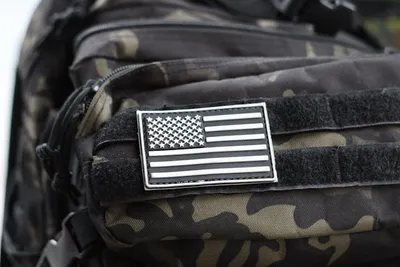
When discussing how much a military backpack weighs, it is important to separate empty weight from carrying capacity. Military packs are often heavier than civilian models due to reinforced fabrics, frames, and attachment systems.
An empty military backpack may weigh several pounds before any gear is added. However, these packs are designed to carry extreme loads, sometimes exceeding what is reasonable for civilian use.
A 2015 study found that backpacks heavier than 10% of body weight may alter lumbar spine curvature. This is why it is important to consider the pack you choose and what you put in it:
- Issue packs prioritize durability and modularity.
- Civilian tactical packs often balance strength with comfort.
Although military backpacks can carry significant weight, this does not mean such loads are appropriate outside operational contexts. We have found that their design reflects necessity rather than everyday practicality, making them impressive but often excessive for general use.
Choose a contemporary commuter daypack with strength in mind
Use our service to customize a Thule Stravan 15 computer backpack with multiple padded compartments and flexible storage capacity in an ergonomic design.
Learn moreHow Does Backpack Size In Liters Relate To Weight Capacity?
Backpack size in liters describes internal volume, not how much weight the backpack can safely carry. This distinction is often overlooked. A larger volume allows more gear to fit, but it does not guarantee structural strength or comfort under load.
Many people assume that a 70-liter pack automatically supports more weight than a 40-liter pack, which is not always true. Things that matter more than volume when it comes to weight capacity include:
- Frame design
- Suspension systems
- Material strength
Liters measure space, not load tolerance. We have seen high-capacity packs struggle under moderate weight due to inadequate support. What’s more, if you overload a large bag with heavy items, studies show that excessive load carriage affects biomechanics negatively.
Understanding this relationship prevents overloading and helps set realistic expectations. Weight capacity must be evaluated alongside volume, not inferred from it. Treating liters as a measure of strength is a common but avoidable misconception.

How Much Weight Is Recommended For Backpacking And Hiking?
Backpacking and hiking place unique demands on both equipment and the human body. Loads must support endurance, balance, and sustained movement over uneven terrain. General guidance often recommends keeping total pack weight within a manageable range rather than maximizing capacity.
- Beginners typically benefit from lighter loads to reduce fatigue and improve stability.
- Experienced hikers may tolerate slightly heavier packs due to conditioning and refined packing skills.
However, if you are an experienced hiker, you will know that more weight does not necessarily equate to better preparedness.
We have found that hikers who carry less often travel farther and recover faster. Backpack weight limits in hiking are as much about energy conservation as safety. And as you explore things like how to attach a sleeping bag to a backpack, remember that these things add weight too.
Smart weight management improves enjoyment, reduces injury risk, and allows better focus on surroundings rather than physical strain.
How Much Weight For Backpacking Improves Comfort And Safety?
Comfort and safety improve significantly when backpacking weight is intentionally minimized. Lightweight packing focuses on selecting multipurpose gear, eliminating redundancy, and prioritizing essential items.
This approach does not mean sacrificing preparedness; it means being deliberate. We have observed that many discomfort issues stem from carrying “just in case” items that rarely get used. When you reduce unnecessary weight, you:
- Improve balance
- Decrease pressure on joints
Equally important is how weight is distributed inside the pack. Even a moderate load can feel heavy if poorly balanced. Emphasizing balance over raw capacity allows hikers to move more naturally and maintain proper posture.
In practice, lighter, well-organized packs consistently outperform heavier ones in both comfort and safety during extended trips. Studies have found that children carrying backpacks weighing more than 10% of their body weight are more likely to experience musculoskeletal pain, so minimizing weight is important.
In search of the perfect high-capacity backpack?
We can customize a Topt Designs recycled Y Pack 15 laptop backpack so you can take advantage of the spacious main compartments and ergonomic features.
How Much Weight Should A Person Carry Relative To Body Weight?
Backpack safety is closely tied to the carrier’s body weight. Many guidelines suggest limiting pack weight to a percentage of total body weight, particularly for long-duration carrying. This approach accounts for individual strength, endurance, and skeletal structure.
While the results from studies differ, indications are that backpack weight should not exceed the range of 5% to 15% of body weight.
- Short-term carrying may allow slightly higher percentages.
- Long-term or daily use requires more conservative limits.
Ignoring this relationship increases the risk of fatigue and injury. We have seen individuals exceed reasonable limits without immediate pain, only to experience issues later.
Injury prevention depends on respecting personal thresholds rather than testing extremes. Body-weight-based guidelines provide a practical framework for safer decisions, especially when carrying loads repeatedly or over long distances.
What Happens If You Carry Too Much Weight In A Backpack?
Carrying excessive weight produces both immediate and long-term effects. Short-term strain often appears as shoulder pain, lower back tension, or reduced balance. Over time, repeated overloading can contribute to joint stress, spinal compression, and muscular imbalances.
Pain is not always the first warning sign. Before discomfort becomes noticeable, you may notice things like:
- Subtle shifts in posture
- Changes in gait to compensate for strain
We have observed that many people adapt temporarily, masking strain until damage accumulates. This is why backpack weight limits should be respected even when the load feels manageable.
Structural tolerance does not protect the human body from cumulative stress. Responsible weight management is preventative, not reactive.
Get your own high-quality, durable custom backpack
The CamelBak DEN 15 laptop backpack is made from coated RPET polyester and offers ample capacity with the strength to manage lots of weight.
Get startedHow Can You Optimize And Distribute Backpack Weight Correctly?
Optimizing backpack weight is about placement as much as total load. Heavier items should sit close to the body and near the center of the pack to maintain balance. Lighter items belong farther from the back or toward the top.
Poor packing creates instability, making even lighter loads feel awkward. We often emphasize that inefficient packing reduces usable capacity and increases fatigue. Here are some other key things to know:
- Proper distribution improves posture and minimizes unnecessary movement within the bag.
- Compression straps and internal dividers play an important role in stabilizing the load.
When weight is organized intentionally, the backpack becomes an extension of the body rather than a shifting burden. Research has demonstrated that variations in backpack weight and position significantly influence body posture and comfort, showing the importance of balanced load distribution.
How Is Backpack Weight Capacity Affected By Packing Style?
Packing style directly affects how weight is transferred through the backpack. A centered, stable load allows frames and suspension systems to function as intended. When weight shifts internally, stress increases on straps and seams while comfort decreases.
Internal frames help transfer load to the hips, but only if the pack is packed correctly. We have seen well-designed backpacks perform poorly due to careless packing. Instability magnifies perceived weight and reduces control.
Packing style can either support or undermine the backpack’s engineered capacity. Understanding center-of-gravity principles allows users to carry closer to the backpack’s effective limit without discomfort or strain.

Can You Use A Backpack As Weight For Exercise Or Training?
Using a backpack for exercise, often referred to as rucking, is a common training method. When done intentionally, it can improve strength and endurance. However, safe limits are essential.
Backpacks not designed for training may lack proper reinforcement or support. And other bags like a High Sierra recycled Hi-Ton duffle, are great for carrying sports gear but not suitable for use in exercise.
Overloading increases the risk of joint stress and imbalance. We recommend gradual progression and careful attention to posture. Improvised weight should be secured to prevent shifting.
While backpacks can be effective training tools, misuse often leads to avoidable injury. Purpose-built designs or reinforced packs are safer choices for repeated weighted exercise. Our custom High Sierra Loop Backpack is great for carrying items on your commute, but it would not be suitable for use in exercise.
Discipline and restraint matter more than ambition in this context.
Frequently Asked Questions About How Much Weight Can A Backpack Hold
How Much Weight Can A Backpack Hold In Real-World Use
Real-world carrying limits are usually lower than manufacturer ratings and depend on fit, packing style, and user strength.
Do Backpacks Have A Weight Limit
Yes. Every backpack has a structural and practical weight limit based on its design, materials, and intended use.