Comforter Vs Blanket: Warmth, Comfort, And Best Uses
The comforter vs blanket question might seem simple, but when you’re actually looking at these two very different options it isn’t easy to decide what makes sense for your sleep. Most explanations feel technical or vague, but how does each one really feel?
We have worked with countless customers and heard their opinions, so we have compiled this guide to the comforter and blanket difference. We cover thickness, warmth, care, storage, and even how quickly they make the bed to help you understand both options.

Key Takeaways
- Comforters trap more air and usually feel warmer, while blankets give flexible layering and easier temperature control.
- Blankets vs comforters serve different sleepers. Hot sleepers often prefer lighter layers, while cold sleepers lean toward thicker fills and higher loft.
- The best choice depends on warmth needs, budget, laundry access, and how we like our bed to look and feel each night.
- We supply high-quality custom blankets in various styles and thicknesses which you can personalize and choose the right size for your needs.
Table of contents
-
Comforter Vs Blanket, Which Is Better?
-
What Is Warmer, A Comforter Or A Blanket?
-
Is A Comforter Better Than A Blanket?
-
Is A Comforter Suitable For Summer Or Winter?
-
Do Blankets Go Over Or Under A Comforter?
-
Can You Put A Comforter In The Dryer?
-
Comforter Vs Duvet Vs Quilt Vs Coverlet What Is The Difference?
Comforter Vs Blanket, Which Is Better?
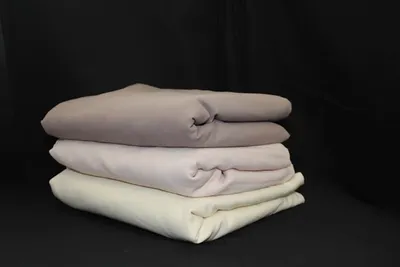
When we talk about comforter vs blanket, it is two very different constructions we are comparing. A comforter is a thick, quilted piece willed with down or synthetic fibers and stitched to keep that fill in place. A blanket is usually a single layer of woven or knit fabric - thinner and more flexible.
The quickest way to spot the difference between a blanket and comforter is loft:
- A comforter sits high and puffy.
- A blanket lies flatter and bends easily.
In everyday use, a comforter is often used as the main top layer, while a blanket can stand alone or be layered.
Comparing the two can help hot sleepers, cold sleepers, and anyone who prefers a layered bed. We will explore warmth, weight, care effort, and cost, and look at options like custom fleece blankets to help you decide.
What Is Warmer, A Comforter Or A Blanket?
In most cases, a comforter feels warmer. The fill inside creates loft, and loft traps air. Trapped air slows heat loss, which is why the difference between a comforter and a blanket often shows up on colder nights.
That said, not all blankets are light. A dense wool or tightly knit option can rival a lighter comforter. The things that make a difference to warmth include:
- Fibers
- Construction
- How tightly we tuck it in
If we want to predict warmth without guessing, we look at weight, loft, and fabric. A higher loft usually means more insulation, but heavier does not always mean warmer. Breathability also counts - too much insulation without airflow can leave us kicking layers off at 2 a.m.
|
Category |
Comforter |
Blanket |
|
Primary Function |
All-in-one insulated top layer designed for warmth |
Versatile layer used for warmth, comfort, or decoration |
|
Warmth Range |
Medium to high (depends on fill weight/loft) |
Light to high (depends heavily on material & thickness) |
|
Temperature Control |
Moderate airflow; retains heat efficiently |
Varies by material (cotton/linen = breathable, fleece/wool = warmer) |
|
Layering Flexibility |
Usually used as the main outer layer |
Designed for layering (under or over comforter) |
|
Weight & Feel |
Fluffy, cushioned, “cloud-like” |
Can be lightweight, heavy, plush, or textured |
|
Ease of Bed-Making |
Fast — one large piece covers the bed |
Requires folding/tucking for a polished look |
|
Washing & Drying |
Bulky; may require large washer/dryer |
Easier to wash and dry (most types) |
|
Storage Space |
Takes up more closet space |
Folds compactly (except thick fleece/wool) |
|
Durability |
Depends on fill quality; can clump over time |
Often long-lasting, especially cotton or wool |
|
Typical Price Range |
Medium to high (especially down-filled) |
Budget to mid-range; premium wool higher |
How Many Layers Do You Need?
There is no single answer to comforter or blanket layering. A simple system works well for most rooms. We recommend that you start with a breathable sheet, add a blanket for adjustable warmth, and top with a comforter if the space runs cold.
- In a warm room, we might stop at the blanket and fold the comforter away.
- In a cooler space, we keep both.
On shared beds, layering solves arguments. One partner can pull the blanket closer while the other sticks with the sheet and comforter.
Layering also handles temperature swings. If the room cools overnight, we add a layer. If it warms, we peel one back. Flexibility is always helpful, just like learning how to wear a silk scarf on your head.
Looking for the right balance between comfort and warmth?
With our custom fleece blankets, comfort and warmth are assured, and you get a stylish personalized design as well.
Is A Comforter Better Than A Blanket?
When we ask if a comforter is better than a blanket, we need to define better. Do we mean warmer? Easier to wash? Less expensive? More polished-looking? The difference between a blanket and a comforter shows up in those details.
- A comforter often wins on warmth and visual impact. It fills out the bed and can anchor a room’s look.
- Over time, though, repeated washing can flatten the fill if care is rushed. A blanket usually handles frequent washing with less fuss and dries faster.
Sleep habits are an important consideration. If we toss and turn, a lighter blanket may move with us more easily, while a comforter and blanket layered together works for steady insulation. There are studies into the thermal insulation of different bedding types, so educate yourself.
Should I Get A Blanket Or Comforter?
For a first apartment or dorm, a comforter can simplify things. One main layer, quick bed making, less decision fatigue. In shared laundry spaces, however, washing a large comforter can be inconvenient if machines are small.
Budget plays a role too. With a tighter budget, we might prioritize breathable fabric and decent fill rather than brand names. A blanket can be a practical start, especially if we plan to layer later.
Don't ignore the importance of storage. If we swap bedding by season, blankets fold down smaller. When deciding between blanket or comforter, we also consider what we already own. Researchers have demonstrated how bedding insulation level changes the thermal microclimate, but there are other variables at play in this decision too.
Is A Comforter Suitable For Summer Or Winter?
A comforter is not limited to winter like a custom comfy gaiter. What a comforter vs blanket is in seasonal terms often comes down to fill weight and shell fabric.
- A lightweight comforter with breathable cotton can work in summer, especially in air conditioned rooms.
- For colder months, higher fill and greater loft provide more insulation - the same structure, different weight.
That flexibility surprises people who assume all comforters are always heavy.
If we want one option year round, we choose a moderate weight and adjust with layers. In summer, we may fold it down and sleep under the sheet and blanket. In winter, we keep it fully in place.
What Is The Coolest Bedding Option For Summer?
The question of what is the coolest bedding option is mostly about moisture control and airflow. Cool means it does not trap heat or feel sticky. In many cases, a breathable blanket setup beats a thick comforter.
For hot sleepers, airflow can matter more than loft. You can get good air circulation with a blanket made from:
- Lightweight cotton
- Linen
The blanket vs comforter decision often tilts toward blanket in peak summer. This is supported by research highlighting that bedding insulation and fabric introduce thermal comfort and moisture transfer.
We can pair a light top layer with crisp, breathable sheets to improve comfort without replacing everything. Small adjustments help too - think looser tucking, lighter pajamas, or a lower loft option.
Which Is Better For Winter, Comforter Or Blanket?
Winter comfort depends on insulation and how well we control airflow. A thick comforter usually provides strong insulation because of trapped air in the fill. That is the core difference between comforter and blanket in cold weather.
Having said that, multiple lighter blankets can work surprisingly well. Layering creates pockets of air between fabrics. In some homes with steady indoor heating, this approach feels more adaptable.
Humidity plays a part:
- Dry indoor air can make a heavy comforter feel comfortable.
- Damp chill may call for denser materials.
For those who wake up warm even in winter, combining a medium comforter and blanket allows easy adjustment without sacrificing overall warmth.
Why Do Americans Use Comforters?
Comforters became popular in part because they are simple. We spread one main piece over the bed and the room looks finished. That convenience shapes the blanket vs comforter conversation in many American homes.
Another factor is the common habit of using a top sheet beneath the comforter. The sheet takes on most of the washing, so the comforter is cleaned less often. Retail sets also influence choices - coordinated bedding sets make it easy to match colors and textures.
For those unsure about comforter and blanket setups, a guided approach helps. A comforter finder quiz and curated picks can narrow options. You can work with us to explore options like custom plush fleece blankets and more, including personalization and competitive pricing alongside premium quality.
Enjoy added warmth from your blanket
Work with us to create your own custom plush fleece blanket and enjoy a warm and comforting experience with a personalized design.
Learn moreDo Blankets Go Over Or Under A Comforter?
Most often, blankets go under a comforter. This order places insulation on top and keeps the heavier layer steady. The difference between a blanket and a comforter in layering affects both heat control and feel.
A 2022 study provides empirical evidence on how increased insulation affects perceived comfort, and layering gives you greater control:
- If warmth is the priority, we position the blanket closer to the body and top with the comforter.
- For easy adjustment, some people flip the order and keep the blanket on top so it can be removed quickly.
Layering order also changes the look of the bed. A neatly folded blanket at the foot adds texture. For couples with different preferences, separate blankets under one comforter can reduce nightly tug of war.
Can I Use An Electric Blanket With A Comforter?
Using an electric blanket with a comforter requires attention to airflow. Heat needs space to circulate, and a very thick comforter can trap warmth too tightly, which may lead to overheating.
If we choose to combine them, we keep the electric layer flat and avoid heavy compression. The comforter and blanket difference in thickness matters here, as thicker top layers slow heat release.
We also monitor comfort: if the bed feels stuffy or we wake up sweating, we lower the setting or remove a layer. Always pay attention to product instructions as different brands specify what is safe. Also, consider the benefits of using eco-friendly promotional products, as electric blankets are not one of them.
In search of a premium experience from a blanket?
Create your own custom sherpa blanket for the ultimate in luxurious comfort and stylish personalization at competitive prices.
Can You Put A Comforter In The Dryer?
In many cases, comforters are fine in the dryer. Most modern comforters can be machine dried, but size and fill type make a difference. A large comforter in a small dryer will not circulate air properly, leading to damp spots.
Drying has an impact on loft. Proper tumbling should include dryer balls to help redistribute fill and maintain fluff. The difference between a comforter and a blanket becomes clear here: blankets dry faster and more evenly.
Common mistakes include:
- Rushing the cycle
- Skipping extra dry time.
Clumping often results from moisture left inside. You could air dry partway and finish in the dryer to protect structure. Experts point out that the bedding microclimate dictates physiological thermal comfort, and comforter structure is crucial to this.
How Do You Wash A Comforter?
Washing a comforter starts with the care label. Fabric shell and fill determine temperature and cycle. We ensure the washer drum has enough space for movement, as tight packing leads to uneven cleaning.
To reduce fill shifting, we wash with:
- A gentle cycle
- Mild detergent
Too much soap leaves residue that makes the fabric stiff. The difference between a comforter and a blanket shows up again here: blankets tolerate frequent washing more easily.
Between full washes, spot cleaning helps extend time. Addressing small stains quickly prevents deeper buildup - failing to so this is a common mistake to avoid when using promotional products. Remember, thorough drying is critical to avoid odors and flattening.

Comforter Vs Duvet Vs Quilt Vs Coverlet What Is The Difference?
A comforter is a filled, quilted piece used as a primary top layer. A duvet is a similar insert designed to fit inside a removable cover. A quilt is thinner, often stitched in decorative patterns, and usually layered with other bedding. A coverlet is lightweight and more decorative.
Understanding what is the difference between a comforter and a blanket helps here too:
- Comforters are thick, quilted pieces with built-in loft to add thermal insulation, but they can also be layered.
- Blankets are single layer fabrics without fill. They can be thick and warm, like custom sherpa blankets, and they can be combined without clutter when we plan thoughtfully.
A simple build might start with sheets, add a blanket, then top with a comforter or duvet. Climate, style, and laundry routine guide the final choice, and you can also choose to wear a custom fleece robe or other things to regulate your temperature.
Frequently Asked Questions About Comforter Vs Blanket
Is A Comforter Warmer Than A Blanket?
Often yes. The fill and loft in a comforter trap more air, which increases insulation. Some dense blankets can be warm, but the typical comforter and blanket difference favors the comforter for cold nights.
Do You Put A Blanket Over Or Under A Comforter?
Usually under. Placing the blanket beneath the comforter improves heat retention and keeps the bed looking tidy. We can adjust the order if we prefer easier temperature control during the night.