Does Sleeping With Socks Affect The Brain: The Real Connection Explained
People ask an interesting question once they learn a little about the science of sleep: does sleeping with socks affect the brain? We often hear it from readers who have tried everything from blackout curtains to herbal tea to improve their sleep.
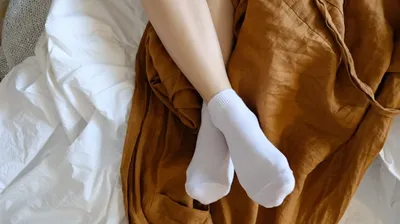
In this guide, we explore the connection between sleep and wearing socks. Small changes around temperature and comfort may change how quickly we fall asleep and how steady that sleep becomes. Essentially, cold feet maintain alertness while warm feet can ease the transition to sleep.

Key Takeaways
- Sleeping with socks does not directly change the brain, but it can support sleep by improving nighttime temperature comfort and helping the body relax into rest.
- Warmer feet may reduce small sleep interruptions, which helps the brain move through normal sleep cycles more smoothly.
- The effect varies widely. Room temperature, circulation, and sock material all influence whether the habit helps or feels uncomfortable.
- We supply high-quality custom socks in a range of styles and designs that can help support sleep quality through warmth and comfort.
Table of contents
-
Does Sleeping With Socks Affect The Brain?
-
How Does Sleeping With Socks Affect The Brain During Sleep Cycles?
-
How Sleeping With Socks Can Support Brain Function
-
What Happens To Thermoregulation When You Sleep With Socks On?
-
When Can Sleeping With Socks Be Uncomfortable Or Risky?
-
How Can You Choose The Best Socks For Sleep?
Does Sleeping With Socks Affect The Brain?
When people ask whether sleeping with socks affects the brain, they are usually referring to something practical. Will they feel clearer, calmer, or more alert the next day? The truth usually sits in the middle of those expectations:
- Socks cannot alter brain chemistry the way medication would.
- What socks do change is temperature comfort, which quietly influences the way the body prepares for sleep.
We have noticed this most with people who struggle with cold feet at night. When the body senses warmth in the extremities, it often relaxes faster. That can shorten the time it takes to drift off into sleep.
The brain benefits indirectly from wearing socks at night because steadier sleep tends to support better mood, attention, and mental clarity the next day.

What Brain Signals Help You Fall Asleep In The First Place?
The brain already has a surprisingly precise system for initiating sleep. Every evening it tracks internal timing cues that tell the body when it is time to slow down. Here’s what happens as the body prepares for sleep:
- Hormones shift
- Body temperature gradually drops
- The nervous system starts easing into a quieter rhythm
Some people find that something like a custom neon light in red or amber helps. Comfort plays a larger role than many people realize - when the brain perceives a calm, safe environment, it becomes easier to release alertness. Even small irritations can delay that transition.
We have seen this with everything from noisy radiators to cold feet, which is why some like to wear custom commemorate socks. The brain itself is not changing - instead, it is reacting to signals from the body. Adjusting those signals, sometimes with something as simple as warm socks, can make the shift into sleep noticeably smoother.
|
Sleeper Type |
Likely Benefit? |
Why? |
Best Sock Choice |
|
Cold Feet / Poor Bedroom Heating |
High |
Comfort & faster heat distribution |
Thin merino / loose cotton |
|
Hot Sleeper / Night Sweats |
Low/negative |
Overheating disrupts sleep |
Skip socks or ultra-thin |
|
Raynaud’s / Circulation Issues (Non-Medical) |
Mixed |
Warmth helps but fit matters |
Loose, non-binding |
|
Sensory-Sensitive |
Mixed |
Seams/cuffs cause micro-arousals |
Seamless / loose cuff |
How Can Warmer Feet Influence Nighttime Sleepiness?
Warm feet often act like a quiet signal that the day is winding down. When the body senses warmth in the extremities, it tends to relax the small blood vessels there, which encourages heat to move away from the core.
This shift supports the natural drop in core body temperature associated with sleepiness. There is a balance, though:
- Feeling comfortably warm can help the body settle.
- Overheating does the opposite and may cause restless sleep.
In our experience, the difference usually comes down to sock thickness and room temperature. The benefits of using eco-friendly products like wool socks can help here.
After a cold evening shower or a winter walk home, warm socks can feel surprisingly calming. The body stops focusing on discomfort, and the mind follows by letting go of alertness.
How Does Sleeping With Socks Affect The Brain During Sleep Cycles?
Sleep unfolds in repeating cycles that move through lighter sleep, deeper restorative stages, and REM periods. These phases support everything from physical recovery to emotional processing.
When sleep becomes fragmented, those cycles break apart, and the brain receives less consistent restoration. This is where the question of how sleeping with socks affects the brain begins to make practical sense.
Socks themselves are not altering neural activity. Instead, the research shows they may improve distal vasodilation (temperature comfort), which reduces the tiny awakenings many people barely remember.
With fewer interruptions, the brain can progress through its natural cycle pattern more smoothly. That can translate into next-day benefits like:
- Clearer thinking
- Steadier energy
Of course, results naturally differ between individuals.
How Does Sleeping With Socks Affect The Brain?
Looking at the question directly, the chain of cause and effect is fairly straightforward. Discussions about whether sleeping with socks affects the brain sometimes sound exaggerated. The brain itself is not being modified or stimulated. What actually happens is this:
- Socks warm the feet.
- Warmer feet can help the body relax into sleep more easily.
- Better sleep continuity then supports the brain’s normal overnight work.
The sleep environment changes slightly, and the brain responds to that environment. Making false claims about neurological change is a common mistake to avoid when using promotional products like sleep socks.
People often notice outcomes like easier mornings or improved focus the next day. In our experience, those benefits appear most often when socks solve a specific comfort issue, such as persistently cold feet or a cool bedroom during winter nights.
Can Socks Change REM Sleep Or Deep Sleep?
REM sleep and deep sleep each handle different forms of restoration. When people sleep poorly, these stages can become shorter or more fragmented. Here’s what each of them does:
- Deep sleep supports physical repair and immune function.
- REM sleep helps with emotional processing and memory integration.
Socks might influence these stages only if they improve overall sleep comfort. If warm feet prevent tossing and turning, the body is less likely to wake briefly and disrupt the cycle pattern. That can preserve more time in deeper stages.
It’s important to understand that the effect tends to be subtle. One night rarely tells the full story, so we usually encourage people to watch patterns over several days. Consistent comfort, rather than any single habit, is what tends to support stable sleep architecture.
Looking for socks that might improve warmth while sleeping?
Work with us to create custom knitted socks for comfort and personalization at a great price.
How Sleeping With Socks Can Support Brain Function
When people talk about the connection between sleep socks and brain health, they are usually describing something indirect. The brain depends heavily on sleep quality - when rest becomes deeper and more continuous, mental performance tends to follow.
That benefits felt the next day include improvements to:
- Attention
- Emotional control
- Patience
This is where the question of how sleeping with socks affects the brain becomes practical rather than theoretical. If socks help the body stay comfortable and avoid nighttime wakeups, the brain benefits from more stable sleep cycles.
We have seen customers report clearer thinking in the morning after improving simple bedtime habits like temperature control. Of course, socks are not a cure for poor sleep. They simply remove one small barrier that might otherwise keep the body from settling fully.
Work with us to create custom casual socks in personalized designs that offer the optimal fit and comfort at affordable prices. With our service, you can create socks that work for your sleep.
Can Better Sleep From Socks Support Memory And Mood The Next Day?
Sleep plays a quiet but powerful role in how the brain processes information. During the night, the brain sorts through the day’s experiences, reinforcing useful memories while discarding less important details. When sleep becomes fragmented, that sorting process does not run as smoothly.
A study from 2001 explains that sleep onset is closely tied to peripheral heat dissipation, which may be enhanced by warming the extremities. If wearing socks reduces discomfort and helps someone stay asleep longer, the effect can show up in subtle ways the next day.
People often describe things like:
- Clearer recall
- Steadier mood
- Less morning irritability
We have noticed that the difference tends to appear gradually rather than dramatically. A single night rarely proves much - what matters is consistency across several nights where the body sleeps without frequent interruptions.
Choose to create socks that match your sleepwear
With our custom full-color socks, you can ensure you look your best when getting ready to sleep in your socks.
Learn moreWhat Happens To Thermoregulation When You Sleep With Socks On?
Thermoregulation refers to the body’s ability to balance heat production and heat loss. During the evening, the body gradually shifts toward a cooler core temperature that supports sleep onset.
This is a process that happens automatically, but environmental factors can make it easier or harder. Wearing socks influences this system by warming the extremities. When the feet feel warm, blood vessels there tend to relax and widen slightly, allowing heat to move away from the body’s core.
The result often feels like gentle drowsiness. Still, balance is crucial:
- Heavy socks in a warm room may trap too much heat and disrupt rest.
- More extensive choices, like a custom flannel fleece & plush robe, may make you overheat.
We usually encourage sleepers to consider the entire environment: bedding, room temperature, and airflow all interact with the choice to wear socks.
What Is Distal Vasodilation And Why Does It Matter For Sleep?
Distal vasodilation sounds technical, but the idea is simple. It describes the widening of blood vessels in the hands and feet, which allows more blood to circulate through those areas. A study from 2019 suggests that distal vasodilation promotes heat dissipation and reduced core temperature, thus aiding sleep.
When the feet remain cold, the warming process may take longer. The body continues searching for thermal balance, which can delay the feeling of sleepiness. Socks can sometimes help by:
- Gently warming the extremities
- Encouraging that natural shift.
In practice, we often see this make the biggest difference during colder seasons or in bedrooms with cooler nighttime temperatures. Breathable fabrics usually work best because they warm the feet without trapping moisture or causing overheating.
When Can Sleeping With Socks Be Uncomfortable Or Risky?
Although many people find the habit helpful, sleeping with socks is not always comfortable. Some sleepers feel restricted by tight cuffs or irritated by seams pressing against the skin. Others simply run warm at night and may feel overheated once the blankets are in place.
There are also situations where caution is sensible. Pay close attention to comfort and fit if you:
- Have circulation concerns
- Experience reduced sensation in the feet
Moisture can become another issue if socks trap sweat for long periods. That combination of warmth and dampness may irritate the skin.
In our experience, discomfort usually signals that something about the setup needs adjusting, whether that means lighter fabric, looser cuffs, or occasionally skipping socks altogether. Think about these considerations to choose the right custom merchandise if you are going for socks.
What Warning Signs Suggest You Should Stop Sleeping With Socks?
Most people will know fairly quickly if sleeping with socks does not suit them. The body tends to signal discomfort clearly during the night. Here are some experiences that might present:
- Numbness or tingling in the feet can indicate pressure from tight cuffs.
- Persistent warmth or sweating may suggest the fabric is too thick for the room temperature.
- Skin irritation is another common clue. Redness, itching, or small rashes often mean moisture is becoming trapped against the skin.
We usually recommend adjusting materials first before abandoning the habit entirely. Softer, breathable fabrics often solve the issue. Remember, studies show that thermoregulation provides sleep signals, but overheating can be a barrier to sleep.
If symptoms like discoloration or persistent numbness appear, it is wiser to remove the socks and allow the feet to rest naturally during sleep.
Do you like socks that showcase a brand?
With our service, you can create custom branded socks that offer style and comfort for when you get ready for bed.
How Can You Choose The Best Socks For Sleep?
Comfort should guide every decision when choosing sleep socks. Unlike athletic socks, the goal here is to make the feet feel warm without creating pressure or friction. Fabric softness matters more than appearance, and the best options often feel barely noticeable once you lie down.
Material also plays an important role in temperature balance:
- Breathable fabrics allow heat to escape gradually while still keeping the feet warm enough to stay comfortable.
- Thick seams or tight compression bands tend to interfere with relaxation, so many sleepers prefer simple designs with smooth stitching.
A randomized study from 2020 suggested that thermal interventions that increase distal temperature promote faster sleep onset. In our experience, the best sleep socks disappear from your awareness after a few minutes.
Should You Wear Compression Socks To Bed For Sleep Benefits?
Compression socks serve a very different purpose than ordinary sleep socks. They apply gentle pressure to support circulation, particularly for people who spend long hours standing or sitting during the day. While they can be useful in medical or travel settings, they are not designed specifically for sleep comfort.
Here’s the thing:
- Some people find the pressure relaxing.
- Others feel restricted once they lie down.
Compression fabrics also tend to trap more warmth than lighter materials. For sleepers simply trying to keep their feet warm, loose and breathable socks usually provide a better experience.
If compression is being considered for circulation support during the night, it is wise to discuss that plan with a healthcare professional before making it a regular habit. Otherwise, work with us to create custom athletic socks and other varieties that are optimized for your sleep.
Frequently Asked Questions About Does Sleeping With Socks Affect The Brain?
Does Sleeping With Socks Affect The Brain Or Just Sleep Quality?
Most evidence points toward sleep quality rather than direct brain changes. Socks can improve temperature comfort, which may help people fall asleep faster and stay asleep longer. The brain benefits from better rest rather than from the socks themselves.
Why Do Warm Feet Help You Fall Asleep Faster?
Warm feet encourage blood vessels to relax and widen, which helps the body release heat from the core. That temperature shift supports the natural signals that tell the brain it is time to sleep.