How To Make Stickers Sticky Again: Without Damaging Them
A good sticker does not always need to be replaced when it stops holding. While dirt, weak adhesives, and poor surface contact can sometimes be corrected. In this guide, we explain how to make stickers sticky again with careful cleaning, mild heat, replacement adhesive, and better application methods.

Key Takeaways
- Clean the sticker and application surface before adding adhesive.
- Begin with the mildest suitable restoration method.
- Gentle heat may reactivate some pressure-sensitive adhesives.
- Washable reusable stickers may recover after cleaning.
- Replace stickers that are cracked, stretched, or badly damaged.
Table of contents
-
How To Make Stickers Sticky Again
-
Why Do Stickers Lose Their Stickiness?
-
How Should You Clean A Sticker Before Reapplying It?
-
What Can You Use To Make A Sticker Sticky Again?
-
Does Heat Make Stickers Stick Better?
-
How Can You Stop Stickers From Peeling Off?
-
Can You Use Sticker Repair Methods On Any Surface?
How To Make Stickers Sticky Again
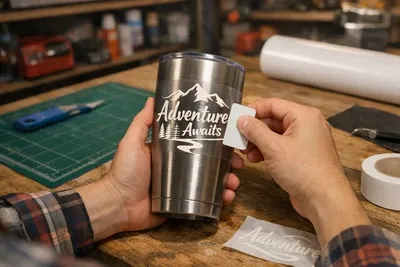
A sticker can be made sticky again by cleaning its adhesive side, preparing the application surface using gentle heat, or applying a thin layer of suitable replacement adhesive. The best method depends on whether the adhesive is dirty, dried out, damaged, or completely gone. Follow the steps below when learning how to make a sticker sticky again;
- Inspect the sticker: Look for dust, oil, curling, cracks, dryness, or missing adhesive.
- Remove contamination: Pick off loose particles with tweezers or clean fingers.
- Repair the surface: Remove dirt, grease, wax, and cleaner residue, then let the area dry.
- Restore the adhesive: Try mild heat when tackiness remains, and add appropriate adhesive when it does not.
- Apply the sticker: Position IT carefully and press from the center towards the edges.
- Allow curing time: Avoid moving, washing, or handling the sticker until the adhesive has set in.
People wondering if a sticker can be made sticky again should begin with cleaning. Contamination is easier to correct than damaged adhesive. Test heat and replacement adhesives on a hidden area because paper, printed coatings, vinyl, or thin plastics can stain, wrinkle, fade, or deform.
Make a strong impression with custom stickers
Turn your branding, artwork, or message into high-quality custom stickers that help your packaging, promotional materials, and giveaways look professional and memorable.
Why Do Stickers Lose Their Stickiness?
Understanding what makes stickers sticky helps you select the correct repair. Most stickers use pressure-sensitive adhesive. It forms a bond when pressed firmly against a compatible surface. It differs from permanent liquid glue, which hardens as it dries or cures. The most common cause is for lost stickiness include the following:
- Dust: A removed laptop sticker can collect dust that creates a barrier between the adhesive and the laptop.
- Skin oils: Touching the adhesive transfers oils that reduce contact with the application surface.
- Moisture: Water can weaken paper and certain adhesives. Trapped moisture may also create bubbles.
- Repeated peeling: Each removal can stretch the sticker and carry away adhesives.
- Aging: Adhesive may harden, become yellow, dry out, or lose flexibility over time.
- Heat exposure: Excessive heat can soften adhesive until it shifts or leaves residue.
- Rough surfaces: Textured paint, unfinished wood, and uneven plastic provide less contact than glass or metal. surfaces.
- Dirt: Grease, polish, wax, soap, and dust prevent a dependable bond.
A sticker with visible dirt may only need cleaning. A sticker that remains slightly tacky may need firm pressure or mild heat. A completely dry sticker will probably require new adhesive. For example, dust contamination commonly affects a laptop sticker after removal. A wall decal may curl because textured paint prevents full contact even when its adhesive is still usable.
How Should You Clean A Sticker Before Reapplying It?
When learning how to make stickers sticky again, clean the sticker carefully before using glue. Place it down on a clean surface. Remove visible particles with tweezers or clean fingertips. A lightly damp lint cloth may help with sturdy vinyl, but do not soak paper or allow water to spread into printed layers.
Some washable vinyl stickers can be rinsed with lukewarm water when the manufacturer permits it. Leave the adhesive side facing upward until completely dry. Do not wipe it with paper towels because those fibers can become trapped in the sticker.
Clean the application area according to its materials. Mild soap and water work on many washable surfaces. Isopropyl alcohol can remove grease from convertible glass, metal, and some plastics. Test it because alcohol may affect paints, coatings, and certain plastics. Avoid oily cleaners, furniture polish, moisturizing wipes, and strong solvents. They can leave residue or damage the sticker. While preparation may feel necessary when you want to make stickers sticky again quickly, cleaning can solve the problem without additional glue.
Need custom stickers for your next promotional giveaway or project?
Bring your designs to life with custom kiss-cut stickers made for product packaging, event giveaways, branded mailers, and personal projects, with flexible sizes and customization options.
Explore custom kiss-cut stickers hereWhat Can You Use To Make A Sticker Sticky Again?
When trying to make stickers sticky again, choose the least aggressive option that can provide the required bond.
- Cleaning and mild heat preserve the original adhesive.
- Repositionable products permit later movement.
- Spray adhesive and rubber cement create stronger bonds.
- Tape and adhesive dots avoid glue.
Below is a comparison of the methods you can use and the most suitable sticker types to go with them
| Method. | Suitable sticker types |
|---|---|
| Cleaning | Reusable stickers, vinyl decals, window clings |
| Gentle heat. | Pressure-sensitive stickers with remaining adhesive |
| Spray adhesive. | Large paper stickers and sturdy vinyl decals |
| Repositionable adhesive | Paper stickers, craft labels, temporary displays |
| Rubber cement. | Paper stickers and flexible craft pieces |
| Glue stick. | Lightweight paper labels and temporary projects |
| Double-sided tape. | Flat paper stickers and decorations |
| Adhesive dots. | Craft booking pieces and removable displays |
These products can help make a sticker sticky again when the original adhesive is damaged. Use only a thin layer. Excessive adhesive can seep from the edges, stain the printed face, and cause wrinkles or make removal difficult. When the sticker is torn, faded, or permanently distorted, restoration may not produce a good result. Professionally printed custom stickers offer a practical alternative when the original design can be reproduced.
How Can You Restick A Peeling Sticker Or Decal?
If you want to learn how to restick a sticker that is peeling;
- Lift only the loose section. Removing the entire sticker could weaken areas that still hold well.
- Remove that from beneath the raised edge with tweezers.
- Clean the exposed surface with a suitable method and allow it to dry.
- Apply a small amount of compatible adhesive with a toothpick or fine brush. Keep adhesive away from the visible edge.
- Lower the sticker gradually, smoothing from the center towards the repaired edge with a clean cloth and card or soft scraper. This pushes out air and reduces wrinkles.
- If the edge rises, hold it down with low-tack painter's tape.
- Leave it secured for the drying time stated on the adhesive packaging.
This focused approach is safer than removing and trying to restick stickers completely.
Can You Make A Vinyl Sticker Sticky Again?
Intact vinyl can often be restored if its adhesive has collected dirt or lost contact. This provides a practical answer to can you make stickers sticky again. If the manufacturer permits, gently rinse the adhesive side with lukewarm water, avoiding strong cleaners or aggressive scrubbing. Always leave the sticker adhesive side up until completely air-dry.
When the original layer is too dry, apply fresh adhesive. Repositionable products suit temporary use, while permanent, vinyl-compatible solutions create stronger bonds. However, cracked, stretched, or hardened vinyl rarely lies flat, so replacement is often necessary. Vinyl adheres most reliably to smooth, clean glass, metal, and plastic surfaces, whereas textured walls or oily coatings resist.
How Can You Safely Use Spray Adhesive On A Sticker?
Spray adhesive effectively restores large paper or vinyl stickers when the original adhesive fails. Always work in a well-ventilated space and follow manufacturer instructions carefully.
Place the sticker face down on scrap paper, protecting the printed side and surrounding areas with masking paper. Apply one light, even coat from the recommended distance. Wait for the adhesive to reach the proper tack stage before careful positioning. Press from the center outward and allow sufficient time to cure. Avoid heavy coats to prevent seepage or staining when you make stickers sticky again.
Can Rubber Cement or Repositionable Glue Restore Old Stickers?
Rubber cement provides flexible adhesion for sturdy paper, while repositionable glue suits items needing movement. Both offer options for how to make a sticker restick effectively. Using a small brush, apply an extremely thin layer while keeping adhesive away from visible edges. Follow product instructions for tack and curing time. Because strong adhesives can stain thin paper, produce wrinkles, or damage finishes, test the glue on a spare sticker or hidden corner before repairing valuable items.
Customize die-cut stickers and make a lasting impression
Create high-quality die-cut stickers shaped precisely around your artwork, logo, or message for distinctive branding on products, packaging, laptops, bottles, and promotional materials.
Does Heat Make Stickers Stick Better?
Mild heat can soften some pressure-sensitive adhesives and improve contact with a surface. It cannot replace adhesive that has dried out, worn away, or become heavily contaminated. Use heat carefully by following these steps;
- Place the sticker on a clean and dry surface.
- Set a hair dryer to its lowest heat setting.
- Hold it several inches from the sticker.
- Warm the area for only a few seconds.
- Check for curling, fading, softening, or deformation.
- Press the sticker with a clean cloth, card, or soft scraper.
Avoid open flames, irons, high-temperature heat guns, or prolonged heat. Excessive temperatures may melt vinyl, fade ink, deform plastic, and damage surfaces. Heat helps when someone wants to know how to get stickers to stick better if the adhesive remains tacky. Stop immediately if any changes appear.
How Can You Make Reusable Stickers Sticky Again?
Learning how to make reusable stickers sticky again often involves washing instead of permanent glue. Many window clings utilize washable adhesives or static cling. Gently rinse the sticky side with lukewarm water and mild soap. Use clean fingers rather than abrasive sponges. Avoid paper towels, as their fibers can get trapped.
After cleaning, leave the sticker adhesive side up to air-dry. Tackiness often returns once dry. Store reusable stickers flat on their original backing sheet or a clean plastic sleeve to prevent dust and damage. This is the safest way to make stickers re-stick while preserving their original qualities.
Can Double-Sided Tape Help A Sticker Stick Again?
Thin double-sided tape, adhesive sheets, and dots offer clean, precise ways to make stickers more sticky when liquid glue might damage them. Apply tape to the back, trim it slightly smaller so no adhesive is visible, and press the sticker firmly onto a clean surface.
This works best for flat stickers on smooth surfaces and may struggle with curved or curled edges. Adhesive dots are ideal for temporary displays. Use removable versions if you might reposition the item later.
How Can You Stop Stickers From Peeling Off?
Long-lasting adhesion begins with matching the sticker to its environment and following these tips;
- Choose sticker material designed for the application surface.
- Check whether the adhesive suits indoor use, outdoor exposure, moisture, heat, or cold.
- Clean and dry the surface thoroughly.
- Apply the sticker at a moderate temperature.
- Avoid touching the adhesive with oily fingers.
- Press firmly across the entire sticker.
- Leave it undisturbed during the initial curing period.
- Avoid washing or rubbing it too soon.
- Test a compatible laminate or edge sealer for exposed outdoor decals.
These practices explain how to make stickers stick for longer while reducing the need to repair peeling corners. Always test sealers first, as they can alter color, finish, flexibility, and removability. If standard paper stickers consistently fail outdoors or on packaging, consider using durable custom stickers and decals for demanding applications.
How Long Should Adhesive Dry Before You Reapply A Sticker?
Drying times depend on the specific adhesive product. Always prioritize instructions found on the packaging. Tack time is the period between applying adhesive and attaching the sticker, while curing time occurs after attachment. Stronger glues require hours to develop a dependable bond, so avoid washing or moving the sticker during this phase.
Applying too early causes sliding, seepage, and bubbles, while waiting too long reduces the bond. Since universal timing is impossible, follow product directions to ensure proper results.
Looking for an affordable custom sticker solution?
Order reusable custom stickers for temporary displays, windows, promotions, and other applications where easy removal and repositioning matter, with competitive pricing and dependable support.
Get started with reusable stickers hereCan You Use Sticker Repair Methods On Any Surface?
No single repair method is safe or effective on every surface. The correct approach depends on the sticker, adhesive, surface finish, temperature, and whether the sticker must be removable. The table below compares which surfaces are suitable for which methods;
| Surface | Suitable methods and key cautions |
|---|---|
| Glass | Clean thoroughly, use mild heat or suitable adhesive |
| Metal | Remove grease, check whether alcohol affects its coating |
| Plastic | Test alcohol, solvents, adhesives, and heat |
| Painted walls | Use removable adhesive, avoid strong glue and high heat |
| Sealed wood | Clean gently, test for damage to varnish or stain |
| Fabric | Use textile products; ordinary sticker glue may stain |
| Paper | Avoid water and wet glue; consider removable tape |
| Textured materials | Adhesion may remain weak because contact is limited |
Strong adhesives, alcohol, oils, and heat can damage paint, varnish, or plastic finishes. Always test methods in an inconspicuous area first and check manufacturer guidance. Being cautious is the safest approach to how to make a sticker stick better without causing damage to the surface underneath.
Frequently Asked Questions About How To Make Stickers Sticky Again
Can You Make Stickers Sticky Again After They Dry Out?
Cleaning and gentle heat often restore stickers with dirty adhesive or poor contact. If adhesive has hardened or vanished, use replacement adhesive, double-sided tape, or dots. Brittle or curled stickers usually require replacement. When deciding how to get a sticker to stick again, always start with the mildest, effective repair.
Does Heat Make Stickers Sticky Again?
Mild heat reactivates pressure-sensitive adhesive by softening it, improving surface contact. Use a low-setting hair dryer briefly, then press firmly. Heat cannot restore missing adhesive and may damage delicate materials like paper or plastic. Test carefully before using it as a solution for how to make a sticker stick again.