How To Journal For Anxiety? Techniques, Prompts, And Panic Relief
Anxiety has a way of filling space in our heads, often without asking permission. Thoughts loop, tension builds, and we replay conversations that already ended. Journaling for anxiety gives those thoughts somewhere else to go.
In this guide, we look at how to journal for anxiety to move all that weight you are carrying onto the page. This practice is a tool, not a cure. It supports awareness, calm, and perspective over time. What matters is that you show up honestly, even when the page feels quiet.

Key Takeaways
- Journaling for anxiety helps move thoughts out of your head and into a safer, more manageable space.
- Consistency matters more than length, structure, or perfect wording.
- The goal is awareness and relief, not solving every anxious thought at once.
- We supply high-quality custom journals and notebooks that you can use to journal for anxiety. Our products are customizable and available at great prices.
Table of contents
-
How To Journal For Anxiety?
-
What Is Anxiety Journaling And How Does It Work?
-
What Is Journaling For Anxiety And Stress Relief Used For?
-
Does Journaling Help With Anxiety According To Research And Practice?
-
Why Does Journaling Help Anxiety At A Psychological Level?
-
Benefits Of Journaling For Anxiety
-
What Are Effective Journaling Techniques For Anxiety?
-
What Is Freewriting And How Does It Clear Anxious Thoughts?
-
How Does Tracking Triggers Through Journaling Help Anxiety?
-
What Are Journal Prompts For Anxiety And How Should You Use Them?
-
How To Journal Successfully As A Daily Practice?
-
Best Tips For Success With Anxiety Journaling
-
What Mistakes Should You Avoid?
How To Journal For Anxiety?
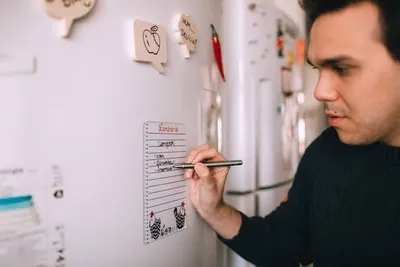
Journaling for anxiety looks simpler than many people expect. It is not about crafting polished reflections or writing pages every day. In practice, it often means grabbing your custom Noble metal ball pen, sitting down, and writing exactly what feels loud in your mind.
The act of writing slows thinking. Thoughts that felt tangled become clearer once they exist outside your head. We encourage beginners to start small:
- Five minutes is enough
- One paragraph is enough.
Anxiety journaling works best when it feels accessible rather than demanding. Over time, patterns emerge, certain worries repeat, and certain triggers show up again and again. That awareness becomes useful.
Journaling to help with anxiety is less about insight in the moment and more about creating space to breathe. Get your custom Naples two-tone journal and get started.

What Is Anxiety Journaling And How Does It Work?
Anxiety journaling is a focused form of writing used to process worry, stress, and emotional overload. Unlike simple bullet journal ideas or general journaling, it often centers on present thoughts rather than life stories.
- Some people prefer structured entries with prompts.
- Others rely on free writing.
Both of these approaches work - the key is intention. We usually suggest writing in a quiet environment where interruptions are limited. Even ten minutes can help regulate emotional intensity.
Anxiety journaling works by reducing cognitive load. When worries live only in your head, they feel endless. Writing creates boundaries - you can see where a thought starts and ends. That separation alone often reduces its power.
|
Week |
Focus |
Frequency & Time |
What to Do |
What “Success” Looks Like |
|
Week 1 |
Build the habit safely |
3× per week, 5 minutes |
• Short freewrite or 1–2 prompts only • Focus on what you notice, not fixing • Always use a closing routine (breath + grounding) |
You showed up, even briefly. You feel slightly calmer or no worse than before. |
|
Week 2 |
Awareness & patterns |
3–4× per week, 5–10 minutes |
• Continue freewriting/prompts • Add a simple trigger log once or twice • Note body sensations + context, not conclusions |
You start noticing repeated triggers or themes. Anxiety feels more understandable. |
|
Week 3 |
Gentle cognitive clarity |
3–4× per week, 10 minutes |
• Introduce one structured entry per week (e.g., thought record) • Label thoughts (catastrophizing, mind-reading, etc.) • Keep other days unstructured |
Spirals shorten. You can name anxious thoughts without fully believing them. |
|
Week 4 |
Integration & coping |
3× per week, 10–15 minutes |
• Review past entries only when calm • Highlight patterns (triggers, helpful actions) • Write 3 “If X, then Y” coping rules |
You have a small, personal coping playbook. Anxiety feels more predictable and manageable. |
What Is Journaling For Anxiety And Stress Relief Used For?
Journaling for anxiety and stress relief serves several roles at once. It helps regulate emotions, organize thoughts, and create distance from overwhelming feelings. Many people turn to journaling during moments of heightened anxiety, such as before sleep or after a stressful interaction.
Others use it proactively as part of a daily routine. Writing slows breathing and shifts attention inward in a controlled way. That process supports nervous system calming. Over time, journaling to reduce anxiety can improve emotional resilience.
Studies have found that expressive writing reduces anxiety by helping people process emotions. We often see people gain clarity about what is within their control and what is not. That distinction is significant when anxiety feels constant.
Looking for a sophisticated notepad for journaling?
Our custom Americana leather wrapped journal is a great choice for jotting down your thoughts.
Does Journaling Help With Anxiety According To Research And Practice?
Skepticism around journaling is understandable. Writing can seem passive compared to other coping strategies. Research, however, supports its value. Studies show that guided and unguided reflective journaling both decrease anxiety.
This means that researchers have observed measurable results. Expressive writing can:
- Reduce stress
- Improve emotional regulation
- Support mental health
In practice, results vary. Journaling does not eliminate anxiety, but it often reduces intensity and frequency. We have seen journaling help people interrupt spirals before they escalate. The key is consistency, not perfection.
Journaling works gradually. It builds awareness and emotional literacy over time. When paired with other support methods, it becomes even more effective. Expect some relief, but don’t expect it to completely defeat your anxiety.
Why Does Journaling Help Anxiety At A Psychological Level?
At a psychological level, journaling helps anxiety by externalizing internal experiences. Thoughts feel heavier when they stay unspoken, and writing gives them form. This process reduces rumination and engages the rational brain.
Journaling also supports emotional labeling, which helps regulate nervous system responses. When you name a feeling, its intensity often drops. Some people find sticky notes helpful for this - learn how to print on post-it notes to create some DIY prompts to help you write.
Writing creates a pause between stimulus and reaction. That pause makes a difference. Over time, journaling builds self-awareness and emotional tolerance. You learn which thoughts are signals and which are noise - a distinction that helps reduce reactivity.
Journaling does not remove anxiety, but it changes your relationship with it.
Choose a customized notebook for your journal
With our service, you can create your own custom Pen-Buddy notebooks that work really well as a simple and portable journal.
Learn moreBenefits Of Journaling For Anxiety
The benefits of journaling for anxiety tend to show up in layers. In the short term, writing can reduce emotional intensity and bring immediate relief. Thoughts that feel overwhelming often lose urgency once they are written down, whether in an actual journal or simply on custom heart sticky notes.
Over the long term, journaling builds emotional awareness. You start recognizing patterns in things like:
- Worries
- Triggers
- Self-talk
That awareness supports better coping choices. Journaling also strengthens a sense of control. Anxiety often thrives on uncertainty, and writing creates structure where there was none.
We have noticed that people who journal regularly develop more patience with their emotions, meaning they react less quickly and recover faster. The key benefit is not eliminating anxiety, but reducing how much power it holds.
Work with us to create a custom Amarylis journal or choose from various other styles and give yourself a dedicated journal to work in. Our products are highly customizable and available at affordable prices for your convenience.
What Are Effective Journaling Techniques For Anxiety?
Effective journaling techniques for anxiety vary because anxiety itself varies. Some days require release, other days require reflection. We encourage experimenting rather than committing to one method:
- Free writing helps when thoughts feel chaotic.
- Structured writing works better when emotions feel heavy but unclear.
Writing in short bursts can be more effective than long sessions. Timed journaling removes pressure and helps prevent spiraling. Researchers have found that writing about emotions before stressful events can lower anxiety and improve performance.
Another useful technique is writing questions instead of answers. This shifts the mind from panic into curiosity. Journaling techniques work best when they feel supportive, not demanding. If a method increases stress, it is not the right fit. Adaptation is part of the process.

What Is Freewriting And How Does It Clear Anxious Thoughts?
Freewriting is a simple technique where you write continuously without editing or judging what appears. There is no structure and no expectation of clarity - the goal is release. When anxiety feels loud, freewriting gives it a place to move.
Thoughts that feel urgent often slow down once they are written without resistance. We recommend setting a short time limit and writing until it ends. Do not reread immediately - give it time to breathe once you have let those thoughts out on the page.
Freewriting works because it bypasses self-censorship. The mind stops filtering and starts unloading - a release that often brings calm. It is not meant to produce insight. It is meant to create space.
Need a notebook with an accompanying pen?
We can produce a custom Hyde Cork notebook and Paragon pen that meets your journaling and note-taking needs.
How Does Tracking Triggers Through Journaling Help Anxiety?
Tracking triggers through journaling helps anxiety by revealing patterns that are easy to miss in daily life. Anxiety often feels random, but it rarely is - writing after anxious moments helps identify common causes. Things that can repeat include certain:
- Situations
- Thoughts
- Physical states
Once patterns become visible, prevention becomes possible. You can anticipate anxiety rather than being surprised by it. Journaling also separates the trigger from the emotional response, a distinction that helps reduce self-blame.
There is a lot of talk around how to journal for mental health, whether that be for anxiety, depression, or stress management. The basic idea is that, over time, trigger tracking supports better boundary setting and self-care choices. We have seen this approach reduce anxiety frequency, not just intensity.
With awareness, you have options.
What Are Journal Prompts For Anxiety And How Should You Use Them?
Journal prompts for anxiety provide gentle structure when the page feels intimidating. They guide attention without forcing conclusions. Prompts work well for beginners and during high stress periods.
A study from 2018 found that daily expressive writing over several weeks lowered anxiety levels, especially when using positive emotion words and cognitive reflection. Examples of prompted journal writing include writing about:
- Current worries
- Physical sensations
- What feels uncertain
The goal is exploration, not resolution, so prompts should feel open-ended. If a prompt feels restrictive, skip it. Journaling to help with anxiety works best when curiosity leads the writing. Prompts are tools, not rules.
Over time, many people move away from prompts as confidence grows. Use them when helpful, ignore them when they are not.
Choose a high-quality notebook for your anxiety journal
With our custom small engraved bamboo notebook and pen, you get an engraved bespoke design and a product that’s built to last.
Get startedHow To Journal Successfully As A Daily Practice?
Daily journaling for anxiety works best when it fits naturally into your routine. We suggest keeping sessions short to reduce resistance - consistency matters more than duration. Choose a time that feels realistic:
- Morning journaling helps set the emotional tone.
- Evening journaling supports release before sleep.
Writing daily trains the brain to process emotions regularly rather than in crisis mode. Allow it to become part of your daily routine and you will develop a healthy ability to process how you’re feeling on the page.
Preparation helps: keep your journal visible and accessible and remove unnecessary barriers. Journaling should feel like a support, not a task, and missed days are a normal part of the process. Sustainability comes from kindness toward yourself, so resume without judgment whenever you miss a day.
Best Tips For Success With Anxiety Journaling
Successful anxiety journaling depends more on mindset than technique. Consistency builds trust in the process and writing honestly matters more than writing well.
Here are some more tips to go by:
- Avoid censoring yourself. The page is private, so write with complete honesty.
- Reviewing entries periodically can reveal growth and patterns. However, avoid rereading during heightened anxiety.
- Journaling works best when it feels safe. We encourage setting boundaries around time and content if writing becomes overwhelming.
Research from 2024 found that expressive writing is an effective therapeutic intervention for anxiety, so it is definitely worthwhile as part of your self-care. The goal is relief and understanding, not emotional overload, so adapt your approach as your needs change.
Anxiety shifts, and journaling should shift with it.
What Mistakes Should You Avoid?
Common journaling mistakes include aiming for perfection and forcing insight. Anxiety journaling is not about producing solutions. Overanalyzing entries can increase stress, so just let yourself be free on the page of your custom leather notebook with pen; no judgment.
Let’s look at some other mistakes to avoid:
- Using journaling only during crisis moments. Regular practice builds resilience; it will be far less effective if you only do it when you feel desperate.
- Writing without grounding afterward can also leave emotions unsettled. We recommend closing sessions with a calming action, such as deep breathing.
- Avoid turning journaling into self-criticism. The page should be supportive, not harsh.
Journaling to reduce anxiety requires balance. When writing increases distress, pause and adjust. It is essential to listen to your emotional limits.
Frequently Asked Questions About How To Journal For Anxiety
How To Journal For Anxiety For Lasting Relief?
Journal consistently, keep sessions short, and focus on honest expression rather than problem solving. Relief builds gradually through awareness.
What Should I Journal For Anxiety?
Write about current worries, emotional sensations, triggers, or recurring thoughts. There is no wrong topic if it reflects your experience.