Free Reversible Scarf Knitting Patterns: Double-Sided Scarves And Advanced Designs
Reversible scarves have a particular charm that seasoned knitters tend to appreciate more and more as their skills grow. When both sides of a scarf look intentional, it immediately feels more polished.
In this guide, we look at how free reversible scarf knitting patterns eliminate the awkward tug-of-war that often happens when a scarf twists. Reversible scarves are forgiving and can hold a satisfying technical challenge while still producing a functional accessory.

Key Takeaways
- Reversible knitting patterns create double-sided textures that look intentional from every angle.
- These patterns range from beginner-friendly ribs to advanced reversible cable-knit scarf pattern free designs.
- Free reversible scarf knitting patterns help knitters explore structure without sacrificing practicality or style.
- We supply high-quality custom scarves in various styles that take the DIY work out of the equation and offer endless personalization at affordable prices.
Table of contents
-
Free Reversible Scarf Knitting Patterns
-
What Is A Reversible Knitting Pattern?
-
Which Stitch Patterns Are Reversible?
-
Why Knit A Reversible Scarf?
-
How To Knit An Easy Reversible Ribbed Scarf?
-
How To Make A Knitted Scarf Fringe?
-
What Supplies Do You Need To Knit A Scarf?
-
How To Knit Reversible Stripes?
-
Where Can You Find Free Reversible Knitting Patterns For Scarves?
-
How Do Reversible Knitting Stitch Patterns Work?
-
How Do Reversible Cable Scarves Maintain Double-Sided Symmetry?
Free Reversible Scarf Knitting Patterns
Free reversible scarf knitting patterns continue to appeal to knitters because they resolve one of the most common frustrations with scarves: visible wrong sides. A reversible knit scarf pattern keeps both faces equally presentable, which becomes particularly useful when gifting or designing scarves meant to drape naturally.
Over time, we’ve noticed that knitters gravitate toward patterns that offer balanced stitch structures that behave predictably. Many reversible knitting patterns for scarves rely on:
- Ribs
- Seed stitch
- Mirrored motifs
All these things maintain symmetry regardless of how the fabric twists. These patterns accommodate beginners but can also scale toward more technical free reversible cable knit scarf free options for knitters who enjoy structural depth.
Since these patterns are free, they offer knitters in 2026 a low-pressure opportunity to experiment with yarns that show texture well. When executed properly, reversible patterns create custom square scarves and other varieties that look intentional, cohesive, and professionally finished.
What Is A Reversible Knitting Pattern?
A reversible knitting pattern is designed so that both the front and back sides of the fabric look finished, even when viewed closely. In most knitting projects, the “right side” carries the decorative detail, while the “wrong side” is purely functional. Scarves, however, twist constantly, so a reversible scarf pattern ensures neither side appears unfinished when worn.
From a technical standpoint, reversible patterns usually rely on stitch combinations that mirror themselves vertically or horizontally. You get this balance naturally from:
- Seed stitch
- Ribbing
- Certain double-knit techniques
In practice, this means the texture reads consistently on both sides, maintaining harmony whether the scarf drapes loosely or wraps tightly.
When we teach beginners, we often demonstrate how reversible textures behave differently in terms of drape and weight, which helps them appreciate the logic behind fabric structure. These qualities can be key in how to choose the best promotional products for business.
|
Stitch Pattern |
Difficulty Level |
Reversibility Quality |
Curl Resistance |
Texture Definition |
Warmth / Thickness |
|
1×1 Rib |
Very Easy |
Fully reversible; identical both sides |
Excellent |
Moderate |
Medium |
|
2×2 Rib |
Easy |
Fully reversible |
Excellent |
Strong vertical definition |
Medium–High |
|
Seed Stitch |
Easy |
Fully reversible, identical texture |
Excellent |
Pebbled, crisp |
Medium |
|
Moss Stitch (Double Seed) |
Easy |
Fully reversible |
Excellent |
Pebbly but more structured |
Medium–High |
|
Broken Rib / Mistake Rib |
Easy |
Fully reversible (appears same on both sides) |
Excellent |
Firm ridges |
Medium |
|
Slip-Stitch Reversible Patterns |
Intermediate |
Usually reversible; patterns vary |
Good |
Very clear color transitions |
Medium |
Which Stitch Patterns Are Reversible?
Several stitch families lend themselves well to reversible knitting, especially when creating fabrics that look identical on each side. Classic examples include:
- Seed stitch
- Moss stitch
- 1x1 or 2x2 ribbing
- Certain slip-stitch designs
These stitches behave predictably, forming patterns that maintain their integrity even when the scarf shifts while worn. Some knitters enjoy exploring more advanced reversible knitting patterns for scarves, such as double-knitting or brioche, both of which create thicker, plush textures that feel luxurious.
We’ve always found that rib stitches offer an excellent balance between simplicity and style, particularly when working with variegated yarns. The symmetry in these patterns also results in reliable drape, minimizing curling or distortion.
Researchers have identified techniques to generate ripples in reversible scarves via negative Gaussian curvature. When selecting a reversible stitch pattern, consider how its density, elasticity, and weight will affect the final fabric.
Looking for a stylish shawl?
Create your own custom shawl with a personalized design by choosing our affordable service.
Why Knit A Reversible Scarf?
Knitters choose reversible scarves for reasons that blend practicality with aesthetics. Scarves naturally twist as you move, so having both sides look attractive eliminates the persistent worry about hiding a “wrong” side.
This is especially valuable for gifting, as a reversible scarf pattern ensures the recipient can wear it without fuss. Over the years, we’ve come to appreciate how versatile reversible designs are for styling; they drape cleanly and maintain visual balance no matter how they are wrapped - a great informal alternative to a customized woven tie.
Functionally, reversible fabrics also tend to be thicker and warmer due to their structural symmetry. For those who enjoy experimenting, free reversible scarf knitting patterns are a risk-free way to explore new stitches.
Many knitters also enjoy the meditative repetition that reversible textures encourage. Ultimately, reversible scarves offer a polished look that pairs well with both everyday wear and more refined outfits, making them genuinely useful additions to a wardrobe.
How To Knit An Easy Reversible Ribbed Scarf?
A reversible ribbed scarf is one of the simplest and most reliable projects for beginners. Rib stitches naturally create double-sided textures, making them a perfect introduction to reversible knitting. Studies show how specialist CAD-based systems can help create unique designs.
A basic 1x1 or 2x2 rib involves alternating knit and purl stitches across each row, but variations like broken rib or mistake rib offer slightly different textures without complicating the process. We’ve taught many first-time knitters using these patterns because they hide tension inconsistencies well.
Here’s how you can do it:
- Choose a medium-weight yarn and needles that feel comfortable in your hands.
- Cast on an even number of stitches.
- Maintain the rib sequence consistently.
- The result is a reversible scarf pattern that lies flat and adapts well to color changes.
If you ultimately decide that knitting isn’t your preferred craft, remember you can always purchase a beautifully made custom shawl or other scarf type directly from our online store without sacrificing quality.
How To Make A Knitted Scarf Fringe?
Adding fringe to a knitted scarf can give the final piece a soft, flowing finish, even when working with reversible designs. The key is choosing a fringe style that complements the texture without obstructing the scarf’s double-sided appearance.
Simple tassel fringe works well, though knotted or twisted fringe can create a more structured edge. Here’s how it’s done:
- Cut yarn strands of equal length. Most knitters prefer lengths between six and nine inches.
- Fold several strands in half.
- Pull the loop through the edge stitch.
- Secure with a tidy knot.
One technique we often suggest is lightly steaming the finished fringe to help it settle. Be mindful not to make the fringe too heavy, as it can distort the scarf’s shape. Trim the ends carefully to maintain symmetry.
Researchers have identified techniques to display inverted color patterns on double-knit reversible scarves - the possibilities are endless. The right finishing touches give reversible scarf knitting patterns an appealing sense of movement and refinement.
Get a bespoke square scarf without the DIY hassle
With our service, you can create your own custom square scarf in any style you like at an affordable price.
Learn moreWhat Supplies Do You Need To Knit A Scarf?
A reversible scarf project requires only a few essential tools, but choosing them thoughtfully can make the knitting process far more enjoyable. At minimum, you’ll need the following:
- Knitting needles suited to your yarn weight
- A yarn needle for weaving in ends
- Scissors
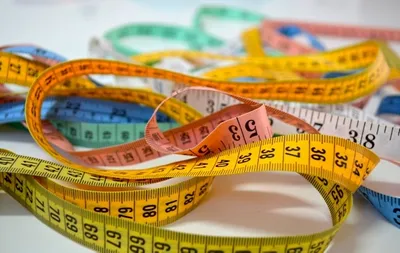
- A measuring tape
For reversible knitting patterns for scarves, we recommend selecting yarns with good stitch definition so the texture remains clear on both sides. After testing several yarns for customer projects, we’ve found that a medium-weight wool blend gives the best balance between warmth and stitch definition, though cotton can work for warmer climates.
Circular needles can be more comfortable for longer scarves because the cable holds the fabric without straining your hands. We’ve found that beginners often underestimate the importance of lighting - good lighting helps you distinguish knit and purl stitches more easily.
Keeping a small project bag also prevents tangling when transporting your scarf. And never underestimate the benefits of using eco-friendly products in your work. With the right supplies, even intricate reversible fabrics feel approachable.
How To Knit Reversible Stripes?
Knitting reversible stripes requires a bit of planning because color transitions must remain discreet on both sides. Many free reversible scarf knitting patterns hide the usual color jogs through:
- Slip-stitch techniques
- Ribbing
- Double-knit fabric construction
One approach we’ve enjoyed using is incorporating 1x1 rib paired with frequent color changes. The columns of knit and purl stitches naturally disguise the transition. Another option is the linen stitch, which subtly blends adjoining colors so the fabric appears seamless.
When adding new colors, always twist yarns at the edge to avoid gaps. It helps to weave ends as you go, keeping the scarf tidy and fully reversible. Experts have studied the structure and geometry of reversible knitted fabrics and it is a fascinating exploration.
Choose yarn shades with enough contrast to make the stripes visible but not overwhelming. With thoughtful color management, reversible stripes create a polished, contemporary look that suits both casual and elegant styling.
Looking for something to brighten up your hair?
With our custom hair scarves, we do all the hard work for you to bring your personalized vision to life.
Where Can You Find Free Reversible Knitting Patterns For Scarves?
Knitters searching for free reversible knitting patterns for scarves have plenty of reputable sources. Research has introduced graph-based computational models that could be used to design reversible knitted structures.
Other sources include:
- Online pattern libraries
- Independent designer blogs
- Community-driven platforms
These often provide curated lists that highlight reversible designs. We regularly encourage newer knitters to browse directories that allow filtering by skill level, yarn weight, or construction method. These filters help narrow down options quickly and prevent overwhelm.
Some designers specialize in reversible textures, offering collections of patterns that demonstrate how to build balanced fabrics. When reviewing options, pay attention to sections that mention whether a pattern includes reversible cable knit scarf pattern free selections or simpler rib-based styles.
Pattern-sharing forums also provide helpful feedback from knitters who have already tested the designs, which can be invaluable for troubleshooting. With so many high-quality free resources available, it’s easy to experiment with different textures and explore ideas like adding custom embroidered patches.
How Do Reversible Knitting Stitch Patterns Work?
Reversible stitch patterns work by creating fabric structures that remain visually consistent regardless of which side is viewed. In most cases, this balance is achieved through the repetition of mirrored stitches, such as alternating knits and purls in the same sequence across every row.
Patterns like seed stitch rely on systematic contrast, while ribs and certain brioche variations form columns that look identical on both faces. When we first learned reversible techniques, we realized how much control stitch architecture offers over drape and movement.
Because reversible fabrics tend to be thicker, they create scarves with satisfying weight. Many free reversible knitting patterns for scarves highlight these qualities, encouraging knitters to experiment with symmetry.
By understanding how stitch families influence structure, you gain the confidence to adapt patterns or even design your own reversible pieces. Symmetry yields versatility, and ignoring this fact is one of the common mistakes to avoid when using promotional products in the form of reversible scarves.
How Do Reversible Cable Scarves Maintain Double-Sided Symmetry?
Reversible cable scarves achieve double-sided symmetry by modifying the traditional cable structure. Standard cables typically have a right side featuring the raised crossing and a wrong side that appears flat or loosely textured.
To create a reversible cable, designers often incorporate ribbed backgrounds or mirrored crossing techniques that replicate the cable’s appearance on both faces. This requires thoughtful planning because the fabric must remain balanced vertically and horizontally.
Over time, we’ve grown to appreciate how reversible cable knit scarf pattern free designs pair structural elegance with practical wearability. Here are a few ideas:
- Using slightly heavier yarns helps these cables stand out, ensuring both sides display crisp definition.
- Brioche-based cables also produce reversible effects, though they require more patience.
- When done correctly, reversible cables offer a level of refinement not found in simpler stitches.
These pieces elevate a scarf into a visually striking accessory suitable for both everyday wear and gifting, whether you are creating a custom hair scarf or a more traditional neck scarf.
Frequently Asked Questions About Free Reversible Scarf Knitting Patterns
Free Reversible Scarf Knitting Patterns For Beginners?
Begin with ribbing, seed stitch, or simple double-knit designs. These provide clean results without overwhelming new knitters and help build foundational skills.
How To Knit An Easy Reversible Ribbed Scarf?
Choose a medium-weight yarn, cast on an even stitch count, and repeat a consistent knit-purl sequence. Ribbing naturally creates a double-sided texture that stays flat.