When Can Babies Sleep With A Blanket: A Parent’s Guide
A baby blanket feels like a normal comfort item and the safety rules can seem a little strict. But loose fabric can move in ways a baby can’t control, which is dangerous. This guide explains when babies can sleep with a blanket, what the AAP says, and other helpful information.

Key Takeaways
- Babies should not sleep with loose blankets during infancy. The AAP recommends keeping blankets and other loose bedding out of the sleep area.
- The AAP recommends keeping loose blankets out of the sleep space during infancy. After 12 months, speak with your paediatrician before introducing a light toddler blanket.
- Use sleep sacks, fitted sleepwear, and safe room temperatures for warmth before blankets become appropriate.
- We supply high-quality custom blankets that can be great for warmth and comfort when a child is old and developed enough to use one.
Table of contents
When Can Babies Sleep With A Blanket?
DISCLAIMER: The information in this guide is not medical advice. We strongly recommend that you consult the AAP and CDC for research-backed guidance on safe sleep arrangements for your baby. Speak to your pediatrician for tailored instructions for your circumstances.
Most safety guidance says babies should not sleep with a loose blanket during the first year. Many parents ask when babies can sleep with a blanket and the safest direct answer is: not during infancy - only later when the child is older, stronger, and able to move fabric away.
Age is important, but readiness is a key factor too. A toddler who rolls well, sits, shifts position, and doesn’t ever seem trapped by bedding is in a different stage of development from a young baby.
If you are unsure, ask your pediatrician. For comfort before then, guidance says to use sleepwear or a wearable blanket instead of using covers.
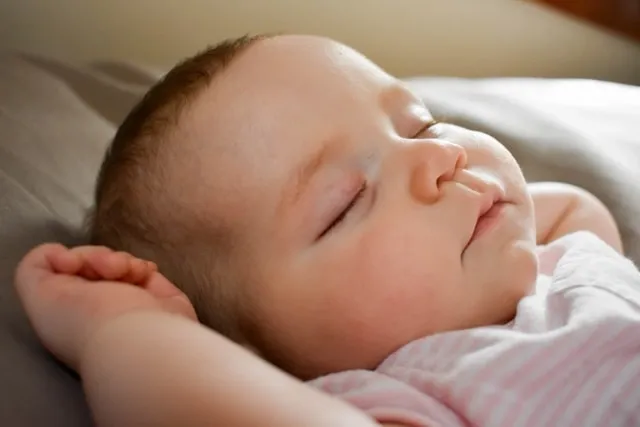
What Does The AAP Say About Babies Sleeping With Blankets?
The American Academy of Pediatrics recommends keeping soft objects and loose bedding out of a baby’s sleep area. That includes blankets, pillows, quilts, comforters, bumper pads, toys, and non-fitted sheets.
The AAP guidance is trusted because it is written to reduce sleep-related infant deaths, including suffocation and SIDS risks. At home, that means keeping the crib simple for naps and nighttime sleep.
Use a firm, flat sleep surface with a fitted sheet only. If warmth is needed, dress the baby in suitable sleep clothing or use a correctly sized wearable blanket. The guidance is plain because plain is safer - things like custom fleece blankets are only safe when a child is ready.
When Is It Safe For A Baby To Sleep With A Blanket?
It is usually safest to wait until a baby is no longer an infant before introducing a loose blanket. Many parents use 12 months as the earliest point to start considering it, but there is no need to rush.
The reason is simple:
- Younger babies may not be able to move a blanket away from their nose or mouth.
- Older toddlers have better head control, stronger body movement, and more awareness when something bothers them.
Soft bedding, including blankets, is a major factor in infant suffocation deaths. If your child was premature, has medical needs, or struggles with movement, the consideration is even more complex. Always ask a pediatrician first - a blanket should add comfort, not create a new sleep problem.
What Do Safe Sleep Guidelines Say About Baby Blankets?
Safe sleep guidance is clear: keep loose blankets out of an infant’s sleep space. The CDC says babies should sleep on their backs for naps and nighttime sleep, on a firm, flat surface, with soft bedding kept out of the sleep area. That includes:
- Blankets
- Pillows
- Bumper pads
- Soft toys
These rules apply every time the baby sleeps, not only overnight. A couch nap with a blanket is not safer because it is shorter. In fact, couches and armchairs are not safe surfaces for babies to sleep on at all.
We know empty cribs can look bare, and you may be itching to start exploring the duvet vs blanket debate. But a baby’s crib is meant to reduce risks - a fitted sheet and safe sleepwear are enough for infants.
| Child’s age/stage | Blanket guidance | Safer alternative |
|---|---|---|
| 0–3 months | No loose blankets | Swaddle only until signs of rolling; fitted sleepwear |
| 3–12 months | No loose blankets | Sleep sack/wearable blanket |
| 12–18 months | Ask pediatrician; assess readiness | Toddler sleep sack, light blanket during supervised rest |
| 18+ months | Usually more appropriate if child is mobile | Light, breathable toddler blanket |
Why Are Blankets Not Safe For Babies?
Blankets are not safe for babies because loose fabric can cover the face, bunch around the neck, or trap a young baby in an unsafe position. Babies do not always have the strength or coordination to pull fabric away, especially when they are sleepy.
Soft bedding can look comforting to adults, but babies do not need the same cozy setup we do. The danger is not the blanket as an object. It is loose bedding in a sleep space before the baby can manage it.
That is why wearable warmth is preferred. It keeps the baby warm without adding fabric that can shift over their face. You can add something like a custom neon sign to create a soothing atmosphere, but never introduce a blanket without consulting your pediatrician first.
What Are The ABCs Of Safe Sleep For Infants?
The ABCs of safe sleep are Alone, Back, and Crib. These three words help parents remember the basics when tired brains are running on fumes. Here’s what they mean:
- Alone: This means the baby sleeps without blankets, pillows, toys, bumpers, or other loose items.
- Back: This means the baby is placed on their back for every sleep.
- Crib: This means a safety-approved crib, bassinet, or play yard with a firm, flat mattress and fitted sheet.
The ABCs of safe sleep for infants connect directly to the blanket question. If a loose blanket is in the crib, the sleep space is no longer truly “alone.” The simpler the setup, the easier it is to keep consistent.
We supply custom plush fleece blankets that can be great when a child is ready for a blanket. Always confirm safety with a pediatrician first, then you can work with us to create a custom blanket at a great price to elevate the comfort and aesthetics in an age-appropriate child’s room.
Looking to create a cute custom blanket for your toddler or child?
After confirming safety, work with us to create a custom fleece blanket in any design that offers warmth and comfort for your little one.
How Do You Know If Your Baby Is Ready For A Blanket?
Readiness is not just a birthday. A child should be older, mobile, and able to shift freely during sleep. Look for strong rolling, steady head and neck control, and the ability to push objects away.
Guidance says to keep all blankets out of the sleep area for at least the first year. When your pediatrician confirms your child is ready, the first blanket should have the following qualities:
- Light
- Small
- Breathable
Try it during a supervised rest or quiet time before making it part of nighttime sleep. If your child pulls it over their face, gets tangled, or seems upset, wait longer.
That is not a failure - it is information. We would rather delay the blanket than force a change because a chart says the child “should” be ready.
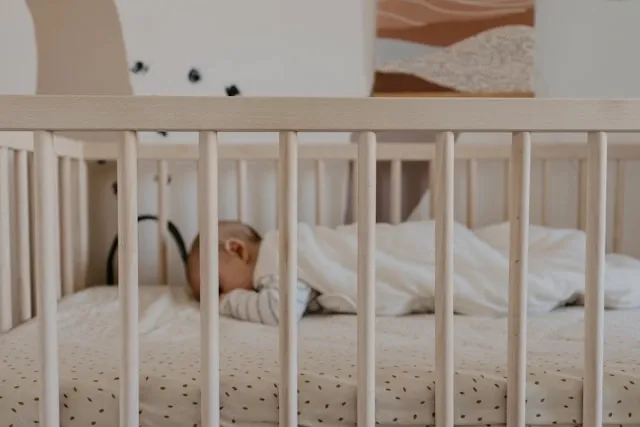
What Signs Show A Toddler May Be Ready For A Blanket?
A toddler may be ready for a blanket when they move confidently in sleep and can manage small bedding without distress. Signs include rolling both ways, sitting and standing well, moving items away from the face, and changing sleep position without getting stuck.
The toddler should not panic when the blanket shifts or wraps around a foot. Start with a light blanket tucked no higher than the chest, or simply laid over the lower body. Watch how they use it.
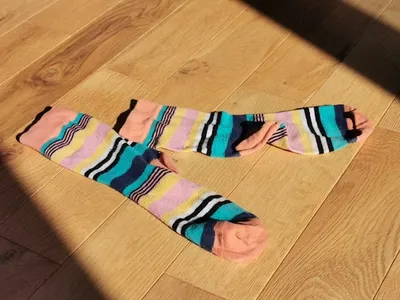
Some toddlers kick blankets off all night anyway. In that case, a toddler sleep sack may still be easier and warmer. You can also look into sleeping with socks for ideas about keeping your child warm.
Choose a slightly warmer design and more vibrant colors
Our custom plush fleece blankets are great for keeping children warm. Confirm safety first, then use our service to create something unique and comfortable.
Learn moreHow Can You Move Your Toddler From A Sleep Sack To A Blanket?
Move slowly from a sleep sack to a blanket. Start by using the blanket during story time or quiet play so it feels familiar. Then try it for a nap before using it overnight. Here are a few tips:
- Keep the bedtime routine the same, because too many changes at once can unsettle a toddler.
- Choose a light blanket that is easy to move, not a bulky comforter.
- If your child misses the sleep sack, use a toddler-sized sleep sack a little longer.
Some children like the enclosed feeling. A wearable sleep sack is a perfectly good alternative to a blanket when a child isn’t ready to make the change yet. We have seen toddlers reject blankets for weeks, then suddenly accept them as if it was their own idea.
What Should You Do If Your Toddler Is Not Ready For Blankets?
If your toddler is not ready for blankets, simply wait. There is no prize for introducing one early. Continue with warm pajamas, a toddler sleep sack, or footed sleepwear that fits the room temperature.
Keep the room comfortable, but avoid overheating. If your child kicks off every blanket, that may simply be their sleep style. Forcing a blanket can create bedtime battles that nobody needs. Some toddlers prefer wearable warmth because it stays put when they roll around, and that’s fine.
Comfort is not only about softness. It is also about helping the child sleep without fuss, tangles, or repeated wake-ups. Outdoors, many infants keep warm with a cap on their head - a custom Ice Silk riding cap in the smallest size could work for this. Indoors, and for sleep, don’t do this unless recommended by a pediatrician.
What Kind Of Blanket Is Safest For A Toddler?
A safer toddler blanket is light, breathable, and small enough for the child to move easily. Cotton, muslin, bamboo blends, and lightweight fleece can work, depending on room temperature. The things to avoid for young toddlers include:
- Heavy quilts
- Oversized blankets
- Loose fringe
- Weighted blankets
- Thick comforters
The blanket should not swallow the child or trap them when they turn. Washability is important too - toddler bedding meets spills, sniffles, and mystery crumbs.
A custom blanket can be a lovely keepsake once the child is old enough, but the first priority is always safe size, soft feel, and easy movement. Pretty comes after practical - refer to CDC guidance on sudden infant death syndrome for further guidance.
How Can You Keep Your Baby Warm Without A Blanket?
Keep a baby warm without a blanket by dressing them for the room, not for how cold your own feet feel. Use a fitted onesie, footed pajamas, or a wearable blanket. A good room temperature is comfortable for a lightly clothed adult, though every home varies.
Check the baby’s chest or back of the neck, not hands or feet, because tiny hands often feel cool. Avoid hats indoors during sleep unless a clinician tells you otherwise.When they are far enough into the toddler stage, you can start to think about how many yards of yarn for a blanket.
In winter, add a layer of clothing rather than loose bedding. In summer, use lighter sleepwear. Warm is good, but sweaty is too much.
What Are Safe Blanket Alternatives For Babies Under 12 Months?
Safe blanket alternatives for babies under 12 months include wearable blankets, sleep sacks, and fitted sleep clothing suited to the room temperature. These give warmth without loose fabric in the crib.
Choose the correct size so the neck opening cannot ride up over the face. The baby’s arms should be free once rolling is possible - back sleeping and free movement help reduce the risk to your baby. Do not use quilts, comforters, loose covers, pillows, or soft toys as substitutes.
Breathable fabric helps, but this doesn’t mean a breathable blanket is safe for an infant. A lightweight sleep sack for summer and a warmer one for winter can cover most needs without adding unsafe bedding. Simple is better here.
Interested in the warmest possible blankets for your little one?
Custom sherpa blankets offer maximum warmth and you can personalize them with us. Confirm safety for your child then bring your vision to life with us.
When Should You Stop Swaddling Your Baby?
Swaddling is different from letting a baby sleep with a loose blanket. A swaddle wraps a newborn snugly to help them settle, but it is only for an early stage. The AAP says if you swaddle, place the baby on their back and stop swaddling as soon as they show signs of trying to roll.
Rolling changes the risk because a swaddled baby may not have free arms to push up or move position. Do not wait until rolling is perfect - early signs count. They won’t be ready to sleep under a custom sherpa blanket, but they will need to move on from being swaddled.
After swaddling, many parents move to an arms-free sleep sack for warmth.
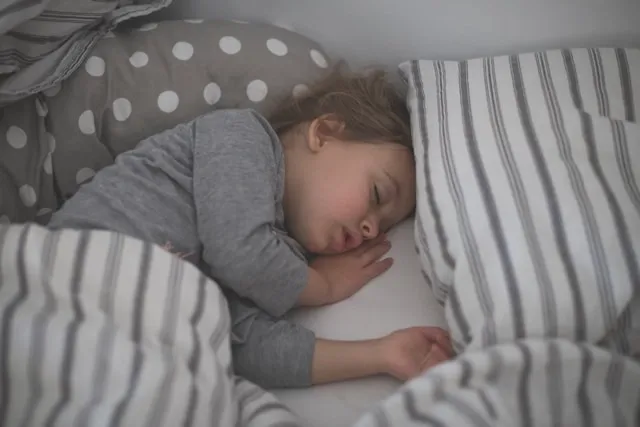
How Can You Safely Swaddle A Baby Before Blanket Use?
A safe swaddle should be snug around the chest but not tight. You should be able to fit a couple of fingers between the swaddle and the baby’s chest. Keep fabric away from the face and neck.
The hips and legs need room to bend and move, because tight wrapping around the lower body is not healthy. Always place a swaddled baby on their back. Swaddling may reduce crying, improve sleep, and soothe your baby.
Do not add another loose blanket over the swaddle, and do not use weighted swaddles. Stop as soon as the baby shows signs of trying to roll. Swaddling is a short-term tool, not a blanket replacement.
Frequently Asked Questions About When Can Babies Sleep With A Blanket
What Age Can Babies Start Sleeping With A Blanket?
Most families should avoid loose blankets for the first 12 months. After that, consider toddler readiness, movement, blanket size, and pediatric guidance before introducing one.
Can Babies Safely Sleep With A Blanket?
Infants should not sleep with loose blankets. For babies under 12 months, use fitted sleepwear or a wearable blanket instead of loose bedding.