How To Turn A Scarf Into A Shawl? Secure Fit, Wrap Styles, And Travel Looks
Scarves have always been flexible pieces, but many people overlook just how easily they can step into shawl territory. We often see scarves dismissed as accessories when in practice they can function as full coverage layers with very little effort.
Learning how to turn a scarf into a shawl opens up styling options without adding bulk. The shift is about understanding scale, fabric weight, and how drape works across the shoulders. We have worked with countless fabrics, so we have produced this guide into the right fold and placement to turn a scarf into a shawl.

Key Takeaways
- Turning a scarf into a shawl relies on drape, width, and shoulder coverage rather than knots or tight wrapping, which keeps the look relaxed and wearable.
- Fabric choice matters more than people expect. Softer weaves create flow, while structured fabrics offer warmth and shape without slipping constantly.
- Most scarves can work as shawls with the right folding method, meaning versatility often comes from technique rather than buying something new.
- We supply high-quality custom scarves in a range of shapes and sizes. You can personalize them and convert them into shawls for any application.
Table of contents
-
How To Turn A Scarf Into A Shawl?
-
How To Use A Large Scarf As A Shawl?
-
How To Use A Scarf As A Wrap?
-
How To Turn A Square Scarf Into A Shawl
-
What Are The Key Methods For Converting Scarves To Shawls?
-
What Tips Help Ensure Success When Turning A Scarf Into A Shawl?
-
How To Turn A Rectangular Scarf Into A Shawl
-
How To Turn A Lightweight Scarf Into A Shawl
-
How To Turn A Scarf Into A Shawl Without Pins
How To Turn A Scarf Into A Shawl?
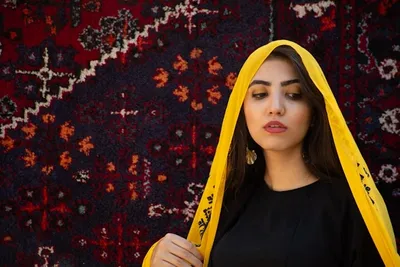
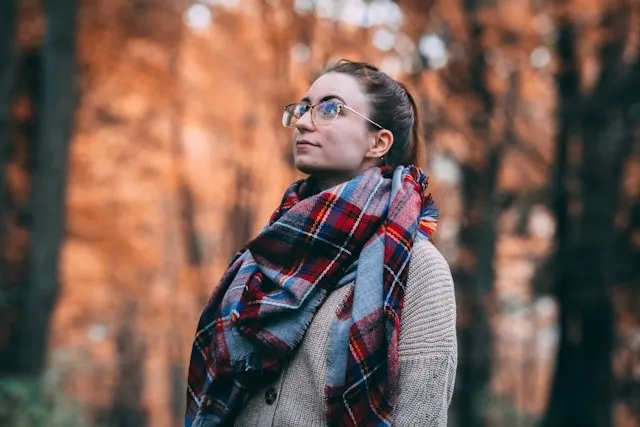
A shawl is defined by coverage and balance, not by how it is labeled. When we talk about how to turn a scarf into a shawl, we are really talking about scale and drape:
- Shawls sit across the shoulders and upper arms.
- Scarves are usually narrow and directional.
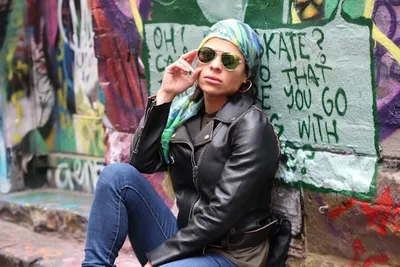
There are so many looks that can work with scarves on the head - remember the classic durag under a custom bucket hat look?
The conversion works because fabric responds to folding and gravity. By widening the surface area and adjusting how the weight falls, a scarf naturally behaves like a shawl.
Different shapes allow for different approaches, and no single method fits every fabric. Some scarves want to be folded once and laid flat, while others need layering to hold their position. Ultimately, the goal is ease.
A scarf used as a shawl should feel secure without constant adjustment and flexible enough to move with the body. You can achieve it with custom square scarves and other varieties.

How To Use A Large Scarf As A Shawl?
Large scarves are the easiest entry point because the proportions already lean toward shawl territory. Extra width gives coverage across the shoulders without tugging or stretching the fabric out of shape, so they are a great choice when exploring different types of scarves to use as shawls.
When we use a large scarf as a shawl, we focus on visual balance first. The fabric should sit evenly on both sides unless an asymmetrical look is intentional. Folding becomes a tool rather than a requirement:
- Sometimes a single fold softens the edges.
- Other times the scarf works best left open and allowed to drape naturally.
Warmth also improves with size, since more fabric traps air around the body. Large scarves handle both casual and dressed looks well, which makes them especially useful for travel where flexibility matters more than perfection.
|
Scarf type |
Typical size |
Coverage as shawl |
Best for |
Notes |
|
Square |
90–140 cm |
Medium–High |
Balanced drape |
Diagonal fold reduces bulk |
|
Rectangle |
180–220 x 60–80 cm |
Medium |
Travel, layering |
Cross-body reduces slipping |
|
Oversized blanket scarf |
130–150 cm+ |
High |
Warmth, outer layer |
Can overwhelm petite frames |
|
Lightweight/sheer |
Varies |
Low–Medium |
Indoor, styling |
Needs layering/tension |
Need a versatile scarf that can be adapted for different looks?
Work with us to create custom square scarves with personalized designs that can be folded and shaped in many ways.
How To Use A Scarf As A Wrap?
A wrap differs from a traditional shawl in intention. Wraps prioritize movement and adjustability, while shawls often stay put. Using a scarf as a wrap works best when you expect to move, sit, or layer throughout the day.
Historical research shows that people wear shawls for cultural, social, and identity reasons. We often recommend wrap styles for casual settings or transitional weather. Instead of laying fabric flat across the shoulders, wrapping brings the ends forward or across the body.
This creates natural tension that keeps the scarf from slipping. It also allows quick changes, like opening the wrap indoors or pulling it tighter outside:
- Front wraps feel relaxed
- Side wraps feel intentional
- Shoulder wraps lean more formal
The same scarf can do all three with minor adjustments, which is why wraps remain so practical.
How To Turn A Square Scarf Into A Shawl
Square scarves offer symmetry, which makes them surprisingly effective as shawls. Equal sides allow for even drape across both shoulders without constant repositioning. When turning a square scarf into a shawl, balance is the main goal.
- Folding diagonally increases width and softens corners.
- Straight folds create sharper lines.
We usually choose based on fabric weight. Heavier squares benefit from diagonal folds to reduce bulk, while lighter squares hold structure better when folded straight. You could consider styling with a matching custom patterned tie with embroidery or other cohesive accessories.
Placement matters too with this look. Centering the fold at the back of the neck helps distribute weight evenly. Square scarves are predictable, which makes them ideal for people who want consistency rather than experimentation when styling.
We supply high-quality custom shawls and square scarves that you can personalize for your own look and style in any way you like. Our products benefit from high-quality craftsmanship and we price competitively, with generous bulk discounts available.
Best Folding Techniques For Square Scarves
Folding controls how a scarf behaves once it is on the body. With square scarves, diagonal folding creates a triangular shape that drapes naturally over the shoulders. This approach increases coverage while minimizing excess fabric at the neckline.
Straight folding produces a rectangular band that feels more structured and works well for tailored outfits. The choice changes how the scarf reads visually:
- Diagonal folds feel softer and more relaxed.
- Straight folds feel deliberate and architectural.
We often test both quickly before committing. Keep in mind that experts recommend exploring materials, considering durability, fabric quality, softness, and stitching.
Small adjustments in fold width can dramatically change comfort. Too narrow and the scarf slips. Too wide and it overwhelms the shoulders. Folding is not about precision, it is about finding the fold that lets the fabric settle comfortably and stay there.
Choose a classic look that you can adapt easily
Custom knitted scarves are a traditional choice, but you can fold and wrap them in different ways for different looks.
Learn moreWhat Are The Key Methods For Converting Scarves To Shawls?
There are two broad approaches when converting scarves into shawls. Structured methods rely on folds and tension to hold shape. Loose methods rely on drape and fabric weight. The best choice depends on the scarf itself.
Long rectangles behave differently than squares, so consider this when looking at crochet stitches for scarves to take the DIY approach.
- Lightweight fabrics need more intention.
- Heavier weaves do half the work on their own.
We encourage you to try both approaches because versatility is the real benefit here. Minimal accessories are often enough, if anything at all. The key is letting the scarf work with gravity rather than against it.
Whatever method you choose for the conversion, it should fall into place naturally. Once you stop forcing it into place, the shawl shape appears naturally. That ease is what makes the look convincing rather than improvised.
What Tips Help Ensure Success When Turning A Scarf Into A Shawl?
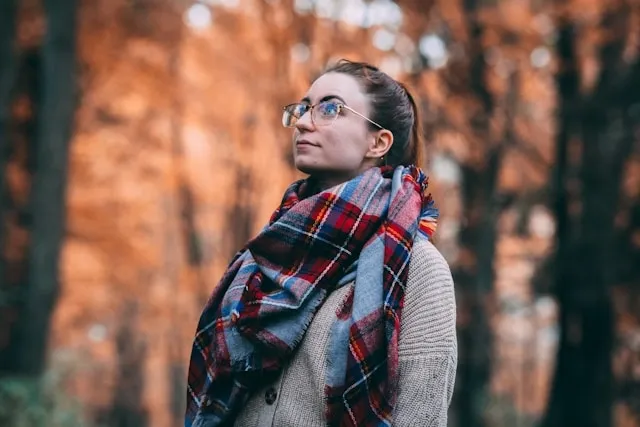
Most issues come down to movement. Scarves slip because fabric has nothing anchoring it to the body. When turning a scarf into a shawl, success depends on stability without stiffness. We look at three things every time:
- Fabric texture
- Shoulder placement
- Weight distribution
Smooth fabrics need more surface contact across the shoulders, while textured weaves grip naturally. A study from 2025 demonstrates that traditional shawl-like textures are intentionally multifunctional, so the versatility of scarves plays into that well.
Positioning matters too. A shawl that sits too far back will slide, while one placed slightly forward stays put. Comfort should guide every adjustment. Confidence comes from not thinking about it once it is on.
If a scarf feels restrictive, it will be adjusted constantly, which defeats the purpose. Small tweaks before leaving the house make a big difference later, especially during long wear.
How To Turn A Rectangular Scarf Into A Shawl
Rectangular scarves are common, which makes them one of the most practical options for shawl styling. The length-to-width ratio plays a big role in how the fabric behaves. Longer scarves create elegant drape but require balance to avoid pulling backward.
We usually recommend centering the scarf evenly across the shoulders before making any folds. Here are a couple of tips for this look:
- Rectangles shine when the length is allowed to flow vertically, creating movement rather than bulk.
- Folding lengthwise can increase warmth without sacrificing shape.
If you want to make your scarf yourself, explore scarf crochet patterns that will allow you to try these approaches.
The key is not overworking the fabric. Rectangular scarves naturally want to cascade, and letting that happen often looks better than forcing symmetry. When done right, they feel effortless and look intentional, which is exactly what a good shawl should do.
Create a custom shawl from scratch
We offer options to create your own personalized shawl in any color or size so as to wear it proudly.
Get startedHow To Turn A Lightweight Scarf Into A Shawl
Lightweight scarves require a different mindset. Instead of relying on weight, we rely on layering and friction. Thin fabrics tend to collapse if left unsupported, so the goal is controlled overlap.
We often fold lightweight scarves slightly wider than expected to increase surface contact. Layering the fabric over itself adds structure without heaviness. Research from 2021 finds that shawls are designed to drape, insulate, and move comfortably - things you need to keep in mind here.
Sheer scarves benefit from being doubled at the shoulders while left loose through the front. Movement will always be more noticeable with lightweight materials, so this style works best in calmer settings or with outfits that support the look visually.
Comfort matters here more than coverage. A lightweight scarf used as a shawl should feel present but barely noticeable while worn.
How To Turn A Scarf Into A Shawl Without Pins
Not everyone wants hardware involved, and in many cases it is unnecessary. Turning a scarf into a shawl without pins depends on tension and placement. Whether you are working with custom printed scarves in rectangular or square shapes, this can be achieved.
- Draping the fabric slightly forward creates natural resistance against movement.
- Shoulder locking techniques help too - this means allowing the scarf to rest where the arm naturally meets the torso, creating subtle anchors.
Outfits are a key consideration here. Structured tops provide grip, while slick fabrics encourage slipping. Casual looks work best without pins, especially when movement is limited. For more structured environments, thoughtful folding does most of the work.
When done correctly, the scarf stays in place simply because the body supports it naturally. The key is to learn the right folding and tying techniques and practice them until they become second nature to you.
Folding Methods That Naturally Secure The Scarf
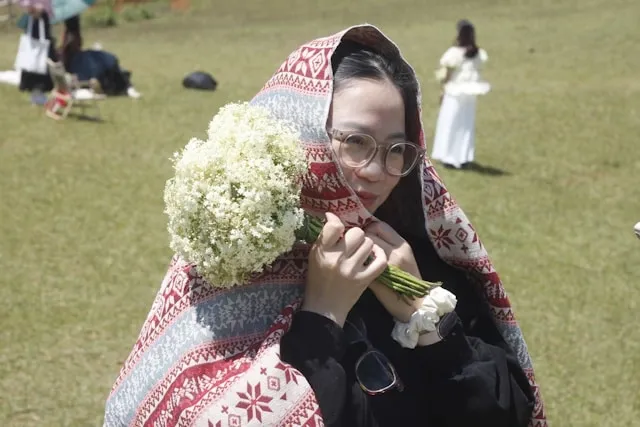
Certain folds create their own stability. For example, folding a scarf into a wide band distributes weight evenly across the shoulders, reducing pressure points. Studies have found that scarves and shawls have worked as head coverings, ceremonial textiles, and more throughout history - context matters.
- Diagonal folds introduce tension that helps the fabric resist slipping.
- Tension-based draping works best when the scarf crosses the body slightly instead of sitting straight across. This creates friction without visible effort.
- Shoulder lock folds allow the scarf to rest in natural contours, which feels more secure than relying on accessories.
We often adjust folds while wearing the scarf rather than before, since body shape changes how fabric behaves. The goal is not tightness, it is balance. When the scarf feels balanced, it stays where it belongs.
We urge you to explore a wide range of different methods to fold, drape, and tie scarves so that they function as shawls and you will find what works for you.
Frequently Asked Questions About How To Turn A Scarf Into A Shawl
How To Turn A Scarf Into A Shawl Easily?
Choose a wider scarf, center it across the shoulders, and let gravity do the work. Minimal folding usually looks best and feels more comfortable.
How To Turn A Scarf Into A Cover Up?
Use a large or rectangular scarf, fold it lengthwise, and drape it evenly for coverage. Lightweight fabrics work well for relaxed settings and travel.