Types Of Blankets Explained: Blanket Fabric Types And How To Choose?
We tend to underestimate how many types of blankets are actually out there until we look to buy one. Then suddenly, every option feels subtly different, and not always in obvious ways. Over the years, we’ve handled everything from basic cotton layers to heavier, more specialist designs.
In this guide, we show how the material and purpose matter most. Some blankets are built for warmth, others just for how they feel against your skin. If we choose without thinking about use, we usually end up replacing it sooner than we planned.

Key Takeaways
- Blanket types vary more by material and purpose than appearance, so choosing based on use tends to lead to better long-term comfort and satisfaction.
- Fabric plays a bigger role than most expect. It affects warmth, breathability, durability, and how easy the blanket is to care for over time.
- The best approach is to match the blanket to the setting. Bed, sofa, season, and personal comfort preferences all shape what actually works.
- We supply high-quality custom blankets in various formats to allow you to choose the right practical option and add your personalized design.
Types Of Blankets
When we talk about types of blankets, we’re really talking about function first, then material, and finally construction. That’s how most people look for blankets, even if they don’t realize it.
A blanket for a bed behaves differently than one for a couch or travel. Some are designed to layer, while others are meant to stand alone. You will see various categories, such as:
- Throws
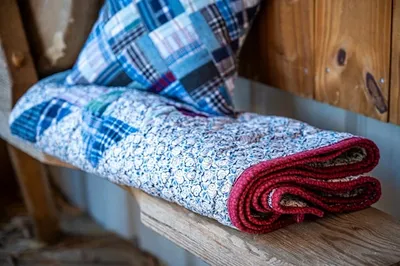
- Quilts
- Comforters
- Custom fleece blankets
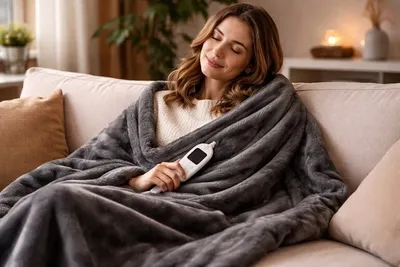
- Weighted or heated blankets
Each of these serves a different role. We usually suggest thinking about where it will be used as your starting point. That one decision narrows the field quickly and makes the rest feel far less overwhelming.
What Are The Different Types Of Blankets?
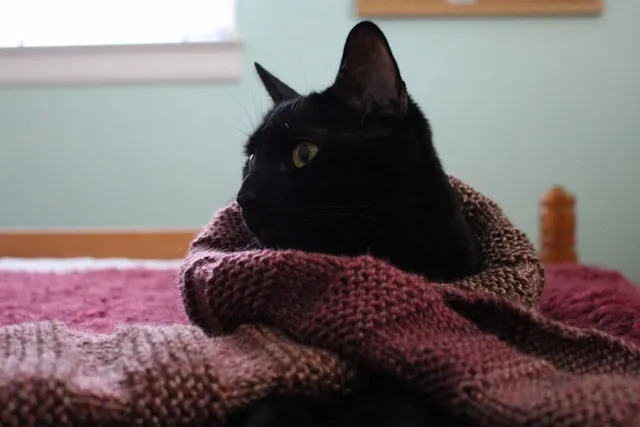
There’s a core set of blanket types most people come across, even if the names vary slightly between brands. Each one differs in construction - some are single-layer, others are filled and stitched. Let’s explore:
- Throws: These are smaller and more decorative.
- Quilts: These are stitched layers with a lighter feel
- Comforters: Choose these for a thicker solution with built-in fill.
- Duvets: Blankets that rely on inserts, which adds flexibility.
Then you have fleece, wool, weighted blankets, and electric options. We’ve found it helps to think in terms of use. A 2017 study found blankets can reduce anxiety and increase feelings of protection, so it isn’t always about warmth.
Comfort, ease of care, or visual appeal usually points you toward the right category without overthinking it.
|
Fabric Type |
Warmth Level |
Breathability |
Feel / Texture |
Ease of Care |
Durability |
Common Downsides |
Best For |
|
Cotton |
Low–Medium |
High |
Soft, smooth, natural |
Easy (machine washable) |
High |
Can feel cool in winter; may shrink if hot-washed |
Year-round layering, hot sleepers, sensitive skin |
|
Wool |
High |
Medium–High (temperature regulating) |
Textured; can be coarse or soft (e.g. merino) |
Moderate (often hand wash / delicate) |
Very High |
Can itch; may felt/shrink; higher cost |
Cold sleepers, winter layering, insulation without bulk |
|
Fleece (Polyester) |
Medium–High |
Low–Medium |
Very soft, plush |
Very Easy |
Medium |
Can trap heat; may pill over time; static |
Sofa throws, quick warmth, low maintenance |
|
Microfiber |
Medium |
Low |
Smooth, lightweight, soft |
Very Easy |
Medium |
Less breathable; may trap heat |
Budget bedding, decorative blankets |
|
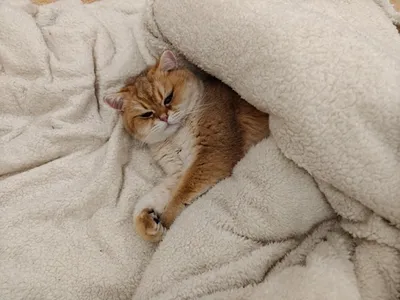
Sherpa (Faux Sheepskin) |
High |
Low |
Thick, fluffy, ultra-soft |
Easy (check label) |
Medium |
Can flatten with heavy use; not breathable |
Maximum coziness, winter lounging |
|
Bamboo (Viscose) |
Low–Medium |
High |
Silky, smooth, cool to touch |
Easy–Moderate |
Medium |
Less insulating in winter; quality varies |
Hot sleepers, summer use, moisture control |
|
Down-Filled (Insert-Style) |
High (varies by fill power) |
Medium |
Light but lofty |
Moderate (often dry clean or careful wash) |
High |
Expensive; allergy concerns; requires cover |
Lightweight warmth without heaviness |
|
Blends (Cotton/Poly etc.) |
Medium (varies) |
Medium |
Balanced feel |
Easy |
High |
Performance depends on ratio |
Practical, everyday use |
Blanket Fabric Types
Fabric tends to be the deciding factor once you narrow down blanket types. It controls how the blanket feels, how warm it gets, and how it holds up over time.
We’ve seen people choose purely on appearance, only to realize later that the texture or weight doesn’t suit them. It takes a comprehensive approach to choose the best promotional products for business. You will notice different properties for fabrics like:
- Cotton
- Fleece
- Wool
- Synthetic blends
Some breathe well, others trap heat. Some wash easily, others need care. If comfort is the priority, fabric should come first - style can follow.
Natural Materials
Natural blanket material types tend to appeal to people who care about airflow and feel. Cotton is probably the most familiar. It’s breathable, easy on the skin, and works well across seasons. However, there are some alternatives:
- Wool adds warmth without feeling overly heavy, though it can need more careful handling.
- Bamboo-derived fabrics are softer than many expect and handle moisture well.
- Down, used as a fill, provides insulation with very little weight.
We’ve noticed that people who sleep warm or have sensitive skin often lean toward these options. They do cost more in some cases, but they tend to age well when cared for properly.
Synthetic Materials
Synthetic blanket fabric types are often chosen for practicality. Polyester, microfiber, fleece, and sherpa dominate this category. They’re usually more affordable, easier to wash, and quicker to dry. That makes them appealing for everyday use.
Fleece, in particular, is one we see used often because it’s soft and lightweight. However, there are some trade-offs that you should be aware of.
- Some synthetics can feel too warm or trap moisture.
- Pilling can also happen over time.
We’ve found that choosing slightly higher-quality versions reduces those issues. They may cost a bit more upfront, but they tend to perform better and last longer.
Looking for an affordable blanket that offers warmth and comfort?
Use our service to create a custom fleece blanket with a personalized design for softness and warmth.
Types Of Blankets For Beds
Bed blanket types are less about a single item and more about how layers work together. A typical setup might include sheets, a lighter blanket, and then a thicker layer like a comforter or duvet.
Not every blanket replaces another as some are designed to stack. Sizing matters too - a throw won’t work on a bed the same way a full blanket does. We usually suggest thinking about temperature first:
- If you run warm, lighter layers make sense.
- If you prefer more weight, you can build up gradually.
- For extra warmth, consider investing in a custom flannel fleece robe.
Flexibility is what makes bed setups feel personal rather than fixed.
Types Of Bed Blankets
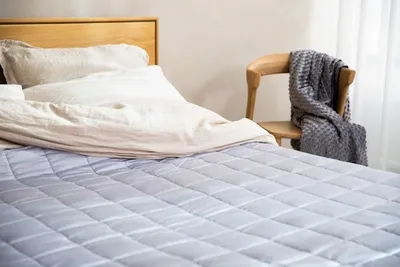
Within bed blanket types, each layer serves a purpose. A lightweight blanket might act as a base layer, while a quilt or comforter provides warmth on top. Decorative covers can sit above everything else.
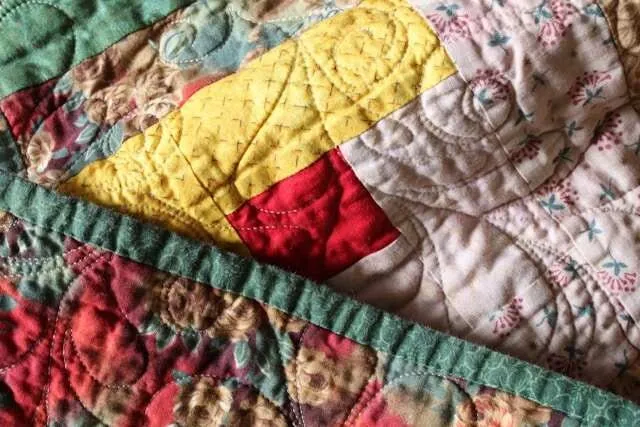
Quilts can work alone in warmer climates, but often need an extra layer when temperatures drop. We’ve experimented with different setups over time, and it rarely stays the same year-round. Studies have shown the benefits of weighted blankets for comfort and calmness.
A simple combination works best:
- One breathable layer
- One insulating layer
- Something optional for added comfort
That balance gives you control without making the bed feel overly heavy or complicated.
Types Of Throw Blankets
Throws tend to be smaller by design, and that’s part of their appeal. They’re easy to move, easy to style, and often chosen as much for appearance as comfort. You will find:
- Knit throws
- Woven options
- Fleece
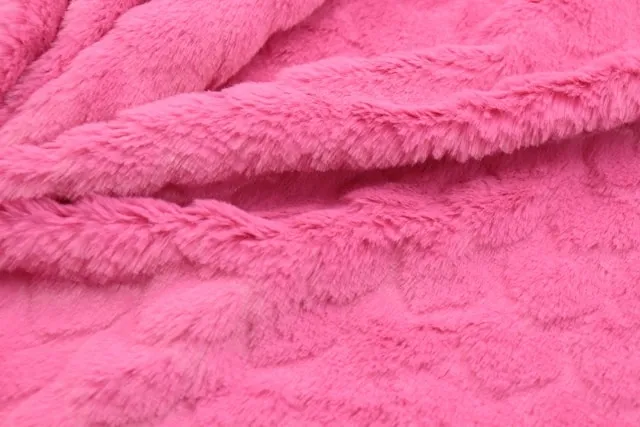
- Faux fur
Each has a different texture and weight. We tend to keep a few around rather than rely on just one: a lighter throw works well in warmer months, while a thicker one adds comfort in colder seasons.
Throws are popular types of promotional products for business. They’re also one of the simplest ways to change how a space feels without replacing larger bedding pieces.
Choose a blanket with a little extra warming potential
Our custom plush fleece blankets are designed to balance warmth and affordability, with no compromise on quality.
Learn moreTypes Of Blankets For Winter
Warmth in winter comes down to insulation and layering. Materials that trap air tend to feel warmer, which is why wool, down, and sherpa are so common. Research also highlights the benefits of heated blankets for warmth in winter.
Heavier quilts and electric blankets also come into play here. We’ve found that combining layers works better than relying on one thick blanket as it allows you to adjust as needed. The goal isn’t just warmth, it’s consistent warmth without overheating. That balance can be tricky.
You can usually find your balance with the following approach:
- Breathable materials underneath
- Insulating layers on top
This tends to solve the issue without making sleep uncomfortable.
Interested in a premium blanket with maximum warming potential?
With our service, you can create a custom sherpa blanket that offers high-quality warming and a delightfully soft feel for optimal comfort.
Types Of Blankets For Summer
Summer blankets are all about airflow and weight. Cotton is often the go-to because it breathes well and feels light. However, there are some other blanket materials that are popular in warmer weather:
- Bamboo-style fabrics also perform well in humid conditions.
- Lightweight quilts and cellular weaves are worth considering too.
We’ve noticed that people often skip blankets entirely in summer, but a light layer can actually improve comfort, especially in air-conditioned rooms. The key is avoiding anything that traps heat.
A thinner blanket with good airflow feels very different from a heavy one. Work with us to create custom plush fleece blankets with your desired thickness and add personalized designs at great prices to get the right look and feel for any need.
Best Types Of Blankets
The best types of blankets depend entirely on how they’ll be used - there isn’t a single option that works for everyone. Hot sleepers tend to prefer breathable fabrics, while colder environments call for more insulation.
Budget also plays a role.
- Some blankets prioritize durability.
- Others are all about convenience.
Before making a purchase, we usually check the care label, fabric type, and overall weight. Those details tell you more than marketing descriptions. If you’re unsure, using a guided selection or curated collection can help narrow things down without guessing.
When you do this, you save time and it usually leads to a more reliable choice. Alternatively, opt for customized blankets like the ones we sell to take control over the features and look of your blanket.
Choose a different type of blanket that isn’t for warming
Work with us to create custom picnic blankets with any design you like, ensuring outdoor dining is comfortable and organized.
Get startedWhat Are Different Types Of Blankets Called?
Blanket terminology can feel inconsistent, especially across different retailers. You’ll see terms like throw, comforter, duvet insert, quilt, bedspread, and even afghan. Sometimes they overlap, and sometimes words like “throw” can apply to custom rectangle table covers.
Here are a few tips to distinguish between them:
- A comforter and duvet can look similar but function differently.
- A quilt is usually lighter and stitched.
- A bedspread covers more area.
We’ve learned to read product descriptions carefully rather than rely on the name alone. Materials, size, and construction give you a clearer picture. Once you understand those details, the naming becomes less confusing and easier to navigate.
What Are Thin Blankets Called?
Thin blankets go by several names, including lightweight blankets, coverlets, and summer blankets. Cellular blankets are another example, designed with airflow in mind. These are useful for layering or for warmer climates where heavy insulation isn’t needed.
We often keep one on hand for guests because it works in most situations. The key is making sure thin doesn’t mean rough or uncomfortable - softness is still important. A 2023 study explored different textile layer compositions to test insulation performance, and there are a lot of variations.
A well-made lightweight blanket can feel just as satisfying as a thicker one, just without the extra heat.
What Is A Heavy Blanket Called?
Heavier blankets come in a few forms. Compare options and weigh them against lighter alternatives to choose the right custom merchandise for business or the best blanket for comfort at home.
Here are some options to consider:
- Weighted blankets are the most obvious, designed to apply gentle pressure.
- Then you have dense wool blankets and thicker quilts.
Some feel heavy because of the material, others because of added fill. We’ve noticed that people often confuse the two, but a dense weave feels different from a weighted insert. Both have their place.
Heavier blankets can feel comforting, especially in colder weather, but they’re not for everyone. If movement feels restricted, it’s usually a sign the weight isn’t quite right.
What Is A Comfort Blanket Called?
The term “comfort blanket” can mean different things depending on context. For some, it’s about emotional comfort, while for others it’s simply a blanket that feels soft and familiar. Blankets we java seen described this way include:
- Fleece throws
- Weighted blankets
- Plush fabrics
We tend to think of it as a combination of texture and familiarity. Studies reveal more complex blanket types like aerogel insulating blankets, known for extreme thermal insulation but high cost.
The best comfort blanket is one you reach for without thinking. It should feel easy to use, not too warm, not too heavy. That balance is what makes it part of a daily routine rather than something occasional.
Duvet vs Quilt vs Comforter: Which One Is Best?
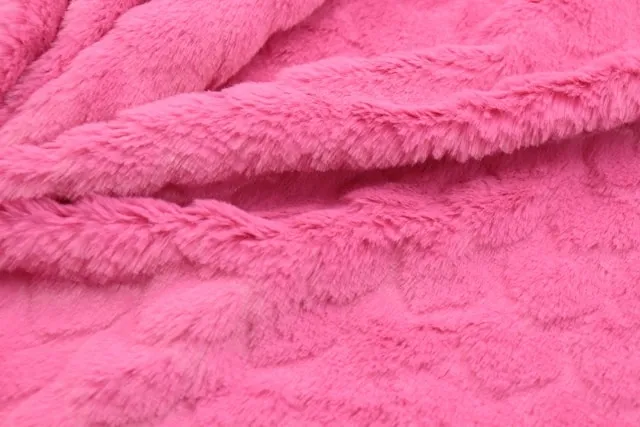
These three are often grouped together, but they serve slightly different roles. We’ve used all three, and the choice often comes down to lifestyle. Consider the following:
- A duvet uses an insert and a cover, which makes it easy to clean and change styles.
- A comforter is filled and ready to use, no extra layers required.
- A quilt is lighter and usually stitched in layers.
If you want flexibility, a duvet works well. If you prefer simplicity, a comforter makes sense, while quilts are ideal for lighter coverage or layering. You could even opt for a custom sherpa blanket for a good balance of warmth and softness. Each has its place depending on how you use your bed.
Frequently Asked Questions About Types Of Blankets
What Are The Different Types Of Blankets?
Common types include throws, quilts, comforters, duvets, fleece blankets, wool blankets, weighted blankets, and electric blankets, each designed for different uses and comfort levels.
Which Type Of Blanket Is Warmest?
Wool, down-filled comforters, sherpa, and layered blankets tend to provide the most warmth due to their ability to trap heat effectively.