What Is A Tumbler? Different Types, Materials, Uses, And Preferences
We hear the word tumbler often, but most people struggle to explain what it actually means. That confusion makes sense - tumblers show up everywhere and they don’t always look the same. At its core, a tumbler is simply a piece of drinkware for everyday use.
In this guide, we will look at how the term has evolved to refer to drinkware solutions that suit different habits, whether that’s coffee on-the-go or water at a desk. We’ve worked with tumblers long enough to see how preferences shift based on lifestyle, not trends. So what is a tumbler? Read on to find out.

Key Takeaways
- A tumbler is a broad drinkware category designed for daily use, portability, and comfort rather than formality.
- Materials, insulation, and shape all affect how a tumbler performs in real life, not just how it looks.
- The right tumbler depends on how, where, and what you drink most often.
- We supply high-quality custom tumblers in various styles and materials so you can find an affordable, personalized piece for any need.
Table of contents
-
What Is A Tumbler?
-
Why Do They Call Certain Glass Tumblers?
-
What Does A Tumbler Look Like And How Do You Identify One?
-
What Are Tumblers Used For In Daily Life?
-
What Is The Difference Between A Tumbler And A Cup?
-
Can You Use A Tumbler For Hot Or Cold Drinks Safely?
-
Is A Yeti Cup A Tumbler And Why Are They Popular?
-
What Are Tumblers Made Of?
-
Are Tumblers Insulated And How Do They Keep Temperature?
-
How Do You Clean A Tumbler Safely?
What Is A Tumbler?
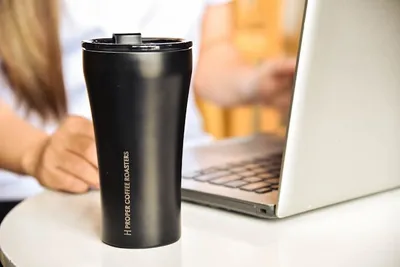
So what is a tumbler, really? At its simplest, it’s a cup without a handle or stem, meant to sit comfortably in the hand and rest flat on a surface. That is a basic idea that hasn’t changed much - what has changed is how tumblers are made and used.
Today, when someone asks what a tumbler cup is, they might mean:
- A glass tumbler at home
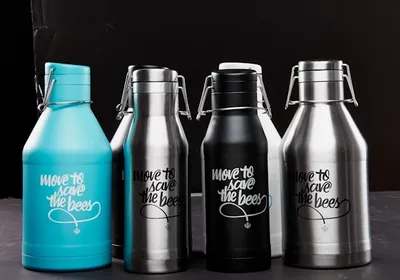
- A custom 16 oz Venture Vibes steel mug in the car
Both count. Tumblers are designed for stability, easy sipping, and repeated use. Unlike specialty drinkware, they are meant to be flexible. People use them for water, coffee, iced tea, and even cocktails.
We tend to think of tumblers as everyday tools rather than decorative pieces. This explains their popularity across so many settings.
What Is A Drink Tumbler And What Sets It Apart?
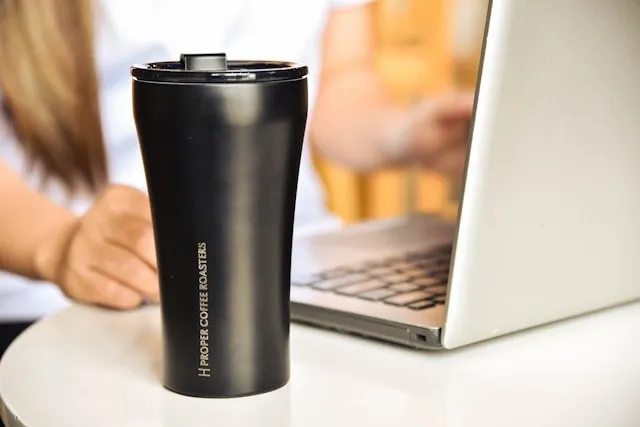
A drink tumbler usually refers to a tumbler designed specifically for beverages on the go or extended use. While all drink tumblers are tumblers, not all tumblers function as drink tumblers in the modern sense.
These versions often include features like:
- Insulation
- Fitted lids
- Materials that handle temperature changes well
When someone asks what a drink tumbler is used for, the answer is simple: convenience. We see drink tumblers replacing disposable cups in offices, cars, and gyms. They hold temperature longer and travel better than standard glassware.
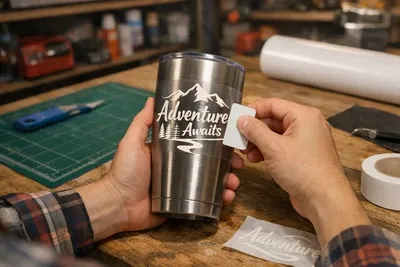
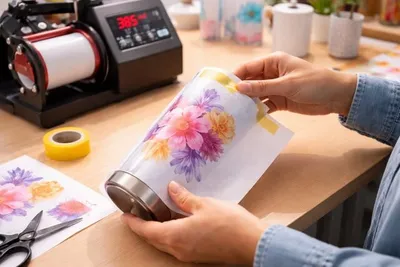
Their rise also reflects changing habits. People want fewer items that do more. A drink tumbler can move from desk to car without much thought, which explains why they’ve become part of daily routines. And people like to express themselves, which is why many search for how to make custom tumblers with pictures.
|
Feature / Use Case |
Tumbler |
Mug |
Bottle |
Cup |
Glassware |
|
Typical Capacity |
12–30 oz |
8–16 oz |
16–40+ oz |
8–16 oz |
8–20 oz |
|
Handle |
No |
Yes |
No |
No |
No |
|
Lid Included |
Often |
Sometimes |
Usually |
Rarely |
No |
|
Insulation |
Optional (often insulated) |
Rarely insulated |
Often insulated |
None |
None |
|
Cupholder Friendly |
Usually |
Rarely |
Sometimes |
Sometimes |
Rarely |
|
Portability |
High |
Medium |
High |
Low |
Low |
|
Spill Resistance |
Lid-dependent |
Low |
High |
Very low |
Very low |
|
Best For |
Everyday use, commuting, desk, travel |
Hot drinks at home or office |
On-the-go hydration, sports |
Casual indoor use |
Home dining, cold drinks |
Why Do They Call Certain Glass Tumblers?
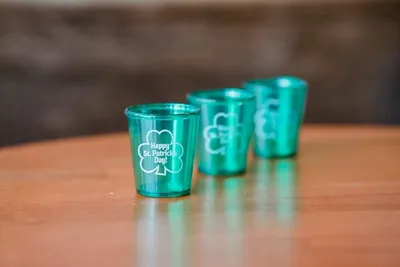
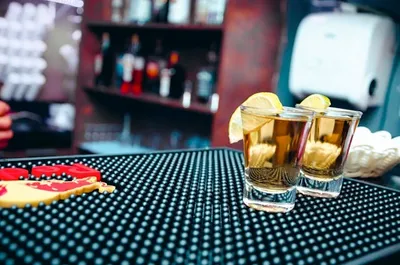
The name “tumbler” comes from early drinking vessels that lacked a flat base and would tip, or tumble, when set down. Those early designs forced users to finish their drink rather than leave it standing.
Over time, the shape changed, but the name stuck. Today, when we talk about a tumbler glass, we usually mean a straight sided drinking glass with a solid base. Researchers have examined how different tumbler materials affect metal leaching and food safety - tumblers are far more advanced than they once were.
Bartending culture helped cement the term. We commonly use the word to refer to:
- Short cocktail glasses
- Water glasses
- Whiskey glasses
Even though modern versions no longer tip over, the name carries history with it. We find that people enjoy knowing there’s a reason behind the terminology, even if the function has evolved far beyond the original idea.
Looking for an insulated tumbler to preserve drink temperature?
Work with us to create custom Thermo Seal insulated tumblers and enjoy a sleek aesthetic and superior comfort.
What Does A Tumbler Look Like And How Do You Identify One?
Most tumblers share a few recognizable traits. They are wider at the top than the bottom or maintain a consistent straight wall. They sit flat and feel balanced when picked up.
These are features that differentiate them from custom Quench Master water bottles. Here are some more:
- Whether glass, metal, or plastic, a tumbler usually fits comfortably in one hand.
- Size varies, but the shape is meant for easy sipping rather than formal presentation.
- When people ask what a tumbler looks like, we tell them to think simple and practical. No handle, no stem. That’s the easiest identifier.
Today’s tumblers may include lids or insulation, but the core silhouette remains familiar. If it feels natural to grab and drink from without thinking, it’s probably a tumbler.
We supply high-quality custom Warmth Keeper steel tumblers and many other styles that you can personalize and order in various quantities. All our products are fully tested, built to last, and offered with generous bulk discounts.
What Are Tumblers Used For In Daily Life?
Tumblers show up in more daily moments than most people realize. Morning coffee at home, water during meetings, iced drinks after a workout. That’s where tumblers quietly do their job.
When people ask what tumblers are used for, the answer is flexibility. A single tumbler can handle hot or cold drinks and move easily between environments. Since they don’t demand special care, we see them used:
- At desks
- In cars
- On nightstands
Tumblers also suit changing routines. Someone might use the same one for water all day, then rinse it for tea at night. They are reusable, unlike PET plastic cups, and that adaptability explains why tumblers often replace multiple cups.
They fit modern habits where convenience matters more than formality.
Why Do People Use Tumblers For Convenience?
Convenience is the real selling point of tumblers, even if people don’t say it out loud. They are easy to carry, easy to clean, and easy to reuse. Many designs fit standard cup holders, which sounds small but matters in daily life.
When we talk about why people reach for tumblers, it usually comes down to reducing friction. Benefits include:
- Less spilling
- Fewer disposable cups
- Less switching between containers
Tumblers also encourage hydration. Having one nearby makes drinking water feel effortless. Over time, that habit sticks. And they look great, though experts warn that certain decorative pigments can release lead and cadmium, so it’s important to be safety-conscious.
We’ve noticed that once someone finds a tumbler they like, it becomes part of their routine quickly. Comfort and familiarity tend to win over novelty every time.
Which Is Best For Travel When Choosing A Tumbler?
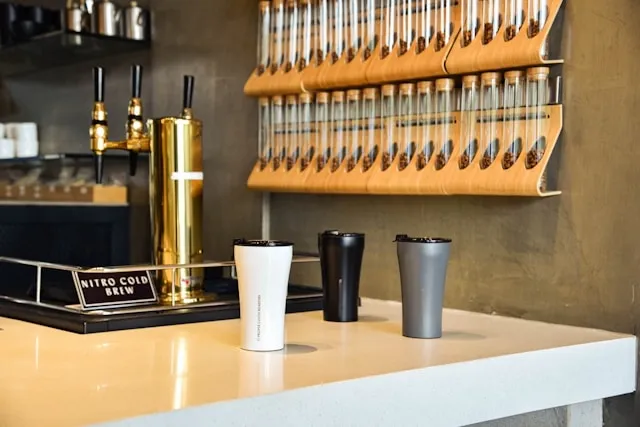
Travel puts different demands on drinkware. A good travel tumbler needs to seal properly, hold temperature, and survive being tossed into a bag. Insulated tumblers are often the first choice because they keep drinks stable for hours.
Weight matters too:
- Some people prefer lighter designs for short trips.
- Others want thicker walls for long drives.
When deciding what a tumbler is used for during travel, the answer usually involves movement. This could mean walking, commuting, flying. Features like secure lids and textured grips matter more than appearance when looking for the best travel insulated thermal coffee mug.
We suggest thinking about how often the tumbler will be handled rather than how it looks on a shelf. Travel quickly exposes weak design choices.
Choose a premium aesthetic for your tumblers
We supply high-quality custom Aromatic Elegance travel tumblers that display your design and perform to a high standard.
Learn moreWhat Is The Difference Between A Tumbler And A Cup?
At a glance, a tumbler and a cup can look similar, which leads to confusion. The difference is mostly about design intention. When people ask what’s a tumbler compared to a cup, we usually point to versatility:
- Cups often include handles or are meant to stay in one place.
- Tumblers are designed to be held, moved, and reused across settings.
Tumblers handle temperature changes better and often include features like insulation or lids. Cups tend to serve a single purpose. Visual designs are also different - cups may feature prints or painting, while many explore how to laser engrave tumblers for more diverse looks.
Neither is better in every situation, but tumblers cover more ground. That’s why they’ve become so common in daily routines where flexibility matters more than tradition.
Can You Use A Tumbler For Hot Or Cold Drinks Safely?
Most tumblers are built to handle both hot and cold drinks, but material matters. Stainless steel and insulated tumblers manage heat well and protect hands. Glass tumblers work for temperature changes too, though they require more care.
When people ask what a tumbler is used for in terms of temperature, the answer depends on construction. Not every tumbler is designed for boiling liquids. Studies have looked into insulated devices that actively control temperature to influence taste perception, further demonstrating the importance of this consideration.
We always recommend checking material limits:
- Cold drinks are rarely an issue.
- Hot beverages demand proper insulation.
Using the wrong tumbler can lead to burns or cracking. Safe use comes down to matching the drink with the right design rather than assuming all tumblers behave the same.
Need a travel mug that you can personalized?
Use our service to create custom Wanderlust insulated travel mugs with a branded or personalized aesthetic for diverse needs.
Is A Yeti Cup A Tumbler And Why Are They Popular?
A Yeti cup is a well-known type of tumbler. Its popularity helped redefine what many people picture when they hear the word tumbler. These cups are known for thick walls, vacuum insulation, and temperature control.
When someone asks what a tumbler bottle or cup is in modern terms, Yeti often comes to mind first. Their rise came from performance, not branding alone. Drinks stay hot or cold for hours, even outdoors. That reliability built trust quickly.
We’ve seen how one strong product can shape an entire category. While not every tumbler needs that level of insulation, it changed expectations across the market.
What Are Tumblers Made Of?
Tumblers come in a range of materials, each with tradeoffs. Whether yours is glass, stainless, steel, or plastic reflects use case more than trend:
- Glass offers clarity and a clean taste but requires careful handling.
- Stainless steel provides durability and insulation.
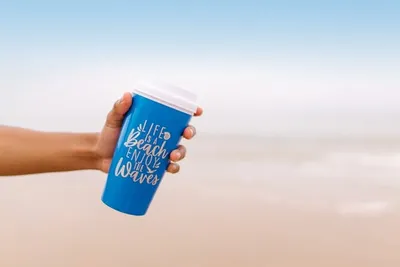
- Plastic tumblers are lightweight and affordable but vary in quality.
Materials affect weight, heat retention, and lifespan. We’ve found that people often underestimate how much material choice shapes daily experience. A 2018 engineering study even looked at the development of a smart tumbler with embedded sensors for a more sophisticated experience.
A tumbler used at home might prioritize feel and appearance, while one used outdoors needs strength. Understanding materials helps people avoid frustration later and choose something that actually fits their habits.
Choose large plastic tumblers for refreshing cool beverages
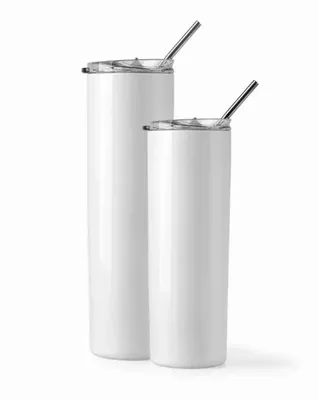
Choose our custom 20 0z Vibrant Sip tumblers with straws to enjoy refreshment and luxury with a personalized design.
Get startedAre Tumblers Insulated And How Do They Keep Temperature?
Not all tumblers are insulated, but many modern ones are. Insulated tumblers usually rely on double wall construction with a vacuum layer between walls. This limits heat transfer and keeps drinks stable longer.
When people ask what tumblers are good for, insulation is often part of the answer. It keeps coffee warm and ice from melting too fast. Performance depends on:
- Lid quality
- Wall thickness
- Seal design
Even small gaps reduce efficiency. We’ve tested enough tumblers to know that insulation quality varies widely. Two tumblers can look similar and perform very differently. It’s one area where construction matters more than appearance.
How Do You Clean A Tumbler Safely?
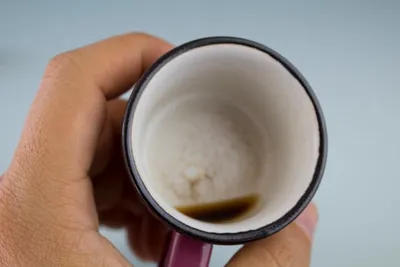
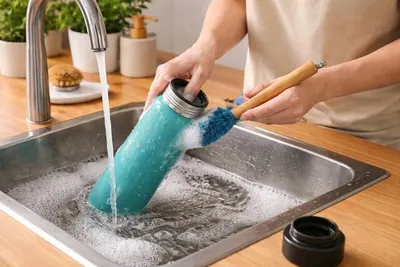
Cleaning a tumbler properly keeps it tasting fresh and lasting longer. Daily rinsing prevents residue buildup, especially with coffee or sweet drinks. Most tumblers handle warm soapy water well.
Some materials are dishwasher safe, others are not. When people ask what tumbler maintenance is like, we tell them it’s simple but consistent. Deep cleaning occasionally helps remove odors. Lids deserve extra attention since they trap moisture.
We’ve seen more issues from neglected lids than from cups themselves. Using the wrong cleaning tools can scratch surfaces, especially on coated tumblers. Whether you have a custom 16 oz Fresh Flow acrylic tumbler with straw or an insulated metal one, you need to take the right cleaning approach.
Gentle care usually does more than aggressive scrubbing.
Are Stainless Steel Tumblers Safe For Daily Use?
Stainless steel tumblers are widely used because they’re safe, durable, and non reactive. Food grade steel does not leach chemicals into drinks and handles temperature changes well. A 2024 study highlights the benefits of reusable drinking containers for good hydration and sustainability.
When someone asks about a tumbler in terms of glass versus steel in relation to safety, steel often wins for daily use. We’ve found stainless steel especially practical for long term use as it:
- Resists breaking
- Tolerates frequent handling
The key is quality. Poor coatings or low grade steel can cause issues, so choosing reputable manufacturing standards matters. With proper care, a stainless steel tumbler can last for years without affecting taste or safety.
Frequently Asked Questions About What Is A Tumbler
What Is A Tumbler Cup And How Is It Used?
A tumbler cup is a handle free drinking vessel used for hot or cold beverages. People use it at home, work, or while traveling due to its flexibility and comfort.
What Are Tumblers Considered In Modern Drinkware?
Tumblers are considered everyday drinkware designed for repeated use, portability, and convenience across multiple environments.