How To Tie A Scarf On Your Head? Secure Wraps, Turban Looks, And Practical Tips
Scarves have been part of daily life for a long time, but learning how to tie a scarf on your head properly still feels confusing for many people. We see it often: someone loves the look, tries it once, and the scarf slips or looks awkward. Head scarves can be practical, expressive, or both, depending on how they are worn.
In this guide, we look at the fundamentals of placement and balance rather than focusing on a single technique. Different fabrics behave differently, and tension is important. Once the basics click, tying becomes intuitive.
The goal is not perfection but confidence and comfort.

Key Takeaways
- Wearing a scarf on your head works best when fabric choice, placement, and tension are considered together rather than separately.
- There is no single correct method, since face shape, hair type, and purpose all influence how a scarf should be tied.
- Secure wraps come from balance and anchoring, not pulling tighter or overcomplicating the knot.
- We supply high-quality custom scarves in multiple shapes and styles that can be personalized and tied in different ways around the head for any aesthetic.
Table of contents
-
How To Tie A Scarf On Your Head?
-
How To Wear A Head Scarf Correctly For Different Occasions
-
How Do You Tie A Scarf Around Your Head Properly?
-
Best Ways To Tie A Scarf On Your Head
-
How To Tie A Scarf Around Your Hair For Practical Styles
-
How To Tie A Long Scarf On Your Head Neatly
-
How Do You Tie A Square Scarf On Your Head
-
What Are Popular Turban And Head Wrap Scarf Styles?
-
How Can You Tie A Scarf On Your Head In Specific Styles?
-
How Can You Add Volume And Structure To Head Scarves?
-
How Do You Add Security To Head Scarves?
How To Tie A Scarf On Your Head?
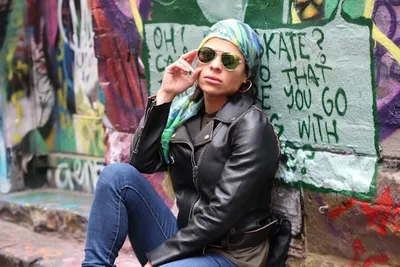
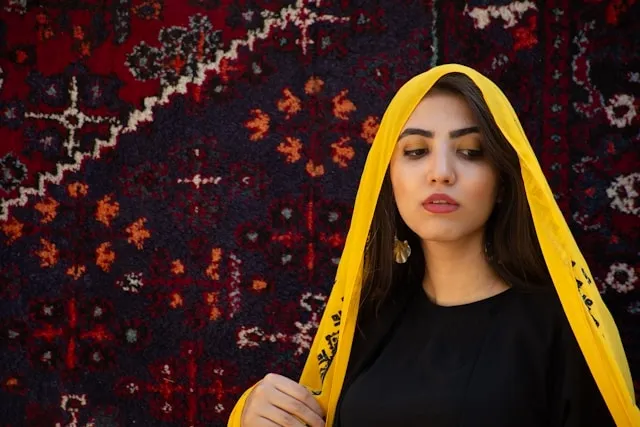
A head scarf is simply a scarf worn to cover or frame the head, but the reasons vary. Some people wear them for cultural or religious reasons, others for hair protection. Many simply enjoy the look.
Learning how to tie custom printed scarves on your head starts with understanding placement. Where the scarf sits on the forehead affects balance and comfort:
- Too far back and it slips.
- Too far forward and it feels restrictive.
Tension matters just as much. A scarf should feel secure without pulling, so fabric plays a role here. Silk moves differently than cotton, and heavier materials behave differently than lightweight ones. Meanwhile, square scarves fold neatly while long scarves allow more wrapping options.
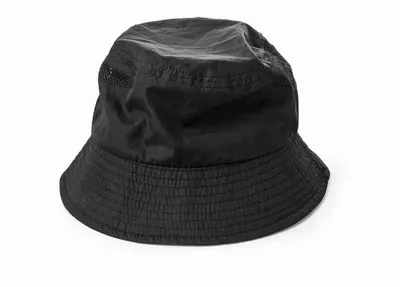
Once the basics are clear, most ways to tie a scarf on your head become easier and more forgiving. If all else fails, you could try alternatives like custom bucket hats to get similar practical and aesthetic benefits.
How To Wear A Head Scarf Correctly For Different Occasions
Wearing a head scarf correctly depends on where you are going and what you need from it. Studies into tying headscarves in historical dress show that there are many different techniques based on culture and context:
- For casual settings, comfort usually comes first. Looser wraps feel natural and allow movement without constant adjustment.
- In dressed up situations, structure matters more. Cleaner folds and intentional knot placement create a polished look without feeling stiff.
We often remind people that coverage is a choice, not a rule. Some days you want full coverage, other days just a frame around the hairline. Practicality matters too as wind, temperature, and how long you plan to wear the scarf should influence how you tie it.
When done well, a head scarf looks effortless even though there is thought behind it.
|
Your Goal |
Best Scarf Shape |
Best Fabric |
Best Anchor Method |
|
No-slip, everyday wear |
Long rectangle or large square |
Cotton, jersey, modal |
Under-scarf cap or velvet grip |
|
Hair protection (edges/scalp) |
Large square or long wrap |
Satin or silk (lined or layered) |
Satin-lined cap + loose knot at nape |
|
Dressy or elegant look |
Medium to large square |
Silk, chiffon |
Discreet pin behind ear or at nape |
|
Windy or outdoor conditions |
Long rectangle |
Cotton blend or wool blend |
Under-cap + back knot + tucked ends |
|
Full coverage / modest styling |
Extra-large square or long wrap |
Opaque cotton or matte jersey |
Full under-cap + wrap tension distributed evenly |
|
Quick, low-effort styling |
Small to medium square |
Cotton or jersey |
Double knot at nape or side |
|
Hot weather comfort |
Long rectangle |
Lightweight cotton or bamboo |
No cap or breathable cap + loose wrap |
Looking for versatile scarves with a custom design?
Our custom square scarves are available in a range of sizes and colors, and you can incorporate any design you want.
How Do You Tie A Scarf Around Your Head Properly?
When people ask how do you tie a scarf around your head properly, they are usually struggling with balance. Knot placement makes a big difference - no matter the position, the scarf should feel evenly weighted:
- Tying at the back feels classic and stable.
- A side knot adds interest but needs even tension to avoid slipping.
- Front knots are bold and work best with softer fabrics.
If one side pulls more than the other, it will shift during wear. We suggest adjusting before tying the final knot as small changes in placement often fix bigger problems.
Learning how to tie a scarf around your head is less about memorizing steps and more about paying attention to how the fabric responds. If you use a free reversible scarf knitting pattern and want to tie it on your head, you will need to look into the specifics of the yarn you chose.
Best Ways To Tie A Scarf On Your Head
There are many ways to tie a scarf on your head because people are shaped differently and want different results. It’s the same with hats - custom beanies look good on some people, while a baseball cap may be a better choice for others.
Face shape plays a role in how volume and folds appear. Hairstyles matter too. A scarf over loose hair behaves differently than one wrapped over a bun. It is this versatility that makes scarves appealing. One scarf can look structured one day and relaxed the next.
We have seen the same wrap feel completely different depending on posture and outfit. This is also where quality matters. Well made scarves hold shape better and feel easier to work with.
We offer custom hair scarves and various other formats designed to balance structure and comfort, which helps when experimenting with different ways to tie a scarf on head. Work with us for diverse customization options and generous wholesale discounts, and enjoy top quality every time.
Choose personalized knitted scarves for a flexible option
Work with us to create custom knitted scarves that can feature bespoke designs and be tied in a range of different ways.
Learn moreHow To Tie A Scarf Around Your Hair For Practical Styles
When a scarf is worn primarily around the hair, function usually comes first. Many people use head scarves to protect hair from friction, weather, or daily styling stress. In these cases, how to tie a scarf around your hair should prioritize coverage without pressure.
- Scarves tied too tightly can flatten volume or cause discomfort over time.
- Looser wraps that follow the head’s natural shape tend to stay put longer.
Hair texture is an important consideration here. Curly or textured hair benefits from softer fabrics that glide rather than grip, while straight hair often needs a bit more anchoring. We have found that tying the scarf slightly lower at the back helps distribute tension.
A practical wrap should feel stable enough to forget you are wearing it. There are many types of scarf designs to choose from for a practical focus.
How To Tie A Long Scarf On Your Head Neatly
Long scarves offer flexibility, but they can feel overwhelming at first. Extra length means more fabric to manage, and without intention it can look bulky. The key to tying a long scarf on your head neatly is controlling the excess early.
Folding the scarf lengthwise before wrapping reduces bulk and keeps lines clean. Researchers note that there are practical and social rules of headscarf wearing across different cultures, but there are some common rules to achieve a good aesthetic:
- Symmetry: When both ends are even before tying, the final shape feels balanced.
- Flow: Let the fabric follow the curve of your head instead of forcing sharp angles.
We usually recommend working in front of a mirror at first. Once the movements become familiar, it feels much more natural. Long scarves reward patience, but they also give the most room for creativity.
How Do You Tie A Square Scarf On Your Head
Square scarves behave differently than long ones, which is why they need their own approach. Learning how to tie a square scarf on your head starts with folding.
Most square scarves work best folded into a triangle or narrow band before wrapping. This creates structure and prevents bunching. There are other key considerations for success, however:
- Fabric stiffness: This matters more here than with longer scarves. A crisp cotton will hold folds well, while silk needs careful tension to avoid slipping.
- Placement: This is also important. Square scarves often sit best slightly forward on the forehead to maintain balance.
Once tied, small adjustments make a big difference. Studies show that some cultures cover the head with a scarf as part of a ritual practice, so this is something that should be treated with reverence in some contexts. We encourage taking a moment to smooth edges and check symmetry before heading out.
Want to try a custom shawl for a different look?
Shawls can be tied in various ways to create different looks, and ours are available with custom designs for your choice of applications.
What Are Popular Turban And Head Wrap Scarf Styles?
Turban styles are defined by layered wrapping rather than visible knots. The fabric is wrapped around the head in overlapping passes, creating depth and structure. What makes a turban appealing is its sculptural quality. It frames the face while keeping hair fully covered.
Many modern turban styles draw inspiration from cultural traditions, though today they are worn in many contexts. An academic handbook compiles decades of research on different head coverings, and turbans stand out for their deep cultural meaning.
From an aesthetic perspective, layering is what gives turbans their shape. Each wrap builds on the previous one. Fabric choice matters here:
- Medium weight materials are easier to control and hold their form longer.
- Heavier or lighter materials can cause problems with achieving the right wrap.
We have noticed that once people try a turban style, they appreciate how secure it feels compared to simpler wraps.
How Can You Tie A Scarf On Your Head In Specific Styles?
Style based tying matters because scarves are often an extension of personal expression. Some people even make their own scarves to heighten this - scarf crochet pattern ideas are frequently searched for on the internet.
Here are a couple of examples of headscarf styles that work for different people:
- Someone drawn to minimalist clothing may prefer clean, low profile wraps.
- Others enjoy bold folds and visible knots.
Learning how to tie a scarf on your head in specific styles allows that personality to come through. The same scarf can feel classic, playful, or dramatic depending on how it is tied. Adaptability is what keeps scarves relevant across seasons and trends.
We encourage experimenting at home rather than trying something new in a rush. Over time, certain styles will feel like second nature. Those become the go to wraps that reflect how you want to show up.
Get a dedicated hair scarf with a custom design
Custom hair scarves are intended to be tied around the hair to create looks that stand out from the crowd.
Get startedHow Can You Add Volume And Structure To Head Scarves?
Volume gives a head scarf presence. Without it, wraps can look flat or unfinished. Adding volume starts with fabric choice. Thicker materials naturally create shape, while lighter fabrics need intentional folding.
Experts will always try to offer some conceptual grounding for the history of certain scarf-tying styles. These are deep-set traditions, so here are a couple of tips to get a more voluminous look with your head wraps:
- Scrunching the fabric slightly before wrapping can help.
- Placement matters as volume near the crown elongates the face, while volume at the sides softens angles.
- Structure should never come at the expense of comfort. A scarf that feels heavy or tight will distract you all day.
We usually suggest building volume gradually rather than all at once. Small adjustments often look more natural than dramatic ones. When done right, structure makes a scarf feel purposeful instead of improvised.
How Do You Add Security To Head Scarves?
Scarves slip for predictable reasons. Smooth fabric, movement, and uneven tension all contribute. Adding security does not mean tying tighter; it means anchoring smarter. Positioning the scarf against the natural curve behind the ears helps it stay in place.
There are other options available to help with security. Some people use discreet additions like:
- Pins
- Grips
These can work really well, but they should never pull. Comfort should always come first.
We have found that adjusting the base layer before tying the final knot solves most slipping issues. If the scarf feels stable before finishing, it usually stays that way. This works whether you choose a large square scarf or a custom shawl to tie over your head.
Learning how to add security makes wearing a head scarf far more enjoyable and reduces constant readjustment.
Frequently Asked Questions About How To Tie A Scarf On Your Head
How To Tie A Scarf On Your Head Easily?
Start with a simple fold and focus on placement before tying. Ease comes from repetition, not complexity.
How To Wrap A Scarf Around Your Head Securely?
Balance the fabric evenly and anchor it along natural contours like the ears and nape for better hold.