How To Seal Vinyl On Tumblers? UV Resin, Spray Sealers, And Material Specific Tips
Vinyl on tumblers looks straightforward until it starts lifting at the edges or peeling after a few washes. We have seen this happen even when good vinyl is used. Sealing is often the missing step, but it is also one of the most misunderstood parts of tumbler making.
In this guide, we look at the necessity and process of how to seal vinyl on tumblers based on how the tumbler will be used, what material it is made from, and how much wear it will see. Over time, we have tested epoxy, spray sealers, UV resin, and heat setting - each has its strengths and limits.
Key Takeaways
- Sealing vinyl improves durability, but it is not always required for every tumbler
- Surface prep and curing time matter more than the brand of sealer
- The best sealing method depends on material, use, and washing habits
- We supply high-quality custom tumblers with permanent sublimation prints, sidestepping the need for DIY sealing with a durable finish.
Table of contents
-
How To Seal Vinyl On Tumblers?
-
Best Way To Seal Vinyl On Tumblers Based On Use And Material
-
How Can You Keep Vinyl From Peeling Off Tumblers Over Time?
-
Do You Need To Seal Vinyl On Tumblers In Every Situation?
-
Best Vinyl For Tumblers And Stainless Steel Surfaces
-
How Do You Seal Vinyl On Plastic Tumblers Safely?
-
How Do You Seal Vinyl On Stainless Steel Tumblers For Durability?
-
How Can You Seal Vinyl On A Tumbler Without Epoxy?
-
What Tumbler Sealer Should You Use For Vinyl Decals?
-
How Does Epoxy Resin Work For Sealing Vinyl On Tumblers?
-
Can You Put A Clear Coat Or Spray Sealer Over Vinyl Decals?
-
How Do You Prepare Stainless Steel Tumblers Before Sealing Vinyl?
-
How Do You Prepare Plastic Tumblers Before Sealing Vinyl?
How To Seal Vinyl On Tumblers?
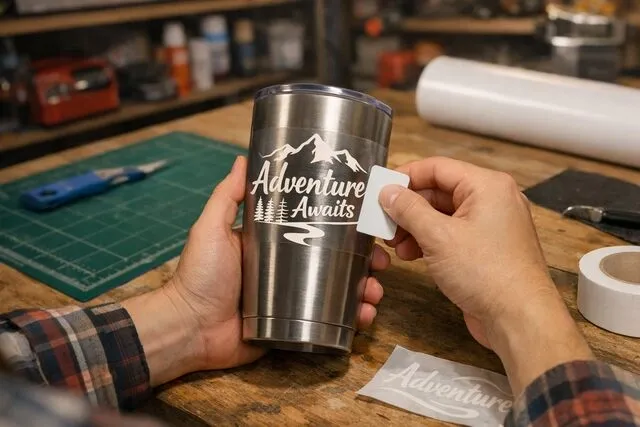
Sealing vinyl means applying a protective layer over the decal to help it resist water, friction, and lifting. It does not improve adhesion on its own - that part happens before sealing. When you add a sealant to your Slim Elegance metallic tumblers, you lock the vinyl edges in place once adhesion is already solid.
Common approaches for how to seal vinyl on tumblers include:
- Epoxy resin
- Brush-on sealers
- UV resin
- Spray clear coats
- Heat setting
Each method creates a barrier between the vinyl and daily wear. Sealing becomes important when tumblers are washed often or used outdoors. For display cups or gifts for occasional use alongside custom vinyl coasters, permanent vinyl on tumblers can sometimes hold up without sealing.
Best Way To Seal Vinyl On Tumblers Based On Use And Material
Not every tumbler needs the same level of protection. We have learned that longevity comes from matching the sealer to the job, not overbuilding everything. Decorative tumblers that sit on a desk face very different stress than a daily coffee cup.
When exploring how to make custom tumblers, there are different needs for stainless steel and plastic tumblers:
- Stainless steel tumblers used for hot drinks usually benefit from stronger sealers like epoxy or UV resin.
- Plastic tumblers require lighter coats and gentler products to avoid clouding or warping.
Food safety also matters. Sealers should fully cure before use and stay intact over time. A simple spray sealer may be enough for light use, while daily tumblers demand a more durable solution and regular hand washing.
|
Vinyl Type |
Epoxy Resin |
UV Resin |
Spray Acrylic Clear Coat |
Brush-On Water-Based Sealer |
Polyurethane |
|
Permanent (calendared) |
Excellent |
Test First (edge lift possible) |
Light coats only (solvent risk) |
Lower durability |
Test for adhesion |
|
Permanent (cast) |
Excellent |
Test First |
Light coats only |
Lower durability |
Test First |
|
Removable vinyl |
Poor adhesion |
Poor adhesion |
Lifts easily |
Not durable |
Not durable |
|
Metallic / specialty |
Test First (edge sealing critical) |
Can trap bubbles |
High wrinkle risk |
Finish dulling |
Test First |
|
Printable vinyl |
Ink sealing required |
Ink may smear |
Ink bleed likely |
Seal ink first |
Ink bleed risk |
How Can You Keep Vinyl From Peeling Off Tumblers Over Time?
Peeling usually starts before sealing ever happens. Curved surfaces place stress on vinyl, especially near seams and edges. Oils from hands, dust, or factory residue prevent proper adhesion.
Another common issue is rushing the process. Vinyl needs time to bond before any tumbler sealer is applied. Sealing too soon traps weak adhesion underneath, leading to lifting later. Studies show that protective coatings preserve vinyl materials exposed to water and abrasion, but it needs to be done properly.
Some of the best practices for success include:
- Cleaning thoroughly
- Applying firm pressure
- Letting decals rest at least 24 hours
Sealant failure is less common than adhesion failure. When vinyl peels, it is often because the surface prep or cure time was skipped.
Looking for insulated tumblers with permanent designs?
Choose our custom Thermo Seal insulated tumblers and enjoy sublimation printed designs that stand the test of time.
Do You Need To Seal Vinyl On Tumblers In Every Situation?
Opinions tend to clash on whether you need to seal vinyl on tumblers every time. Display tumblers, gift cups used occasionally, or tumblers with permanent vinyl on stainless steel tumbler surfaces can survive without sealing if cared for properly.
Daily use drinkware is different. Researchers say sealing layers can improve both adhesion and mechanical durability of vinyl-based films. Threats add up fast, such as:
- Heat
- Moisture
- Friction
Without sealing, even good vinyl will eventually show wear. The key is expectation: unsealed vinyl can last, but it will not last forever. Sealing adds insurance, not perfection.
We usually suggest sealing when a tumbler will be washed often, used for hot drinks, or sold to someone who may not follow careful washing instructions.
Best Vinyl For Tumblers And Stainless Steel Surfaces
Permanent vinyl is the standard choice for tumblers. Removable vinyl lifts too easily on curved metal and plastic. Brands with stronger adhesive perform better, especially on stainless steel.
The vinyl must stretch slightly without tearing to handle curves. Compatibility with sealants also matters as some vinyl reacts poorly with certain sprays or brush on products. The thickness of the vinyl is another factor:
- Thinner permanent vinyl conforms better and seals more cleanly.
- Thick vinyl can leave raised edges that are harder to protect.
While vinyl quality matters, surface prep and curing still matter more. Even the best vinyl for tumblers will fail if applied to a dirty surface. You can skip all the complexity by working with us to create custom Aromatic Elegance travel tumblers and other varieties with permanent sublimation prints at great prices.
Choose workout tumblers with custom designs that last
Our custom 25 oz Fit Master plastic shaker bottles don’t need vinyl and sealing, because we use high-quality sublimation printing for permanent branding.
Learn moreHow Do You Seal Vinyl On Plastic Tumblers Safely?
Plastic tumblers require more restraint than metal. Heat and harsh solvents can cloud or weaken the surface fast. When sealing vinyl on plastic tumblers, light coats matter more than strength.
Here are some considerations for types of sealer:
- Spray sealers designed for crafts usually work best, applied slowly and evenly.
- Heavy brush on products tend to pool and leave visible texture.
- We avoid epoxy on thin plastic because heat from curing can cause warping.
Patience helps here. Multiple thin layers with drying time in between protect vinyl without stressing the tumbler. Always test first as some plastics react differently, even when they look identical.
Once sealed and cured, gentle hand washing keeps both the vinyl and the plastic surface intact. Your tumbler should be durable enough to be packed into your custom Bellroy Transit 20L workpack or other bag and taken on commutes without getting damaged.
How Do You Seal Vinyl On Stainless Steel Tumblers For Durability?
Stainless steel handles sealing better than most materials. It tolerates heat, solvents, and thicker coatings without damage. Epoxy and UV resin excel here because they form a hard shell over the vinyl.
That shell protects edges from lifting and resists moisture long term. It can even be a helpful protective barrier if you explore how to laser engrave tumblers instead of using vinyl decals. Food safety comes down to curing. Fully cured epoxy and resin are safe when used correctly.
- Some makers seal the entire cup. This creates a smoother feel.
- Others seal only over the vinyl. This preserves the original finish.
Both of these approaches work if coverage is even. Either way, stainless steel offers the most flexibility when sealing vinyl on metal tumblers.
How Can You Seal Vinyl On A Tumbler Without Epoxy?
Not everyone wants to work with epoxy. It takes space, time, and safety precautions. Fortunately, there are alternatives, such as:
- Brush on sealers
- Spray clear coats
- Heat setting
These methods are easier to apply and clean up. The trade off is durability as non epoxy sealers protect against light moisture and friction, but they will not survive years of heavy use. Research has indicated that multilayer sealing films dramatically improve durability for tumblers.
Heat setting works best with permanent vinyl on stainless steel tumbler surfaces, helping adhesive bond more firmly. We recommend non-epoxy methods for decorative tumblers or gifts that will not see daily washing. Setting expectations early avoids disappointment later.
Looking for personalization without the DIY work?
Our affordable custom Hike n’ Sip insulated travel mugs offer the bespoke branding you want so you don’t have to worry about sealing vinyl.
What Tumbler Sealer Should You Use For Vinyl Decals?
A tumbler sealer is simply a clear protective coating designed to go over vinyl. There are several different sealer options available to you, all with different strengths. Choose between sprays and brush-on sealers based on what fits best with your needs:
- Spray sealers are easy and even, but require good ventilation and patience.
- Brush on sealers allow more control, especially on small designs, but can show strokes if applied too thick.
Finish choice matters. Glossy sealers enhance color, while matte sealers reduce shine but can mute bright vinyl. Durability varies widely by product, but no sealer fixes poor adhesion underneath.
We choose based on the tumbler’s purpose, not habit. For light use, sprays work fine. For heavy use, stronger coatings perform better over time.
How Does Epoxy Resin Work For Sealing Vinyl On Tumblers?
Epoxy creates a thick, glass like coating that fully encapsulates the vinyl. Once cured, it becomes extremely durable and water resistant. This is why many professionals rely on it - studies show that exposed interfaces fail without protective sealing, and epoxy is a powerful way to protect your vinyl decals.
Here are the main pros and cons of epoxy resin:
- It self levels, which helps hide vinyl edges and creates a smooth feel.
- The downside is complexity. Mixing ratios, temperature, and safety gear all matter.
Improper curing leads to tacky surfaces or bubbles. When done right, epoxy produces the longest lasting seal available, so it is ideal for stainless steel tumblers that will be used daily. We recommend epoxy only when durability is the priority and the workspace allows safe application.
Explore out custom 20 oz Venture Seeker travel mugs
If you want premium plastic tumblers with custom designs, these are a durable option with high quality sublimation printing personalization available.
Get startedCan You Put A Clear Coat Or Spray Sealer Over Vinyl Decals?
Many makers choose a clear coat or spray sealer for vinyl decals. Spray sealers work best when applied in light, even passes. Heavy coats can cause runs or soften vinyl adhesive.
Overspray is the main risk, especially on glossy tumblers, but masking helps. Here are some major attributes of spray sealers for your consideration:
- Spray sealers offer quick protection and dry faster than epoxy.
- They are ideal for craft projects and low wear tumblers.
- Finish options range from matte to high gloss.
The key is patience: let each layer dry fully before adding another. Spray sealers protect against moisture but do not make tumblers dishwasher safe. Hand washing is still required for the correct maintenance of your tumbler.
How Do You Prepare Stainless Steel Tumblers Before Sealing Vinyl?
Preparation starts with cleaning. Oils, dust, and residue will prevent vinyl from bonding properly. Isopropyl alcohol works well to remove these things and evaporates quickly. We recommend that you avoid soaps that leave residue.
This preparation step is crucial to create the best travel coffee mugs. Once clean, allow the surface to dry fully. Temperature matters more than people realize:
- Cold metal reduces adhesion.
- Room temperature is ideal.
After applying vinyl, press firmly along edges and curves, then wait. Giving decals time to cure before sealing improves results dramatically, so we usually wait at least 24 hours. Rushing into sealing traps weak adhesion underneath, which leads to peeling later even with strong sealers.
How Do You Prepare Plastic Tumblers Before Sealing Vinyl?
Plastic is more sensitive than metal so harsh cleaners and alcohol can dull some finishes. Mild soap and water usually work best, followed by air drying. Avoid heat guns or aggressive scrubbing.
Vinyl should be applied gently and allowed to rest before sealing. Some plastics benefit from a longer cure time, especially smooth surfaces. Experts tell us that protective coatings are essential to prevent failure at vinyl-substrate interfaces, but the correct steps must be applied.
Always test sealers on a small area first. Certain plastics react poorly to solvents in spray sealers. Preparation is about restraint. Protect both the tumbler and the vinyl before sealing begins through:
- Gentle cleaning
- Steady application
- Patience
How Should You Wash Sealed Vinyl Tumblers Safely?
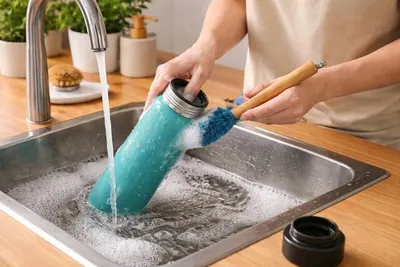
Hand washing is the safest option, regardless of sealer type. It gives you control over the heat and detergent, and avoids overly-harsh chemicals or abrasive scrubbing. Hot water and dishwashers shorten the life of sealed vinyl.
Here are some other tips to safely wash sealed vinyl tumblers:
- Use mild soap and a soft sponge.
- Avoid soaking for long periods.
- Dry with a towel or allow to air dry upright.
- Avoid abrasive brushes that wear down sealers over time.
Even epoxy sealed tumblers last longer with gentle care. We tell customers that sealed does not mean indestructible. Proper washing preserves both the finish and the vinyl underneath, keeping tumblers looking clean and intentional instead of worn and patchy.
If you are concerned about getting this wrong, you could work with us to create custom Hydro Flask all around tumblers 20oz and many other varieties with sublimation print designs that are permanent.
Frequently Asked Questions About How To Seal Vinyl On Tumblers
How To Seal Vinyl On Tumblers For Beginners?
Start with permanent vinyl, clean the surface well, and use a light spray sealer. Avoid epoxy until you are comfortable with curing and safety steps.
How Long Should Decals Dry Before Applying A Clear Coat?
At least 24 hours is ideal. Longer cure times improve adhesion and reduce the risk of lifting after sealing.