Is White Chocolate Real Chocolate?: What You Should Know
White chocolate looks and tastes different from milk chocolate and dark chocolate. This makes people question whether it belongs to the chocolate family. In this guide, we'll be answering that question.

Key Takeaways
- Genuine white chocolate contains cocoa butter obtained from cacao beans.
- White chocolate contains no dark cocoa solids.
- Cocoa butter connects white chocolate to the cacao plant.
- Some white coatings use vegetable fats instead of cocoa butter.
- Reading the product name and ingredient list helps you identify genuine white chocolate.
Table of contents
-
Is White Chocolate Real Chocolate?
-
Why Is White Chocolate Considered Real Chocolate?
-
What Is White Chocolate Made Of?
-
How Is White Chocolate Made?
-
Why Do Some People Say White Chocolate Is Not Real Chocolate?
-
What Legally Makes White Chocolate Real Chocolate?
-
Which White Chocolate Brands Use Real Cocoa Butter?
Is White Chocolate Real Chocolate?
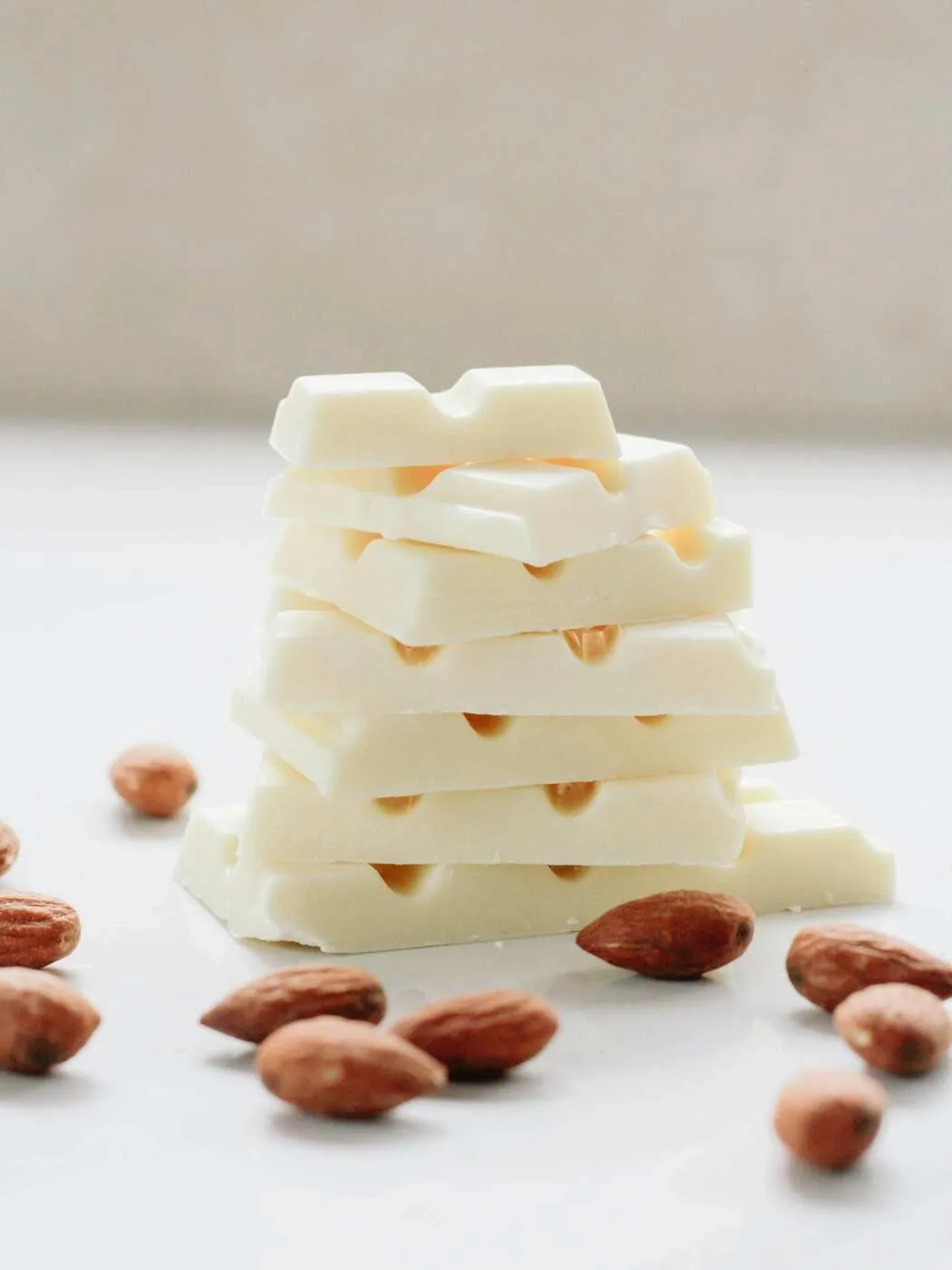
Yes, genuine white chocolate is real chocolate because it contains cocoa butter, a fat extracted from cacao beans. It does not contain the brown cocoa solids used in milk and dark chocolate. If you are asking “is white chocolate real chocolate?”, its pale color and creamy flavor explain the confusion, but its cacao origin provides the answer.
Cocoa butter gives white chocolate its smooth texture and melting quality, while cocoa solids provide darker chocolate with color and cocoa flavor. This distinction explains why the products look and taste different. When considering if white chocolate is really chocolate, check the label for cocoa butter. White flavored coatings that replace it with vegetable fats may not meet the legal definition of white chocolate
Make a strong impression with custom chocolates
Work with us to create high-quality custom chocolates with your unique branding to raise awareness and ensure professional-looking promotional products that your customers or clients will love.
Why Is White Chocolate Considered Real Chocolate?
White chocolate is considered chocolate because it contains cocoa butter extracted from cocoa beans. Cocoa butter is also naturally present in milk and dark chocolate. White chocolate simply uses a different combination of components from the same bean.
| Chocolate type | Cocoa butter | Cocoa solid. | Milk ingredients |
|---|---|---|---|
| White chocolate. | Yes. | No. | Usually, yes. |
| Milk chocolate. | Yes. | Yes. | Yes. |
| Dark chocolate. | Yes. | Yes. | Sometimes. |
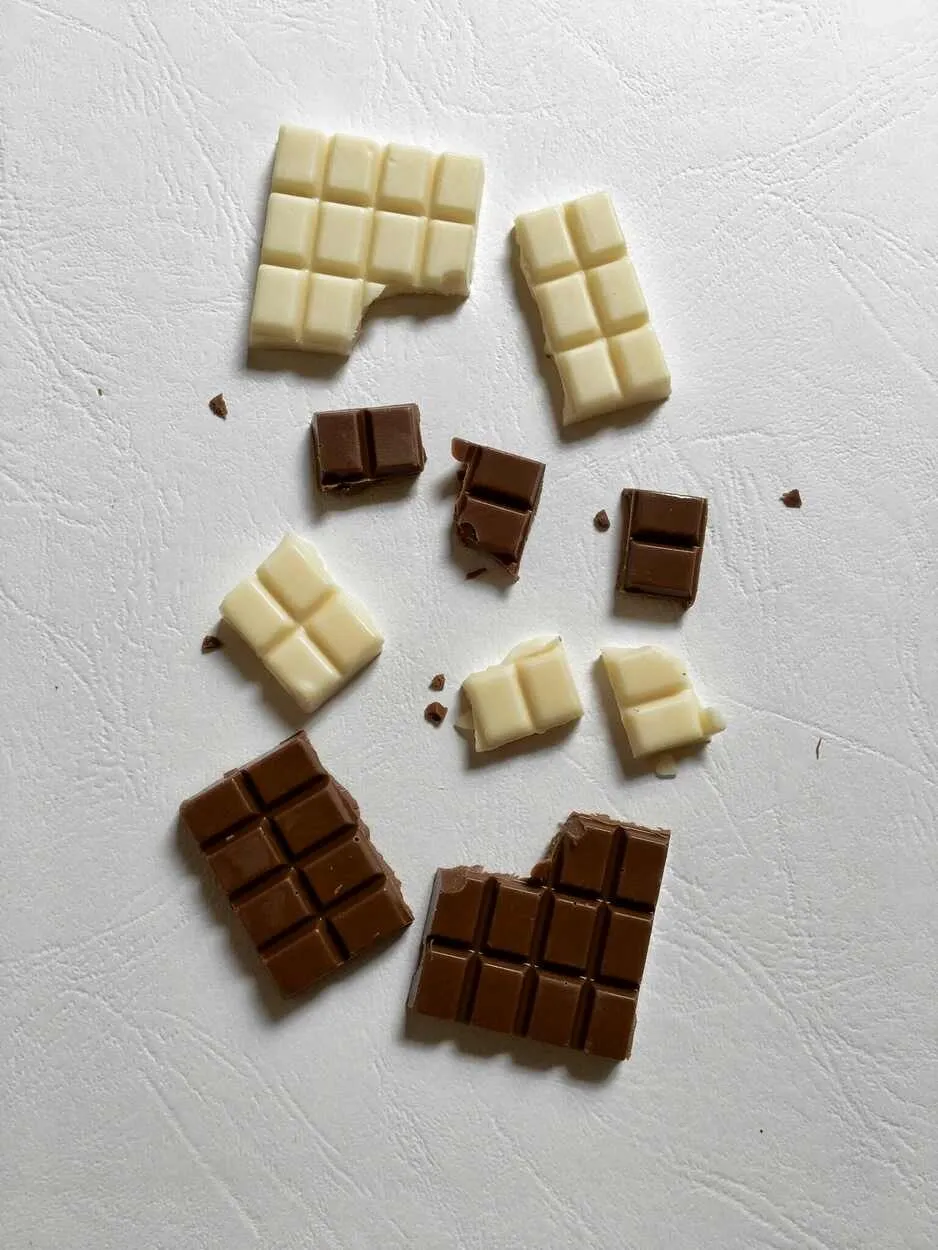
Chocolate does not have to be brown to belong to the chocolate family. Its color depends on the part of the cocoa bean included in the recipe. Removing the darker cocoa solids produces a pale product, but the remaining cocoa butter still comes from cocoa.
This answers the question “Is white chocolate actual chocolate?” without requiring a complicated scientific explanation. Genuine white chocolate belongs to the wider chocolate family because its defining fat comes from cocoa. Its appearance and flavor differ because its composition differs.
Can White Chocolate Be Real Chocolate Without Cocoa Solids?
Yes, white chocolate can be real chocolate without cocoa solids because cocoa butter and cocoa solids both come from cocoa beans. Cocoa solids are the darker, non-fat material responsible for the brown color, bitterness, aroma, and cocoa flavor. Cocoa butter is the pale fat that gives chocolate smoothness, richness, and its melting quality.
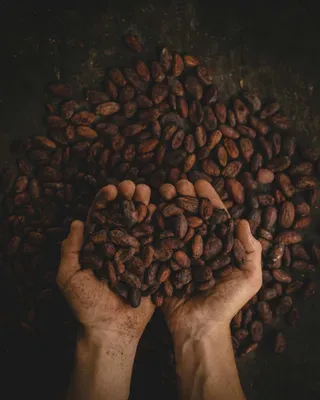
During processing, cocoa beans are roasted and ground into cocoa mass, which contains both components. Pressing can separate the cocoa butter from the darker solids. Manufacturers then combine that butter with sugar and milk ingredients to produce white chocolate. Removing cocoa solids changes the color and flavor, but not the cocoa connection. Therefore, is white chocolate actually chocolate? It is answered by its cocoa butter, not its color.
Does Cocoa Butter Make White Chocolate Real Chocolate?
Yes, cocoa butter makes genuine white chocolate part of the chocolate family because it is the defining cocoa-derived fat in the product. It comes from cocoa beans and gives white chocolate its smooth texture, mouthfeel, and characteristic melting quality. These qualities distinguish white chocolate from many white confectionery products.
Some white coatings replace cocoa butter with palm kernel oil, coconut oil, or other vegetable fats. These substitutes may reduce cost or change how the product melts and sets, but they can also prevent it from meeting white chocolate standards. When shopping, read the ingredients list and look for cocoa butter. Its presence confirms a cocoa connection, while its absence suggests the product may be white chocolate coating instead.
What Is White Chocolate Made Of?
White chocolate normally combines cocoa butter, sugar, milk ingredients, flavoring, and an emulsifier. The precise recipe varies between manufacturers and markets.
| Ingredient | Main function |
|---|---|
| Cocoa butter | Provides cacao fat, smoothness, and melting qualities |
| Sugar | Adds sweetness |
| Milk ingredients | Adds creaminess and dairy flavor |
| Vanilla or other flavoring | Complements the mild flavor |
| Emulsifier | Helps the ingredients blend smoothly |
Cocoa butter is the ingredient that proves the product comes from cacao. Sugar and milk create much of the sweetness and creamy flavor, but they do not establish a cacao connection by themselves. Manufacturers may use milk powder, cream, milk fat, or other permitted dairy ingredients. Lecithin is a common emulsifier. Vanilla is also commonly used, although recipes are not identical.
Ingredient requirements can differ between countries. Consumers should use the relevant local food standard when deciding whether a product legally qualifies as white chocolate. A recipe that satisfies United States rules may be assessed under different requirements elsewhere.
What Ingredients Should Real White Chocolate Contain?
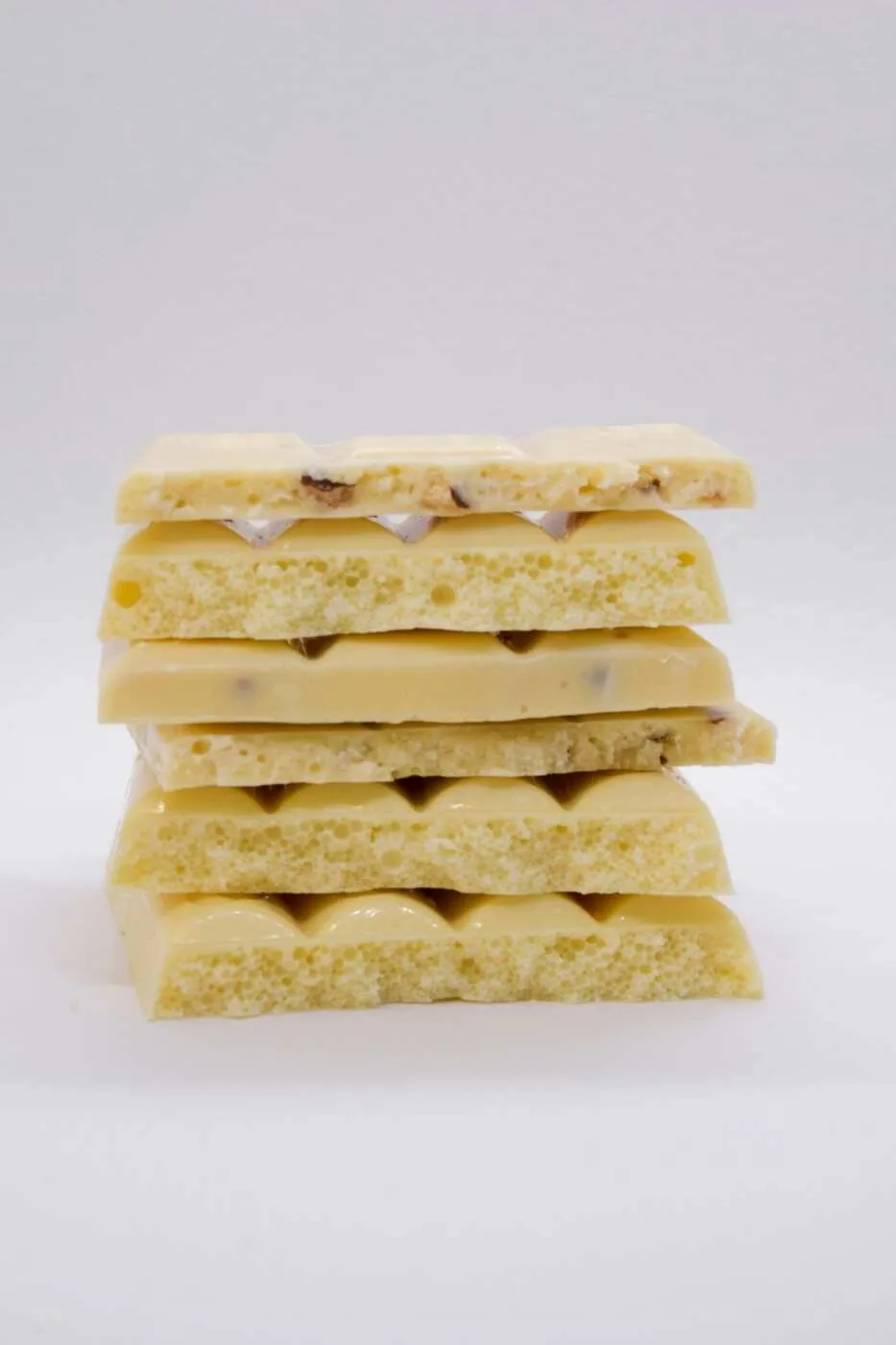
In the United States, standardized white chocolate must contain at least 20% cacao fat, 3.5% milk fat, and 14% total milk solids. It may contain no more than 55% nutritive carbohydrate sweetener. These requirements come from the current federal white chocolate standard.
Use this label reading checklist;
- Look for white chocolate as the product name.
- Find cocoa butter in the ingredient list.
- Check for milk or permitted dairy ingredients.
- Notice whether vegetable fat replaces cocoa butter.
- Treat white baking chips and white coatings as products that require individual checking.
Terms such as white baking chips, compound chocolate, white coating, and white flavored confectionery may describe products with different formulas. Terminology also varies across countries, so the ingredient list is usually more informative than appearance alone.
Need custom chocolates for your next promotional giveaway or other project?
We can bring your designs to life on custom chocolates for personal expression, branding, or other promotional purposes, offering diverse customization options to make a connection.
Explore options for custom chocolates hereHow Is White Chocolate Made?
White chocolate production begins with cacao beans, even though the finished product does not look brown.
- Cacao beans are harvested, fermented, dried, roasted, and processed.
- The beans are ground into cocoa mass containing cocoa butter and cocoa solids.
- Pressing separates much of the pale cocoa butter from the darker cocoa material.
- Cocoa butter is blended with sugar and milk ingredients.
- The mixture is refined to reduce particle size and improve smoothness.
- Conching develops an even texture and balanced flavor.
- Tempering controls cocoa butter crystals so the chocolate sets properly.
The finished chocolate remains ivory or cream colored because manufacturers do not add the dark cocoa solids found in milk and dark chocolate. Its origin is still connected to cacao because the process begins with cocoa butter obtained from processed cacao beans.
This production method helps answer whether white chocolate is technically chocolate. It does not merely imitate chocolate through its color or sweetness. Genuine white chocolate contains a physical component separated from the cacao bean.
Customize chocolates with bespoke or branded designs and make an impression
We supply high-quality custom chocolates with your unique designs and an array of customization options to deliver on your aesthetic and functional needs.
Why Do Some People Say White Chocolate Is Not Real Chocolate?
The disagreement usually comes from different meanings of the word chocolate. From a culinary viewpoint, some people believe chocolate should contain nonfat cocoa solids. Those solids provide the brown color, bitterness, aroma, and deep flavor they recognize as chocolate. Since white chocolate lacks them, these people may say it does not taste like real chocolate. From a regulatory viewpoint, white chocolate can be a standardized chocolate product when it contains the required cacao fat, dairy ingredients, and sweetener. Under this approach, the absence of nonfat cocoa solids does not automatically disqualify it.
White chocolate is usually sweeter, creamier, and less cocoa-forward than milk or dark chocolate. Those qualities explain the debate, but personal taste does not determine legal classification. Someone may dislike white chocolate or consider it too different while still recognizing that qualifying products meet an official standard.
The answer to “is white chocolate even chocolate?” therefore depends on whether the speaker is expressing a personal culinary opinion or applying a recognized food definition.
What Legally Makes White Chocolate Real Chocolate?
A standard of identity is a regulatory definition for a named food. It identifies required ingredients, minimum amounts, maximum amounts, and permitted optional ingredients. These standards help prevent manufacturers from using a familiar product name for something with a substantially different composition.
| Feature | Genuine white chocolate | White confectionery coating |
|---|---|---|
| Main cacao fat | Cocoa butter | May contain little or no cocoa butter |
| Alternative vegetable fats | Subject to applicable rules | Often used as the main fat |
| Typical product name | White chocolate | White coating or white flavored confectionery |
| Best identification method | Product name and ingredients | Product name and ingredients |
The practical distinction is not simply whether a product is inexpensive or unusually flavored. Consumers should examine its name and ingredients. If cocoa butter is absent and another vegetable fat supplies the main fat, the product may be a white confectionery coating rather than standardized white chocolate.
How Does The FDA Define White Chocolate?
The FDA definition appears in the United States Code of Federal Regulations. It describes white chocolate as a solid or semiplastic food made by closely mixing and grinding cacao fat with specified dairy ingredients and nutritive carbohydrate sweeteners.
Under the FDA standard reflected in the eCFR, the finished product must contain at least 20% cacao fat. It must also contain at least 3.5% milk fat and 14% total milk solids. Nutritive carbohydrate sweeteners cannot exceed 55% by weight. The regulation permits certain emulsifiers, seasonings, flavorings, antioxidants, and whey products. It also states that the product must be free from added coloring material.
This definition helps shoppers answer: Is white chocolate really chocolate? using measurable criteria rather than color or taste. Readers outside the United States should check their national food authority because legal definitions are not necessarily identical worldwide.
What White Chocolate Products Are Not Considered Real Chocolate?
Products that do not meet the applicable white chocolate standard should not automatically be treated as standardized white chocolate. Possible examples include the following:
- Compound coatings made mainly with vegetable fat.
- White flavored candy with no cocoa butter.
- Some white baking chips formulated with alternative fats.
- Candy melts designed for easy coating and decorating.
- Confectionery coatings described only as vanilla flavored.
These descriptions do not prove that every product in the category lacks cocoa butter. Formulas and naming practices vary. Check each ingredient list instead of assuming that a low price, unusual format, or unfamiliar brand makes a product fake.
The clearest identification criteria are the product name, the presence of cocoa butter, the type of added fat, and the applicable food standard. These details provide a more reliable answer than color or price.
Looking for an affordable solution for custom chocolates?
With our online service, you have a fast, reliable way to customize chocolates with high-quality craftsmanship at affordable prices. We offer a range of benefits and hassle-free solutions.
Get started with custom chocolates hereWhich White Chocolate Brands Use Real Cocoa Butter?
Evaluate individual products rather than placing an entire brand into one category.
- Check whether the package clearly says white chocolate.
- Look for cocoa butter in the ingredients.
- Review current information from the manufacturer.
- Do not assume bars, chips, wafers, and coatings share one formula.
- Recheck familiar products because recipes can change.
A manufacturer may sell genuine white chocolate alongside white-flavored products that use different fats. A permanent list of approved brands can therefore become inaccurate. Reading the current product label is more dependable and helps shoppers make their own informed choices.
Is Ghirardelli White Chocolate Real Chocolate?
The answer depends on the exact Ghirardelli product. One white product may contain cocoa butter, while another white-colored product may be formulated as flavored melting wafers or baking chips.
Look at the front label first. Then find cocoa butter in the ingredient list. If the product is called white chocolate and contains cocoa butter, it may qualify under the applicable standard. If it is called white vanilla flavored or white coating and relies mainly on alternative fats, do not assume it has the same classification. This product-by-product method is faster and more reliable than treating every Ghirardelli item as identical. It also protects shoppers against formulation changes.
How Can You Tell If White Chocolate Is Real?
When holding a bar or bag of chips in a shop, use this checklist.
- Read the exact product name.
- Look for cocoa butter.
- Identify any palm, coconut, or palm kernel fat.
- Check for milk ingredients.
- Compare the wording with local labeling rules.
- Verify uncertain products on the manufacturer's website.
Cocoa butter is the most useful clue. Added vegetable oil does not answer every regulatory question by itself because permitted ingredients can vary. However, a product with no cocoa butter is not genuine white chocolate under the United States standard.
Frequently Asked Questions About Is White Chocolate Real Chocolate
Is White Chocolate Actually Real Chocolate?
Yes, genuine white chocolate is real chocolate because it contains cocoa butter obtained from cacao beans. It lacks the darker cocoa solids found in milk and dark chocolate, which explains its pale color and mild flavor. Products without cocoa butter may instead be white confectionery coatings.
Does White Chocolate Contain Cocoa?
White chocolate contains cocoa butter, which is the natural fat from cacao beans. It does not contain the nonfat cocoa solids responsible for the brown color and stronger flavor of other chocolates. Therefore, asking “Is white chocolate chocolate?” requires distinguishing cocoa butter from cocoa solids.