How To Use A Bottle Opener: The Right Way Without Bending Caps
A bottle opener works best when the grip, cap position, and lifting motion are controlled. This guide explains how to use a bottle opener safely, avoid bent caps, and open beer or glass bottles with less slipping.
Key Takeaways
- A bottle opener works by leverage, not twisting.
- The opener lip must catch under the cap edge.
- Keep the bottle steady before lifting.
- Use a firm grip on wet or cold bottles.
- Match the opener type to the bottle and setting.
Table of contents
-
How To Use A Bottle Opener Safely And Correctly
-
How Does A Bottle Opener Work?
-
Different Types Of Bottle Openers And How To Use Them
-
Best Bottle Opening Tricks And Speed Techniques That Actually Work
-
Common Bottle Opener Mistakes That Make Caps Bend Or Slip
-
Bottle Opener Safety Tips To Prevent Slips, Cuts, And Broken Glass
How To Use A Bottle Opener Safely And Correctly
Learning how to use a bottle opener starts with a simple grip and lever motion. A standard opener removes a cap by catching the underside of the cap edge and lifting it away from the bottle’s mouth. Follow the following steps to canary out this process;
- Hold the bottle near the neck with your weaker hand
- Keep the bottle upright on a flat surface if you’re a beginner
- Place the opener lip under the crimped edge of the cap
- Rest the top part of the opener against the cap
- Pull the handle upward in one firm motion.
- Let the cap release fully before moving the bottle
The container lid must sit under the cap edge, not on top of it. This position creates leverage. If the lip only touches the side of the cap, it may slip or bend the metal. Both hands must stay stable. The bottle handle controls the container. The opener hand controls the lifting force. If either hand moves suddenly, the opener may slide off the cap.
The correct movement is upward lifting, not twisting. Twisting sends force sideways and makes the cap harder to remove. Pulling upward uses the opener as a lever and releases the cap cleanly. Mastering this basic method first makes every other method easier. Once you understand how to use a bottle opener, faster tricks become safer and more consistent.
How Do You Open A Glass Bottle With A Bottle Opener?
Glass bottles need careful handling because the neck can crack if pressure is applied at the wrong angle. This is especially true when learning how to open a glass bottle with a bottle opener.
- Set the glass bottle on a flat surface.
- Hold the neck firmly, but do not squeeze too hard. The goal is to stop the bottle from tipping or rotating while you open it.
- Place the opener lip under the low edge of the cap. The opener should sit at a slight angle with the lip hooked beneath the metal flange.
- Pull upward smoothly and firmly.
- If the cap does not release on the first attempt, do not force the opener sideways. Remove it, reposition the lip under a fresh part of the cap edge, and try again. This reduces the risk of cracking the rim or stressing the glass neck.
How Do You Use A Bottle Opener For Beer?
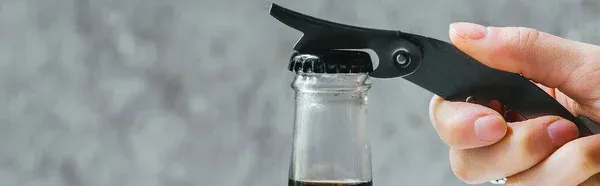
Bottles are usually tightly closed. This means that when learning to use a beer bottle opener, you may require a sharper, more decisive lift than when opening a loose soda cup. Beer is carbonated, so pressure is built inside the bottle. A slow lift can bend the cap before it releases. Firm lever motion gives a cleaner pop and reduces trouble.
Hold the beer upright or slightly angled from your body. Do not shake it before opening. A steady bottle angle helps stop foam from rushing out when the cap releases. Cold beer bottles can be wet from condensation. Wrap your hands firmly around the neck and use palm pressure to secure a better grip. This is one of the easiest ways to improve bottle opener use when the glass feels slippery.
How Do You Keep A Firm Grip When Opening A Bottle?
Safety matters more than speed. A weak grip causes slipping, repeated attempts, and bent caps. Good grips help you control the bottle and the opener at the same time. To ensure you have a firm grip, use these grip habits:
- Hold the bottle near the neck, not near the base.
- Keep your thumb on one side and fingers on the other side.
- Press the bottle lightly into your palm for extra control.
- Keep the opener handle seated in your hand before lifting.
- Dry wet bottles with a towel when needed.
- Use an opener with a textured or contoured handle.
The opener handle also matters: smooth metal handles can feel slippery, while rubberized, textured, or ergonomic handles are easier to control, especially if you open many bottles or have limited hand strength. Upgrade to our ergonomic non-slip bottle openers engineered with contoured handles for maximum grip and reduced hand fatigue.
Make a strong impression with custom bottle openers
Work with us to create high-quality custom bottle openers with your unique branding, so you can give customers, guests, or event attendees a practical promotional product they will actually use.
How Does A Bottle Opener Work?
A bottle opener relies on leverage. It features:
- a point that catches under the cap
- a contact point resting on top
- a handle that amplifies your power
When you pull the handle upward, the hooked lid leaves the edge, releasing the cap. This explains why how you use a bottle opener is primarily about precise placement and force direction. Think of the tool as a lever. Your hand initiates movement, and the opener transfers that force to the cap. If the angle is incorrect, the lever fails and slips. Overplacement turns a simple hand movement into the necessary power to remove a tight cap.
| Opener part | What it does | Why it matters |
|---|---|---|
| Curved lip | Hooks under the cap edge | Creates the lifting point |
| Top contact point | Presses against the cap | Acts as a pivot |
| Handle | Extends hand force | Makes lifting easier |
| Rigid body | Resists bending | Keeps forced controlled |
What Are The Two Sides Of A Bottle Opener For?
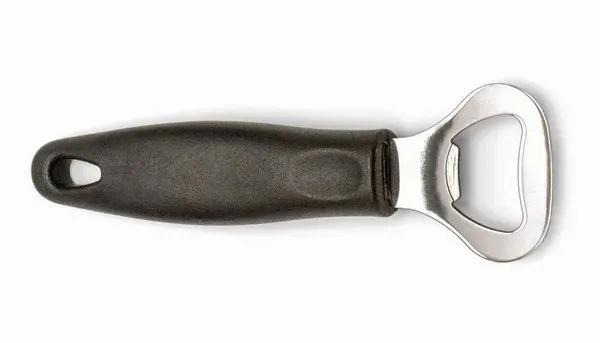
Traditional combination openers feature two distinct sides. One side lifts caps while the other punctures containers. The cap-lifting side hooks under the crimped edge of your beverage. You place the lid under the cap and pull upward. This is the specific side used for how to open a bottle with a bottle opener.
The opposite end has a pointed tip for puncturing cans. This function is entirely different from how to open a bottle with a bottle opener, as caps require leverage while cans require puncturing. Always verify which side you are using. Using the punctured tip on a bottle causes damage.
Need custom bottle openers for your next party, bar, or promotional giveaway?
We can bring your logo, artwork, or message to life on custom bottle openers for events, restaurants, breweries, weddings, trade shows, and branded merchandise campaigns.
Explore custom bottle opener options hereDifferent Types Of Bottle Openers And How To Use Them
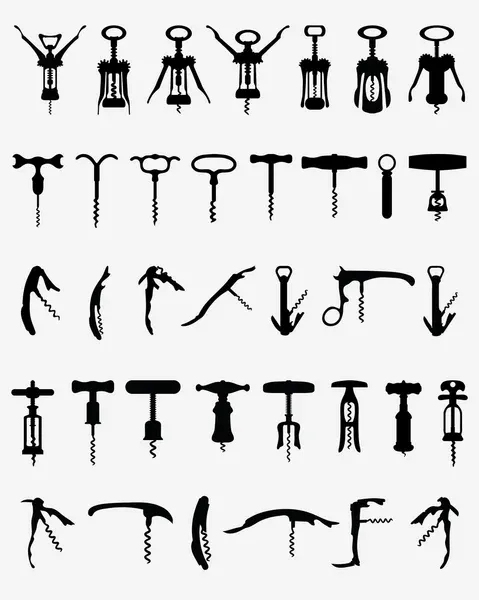
There are many bottle opener styles. Each one works by leverage, but the grip and motion can change. Below are examples of the different bottle opener types.
- Flat bar opener: best for bars, parties, and fast service. They hook the lip under the cap and lift with a quick wrist motion.
- Handheld opener: This one is best for kitchens and home use. To use it, hold the handle firmly and pull upwards.
- Kitchen opener: This is best for travel and everyday carry. When using it, keep the angle straight to avoid bending the small frame.
- Wall-mounted opener: This is best for the kitchen, garage, bars, and outdoor spaces. When using it, press the cap into the cap and pull the bottle downward.
- Lever style opener: this is best for tight caps and easy opening. Use the longer arm for extra leverage.
- Automatic opener: This is best for convenience. When you place it over the cap and press down according to the design, it opens the bottle.
Different settings require specific tools, like speed blades for bars or handled openers for the kitchen. Outdoor events often use wall-mounted or keychain openers. Regardless of design, the basics of how to use a bottle opener involve hooking the cap and lifting steadily. Explore a curated selection of premium bottle openers across every style and use case, from bar-grade speed blades to elegant wall mounts. Find the right tool and order today.
How Do You Use A Handheld Or Keychain Bottle Opener?
And offer ample surface, whereas keychain tools require looking closer to the frame. When learning how to use a bottle opener with a keychain opener:
- Hook the lip firmly under the cap edge.
- Place your fingers around the small body.
- Keep the tool straight and lift upward.
This method is convenient for casual gatherings. Do not bend the tool sideways, as small openers generate less stress. Straight upward force is the safest, most effective way to remove stubborn metal caps.
How Do You Use A Wall-Mounted Bottle Opener?
A wall-mounted opener stays fixed in place, allowing you to focus entirely on controlling the bottle. Simply place the cap into the metal catch and tilt the bottle so the edge sits securely under the lip. Pull the bottle downward in one quick, firm motion to pop the cap off effortlessly.
These devices are practical for kitchens, garages, and patios. Install the opener at a comfortable height above a counter or tray to catch falling caps. They offer a stable, efficient solution when one-handed operation is required.
How Do You Use A Lever-Style Or Old-Fashioned Bottle Opener?
Lever-style and old-fashioned openers offer a longer arm than standard compact tools, providing a significant mechanical advantage for removing tight or corroded caps. These durable tools function by hooking the lip under the cap edge and resting the fulcrum point against the top of the cap, amplifying your pulling force. This simple design remains popular for its reliability with modern crimped caps.
Sometimes, these openers utilize a sturdy table edge as a pivot. While this relates to how to open a bottle on a table, you must use care. Always choose stable surfaces and avoid delicate furniture to ensure safety.
Best Bottle Opening Tricks And Speed Techniques That Actually Work
Some bottle-opening tricks are practical. Others are mostly for entertainment. The safest tricks are the ones that still follow the same leverage principle.
Reliable techniques include these:
- Bar key speed opening. Hook the cap and use a quick wrist snap.
- Wall-mounted opening. Press the cap into the catch and pull down.
- Counter edge method. Use a sturdy edge as leverage only when safe.
- Lighter method. Use a firm object as a lever, but only with care.
- Key method. Use a strong key to lift the cap edge gradually.
The counter edge and lighter methods create leverage by using a fulcrum, while keys pry the cap edge until the seal loosens. These techniques relate to opening a bottle with a key, opening a bottle with a key, how to open a bottle with a key, and opening a beer with a key.
For regular home use, a real opener is safer. Improvised methods can damage furniture, bend keys, chip glass, or cut hands. Use tricks only when the surface is stable, and the bottle is not cracked.
How Do Bartenders Open Bottles So Fast?
Bartenders achieve speed by using repeatable motions. They use a bar key or speed blade to catch the cap edge and snap the wrist upward. This technique relies on the opener pivoting on the cap to generate a controlled lift. Because the opener is positioned precisely, the motion becomes automatic, ensuring efficiency. Speed blades are superior for fast, consistent work compared to consumer openers.
To emulate this, consistency is vital. Master a deliberate grip you repeat for every bottle. Hook the same cap edge using an identical wrist motion. Speed follows accuracy. Train your hand to find the correct pivot point, and you will open bottles safely without slippage.
Customize bottle openers with branded designs that stay useful long after the first drink
We supply high-quality custom bottle openers in practical styles for kitchens, bars, patios, events, and everyday use, with customization options that help your brand stay visible.
Common Bottle Opener Mistakes That Make Caps Bend Or Slip
Most bottle opener problems come from a few common technique errors. The opener or bottle is usually not the issue.
Common mistakes include these:
- Not hooking the opener's lip fully under the cap.
- Holding the bottle too loosely.
- Twisting instead of lifting.
- Pulling at the wrong angle.
- Rushing before the opener is seated.
- Using a wet bottle without improving grip.
- Using the wrong opener side.
- Trying to open a can with a bottle opener when the tool is not designed for that container.
- Confusing bottle opening with opening a beer can or trying to open a beer can with the wrong tool.
Why Does Twisting Instead Of Lifting Make Bottle Opening Harder?
Twisting the bottle opener applies force sideways, which often causes the tool to slip or damage the cap. In contrast, lifting the opener pushes force upward under the cap edge, releasing the flange cleanly. Understanding this distinction is the key to preventing shredded caps and potential hand injuries.
To fix this, replace the twist reflex with a short, controlled upward wrist motion. Keep the opener steady as you pull the handle up, ensuring your wrist lifts rather than rotates. To verify your technique, practice slowly and watch your wrist to ensure it moves straight, rather than turning sideways.
Looking for an affordable way to promote your brand with custom bottle openers?
With our online service, you can customize bottle openers with professional branding, reliable quality, and budget-friendly options for giveaways, hospitality use, retail promotions, and special events.
Get started with custom bottle openers hereBottle Opener Safety Tips To Prevent Slips, Cuts, And Broken Glass
Below are tips for safe bottle opening:
- Point the cap away from people, faces, and breakable surfaces.
- Check the bottleneck for cracks or chips before opening.
- Avoid bottles that look damaged or unusually pressurized.
- Match the opener to the container.
- Do not force a can tool onto a glass bottle cap.
- Keep fingers away from the cap edge.
- Throw caps away immediately after opening.
- Do not leave loose caps in drawers, bags, or bins.
- Use a real opener when possible instead of risky tricks.
- Be careful when trying to pop a beer quickly, because speed without control can cause slips.
Loose caps can cut fingers when people reach into drawers or bags. Dispose of them right away. If a bottle looks cracked, chipped, or unsafe, do not open it.
Frequently Asked Questions About How To Use A Bottle Opener
How Do You Use A Bottle Opener Correctly?
Hold the bottle steady, hook the lip underneath, and lift upward. This is the safest answer to how to open a bottle with a bottle opener tool. For beer, keep the bottle upright using a firm lift, clearly showing how to use beer opener tools and how to use a bottle opener for beer without bending caps or spilling.
Why Does My Bottle Opener Keep Slipping?
Your opener may slip if the lip is not fully under the cap, your grip is weak, or the bottle is wet. It can also occur when you twist instead of lifting.Dry the bottle, reset the opener, and hook the cap edge properly before pulling upward. This improves results when learning how to open a bottle with a can opener, ensuring consistent results for every container.