Does Chocolate Go Bad: How to Know When It’s No Longer Safe
While chocolate has a good shelf life, it is not indestructible. Its ingredients, storage time, moisture, and how it is stored can affect it and cause it to go bad. In this guide, we explain how to check if chocolate has expired and how to know when to consume it or not.

Key Takeaways
- Chocolate can lose flavor, aroma, and texture before it becomes unsafe.
- Plain dark chocolate usually keeps its quality longer than milk chocolate, white chocolate, or filled chocolates.
- A white coating is often chocolate bloom rather than mold.
- Printed dates commonly indicate expected quality, but storage history and signs of contamination still matter.
- Discard chocolate that has mold, insects, damaged packaging, a disturbing odor, or a questionable filling.
Does Chocolate Go Bad
Does chocolate go bad? Yes, chocolate can deteriorate over time. Its ingredients, packaging, and storage conditions determine how quickly this will happen. An old bar may simply taste stale or develop bloom. However, chocolate with mold contamination, damaged packaging, or a spoiled filling should not be eaten.
When people ask, "Can chocolate go bad?" they are often worried about a forgotten bar found in a cupboard. Plain chocolate contains little available moisture, which makes it less supportive
of microbial growth than many fresh foods. However, this does not mean it remains perfect forever. Cocoa butter and other fats can develop unpleasant flavors after exposure to oxygen, heat, or light.
The ingredients used when making chocolate make an important difference. A plain dark chocolate bar is not equivalent to a truffle containing fresh cream. Nuts can become rancid, while caramel, fruit, dairy, or other fillings may have their own storage limitations. Therefore, the answer to "Does chocolate spoil?" depends on what kind of chocolate you have and how it was stored.
Make a strong impression with custom chocolates
Work with us to create high-quality custom chocolates with your unique branding to raise awareness and ensure professional-looking promotional products that your customers or clients will love.
How Long Does Chocolate Last?
No single storage period applies to every chocolate product. Manufacturers select dates after considering the recipe, packaging, expected storage conditions, and desired quality. The following ranges are general guidelines rather than guarantees. Always check the manufacturer's label and storage instructions.
|
Chocolate type |
Typical guidance. |
|
Plain dark chocolate. |
Usually lasts about 8 to 24 months when unopened and stored correctly |
|
Plain milk chocolate. |
Usually lasts about 10 to 16 months when unopened and stored correctly |
|
Plain white chocolate. |
Often lasts about 6 to 12 months when unopened and stored correctly |
|
Chocolate with nuts or crisp inclusions |
Often shorter than plain chocolate because the added ingredients can degrade faster |
|
Few chocolates and truffles Open chocolate. |
Follow the maker's date because creams, fruit, ganache, and other fillings shorten storage life. Open chocolates usually last for less time and should be wrapped tightly when stored. |
Treat these ranges as practical estimates. The product label remains the best source for a specific item. Heat, humidity, light, oxygen, dust, and repeated opening can reduce quality much faster.
When asking, "Does chocolate go bad?" consider more than its age. Check whether it remains sealed, whether it spent time in a hot car, and whether moisture entered the package. Look at its surface, smell it, and inspect any filling before deciding whether to consume it or discard it.
Does Chocolate Expire If It’s Still Sealed In The Original Packaging?
An unopened package protects chocolate from air, humidity, odors, pests, and handling. However, it does not stop every chemical or physical change. Fat oxidation, flavor loss, ingredient deterioration, and damage caused by poor temperatures can still occur. Before opening an old package, inspect it carefully. Check the printed date and determine how the chocolate was stored. Look for holes, broken seals, water damage, stains, leaks, swelling, or evidence of insects.
A sealed package that remained in a cool, dry cupboard is more reassuring than one stored in a humid room or exposed to extreme heat. If the package is intact, open it and inspect the chocolate before tasting it. Unopened does not mean safe forever. People asking whether chocolate can get old should follow the manufacturer’s date and instructions, particularly for filled products. Discard packages that are leaking, swollen, badly damaged, or contaminated.
How Long Does Dark Chocolate Last?
Chocolate does not have one fixed shelf life because ingredients, packaging, and storage conditions vary. Unopened dark chocolate often keeps its quality longer than milk or white chocolate, while truffles, filled chocolates, and products containing nuts or fruit melt or become rancid sooner. Once opened, exposure to air, moisture, odors, and handling can shorten the useful life of chocolate.
Use the printed date as a starting point rather than the only test. Check whether the package is intact and consider where the chocolate was stored. Before eating it, inspect its appearance, smell, texture, and ingredients. Chocolate that looks normal may simply taste stale, but chocolate with mold, insects, leaking filling, damaged packaging, or an unpleasant odor should be discarded regardless of its age or expiry date.
Does White Chocolate Expire Faster Than Dark Chocolate?
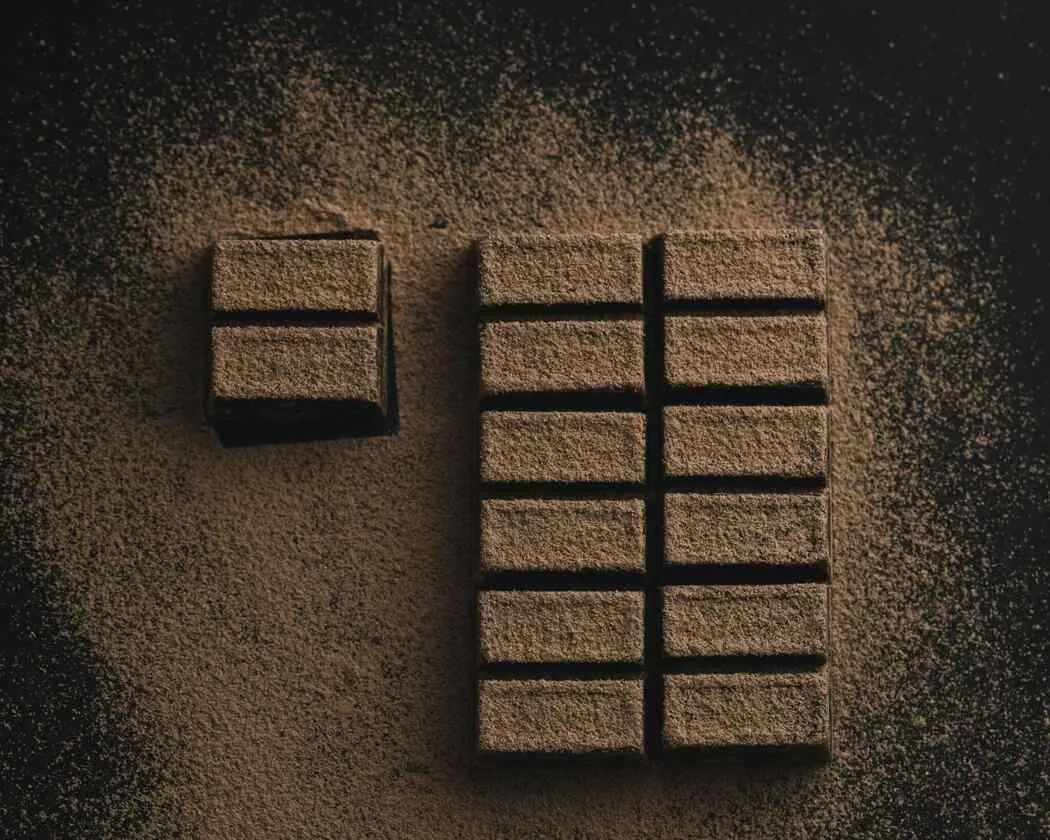
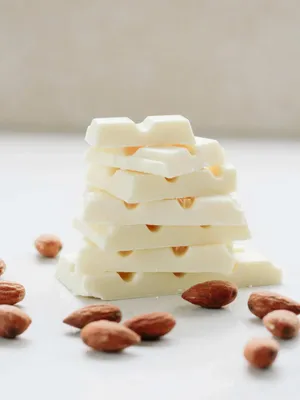
White chocolate often loses its best quality sooner than plain dark chocolate. It contains cocoa butter, sugar, and milk ingredients but does not contain the non-fat cocoa solids found in dark chocolate. The following points explain what affects their longevity;
- Dark chocolate generally has a stronger cocoa flavor and often remains stable for longer. ● White chocolate is more sensitive to heat, light, odors, and changes in its milk and fat components.
- Both types can develop bloom after poor storage, but white chocolate would generally develop it faster.
- Additions such as nuts, fruit, biscuits, or cream can shorten the useful life of both products.
The difference is mainly about composition and quality stability. It does not mean every old white chocolate bar is unsafe or every old dark chocolate bar is acceptable. Inspect the individual products.
Need custom chocolates for your next promotional giveaway or other project?
We can bring your designs to life on custom chocolates for personal expression, branding, or other promotional purposes, offering diverse customization options to make a connection.
Explore options for custom chocolates hereHow Can You Tell If Chocolate Has Gone Bad?
Use the following inspection process before eating old chocolate.
- Check the package: Look for holes, broken seals, stains, swelling, leaks, or insect damage.
- Review the storage history: Consider exposure to heat, direct sunlight, moisture, strong odors, or repeated temperature changes.
- Inspect the surface: A smooth white coating may be a bloom, but fuzzy, raised, irregular, or colored growth may indicate mold.
- Smell the chocolate: If the chocolate smells musty, sour, rancid, fermented, or smells like a chemical, discard it immediately.
- Check its texture: Dryness or crumbling can reflect quality loss. Wetness, slime, or a lingering feeling is more concerning.
- Examine the ingredients: Cream, fruit, nuts, and other additions deserve more caution than plain white chocolate.
- Test only when every earlier check is satisfactory: After trying all the other checks, you can try a small amount of the chocolate. A stale or flat taste indicates poor quality. Stop if the flavor seems abnormal.
When people ask, "Do chocolates go bad?" the answer differs between products. A box filled with chocolates may deteriorate faster than a solid bar. A single sign should be interpreted without context. A white surface alone may be harmless bloom, while white fuzzy growth accompanied by an unusual odor is more concerning.
Does Chocolate Go Bad After Several Years?
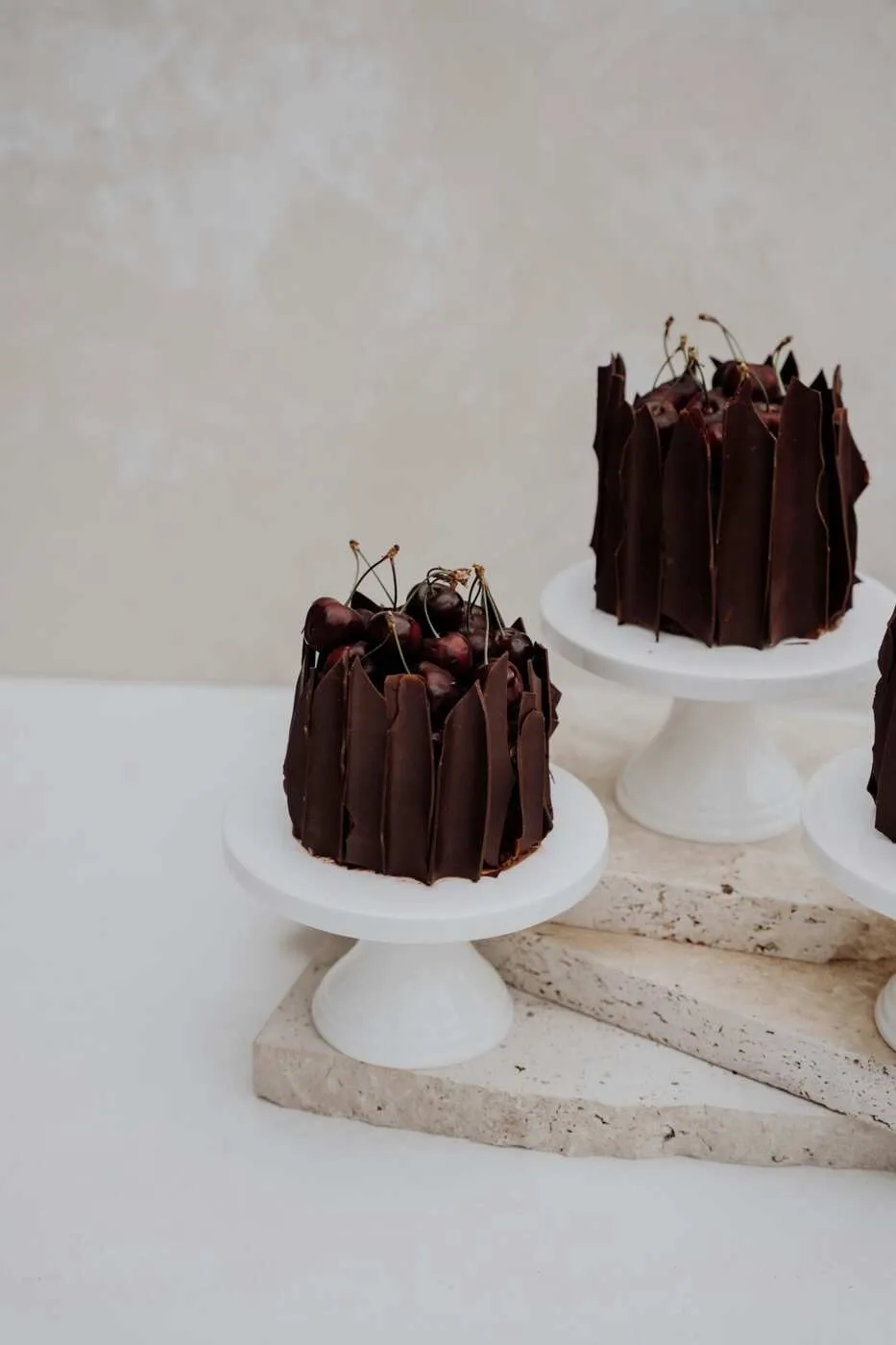
Chocolate that is several years old may have significant flavor and texture deterioration, even if it still resembles chocolate. Age alone cannot confirm its safety because the ingredients, packaging, and storage conditions also matter.
For chocolate that is 4 or 7 years old, inspect the complete package and product. If its history is unknown, caution is sensible. Very old filled chocolates should generally be discarded because their ingredients may be less stable than solid chocolate. Chocolate that is decades old should
be treated as a historical or collectible item rather than ordinary food. Packaging from earlier periods may also have deteriorated. There is little practical reason to taste chocolate that is 20 or 100 years old.
The searches "Does chocolate go bad?" and "Can chocolate go bad?" usually point to the same concern, and the answer is yes. Chocolate can become stale, rancid, contaminated, or otherwise unsuitable after prolonged storage.
Is It Safe To Eat Expired Chocolate?
Chocolate past its printed date may sometimes remain edible if it was stored properly and has no signs of spoilage or contamination. In the United States, the USDA explains that most food dates indicate quality rather than safety. However, filled chocolates, damaged packages, and products with abnormal smells or appearances require greater caution.
The USDA food product dating guidance explains that, except for infant formula, food dates are generally not federal safety indicators. Date rules and wording can differ by country, so follow local guidance and the manufacturer’s instructions.
Use this decision process;
- Identify the chocolate: Plain bars are generally less concerning than fresh cream truffles or chocolates containing perishable fillings.
- Read the wording: A best before or best if used by date often concerns expected quality. Treat any safety-focused use-by instruction more cautiously.
- Measure the time: A product slightly beyond a quality date is different from one that is several years old.
- Consider whether it was opened: Opened chocolate has more contact with air, humidity, odors, hands, and contaminants.
- Review storage conditions: Stable, cool, and dry storage is preferable to heat, sunlight, moisture, or temperature fluctuations.
- Inspect the product: Reject it if you find mold, pests, leaking filling, package damage, or an offensive odor.
This framework is more reliable than assuming that every past date means dangerous food or that every sealed product remains good forever.
Can Spoiled Chocolate Make You Sick?
Contaminated or spoiled chocolate products can potentially cause illness. While plain chocolate has low available moisture, contamination can still occur during production, handling, or storage. The overall risk depends on the source of the problem and the specific ingredients involved.
Filled chocolates require extra care because cream, fruit, or dairy ingredients deteriorate faster than solid chocolate. Do not taste chocolate to test it when you see mold, insect activity, or liquid leakage. Discard products with broken seals, swollen packaging, or disturbing smells. Anyone who becomes ill after eating chocolate should seek appropriate medical advice, especially if symptoms persist.
Customize chocolates with bespoke or branded designs and make an impression
We supply high-quality custom chocolates with your unique designs and an array of customization options to deliver for your aesthetic and functional needs.
What Is The White Stuff On My Chocolate?
A white or grey coating on chocolate usually indicates bloom rather than harmful mold growth. Fat bloom happens when cocoa butter moves and recrystallizes on the outer surface due to heat or temperature fluctuations. Sugar bloom occurs when moisture dissolves surface sugar, leaving fine crystals behind after evaporating. While bloom alters visual appearance and texture, the chocolate generally remains completely safe to eat.
Condensation after removing cold chocolate from its package is a common cause. Callebaut’s sugar bloom guidance identifies humidity, condensation, and temperature shocks as common causes. Bloom should still be distinguished from fuzzy growth, unusual colors, insects, or suspicious odors.
Is Bloomed Chocolate Safe?
Bloomed chocolate is generally safe to eat when appearance is the only issue. Its texture and snap may decline over time, but the underlying safety remains intact. Before eating it, inspect its odor, packaging, and storage history carefully.
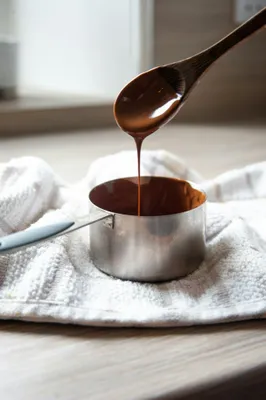
This chocolate often works well in brownies, cakes, or hot beverages. Melting it removes surface defects effectively. However, older chocolate can deliver a slightly weaker flavor. Do not rely on bloom as proof that the entire product is fine. Filled chocolates can deteriorate inside while looking normal outside. Discard the product if you notice fuzzy growth, foul odors, or package damage.
Looking for an affordable solution for custom chocolates?
With our online service, you have a fast, reliable way to customize chocolates with high-quality craftsmanship at affordable prices. We offer a range of benefits and hassle-free solutions.
Get started with custom chocolates hereHow Should You Store Chocolate To Keep It Fresh?
- Keep chocolate at a stable, cool temperature: Callebaut recommends about 12 to 18 degrees Celsius for pure chocolate, while individual manufacturers may provide slightly different ranges.
- Choose a dry location: Humidity and condensation can encourage sugar bloom and damage packaging.
- Protect it from light: Light and heat can contribute to oxidation, melting, and flavor deterioration.
- Use suitable packaging: Keep unopened chocolate in its original wrapper. Wrap opened chocolate tightly and place it in an airtight container when practical.
- Keep it away from strong odors: Chocolate can absorb smells from spices, onions, cleaning products, and other nearby materials.
A kitchen cupboard may work if it remains cool and dry. Avoid locations near ovens, windows, radiators, or other heat sources. Stable conditions are generally better than repeated movement between hot and cold places.
Should You Store Chocolate In The Fridge?
Room temperature storage is often preferable when the room is reliably cool and dry. A refrigerator may become practical in a hot or humid climate, but cold storage creates possible problems with condensation and odor absorption. Wrap the chocolate tightly and place it in an airtight container before refrigerating it. Keep it away from foods with strong smells.
When removing it, leave the sealed container at room temperature until the chocolate warms gradually. Opening cold chocolate immediately can allow moisture to condense on its surface and create sugar bloom. The Callebaut storage guidance recommends allowing packaged chocolate to return to room temperature before opening it. This helps protect the surface from condensation.
Can You Freeze Chocolate To Extend Its Shelf Life?
Freezing can extend storage for some chocolate, but it may affect texture, appearance, and fillings. Check the manufacturer’s instructions before freezing delicate chocolates or products containing cream, fruit, caramel, or other additions, and follow the steps below when freezing it;
- Wrap the chocolate tightly.
- Place it in an airtight freezer container or bag.
- Freeze it away from strongly scented foods.
- Move it to the refrigerator for gradual thawing.
- Let the sealed package reach room temperature.
- Open it only after it has warmed to reduce condensation.
Freezing does not preserve chocolate indefinitely. Oxygen exposure, freezer odors, moisture, packaging failure, and the stability of added ingredients still matter.
Frequently Asked Questions About Does Chocolate Go Bad
Does Chocolate Really Expire?
Chocolate does not suddenly spoil upon reaching its printed date; instead, it undergoes gradual changes in flavor, aroma, texture, and appearance. Thus, " Can chocolate spoil” and " does chocolate go bad” share the same core meaning despite being different searches. Although chocolate eventually deteriorates, you can evaluate quality by checking the label, identifying ingredients, reviewing storage history, and carefully inspecting the product.
Can You Eat Chocolate After The Expiration Date?
Eating chocolate past its quality date is often safe if stored properly and showing no spoilage. Plain varieties generally last longer than chocolates filled with cream, fruit, or nuts. Always inspect packaging and check for abnormal odors, mold, or leaks. When in doubt, contact the manufacturer using batch details, or choose a replacement if storage history is unknown or the product is extremely old.