How Long Do Flash Drives Last: What Affects Data Retention
We often treat flash drives like permanent storage tools, but they aren’t built to last forever. The key to understanding how long flash drives last is to know what affects their longevity. In this guide, we break down average lifespans, what wears them down, and how to maximize their utility.

Key Takeaways
- Flash drives last years, not forever, and usage habits play a big role in how long they stay reliable.
- Data retention and physical lifespan are different, and both can fail in different ways over time.
- Better handling, fewer rewrites, and proper storage conditions can extend usability more than most people expect.
- We supply high-quality custom USB flash drives with robust builds and high-quality flash memory that are designed to last for many years.
How Long Do Flash Drives Last?
You may want an answer that is a single number, but it doesn’t work that way. Under light use, a flash drive’s lifespan can reach 8 to 10 years, but the lifespan can be shorter if you use it more frequently.
- Moderate use: Expect a lifespan closer to 2 to 5 years.
- Heavy daily writing: This can shorten it to under 2 years.
The confusion comes from mixing time with write limits. Flash memory wears out based on how many times data is written and erased - a drive used for occasional file transfers lasts longer than one that is constantly updated.
We have found that storage habits are just as important as build quality. Temperature, handling, and frequency all quietly shape how long a flash drive lasts.
What Is The Lifespan Of A USB Flash Drive?
In practical terms, the lifespan of a flash drive sits in a range, not a fixed number. Entry-level drives may last a few years with light use, while higher-quality models can stretch much longer.
The reason for this is simple: not all flash memory is built the same.
- Cheaper drives often use lower-grade memory cells that wear faster.
- Premium drives tend to include better controllers and wear management.
We have also seen connectors fail before the memory does, especially with rough handling. So when people ask how long do USB flash drives last, the real answer depends on both the internal memory and the physical design.
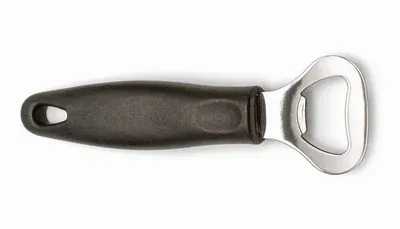
Our custom bottle opener USB flash drives and other options are made with high-quality builds and premier flash memory for maximum longevity.
|
Use Case |
Write Frequency |
Risk Level |
Typical Lifespan |
Recommendation |
|
Occasional file transfer |
Very low |
Low |
5–10 years |
Ideal use — safe and reliable |
|
Work/school documents |
Low to moderate |
Medium |
3–5 years |
Fine, but keep backups |
|
Photos/videos (storage + move) |
Moderate |
Medium |
2–4 years |
Use alongside cloud or external drive |
|
Portable apps / frequent edits |
High |
High |
1–3 years |
Not ideal — wear builds quickly |
|
Logging / constant writing |
Very high |
Very high |
<1–2 years |
Avoid — use SSD or dedicated storage |
|
Long-term archive |
Minimal writes |
Hidden risk |
Unreliable over time |
Not recommended — use redundant storage |
What Shortens Flash Drive Lifespan In Everyday Use?
Most damage does not come from extreme use. It comes from small habits repeated often. Pulling a drive out without safely ejecting it is one of the most common issues we see. That can interrupt write cycles and slowly corrupt data.
Here are some other possible factors:
- Constantly editing files directly on the drive also adds stress. Flash memory prefers fewer, larger transfers instead of many small ones.
- Heat is another quiet one. Leaving a drive in a hot car can reduce its lifespan faster than expected.
We have found that simple changes, like ejecting properly and limiting constant rewrites, make a noticeable difference over time. Even then, flash memory reliability decreases over time due to things like charge leakage, gradually increasing error rates.
Do Flash Drives Go Bad?
In essence, flash drives do “go bad”, and it does not always happen in a dramatic way. Sometimes files start failing to open. Other times, the drive still connects but behaves unpredictably. This is where confusion builds.
A drive can appear fine while slowly becoming unreliable. We have seen cases where data corruption shows up before total failure. There are also sudden failures caused by physical damage or controller issues.
The key problem is that warning signs are easy to miss, unlike with other devices like custom neon signs. That is why relying on a single drive for important files carries risk, even if it seems to work perfectly at first.
Can A USB Stick Wear Out?
At a technical level, a USB stick wears out through repeated write cycles. Each time data is written or erased, the memory cells degrade slightly. Early retention loss, where stored charge leaks quickly after writing, can contribute to data degrading even when not in use.
Over time, flash drives lose the ability to hold charge reliably. This is called flash memory wear. Most modern drives use wear leveling to spread usage evenly, which helps extend life. Still, limits exist.
We have noticed that larger drives often handle wear better because they distribute writes across more cells. It is also worth noting that not all failures come from wear. Some are caused by poor manufacturing or unstable controllers.
Interested in an elegant aesthetic for your USB flash drive?
Our custom Woodsman USB flash drives feature a wood finish with an engraved/printed design that delivers on function, aesthetics, and durability.
How Long Does Data Last On A Flash Drive?
Data lifespan is not the same as device lifespan, and that difference matters. A flash drive may still function, yet stored data can fade over time. Under good conditions, data might remain intact for several years.
However, that window can shorten through:
- Heavily used drives
- Poor storage conditions
We have seen older drives lose data even when untouched. The issue is that flash memory slowly leaks charge. Without occasional power and refresh cycles, bits can flip.
This makes flash drives useful for transport and short-term storage, but less dependable for long-term archiving of important files. Technical details like this matter when considering how to use custom printed promotional items effectively.
How Long Can A Flash Drive Hold Data Without Power?
Flash memory holds data without power, but not indefinitely. Most drives can retain data for a few years if stored well. Cooler temperatures and low humidity help preserve data longer. Heat, on the other hand, speeds up data loss.
We have seen drives left in warm environments degrade much faster. Another factor is previous usage:
- A heavily used drive holds data less reliably.
- A newer one is more likely to continue holding data for longer.
When people ask how long a flash drive can hold data without power, the honest answer is that it varies widely. Erase and write cycles are a core lifespan limitation, but lack of power can contribute too. Regular checks and backups are the safest approach.
Are Flash Drives Good For Long Term Storage?
Flash drives are convenient, but they are not ideal for long-term storage. The problem is not immediate failure, it is gradual data loss that goes unnoticed. For short-term use or file transfers, they work very well, but for archiving important data, they fall short.
We have found that relying on a single flash drive for years without checking it can lead to surprises. A better approach is to use multiple storage methods for better protection, such as:
- External drives
- Cloud backups
- Redundant copies
Flash drives still play a role, just not as the only place where critical data lives. They are popular types of promotional products for business, but people should understand they are not built for long-term storage.
How Many Writes Does A Flash Drive Have?
Every flash drive has a limit on how many times data can be written and erased. This is known as write endurance. For most consumer drives, this limit can range from thousands to tens of thousands of cycles per cell.
That sounds high, but heavy use can reach it faster than expected:
- Small, frequent file updates add wear quicker.
- Occasional large transfers record lighter use, which allows them to last longer.
We have seen drives used for constant logging fail sooner than expected. Wear leveling helps spread usage, but it cannot remove limits entirely. Many USB flash drives are built for physical durability, like custom reinforced badge reels, but the memory inside can still wear out with frequent use.
Can A Flash Drive Be Erased And Reused?
Flash drives are built to be erased and reused many times - that is part of their design. Deleting files or formatting the drive clears space for new data, but it also contributes to wear.
Light reuse is completely normal and safe. For example, NAND flash typically endures 10⁴–10⁵ program/erase cycles. The issue appears when a drive is heavily reused for demanding tasks. Over time, performance may drop, and reliability may decrease.
We have found it helpful to treat older drives as temporary storage rather than long-term solutions. Reuse is practical, but recognizing when a drive is aging helps avoid unexpected data loss.
Choose a classic flash drive design with your branding
Custom spin USB flash drives feature protection for the connection with ample space for your personalized design - they are built to last.
Learn moreAre Flash Drives Reliable?
Flash drives are very reliable for what they are designed to do. They are excellent for moving files quickly and easily, but their reliability depends on both build quality and usage habits:
- Cheap drives are likely to fail sooner.
- Well-made ones are built to last longer.
There is no flash drive that is immune to wear or failure. We have seen even good drives fail after years of heavy use, so it is important to choose a trusted product with solid build quality that reduces risk.
Our custom Proton USB flash drives boast robust builds and high-quality flash memory that can withstand a high-number of erase-write cycles. With our products, you can personalize the exterior design and enjoy high reliability, competitive pricing, and generous bulk discounts.
Are USB Flash Drives Reliable?
Compared to other storage options, USB flash drives sit somewhere in the middle of the scale. They are more durable than traditional hard drives because they have no moving parts, but they are less reliable than managed storage systems like cloud backups or enterprise drives.
You will get the best experience by using them for short-term storage and file transfer. We have seen them perform well in daily use, but they can struggle when used as the only backup. Their reliability improves when we use them correctly and avoid overloading them with constant rewrites.
USB flash drives are dependable tools, but they are not complete storage solutions on their own.
Our compact USB flash drives are a durable option
Metal swivel USB flash drives are robust and durable, with a sleek metallic design that can feature your personalized addition in its compact package.
How To Fix A USB Flash Drive That Is Not Detected
When a flash drive is not detected, it does not always mean it has failed. Start with simple checks. Try a different USB port or another computer - this helps rule out connection issues. If the drive still does not appear, try the following:
- Check disk management settings to see if it is recognized but not assigned a letter. We have seen this fix many cases quickly.
- Driver issues can also cause detection problems, especially after updates.
- Restarting the system sometimes resolves hidden conflicts.
It is important to test these steps before assuming the drive is permanently damaged. Lack of diligence is a common mistake to avoid when using promotional products for small business.
Why Is My Flash Drive Not Showing Up?
This issue usually comes from a few common causes. A faulty USB port, corrupted file system, or outdated driver can prevent the drive from appearing.
- Sometimes the drive shows up in system tools but not in file explorer. That points to a partition issue rather than hardware failure.
- We have also seen power-related problems with certain ports. If multiple devices fail in the same port, the issue may not be the drive at all.
Knowing these signs helps avoid unnecessary panic and gives a clear path for troubleshooting before taking more serious recovery steps. USB flash drives are vulnerable to gradual failure rates, but don’t instantly assume this is the problem.
What Is The Best Flash Drive For Long Term Storage?
No flash drive is perfect for long-term storage, but some are better than others. Drives with higher-quality memory and stable controllers tend to hold data more reliably. Let’s look at some other features that suggest a device is better for long-term storage:
- Brand reputation and warranty support also matter more than many expect.
- We have found that slightly higher investment upfront often leads to fewer problems later.
- Features like better casing and heat resistance can also help.
Still, even the best flash drive should not be the only copy of important data. Work with us to create custom Koval mobile USB flash drives for devices that are robust and durable, but only use them as part of a wider storage and file transfer strategy.
Frequently Asked Questions About How Long Do Flash Drives Last
How Long Do Flash Drives Last In Everyday Use?
With normal use, most flash drives last between 3 to 10 years depending on quality, handling, and how often data is written and erased.
Do Flash Drives Go Bad Over Time?
Yes, they can degrade from memory wear, physical damage, or data retention loss, even if they are not used frequently.