Air Freshener Safe For Cats: Reactions, Diffusers, Scents, And Safe Options
Most cat owners have asked the same quiet question at some point: are air fresheners safe for cats, or are we just hoping they are? We live with animals that groom themselves constantly, breathe closer to the ground, and react to smells long before we notice them - that changes the risk entirely.
In this guide, we aim to offer insights into exposure, ingredients, and delivery methods. Some air fresheners are far riskier than others. Safety depends on how scent enters the air, how long it stays there, and what compounds are involved. Once we understand that, better choices become obvious.

Key Takeaways
- Cats are more sensitive to airborne chemicals due to how their bodies process toxins and fragrances
- Product type and exposure duration matter more than how strong or pleasant a scent smells to us
- Many air fresheners safe for cats focus on odor control rather than fragrance masking
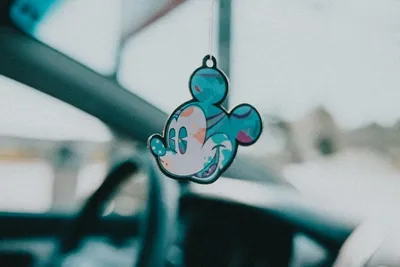
- We supply high-quality air fresheners in custom designs that release scent passively, primarily intended for cars.
Table of contents
-
Air Freshener Safe For Cats?
-
What Air Fresheners Are Safe For Cats Based On Product Type?
-
Is Air Wick Safe For Cats?
-
What Scents Are OK For Cats?
-
Is A Homemade Air Freshener Safe For Cats?
-
What Can I Put In My Diffuser That Is Safe For Cats?
-
What Air Fresheners Are Safe Compared To Odor Eliminators?
-
What Are The Signs Your Cat Is Having A Reaction To An Air Freshener?
-
What Should You Do If Your Cat Eats An Air Freshener?
-
How Cats Process Airborne Chemicals Differently Than Humans
-
Are Plug-In Air Fresheners More Dangerous For Cats Than Sprays?
Air Freshener Safe For Cats?
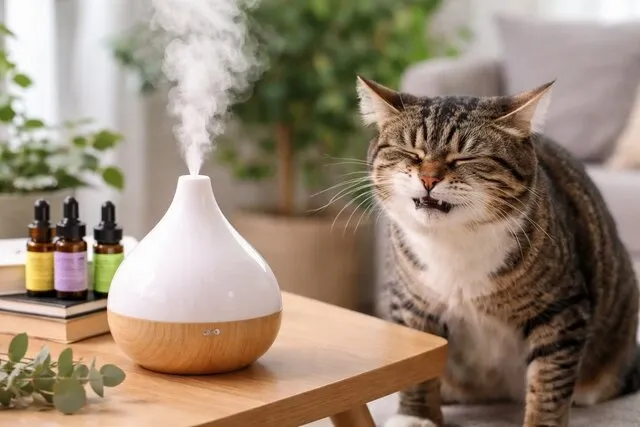
Cat owners are right to be cautious . Air fresheners can affect cats through inhalation, skin contact, or ingestion, and there are different levels of risk associated with each route. The exposure patterns matters:
- Plug-ins release scent continuously
- Sprays create short bursts of vapor
- Solids sit quietly in the background
- Scented candles sit in their arc votive glass candle holders and release scent gradually
Labelling is one thing that complicates things. Pet-friendly does not always mean cat-safe. Dogs metabolize chemicals differently, while cats lack some of the liver enzymes that can help break down toxins. We have seen products labeled safe trigger symptoms like sneezing, lethargy, or hiding behaviors.
Safety is not just about the scent itself but the carrier oils , solvents, and dispersal method. A mild smell from a custom eco kraft paper air freshener can still be harmful if it lingers constantly. Understanding that difference changes how we evaluate every product.
What Air Fresheners Are Safe For Cats Based On Product Type?
Format matters more than fragrance strength. Passive options like baking soda based absorbers or charcoal bags release no airborne chemicals at all, which immediately lowers risk. Let’s look at different air fresheners and what they do:
- Mechanical solutions such as air purifiers remove odors instead of masking them.
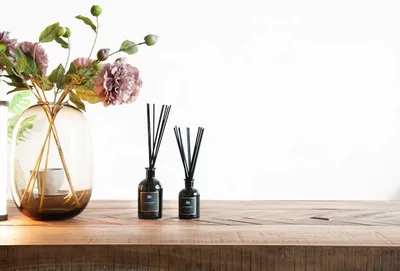
- Active products like sprays, plug-ins, and diffusers introduce chemicals directly into shared airspace.
Among those, sprays tend to be safer than plug-ins because exposure is brief and controlled. However, according to a 2008 study , one air freshener that should definitely be avoided is potpourri oil (liquid air freshener) as it was shown to cause severe oral burns and respiratory distress in cats.
Continuous release systems build concentration over time, especially in smaller rooms. We usually recommend thinking in tiers . Zero emission products are safest, short exposure products come next, and constant diffusion sits at the highest risk level.
This framework helps cut through confusing labels and lets us choose based on how cats actually experience their environment.
|
Product type |
Exposure pattern |
Primary risk mechanism |
Risk tier (cats) |
Safer use notes |
|
Plug-ins |
Continuous |
cumulative inhalation |
High |
avoid in shared rooms |
|
Diffusers |
Aerosolized droplets |
inhalation + residue |
High |
avoid; water-only ok |
|
Sprays |
short burst |
transient VOCs/irritants |
Medium |
ventilate; keep cat out |
|
Passive hangers/solids |
low emission (varies) |
proximity/residue |
Low–Medium |
keep out of reach |
|
Odor absorbers (charcoal) |
none |
none |
Lowest |
replace regularly |
Need a cat-friendly air freshener for your car?
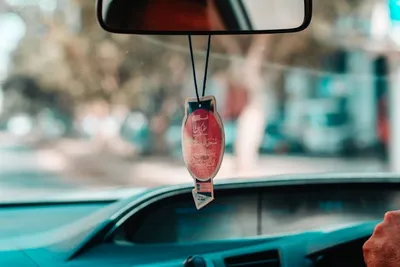
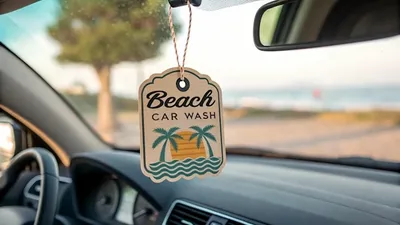
If you often take your cat in your car, our custom shape air fresheners offer personalized designs and a scent that won’t harm your animal.
Is Air Wick Safe For Cats?
Air Wick products vary widely , which makes blanket answers difficult. They offer a range of products that can be convenient for customers, but cat owners must be careful. Their sprays, plug ins, and oil refills all work differently :
- Sprays create temporary exposure and dissipate faster.
- Plug-ins release fragrance continuously.
Ingredient transparency can also be limited, especially around fragrance blends. Some Air Wick products contain essential oil components , which can be problematic for cats even in small amounts.
We have seen fewer reported issues with occasional spray use in well ventilated spaces, but
plug ins raise more concern
due to cumulative exposure.
Cats cannot escape constant scent
sources easily. The safest approach is avoiding continuous diffusers altogether and keeping any fragrance use minimal, well ventilated, and away from litter areas or sleeping spots.
What Scents Are OK For Cats?
Cats experience scent far more intensely than we do. Even smells we consider light can feel overwhelming to them. It is also important to separate “pleasant” from “safe”. Research has revealed that essential oils can be poisonous to cats.
This is important because products labeled as “ natural ” sometimes contain:
- Lavender
- Eucalyptus
- Citrus
- Peppermint
These scents can irritate cats or cause toxic reactions - sometimes even severe enough to require urgent veterinary treatment.
Toxicity is not about how nice something smells but how it interacts with feline biology . Mild, unscented environments are always safest. If scent is necessary, very low concentration options that do not rely on essential oils are less risky.
We have found that focusing on odor removal rather than scent addition keeps both humans and cats more comfortable over time.
Choose a car air freshener that looks and smells great
With our custom metallic air fresheners, you get a premium look and a pleasant scent that isn’t dangerous for animals.
Learn moreIs A Homemade Air Freshener Safe For Cats?
Homemade does not automatically mean safe . Many DIY recipes rely on essential oils, citrus peels, or vinegar blends, all of which can irritate cats in different ways. Safer homemade air freshener options for cats focus on odor absorption rather than fragrance.
Essential oils are the biggest concern because even diluted forms can cause respiratory stress or liver issues when inhaled over time. We have also seen problems when cats:
- Walk through sprayed surfaces
- Ingest residue during grooming
If you want to try and focus on odor elimination instead, there are DIY solutions that can help. Baking soda in open containers, activated charcoal, or simple ventilation do the job without adding airborne chemicals.
If a DIY method adds scent, it should be reconsidered. With cats,
neutral air is often healthier
than anything that smells intentionally fresh. If you are thinking of creating a
custom neon sign
for your cat’s home, this could be a good message for your design!
What Can I Put In My Diffuser That Is Safe For Cats?
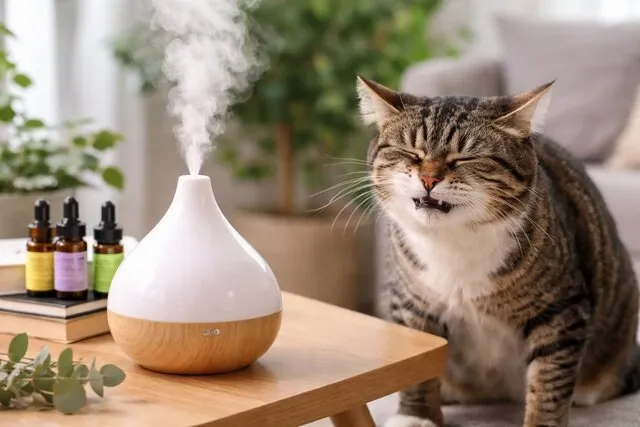
The question of safe things you can put in a diffuser is a difficult one because the honest answer is usually nothing . Most diffuser additives are essential oils, even when labeled mild or natural. Cats lack the enzymes needed to process many of these compounds safely.
Water only diffusers do not provide scent, but they can increase humidity slightly, which is generally safe. In households with cats, we usually recommend avoiding active diffusers altogether to keep them safe.
Studies show that synthetic air fresheners that emit volatile organic compounds (VOCs) can be just as dangerous. Mechanical air purifiers or open windows provide air movement without chemical exposure. If a diffuser is already in use, it should be placed in a room the cat does not access, which is often unrealistic.
When it comes to diffusers,
avoidance is often the safest choice
.
What Air Fresheners Are Safe Compared To Odor Eliminators?
There is a key difference between masking odors and removing them. Air fresheners add fragrance to cover smells, while odor eliminators break down odor causing molecules. For cats, eliminators are typically safer because they rely less on scent dispersal.
Products that focus on neutralizing the source rather than adding fragrance to the air typically use things like:
- Enzymes
- Charcoal
- Filtration
Expectations matter here. Odor eliminators do not create a perfumed environment, but they reduce unpleasant smells effectively. We have found that households with cats do better long term by managing litter, airflow, and absorption instead of relying on fragrance.
Clean air does not need to smell like anything at all. Be mindful if you need to take your cat in the car. Products like
custom leather air fresheners
on vents may contain compounds that irritate your cat.
Ours
are designed to be pet-friendly, and you can personalize the look and choose from a range of scents to get the perfect solution for your vehicle.
Seeking a more eco-friendly hanging car freshener?
Work with us to create a custom woven air freshener with a bespoke design and a captivating scent that won’t harm your cat.
What Are The Signs Your Cat Is Having A Reaction To An Air Freshener?
Reactions can be subtle or immediate . Respiratory signs include sneezing, coughing, wheezing, or open mouth breathing. However, behavioral changes often show up first. Hiding, reduced appetite, or unusual lethargy are common early indicators.
The safety of your cat is an important consideration when learning how to use an air freshener in cars or homes as a cat owner. Physical symptoms of an adverse reaction to look out for include:
- Watery eyes
- Drooling
- Skin irritation
Some reactions develop slowly as exposure builds, especially with plug-ins or diffusers. We have seen cases where symptoms only appeared after days of use, making the connection harder to spot.
Any sudden change in behavior after introducing a new air freshener should be taken seriously.
Early removal of the product
often prevents escalation.
What Should You Do If Your Cat Eats An Air Freshener?
Ingestion is always an emergency . Air fresheners contain concentrated chemicals that can cause burns, poisoning, or internal irritation. The first step is to remove any remaining product from the cat’s mouth if it is safe to do so.
Contact your vet or an emergency clinic immediately, and if possible, bring the product packaging with you. Do not attempt to induce vomiting unless instructed by a veterinarian. Time matters in these situations, as even small amounts can cause serious harm.
Many air fresheners contain essential oils, which
research
has proved can cause serious issues like
respiratory inflammation
or reduced lung function. We cannot stress enough that
ingestion risks are far greater than inhalation
and require professional intervention right away.
Get an eco-friendly air freshener that is safe for cat
Our custom wooden car air fresheners clip onto your vents and display a bespoke design whilst releasing their pleasing aroma.
Get startedHow Cats Process Airborne Chemicals Differently Than Humans
Cats lack certain liver enzymes that humans use to break down toxins. This means chemicals that seem harmless to us can accumulate in a cat’s body over time. Their smaller size and higher respiratory rate also increase exposure .
We often forget that cats spend more time indoors, closer to the floor, where heavier fragrance particles settle. Because detox pathways are limited, repeated low level exposure can become dangerous. Researchers have found that VOCs from air fresheners are toxic even at low concentrations, and chronic exposure can be a risk for pets.
The
biological difference
explains why air fresheners safe for humans are not automatically safe for cats. Understanding this helps explain why
caution is not overreaction
but biology.
Why Smell Concentration Hits Cats Harder Indoors
Indoor spaces trap fragrance . Unlike humans, cats cannot easily leave a room or open a window. They also rest near scent sources like outlets or furniture. Continuous exposure becomes the issue, not intensity.
A plug in air freshener safe for cats in theory may still create problems simply because it never turns off . We have noticed that cats in smaller apartments show symptoms faster than those in larger homes. This is because confined airflow amplifies exposure .
Reducing concentration through
ventilation
or eliminating constant scent sources makes a noticeable difference in feline comfort. If
concentrations
do build up too much, learn
how to get rid of air freshener smell
safely.
Are Plug-In Air Fresheners More Dangerous For Cats Than Sprays?
Generally, plug-in air fresheners are more dangerous than sprays. Plug-ins release fragrance constantly, creating cumulative exposure that cats cannot escape. Sprays create short bursts that dissipate with airflow.
While no air freshener is completely risk free , duration matters. Plug in air fresheners safe for cats are rare because safety depends on prolonged exposure tolerance , not just ingredient type. Things like customized pet air fresheners for cars release scent passively, which may be less of a risk for cats.
We have seen fewer issues when
sprays are used sparingly
in well ventilated areas.
Plug-in air fresheners are dangerous
for cats due to continuous inhalation and higher
total chemical load
. Limiting exposure time is one of the simplest ways to reduce risk.
Frequently Asked Questions About Air Freshener Safe For Cats
Are Air Fresheners Safe for Cats or Not?
Some are safer than others, but many pose risks depending on ingredients and exposure time. Avoid constant diffusion products whenever possible.
Can Long Term Air Freshener Use Cause Chronic Issues in Cats?
Yes. Repeated low level exposure can contribute to respiratory and liver issues over time, especially with plug ins and diffusers.