Do Magnets Stick To Cars: Everything You Need To Know
A car magnet seems simple until it doesn’t stick - then the questions start. Typically, magnets stick to cars with steel body panels, but not to aluminum, fiberglass, plastic, or carbon fiber. In this guide, we go over all you need to know about whether magnets will stick to your car.


Key Takeaways
- Car magnets only stick to magnetic metal, usually steel. Many modern cars use aluminum, plastic, fiberglass, or mixed panels.
- A clean, flat surface gives the best hold. Dirt, wax, curves, gaps, and weak magnet material can cause lifting or slipping.
- Test your vehicle first with a small magnet before ordering custom signs, especially for trucks, EVs, and newer luxury vehicles.
- We supply high-quality custom magnets for cars and other surfaces that you can personalize easily, built to withstand the outdoors at great prices.
Do Magnets Stick To Cars?
When people ask “do magnets stick to cars?, they usually mean whether a car magnet will hold firmly while parked and driving. On many vehicles, the answer is yes, because traditional body panels are made from steel.
Steel is magnetic, so flexible car signs can grip it well when the surface is clean and flat. Not all cars are magnetic, however. Things that won’t hold a standard magnet include:
- Aluminum hoods
- Plastic bumpers
- Fiberglass panels
- Carbon fiber parts
Other things that make a difference include magnet strength, panel shape, paint condition, and weather. Browse our high-quality custom car magnets designed to grip firmly on compatible vehicles and help your message stand out.

What Type Of Magnets Stick To Cars?
The magnets used on vehicles are usually flexible magnetic sheets, not hard fridge magnets or small craft magnets. They are printed as signs, decals, logos, or business ads, then placed on steel doors or panels.
Good car magnets are made for outdoor use, which means they can handle sun, rain, wind, and daily driving. Thicker magnets often hold better than thin decorative ones. For business signs, many suppliers use magnetic sheeting around 30 mil thick because it gives a stronger, flatter grip.
A magnet for car use should also have smooth backing. Cheap, weak, or curled magnets are more likely to lift at the corners, and firm custom square magnets should be small or may be better used on flat, indoor surfaces.
Can You Put A Die Cut Magnet On A Car?
You can put a die cut magnet on a car if the panel is steel, flat, and large enough for the shape. A die cut magnet is trimmed around a logo, mascot, symbol, or custom outline instead of staying rectangular.
They look sharper, but they need careful design. There are design elements that can lift more easily in the wind, including:
- Thin points
- Narrow letters
- Small cut-out areas
Curved doors also make odd shapes harder to keep flat. Modern car body panels can be made from high-strength steel, but may also include aluminum, magnesium, or titanium, which can affect magnetism.
For die cut car magnets, choose thicker outdoor magnetic material and avoid fragile edges. We usually suggest keeping the shape bold. Fancy cuts are nice, but strong contact with the panel matters more.
How To Make A Magnet Stick To Your Car Properly
To make a magnet stick to your car properly, start with a clean panel. Take a look at the area you wish to stick your magnet to - if it is not clean, do the following:
- Wash the area with car-safe soap, rinse it, and dry it fully.
- Wipe the back of the magnet too, because dust on either surface can weaken the grip.
- Apply the magnet to a flat steel area, away from trim, handles, curves, rust, sensors, and panel gaps.
- Press from the center outward so the whole magnet touches the paint.
Avoid applying it in freezing weather or on a very hot panel. Remove it often, clean underneath, and reapply. Our custom car magnets include an application guide and are built for firm, reliable hold. Create bespoke designs and order them at great prices.
Common Causes Of A Magnet Not Sticking To A Car And How To Fix Them
If your magnet is not sticking to car panels, check the material first. A magnet will not grip aluminum, plastic, fiberglass, or carbon fiber. If the material is compatible, there are other things you can do.
- Clean the surface: Wax, oil, dust, road film, and water can create a barrier between the magnet and the panel.
- Check the magnet: If it is thin, curled, cracked, or dirty, it may not sit flat.
- Body features: Curved doors, badges, body lines, and panel gaps can reduce contact too. Try moving the magnet to a flatter steel area.
If a car magnet won’t stick anywhere, test the vehicle with a small fridge magnet before assuming the sign is faulty. There are question marks around whether magnets stick to stainless steel, so you need to confirm what’s causing the problem.
Do Car Magnets Fall Off?
Car magnets can fall off, but usually because something is wrong with fit, surface, material, or placement. High speed, heavy rain, poor cleaning, weak magnetic sheeting, and curved panels all raise the risk.
A good magnet on a clean, flat steel door should hold during normal driving. Problems often start when the edge catches wind. Once one corner lifts, air can peel the sign away.
To reduce the risk, check what objects magnets stick to best. Place magnets on the flattest part of the door, keep them away from seams, and remove them before car washes.
Do not use a curled magnet. If it doesn’t lie flat on a table, it will not behave on a car.
Are Cars Magnetic And Which Vehicles Support Magnets?
Cars are not automatically magnetic. Older and traditional vehicles often have steel body panels, which support magnets well. Newer vehicles may use steel in some areas, but aluminum, plastic, or composite parts in others for automotive lightweighting.
That is why one panel may hold a magnet while the hood, bumper, or rear hatch does not. There will be variation by model for:
- Trucks
- Vans
- Sedans
- SUVs
- Electric vehicles
The word “car” does not tell us enough - the panel material does. Before buying vinyl car magnets or printed magnetic signs, test the exact spot where you plan to place them. A quick test can save money, time, and frustration.
Why Are Aluminum, Fiberglass, Plastic, And Carbon Fiber Non-Magnetic?
Magnets stick to ferromagnetic materials, such as steel and iron. Aluminum is metal, but it is not ferromagnetic in the way needed for a car sign to grip. Fiberglass and plastic are not metals at all, so standard magnets have nothing useful to attract.
Carbon fiber is strong and light, but it also will not hold a normal magnetic sign. Vehicle makers use these materials because they can:
- Reduce weight
- Resist corrosion
- Improve performance
- Shape parts more freely
That is good for design and fuel economy, but not for magnet users. If your vehicle has these panels, consider an alternative way to display bespoke designs like a custom square folding car sun shade.
How Do I Know If Magnets Will Work On My Vehicle?
The easiest test is the fridge magnet test. Take a small magnet and hold it against the exact area where you want your sign. If it sticks, then you have your answer. Do not test only one spot, however, as there can be different materials on:
- Front doors
- Rear doors
- Tailgate
- Hatch
- Side panels
If the magnet grips firmly, that panel is likely suitable. If it slides, barely holds, or drops off, a car magnet will not work well there. Also check for thick filler, repaint work, rust, or heavy texture.
For extra certainty, look in your owner’s manual or manufacturer specs for body panel materials. Testing beats guessing every time.
Ways To Identify Your Car’s Materials Before Using Magnets
You can identify your car’s materials in a few practical ways. Start with the owner’s manual or the manufacturer’s website. Look for terms like steel body, aluminum hood, composite panels, fiberglass, plastic fascia, or carbon fiber.
Automotive review sites sometimes mention body construction, especially for trucks, EVs, sports cars, and luxury vehicles. A dealership parts department can also help because they can check panel materials by model and year.
The fridge magnet test is still the fastest real-world check. Use both methods if the sign matters for work. We would not order a full set of custom magnets based on a guess. If your test magnet doesn’t stick, you could consider methods to make a magnet stronger and see if they help.
|
Material |
Will a Car Magnet Stick? |
Best Option |
|
Steel |
Yes |
Vehicle magnet |
|
Aluminum |
No |
Vinyl decal or steel backing plate |
|
Plastic bumper |
No |
Vinyl decal |
|
Fiberglass |
No |
Vinyl decal |
|
Carbon fiber |
No |
Vinyl decal |
|
Stainless steel |
Maybe |
Test first |
Choose custom magnets that are designed to display information
Whether for novelty or promotional purposes, custom rectangle magnets are perfect for adding to cars for a reliable attachment.
How The Evolution Of Car Body Materials Affects Magnet Compatibility
Years ago, many vehicle bodies were mostly steel, so car magnets were simple. If the door was flat, the sign usually worked. Modern vehicles are different. Manufacturers now use materials like:
- Aluminum
- Plastics
- Composites
- High-strength steel
Steel and aluminum remain the most common - the goal of these materials is to reduce weight, improve fuel efficiency, and support electric vehicle range.
Some trucks use aluminum body panels, while some sports cars and premium vehicles use carbon fiber or composite parts. EVs may mix materials to offset battery weight. This shift means magnet compatibility is less predictable than it used to be.
A business owner with a mixed fleet should test each vehicle, not just assume the same magnet size and material will work everywhere.
Want to attach something bright and colorful to your car?
Work with us to create custom PVC magnets in a range of shapes and colors to add an eye-catching addition to your vehicle.
Learn moreHow To Stick A Magnet To An Aluminum Car
A standard magnet will not stick to an aluminum car panel. That is the plain answer. To display signage on aluminum, you need another mounting method. Fortunately, there are good alternatives:
- One option is adhesive vinyl, which applies directly to the surface.
- Another is a removable static cling for glass, if the window is suitable.
- Some people use a thin steel backing plate attached with adhesive, then place the magnet on that plate, but this can affect paint and should be done carefully.
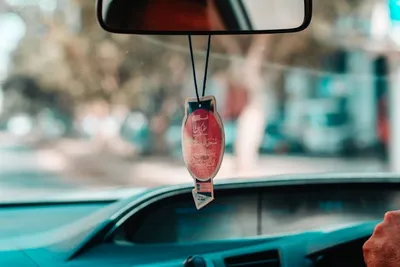
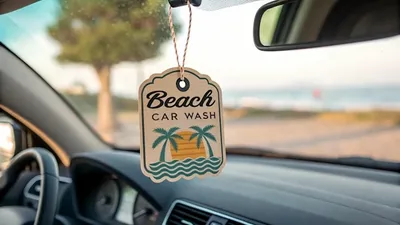
For business branding, a removable vinyl decal or professionally made panel sign is usually cleaner. For the interior, you could have things like custom car coasters and air fresheners for cohesive branding.
If you are wondering how to get a magnet to stick to aluminum, the real fix is adding a magnetic steel layer or choosing a non-magnetic sign.
Is It Bad To Put Magnets On A Car?
It is not bad to put magnets on your car when the paint is sound, the panel is steel, and the magnet is used correctly. The magnet itself should not damage healthy factory paint.
Problems usually come from dirt, moisture, heat, or leaving the sign in one place for too long. Grit trapped underneath can scratch the clear coat if the magnet moves. Water trapped for days can cause marks, especially on weak paint.
Best practice is to remove magnets regularly, clean both sides, and dry the panel before reapplying. Do not use magnets over rust, peeling paint, fresh repairs, or bubbling clear coat. Modern aluminum alloys are very resilient, but it’s important to take care.
Where Should You Not Put Magnets On A Car?
Do not place magnets on bumpers, plastic trim, aluminum panels, deep curves, door seams, fuel doors, or any area where the edge cannot sit flat. Avoid sensors, cameras, antennas, and areas near driver assistance equipment.
A small sign is unlikely to ruin electronics, but blocking a sensor or camera can create safety issues. To avoid damage, do not place magnets over:
- Rust
- Scratches
- Dents
- Fresh paint
- Old body filler
Also avoid lower panels that catch road dirt and water. If an edge lifts, wind can get under it and pull the magnet away. Whether for a custom photo magnet or something more brand-focused, the best spot is a flat, clean steel door panel with clear space around it.

Get a bespoke look with custom die cut magnets
Use our service to create custom shaped magnets and enjoy a personalized look and reliable attachment to most car exteriors.
Magnetic Properties Of Common Car Body Materials
Steel is the main vehicle material that works well with car magnets because it contains iron and is ferromagnetic. It is important to understand the magnetic properties of other car body materials, however:
- Aluminum is light and common on hoods, doors, and truck bodies, but standard magnets will not stick to it.
- Fiberglass is used on some specialty vehicles and will not hold a magnet.
- Plastic is common on bumpers, mirror covers, and trim, and it is not magnetic.
- Carbon fiber is strong and light, but also not compatible with normal car magnets.
Many vehicles combine these materials, joined using rivets and adhesives rather than welding. This means compatibility can change from panel to panel. A panel may look like metal and still fail the magnet test - that is why testing matters.
Frequently Asked Questions About Do Magnets Stick To Cars
Do Magnets Stick To All Cars?
No, magnets do not stick to all cars. They stick to steel panels, but not to aluminum, plastic, fiberglass, carbon fiber, or heavily filled bodywork.
Why Don’t Magnets Stick To Some Cars?
Some cars use non-magnetic materials to reduce weight, resist corrosion, or improve performance. If the panel is not ferromagnetic, a standard car magnet will not grip it.