How To Wash A Scarf? Wool Tips, Hand Vs Machine Washing, And Drying Tips
Learning how to wash a scarf properly is something most people don’t think about until they accidentally shrink one or dull its texture. We’ve seen beautiful scarves lose their shape simply because their owner assumed all fabrics behave the same in water.
In this guide, we look at hand and machine washing scarves, the different considerations for various scarf materials, and tips to keep your scarves looking polished and fresh. It only takes some basic knowledge to keep them looking their best.


Key Takeaways
- Proper washing starts with gentle products, mindful handling, and fabric-specific steps.
- Machine washing is only safe for certain scarf materials, and preparation is essential.
- Drying methods affect shape, softness, and long-term durability.
- We supply high-quality custom scarves in various styles that are versatile, durable, and easy to wash.
Table of contents
-
How To Wash A Scarf
-
What Are The Best Tips For Cleaning Scarves?
-
Can You Wash Scarves In The Washing Machine Safely?
-
How Do You Hand Wash A Scarf The Right Way?
-
Can You Wash A Silk Scarf Without Damaging It?
-
Can You Hand Wash Wool Or Cashmere That Says Dry-Clean Only?
-
How Do You Wash Winter Coats, Gloves, Hats, And Scarves Together Safely?
-
What Is The Best Way To Dry A Scarf After Washing?
-
How Do You Freshen, Deodorize, Or Fluff A Scarf?
-
How Should You Wash Polyester Or Cotton Scarves?
-
Should You Iron A Scarf After Washing?
-
What Supplies Do You Need To Wash A Scarf Properly?
How To Wash A Scarf
When explaining how to wash a custom square scarf, or any other type, we always begin with a simple sequence: inspect, pretreat, wash, rinse, dry. Let’s go over it in a little more detail.

Step 1: Prep
Start by checking the label, then pretreat any visible spots with mild detergent, making sure you work within the direction on the care label.
Step 2: Wash
Remember that some fabrics benefit from a short soak, while others - like wool blends, for instance - do better with quick, gentle movement instead of prolonged soaking. When washing scarves in 2026, use a detergent designed for delicate fibers as harsh formulas can flatten texture or dull color.
Step 3: Rinse
After washing, rinse with cool water until it runs clear and avoid wringing, which distorts the weave.
Step 4: Dry
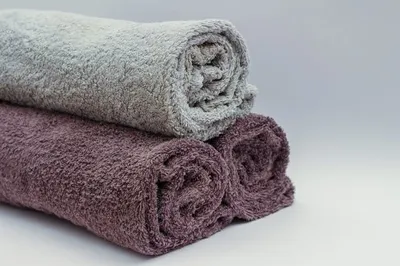
The final step is to lay the scarf flat on a towel, reshape it carefully, and let it dry naturally. This thoughtful, step-by-step approach prevents common mistakes and preserves each fabric’s character.
Here’s a mini checklist:
|
Stage |
Action |
Purpose |
|
Before Washing |
Check the care label |
Ensures you follow fabric-specific instructions and avoid damage. |
|
Remove accessories (pins, brooches, clips) |
Prevents snagging or tearing during washing. |
|
|
Secure or straighten fringe/tassels |
Reduces tangling and felting risk, especially in machine washing. |
|
|
Perform a spot-test on an inconspicuous area |
Confirms detergent will not fade or damage fibers. |
|
|
Choose the correct detergent (mild, pH-neutral, wool-safe) |
Protects delicate fibers like silk, wool, cashmere. |
|
|
Sort by fabric type (delicates separate from heavy items) |
Prevents compression and abrasion in the wash. |
|
|
Place scarf in a mesh bag (if machine washing) |
Adds a protective barrier from agitation and zippers. |
|
|
After Washing |
Handle scarf gently and avoid wringing |
Preserves weave structure, especially for wool and silk. |
|
Lay flat on a towel to dry |
Prevents stretching, protects shape and drape. |
|
|
Reshape the scarf while damp |
Restores original dimensions before fibers set. |
|
|
Keep away from sunlight and heat sources |
Prevents fading and fiber weakening. |
|
|
Allow scarf to dry completely before storing |
Avoids mildew, odors, and fiber damage. |
|
|
Store in breathable space (folded or loosely rolled) |
Maintains softness and prevents moisture buildup. |
What Are The Best Tips For Cleaning Scarves?
Offering practical tips on how to clean scarves usually means repeating a few fundamentals, simply because they work. Always start with a spot-test in an inconspicuous area, especially when dealing with silk or hand-dyed wool.
Let’s look at some more tips:
- Avoid hot water at all costs - consistent lukewarm or cool water is far safer for most materials.
- After washing, store the scarf only once it’s fully dry to prevent lingering moisture from causing odors.
- We also like to use mild finishing sprays designed for delicate fabrics, as they refresh fibers without leaving residue.
- Keeping scarves in breathable storage, such as cotton bags or open shelving, helps maintain softness.
Scarves are top types of promotional products with logos as well as treasured personal comfort items. These small habits build a reliable routine that keeps your collection looking refined and lasting considerably longer.
Can You Wash Scarves In The Washing Machine Safely?
People often ask whether you can wash scarves in the washing machine safely, and the answer depends entirely on the fabric. Research shows that comfort influences fiber selection for scarves, but let’s consider how fabric choice affects washing:
- Cotton and polyester usually tolerate machine washing well, provided you use a mesh garment bag and choose a delicate cycle with minimal agitation.
- Wool, cashmere, loosely woven knits, and fringed scarves should never be tossed in unprotected as the spinning action can cause stretching, tangling, or felting.
Select cold water and a low-spin setting to minimize stress on the fibers. Even sturdy scarves last longer with a measured approach. When in doubt, hand wash - it's slower, yes, but you avoid irreversible damage.
Machine washing is convenient, but only if you treat the scarf with the same care as any luxury garment.
What Happens If A Knit Fabric Is Washed In A Machine?
When a knit fabric is washed in a machine, the risks increase dramatically, especially for scarves with open stitches or natural fibers. The constant agitation pulls at the loops, causing issues like:
- Stretching
- Pilling
- Distortion
In some cases, such as with wool, the fibers tighten and felt together, shrinking the scarf into a completely different shape. We’ve seen more than one beautiful knitted piece turned into a stiff, miniature version of its original form just because someone assumed a gentle cycle would be enough.
While the machine may work for sturdier cotton knits, even those reward a gentler hand-wash routine. The safest method, particularly for anything textured or handmade, is to avoid the washing machine entirely and rely on controlled, lightweight handling.
Looking for a customized shawl?
Our custom shawls are easy to create and supplied with full care instructions to wash and dry them safely.
How Do You Hand Wash A Scarf The Right Way?
Handwashing remains the gold standard for delicate fabrics, including customized digital printing ties. It’s especially important when learning how to wash a scarf made from materials like:
- Wool
- Cashmere
- Silk
Fill a basin with cool water and add a small amount of mild detergent formulated for delicate fibers. Submerge the scarf and gently swish it. Avoid twisting or pressing hard, as this can stretch the weave.
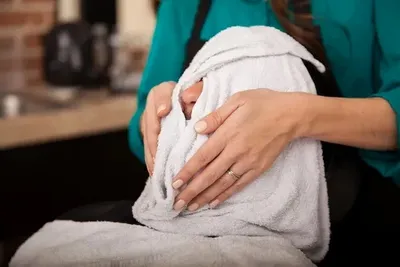
Let it soak for a few minutes if the fabric allows, then rinse with clean cool water until all suds disappear. Carefully lift the scarf, supporting its full length so the weight doesn’t distort it. Lay the piece flat between two towels to remove excess moisture, then reshape it while drying.
This approach preserves softness, drape, and color remarkably well. When you order custom shawls and other scarf types from our service, we provide full care instructions to preserve the polished appearance. They are durable and built to last.

Can You Wash A Silk Scarf Without Damaging It?
You can wash a silk scarf, but it demands slow, deliberate care. Silk is a protein-based fiber, so it reacts poorly to high heat, harsh detergents, and rough handling. Let’s look at a carefully process for washing it:
- Begin by using cool water and a pH-neutral detergent specifically made for silk or wool.
- Avoid soaking for too long, as prolonged contact with water can dull the sheen.
- After washing, rinse gently and press excess water out between soft towels—never wring silk.
- Direct sunlight is surprisingly damaging, so always dry silk scarves in the shade.
With careful treatment, silk keeps its elegant drape and vivid color far longer than most expect. It’s a delicate process, but studies show that proper laundering and maintenance of silk fabrics requires careful adherence to guidance on care labels.
Can You Hand Wash Wool Or Cashmere That Says Dry-Clean Only?
This is a question many people hesitate to ask, but some wool and cashmere scarves labeled “dry-clean only” may be hand washed safely. The key is understanding felting risk. Wool fibers latch together when exposed to heat, agitation, or sudden temperature changes.
To avoid this, try the following tips:
- Use cool water and maintain a consistent temperature throughout the wash and rinse.
- Choose a gentle detergent suitable for wool and keep movements minimal.
Cashmere especially benefits from slow, careful handling. After washing, support the full weight of the scarf to prevent stretching and lay it flat to dry.
While dry cleaning is convenient, a well-executed hand wash often keeps the fibers softer and more vibrant, provided you respect the material’s sensitivity. In any case, good care is a crucial part of how to use custom printed promotional items effectively.
Design your own custom square scarf
Create custom square scarves with us and enjoy diverse options to personalize and durable products with minimal maintenance needs.
Learn moreHow Do You Wash Winter Coats, Gloves, Hats, And Scarves Together Safely?
Washing winter pieces together can be practical, but only if you approach it methodically. Group lightweight accessories like scarves, hats, and gloves separately from heavy coats to avoid friction and compression.
If you must combine items, place delicate scarves in mesh bags to shield them from zippers and hardware. Use a mild detergent and avoid overloading the machine, as crowded loads increase snag risks.
Choose a gentle, cold cycle and remove accessories promptly after washing to maintain their shape. This approach keeps scarves protected, even when part of a larger wash day routine. Experts say wool fabric maintenance requires careful control of washing chemistry, so pay attention to every detail.
A little planning prevents unnecessary wear and helps your winter wardrobe remain cohesive, soft, and comfortable through the cold months.
What Is The Best Way To Dry A Scarf After Washing?
After washing scarves, drying them correctly is just as important as the wash itself. Different fabrics need different degrees of caution. Let’s look at some specific options:
- Wool, cashmere, and knitted scarves should always be dried flat on a clean towel, with the scarf reshaped while damp. This prevents stretching and preserves the intended drape.
- Cotton and polyester scarves can handle hanging, but keep them away from direct sunlight to prevent fading.
High heat from radiators, dryers, or heaters can distort fibers or create stiffness, especially in delicate weaves. A patient air-drying process ensures the scarf stays soft and balanced. Remember that research has found that certain silks dyed with natural dyes show strong color fastness, so handle them carefully when wet.
Taking a few extra minutes to position the scarf properly makes a remarkable difference in how fresh and well-kept it looks afterward.
How Do You Freshen, Deodorize, Or Fluff A Scarf?
Freshening a scarf doesn’t always require a full wash. A light fabric spray designed for delicates can neutralize odors without overwhelming the fibers. For wool or cashmere, a gentle brushing with a soft garment brush restores loft and removes surface dust.
Steaming is another effective method that:
- Relaxes wrinkles
- Lifts minor odors
- Refreshes the drape without direct contact
Avoid heavy perfumes as they often cling unevenly to natural fibers. A quick airing outside on a mild day works surprisingly well, too. These small steps keep scarves feeling clean and revived between deeper washes, especially during high-use seasons.
Done regularly, they maintain softness and comfort while preserving the integrity of the fabric.
Enjoy a customized hair scarf for any need
We can create custom hair scarves that sport your original designs and are easy to wash and maintain.
How Should You Wash Polyester Or Cotton Scarves?
Polyester and cotton scarves are generally more forgiving, making them a good choice for anyone nervous about washing delicate fabrics.
- Polyester, being highly durable, can usually be machine washed on a gentle cycle with cool water. It resists shrinking, though avoiding high heat is still wise to preserve texture.
- Cotton offers a soft, breathable feel but is more prone to shrinkage, so wash cotton scarves in cold water and dry them flat if you want to maintain their original size.
- Research shows that linen fabrics benefit from controlled temperature, mechanical action, and water use, so they are similar to polyester and cotton
Mild detergents work well for both. These fabrics respond well to simple care routines, making them practical everyday choices for anyone who values convenience without sacrificing comfort.
Should You Iron A Scarf After Washing?
Ironing a scarf can help restore smoothness, but technique and heat control matter enormously. Silk and wool should rarely be ironed directly. Instead, use a low-heat setting with a pressing cloth placed between the iron and fabric. This prevents scorching and protects delicate fibers.
Cotton and polyester tolerate a bit more heat, though gentle handling still delivers the best results. A good alternative is steaming, which softens wrinkles without flattening natural texture. We’ve always found steaming safer for preserving drape, especially with lightweight scarves.
If you choose to iron, work slowly, avoid pressing fringe, and always check fabric care labels beforehand. Scarves are among the most popular types of promotional products for business. Proper finishing gives a scarf a clean, refined look without unintentional damage.

What Supplies Do You Need To Wash A Scarf Properly?
A well-prepared washing setup makes caring for scarves far easier. The same goes for washing comfort colors adult heavyweight tank tops and other garments, so let’s look at a simple list:
- A clean basin for hand washing
- A mild detergent suitable for delicate fabrics
- A pair of soft towels for drying
Mesh bags are essential if you plan to machine wash scarves, especially lightweight or loosely woven designs. Fabric brushes help restore texture after drying, while pH-neutral soaps prevent fiber damage.
For silk, wool, and cashmere scarves, avoid harsh cleaners or rough sponges that could snag the material. These simple supplies support a consistent routine that protects your custom hair scarves and other varieties long-term.
Frequently Asked Questions About How To Wash A Scarf
How To Wash A Scarf For Best Care?
Use cool water, mild detergent, and gentle handling. Dry flat to maintain shape and prevent stretching.
Can You Wash Scarves In The Washing Machine?
Yes, but only for sturdy fabrics like cotton or polyester. Use a mesh bag, gentle cycle, and low-spin settings.