Hard Vs Soft Enamel Pins: How to Choose the Right Style
Choosing between hard vs soft enamel pins can feel oddly tricky. Both are strong custom pin styles, but the surface feels different, the colors sit differently, and the overall impression differs. In this guide, we explore hard and soft enamel pins to help you choose what suits your needs.

Key Takeaways
- Hard enamel pins feel smooth and polished, while soft enamel pins have raised metal lines and recessed color areas.
- Soft enamel is often better for bold, affordable custom pins. Hard enamel is better when the pin needs a premium, gift-ready feel.
- The best choice depends on artwork detail, budget, quantity, brand image, and how the pin will be worn or handled.
- We supply high-quality custom enamel pins and many other varieties so you can choose the right design for your needs at a great price.
Hard Vs Soft Enamel Pins Explained For First Time Buyers
Hard vs soft enamel pins comes down to surface, finish, and feel. Hard enamel is filled and polished until the color and metal sit level, while soft enamel has raised metal lines with color sitting slightly lower between them.
Both are proper enamel pin options - neither is a cheap substitute for the other. The difference shows up when someone holds the pin:
- Hard enamel feels smooth and refined.
- Soft enamel feels textured and more dimensional.
Buyers usually compare them on cost, durability, detail, and brand feel. If this is your first order, think less about the name and more about the purpose of the pin. Is it for resale, staff gifts, event handout, or daily wear? That’s what makes the difference.
What Is The Difference Between Soft And Hard Enamel Pins?
The main difference between soft and hard enamel pins is the surface level. On a hard enamel pin, the enamel is polished flat with the metal, so the front feels smooth. On a soft enamel pin, the enamel sits lower than the metal lines, so the front has texture.
The words “soft” and “hard” can confuse people:
- Soft enamel pins are not bendy, weak, or rubbery.
- Hard enamel pins are not hard in a way that makes soft enamel fragile.
These are common misconceptions that should not play any role in your decision.
It is really about how the enamel is finished. “Better” depends on what you need: a polished brand piece, a colorful giveaway, or a bold collectible design.
| Feature | Hard Enamel | Soft Enamel |
|---|---|---|
| Surface | Smooth and flush | Texture with recessed color |
| Best For | Premium logos, corporate gifts, retail pins | Event pins, merch, mascots, bod artwork |
| Typical Cost | Higher | Lower |
| Fine Detail | Good for clean and simple detail | Strong for outlined artwork |
| Wear Resistance | Usually better against surface scuffs | Durable, but recessed color can wear more with rough handling |
What Is A Hard Enamel Pin?
A hard enamel pin is a custom pin made by filling the recessed areas with enamel, then polishing the surface until it becomes even. When you run your finger across the front, it feels smooth.
That flat surface is why hard enamel pins often feel more like jewelry than casual badges. It taps into the role of enamel in modern accessories. They are popular for things like:
- Premium branding
- Retail collections
- Corporate recognition
- Membership pins
- Elegant designs
A hard enamel pin usually gives a clean and long-lasting impression, especially when paired with gold, silver, black nickel, or antique plating. We like them for designs that need to look serious without looking dull. They cost more, but the finish often justifies it.
What Is A Soft Enamel Pin?
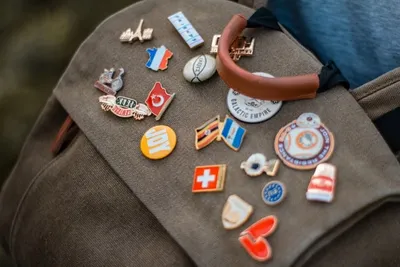
A soft enamel pin has raised metal borders and recessed enamel color. That means you can feel the metal lines when you touch the front. This gives soft enamel its strong texture and depth.
It is a favorite for things like:
- Artist merch
- School pins
- Club pins
- Awareness campaigns
- Event giveaways
- Creative brand designs
The colors can look bold because the metal lines separate each area clearly. A soft enamel pin is still durable when made well. It just does not have the polished flat surface of hard enamel.
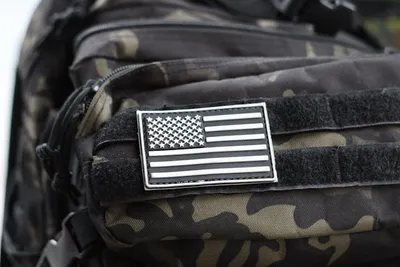
If your design has character, outlines, mascot shapes, or bright contrast, soft enamel can give it a lively, handmade-feeling edge. These types of accessories are versatile - many explore how to put a patch on a backpack, and this is a common destination for pins too.
Interested in something a little more traditional?
A custom die struck pin is a more formal alternative to enamel pins, suitable for suit and tie events where you want to exude sophistication.
Are Soft Or Hard Enamel Pins Better?
Neither is automatically better. That answer may be less exciting, but it is true. Hard enamel is better when you want a smooth, polished, premium look. Soft enamel is better when you want texture, strong color contrast, and a more affordable price for larger runs.
Think about the audience:
- A luxury brand may prefer hard enamel because it feels more refined.
- A band, charity, school, or creative seller may prefer soft enamel because it feels expressive and costs less.
Also think about handling. If people will wear the pin often, hard enamel may resist surface wear better. If the goal is bold impact, soft enamel works very well. It is important to ensure you work with a partner who doesn’t leave irreversible defects in the enamel after curing.
Are Hard Enamel Pins Cheaper Than Soft Enamel Pins?
Hard enamel pins are usually not cheaper than soft enamel pins. Soft enamel is typically more cost-effective because it needs fewer finishing steps. Hard enamel requires extra filling, curing, and polishing to make the front smooth.
That added work often raises the price. Still, the final cost depends on more than enamel type. Other things that matter include:
- Size
- Quantity
- Plating
- Number of colors
- Backing
- Packaging
- Special effects
A simple hard enamel pin may cost less than a large soft enamel pin with glitter, cutouts, and custom backing cards. Paying more for hard enamel is worth it when the pin needs to feel gift-ready, retail-ready, or tied to a premium brand image - this is important for how to use custom promotional items effectively.
What Is Hard Enamel Lettering?
Hard enamel lettering uses metal lines to shape letters, with enamel color filled around or inside those forms. Because hard enamel is polished flat, names, slogans, and logos can look crisp when the lettering is large enough.
Tiny letters are where problems start. If the strokes are too thin, they may fill poorly or lose clarity after polishing. For best results, use:
- Short words
- Clean fonts
- Generous spacing
This will help minimize errors during high-temperature firing, ensuring the glassy appearance looks its best.
Block letters usually work better than delicate scripts. If very small text is required, ask about printed detail on top of the enamel or a printed pin instead. We have seen this save many logo designs from becoming unreadable.
What Are Hard Enamel Pins Best For?
Hard enamel pins are best for projects where polish matters. They suit high-end retail products, corporate gifts, recognition awards, staff pins, luxury brand merch, and long-term keepsakes. Their smooth finish gives the design a more complete look, which can raise perceived value.
That makes a big difference when the pin will be sold, gifted, or worn as part of a professional outfit. Hard enamel lapel pins also work well for simple logos because the polished surface keeps the design clean.
Work with us to create custom hard enamel pins if you want a premium product that feels gift-ready, retail-ready, and aligned with a careful brand image. We offer diverse customization options, premium manufacturing, and competitive pricing with bulk discounts available.
What Is Soft Enamel Lettering?
Soft enamel lettering depends on raised metal borders and recessed color areas. Bold letters can stand out nicely because the metal outline gives the text shape and contrast. The style works well for names, short slogans, club initials, mascots, and simple logo marks.
Fine lettering needs more care. If the words are too small, the metal lines can crowd the enamel and make the pin hard to read. You can use:
- Stamped metal lettering for a classic look.
- Enamel-filled lettering for color.
- Printed lettering for tiny details.
We usually suggest printing text at actual pin size before production. If you cannot read it on paper, it will not improve on metal. Also think about matching the design with other accessories like custom soft enamel cufflinks or button pins to ensure a cohesive look.
What Are Soft Enamel Pins Best For?
Soft enamel pins are best for colorful, expressive, and budget-conscious custom designs. They are popular for event handouts, school clubs, artist merch, fan products, charity campaigns, and small business giveaways.
The raised metal lines help separate colors, which makes illustrations and mascots easy to read. Soft enamel can also support many plating styles and fun effects, such as:
- Glitter
- Glow enamel
- Transparent color
That gives buyers room to create something playful without making the pin too costly. Start with soft enamel pins when you want attractive custom pins at a friendly price point for teams, campaigns, stores, or giveaways. They are practical, but they still have personality.
You can work with us to create these or explore creative alternatives like custom offset printing pins and many different varieties. We offer versatility, consistent quality, and competitive pricing on every product.
Choose a vibrant alternative to enamel
Custom PVC pins offer a similar aesthetic to hard or soft enamel ones with a slightly different and more durable design.
Learn moreWhat Does A Hard Enamel Pin Look Like?
A hard enamel pin looks smooth, flat, glossy, and polished. The color areas and metal lines sit at the same level, so the surface catches light in a cleaner way. This is why hard enamel often looks more like jewelry or a premium accessory.
The design may feel slightly more formal than soft enamel, especially with gold, silver, or black nickel plating. Compared with soft enamel, it has less visible depth because the recessed areas are polished flush. Those raised metal partitions on soft enamel can help with separating fine details, but they aren’t present in hard enamel.
That is not a weakness - it is the look. If you want a pin that feels refined on a blazer, gift box, uniform, or retail card, hard enamel is a strong choice.
How Long Do Enamel Pins Last?
Good enamel pins can last for years when made well and treated with care. Hard enamel is usually more scratch-resistant because the surface is polished flat and the color is less exposed.
This is a big part of what makes them popular types of promotional products for business. Soft enamel is sturdy too, but its recessed color areas can collect more wear if the pin rubs against keys, bags, or rough fabric. Lifespan also depends on factors like:
- Plating quality
- Backing strength
- Storage
- How often the pin is worn
Keep pins dry, avoid throwing them loose into bags, and store collector pins on cards or boards. Both soft enamel and hard enamel pins can be long-term pieces when matched to the right use. Alternatively, explore custom embroidered patches if you want a different, long-lasting clothing accessory.
Explore alternatives to enamel
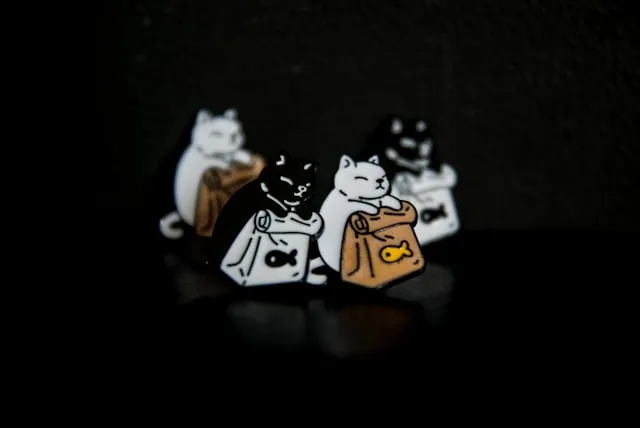
A custom 3D pin offers the texture of a soft enamel one with a more deliberate design, combining durability with an elegant look.
Does Hard Enamel Take Longer To Make Than Soft Enamel?
Hard enamel can take longer to make than soft enamel because of the extra finishing work. The color is filled, cured, and polished until the surface becomes smooth. That process takes more time than leaving the enamel recessed, as soft enamel does.
Still, production time is not only about hot enamel techniques and everything involved with that specific process. Other things that can affect the timeline include:
- Artwork approval
- Mold creation
- Plating
- Quantity
- Packaging
- Quality checks
- Shipping
A simple hard enamel order may move faster than a complex soft enamel order with add-ons. If you have an event date, build in extra time. Rushing custom pins is where small mistakes become expensive.
Frequently Asked Questions About Hard Vs Soft Enamel Pins
What Is The Main Difference Between Hard And Soft Enamel Pins?
Hard enamel pins have a smooth, polished surface. Soft enamel pins have raised metal lines with recessed color areas, giving them a more textured feel.
Are Soft Or Hard Enamel Pins Better?
Hard enamel is better for a premium, polished look. Soft enamel is better for colorful, affordable designs, especially for events, merch, and bulk orders.