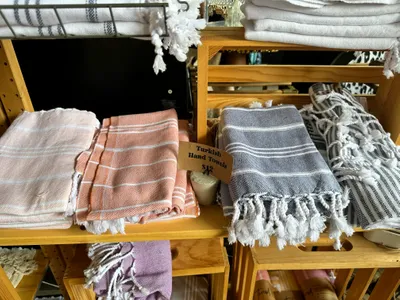
Different Fringes For Scarves: How To Choose, Style, And Create Stunning Edges
Choosing the right fringe can elevate a scarf from something practical to something genuinely expressive. Over the years, we’ve watched how a carefully chosen edge can shift the entire personality of a piece, whether working with a lightweight spring wrap or a dense winter kit.
In this guide, we look at different fringes for scarves and help you understand both traditional and modern styles. Knitting and crochet trends continue to expand the range of available options, so let’s take a deep dive.

Key Takeaways
- Fringes vary widely in structure, material, and purpose, shaping both style and drape.
- Choosing the right fringe depends on scarf weight, fabric type, and intended use.
- Creative fringe variations allow crafters to personalize even simple scarf designs.
- We supply high-quality custom scarves which, though they lack fringes, can be produced with your own personalized design for a tailored look.
Table of contents
-
Different Fringes For Scarves
-
What Fringes For Scarves Can Be Categorized By Their Design?
-
What Are The Best Scarf Fringe Ideas For Inspiration?
-
What Different Fringes Work Best For Knitted Or Crocheted Scarves?
-
How To Choose A Fringe Style?
-
How To Make A Fringe For A Knitted Scarf?
-
How Long Should Scarf Fringe Be?
-
How To Cut Fringe For Beginners?
-
How To Make A Fringe Out Of Yarn?
Different Fringes For Scarves
There are countless different fringes for scarves, each shaped by the fabric, technique, and visual style you prefer. Some variations come from weaving traditions, while others evolved through knitting and crochet communities.
When people explore scarf fringe ideas in 2026, they often start with simple styles like tassels or straight-cut strands. But decorative options can bring a more tailored look, with popular fringe options including:
- Knotted
- Twisted
These categories help you understand how a fringe will behave once added to a finished piece. Some add weight, encouraging the scarf to drape more firmly across the shoulders, while others create a lighter, more playful movement.
Before choosing a style, it helps to study how the strands hang when gently pulled since thicker yarns may cause bulk at the edges. Understanding these nuances ensures the fringe complements rather than competes with the main design of your custom hair scarf or other variety.
Tassel Fringe
Tassel fringe remains one of the most recognizable finishing choices, partly because it works well with both knitted and crocheted scarves. When we create tassels, we usually match the yarn type exactly, since even slight fiber differences can make the edges look mismatched.
Each tassel is formed through the following process:
- Group several strands together
- Tie them securely
- Trim them to an even length
This style adds noticeable movement, which makes it especially appealing on lightweight wraps that need a bit of flair. Tassel lengths can vary dramatically; short tassels feel understated, while longer ones add drama.
This type of fringe fits well on scarves meant for casual wear, though I’ve also seen it used successfully on more refined pieces when the strands are cut thinner. It’s reliable, adaptable, and easy for beginners to master - just make sure it is appropriate for the way you plan to use custom printed promotional items.
Knotted Fringe
Knotted fringe offers a tidy, structured edge that suits scarves requiring a subtle but intentional finish. Unlike free-hanging strands, knotted designs create small sections of texture along the hem, almost functioning like an extension of the stitch pattern.
When choosing this option, we tend to experiment with knot spacing:
- Tight clusters create a more decorative effect
- Wider spacing appears cleaner
This type of fringe works well for medium-weight yarns because the knots anchor the strands securely without creating bulk.
Many people enjoy using different fringes for scarf knitting projects, incorporating square knots or lark’s-head styles for variation. The overall benefit is durability, as the knots reduce fraying and help the fringe maintain shape over time, even with frequent wear.
Experts will tell you that scarves are uniquely versatile accessories. The knotted fringe is a smart choice for scarves intended for everyday use.
Twisted Fringe
Twisted fringe creates a polished, rope-like effect that looks sophisticated without requiring advanced skills. To make it, each pair of strands is twisted individually and then secured by twisting them together in the opposite direction.
This technique adds weight at the edges, which can improve drape on loosely stitched scarves. We often use twisted fringe on long, elegant wraps because the structure gives them a refined, intentional look. It’s also particularly effective with smooth fibers since the twist highlights sheen and texture.
With that being said, it does require patience, since uneven twisting can cause spirals to loosen over time. When done well, twisted fringe combines decorative appeal with durability, making it suitable for scarves worn at formal events or paired with dress coats.
Research shows that fringe was once once seen as a good way to re-use material scraps, as well as a decorative step. Twisting is one of the more versatile fringe methods available.
|
Fringe Type |
Best For (Purpose) |
Best Materials |
Skill Level |
Weight/Drape Effect |
|
Tassel Fringe |
Casual scarves, lightweight wraps, adding movement |
Matches scarf yarn exactly (wool, acrylic, cotton) |
Beginner |
Adds light movement; minimal weight |
|
Knotted Fringe |
Everyday scarves, medium-weight knits, durability |
Wool, cotton, acrylic; anything that knots cleanly |
Beginner–Intermediate |
Slight weight increase; structured |
|
Twisted Fringe |
Elegant wraps, formal scarves, drapey designs |
Smooth yarns (silk blends, acrylic, rayon) |
Intermediate |
Adds moderate weight; improves drape |
|
Straight-Cut Fringe |
Woven scarves, modern/minimal designs |
Woven wool, cotton, cashmere, rayon |
Beginner |
Very light; maintains original fabric drape |
|
Looped Fringe |
Decorative or playful scarves; crochet edges |
Soft acrylic, cotton, bamboo |
Intermediate |
Light; springy, bouncy effect |
|
Beaded Fringe |
Evening wraps, special-occasion scarves |
Lightweight yarn + plastic/wood beads; avoid heavy glass beads |
Intermediate |
Adds weight for controlled movement |
What Fringes For Scarves Can Be Categorized By Their Design?
Fringes can be grouped by construction style, visual effect, or the level of complexity required. This kind of categorization helps crafters understand which options pair best with various scarf types.
Simple categories include:
- Straight-cut
- Knotted
- Looped
- Twisted
- Decorative fringes featuring beads or layered textures
There is evidence that fringe first arose from weaving, aimed at preventing unraveling, before it became a decorative feature. When working with thicker knits, we often recommend sturdier fringe structures, such as knotted or twisted designs, because they provide enough weight to match dense fiber patterns.
Lightweight woven scarves, on the other hand, tolerate more delicate fringes without dragging the edges downward. For crocheters, different fringes for scarf knitting patterns may need slight adjustments in spacing to compensate for stitch gaps.
Keeping the overall design style in mind ensures a cohesive final look, whether the scarf leans modern, bohemian, or traditional.

Want a simple scarf with a personalized design?
With our custom square scarves, you get a hassle-free solution to personalize a scarf with any design you want.
What Are The Best Scarf Fringe Ideas For Inspiration?
Creative scarf fringe ideas range from classic to highly artistic, and experimenting with them can refresh even simple scarf patterns. Some crafters incorporate mixed-fiber fringe, combining wool with metallic strands for subtle shine.
Let’s look at a few other inspiring ideas:
- Some layer fringe in multiple rows, producing a tiered effect that adds volume and personality.
- We’ve also seen beautifully executed beaded fringes on evening wraps, where each bead provides a small weight for elegant movement.
- Those who prefer understated accents can soften the look by thinning out fringe sections or alternating strand lengths for a more relaxed finish.
Whatever direction you choose, the key is balancing creativity with practicality. If the scarf will be used daily, durability matters just as much as appearance. For more refined scarf options, customers can find beautiful custom square scarves and other varieties through our online store.
What Different Fringes Work Best For Knitted Or Crocheted Scarves?
Knitted and crocheted fabrics each interact differently with fringe, so choosing the right style requires some attention to structure. Knitted scarves stretch more easily, meaning heavy fringe can pull the ends downward if not proportioned correctly.
For these, we often suggest lightweight tassels or minimal knotted fringe. Crocheted scarves, however, tend to have sturdier edges, making them better suited to twisted or decorative fringes.
When figuring how to choose the right custom merchandise for business, yarn weight plays a significant role here:
- Bulky yarn demands a more substantial fringe to look balanced.
- Fine yarn pairs well with delicate strands that don’t overwhelm the fabric.
By understanding these relationships, crafters can select fringe variations that enhance the scarf rather than distort it. A thoughtful choice ensures the edge blends naturally with the overall pattern.
How To Choose A Fringe Style?
Selecting the right fringe style involves studying the scarf’s thickness, material, and intended use. A heavy wool scarf benefits from a fringe with enough weight to stay proportional, such as a twisted or full tassel design.
Lightweight scarves may require something simpler to avoid drooping at the edges. When matching colors, we usually follow the main yarn shade for consistency, though contrasting fringe can create a striking effect if paired carefully.
The length also matters:
- Long fringes evoke a bohemian feel.
- Shorter lengths appear neater and more controlled.
Mood plays a surprisingly large role here as some styles feel rustic and relaxed, while others appear refined. The same rules apply for fringes on custom fabric aprons and other textiles. By considering these details, you can choose a fringe that feels cohesive with your personal style and the scarf’s overall design.
Create a shawl with your own personalized design
Work with us to create a custom shawl with any design you want and no DIY effort.
Learn moreHow To Make A Fringe For A Knitted Scarf?
Creating a fringe for a knitted scarf is straightforward once you prepare your materials. Here’s how it’s done:
- Start by cutting equal-length yarn strands, ideally using a cardboard template or ruler to keep them consistent.
- Gather a small group of strands, fold them in half, and pull the looped end through the scarf’s edge using a crochet hook.
- Then, draw the loose ends through the loop to secure the fringe tightly.
Beginners often forget to check spacing, but even distribution ensures the finished edge looks professional. We also recommend trimming only after all fringe sections are attached, since minor shifts can occur during installation.
Common mistakes include pulling too tightly, which can distort the fabric, or mixing strand lengths unintentionally. Remember that studies show some ancient societies perceived fringed garments to signify high social status, so they can communicate sophistication.
With patience and precise measurements, the final result will look clean and intentional.
How Long Should Scarf Fringe Be?
Fringe length can dramatically influence both style and practicality. Standard fringe lengths fall between three and six inches, but longer options up to eight inches create a more dramatic effect.
When determining the best length, consider the scarf’s purpose:
- Casual daytime scarves often look better with modest fringe
- Statement pieces tolerate longer strands
We typically test a few lengths by holding sample strands at the scarf’s edge and seeing how they move. Weight plays a significant role. A long fringe made from dense yarn can feel heavy, pulling the scarf downward. Light, airy yarns create softer movement.
Measuring carefully before cutting ensures uniformity, which is essential for a polished final look. Personal preference always has the final say, but understanding proportionality helps to choose the best promotional products for business.
Looking to create your own unique hair scarf?
We can bring your ideas to life in custom hair scarfs that are affordable, vibrant, and high-quality.
How To Cut Fringe For Beginners?
Cutting fringe requires accuracy, especially for beginners who want clean, even edges. I always suggest starting with a firm, flat surface and measuring tools like a cutting mat or ruler. Let’s look at a few other tips:
- Sharp scissors or a rotary cutter make a noticeable difference, as dull tools cause frayed or uneven edges.
- A practical technique involves wrapping yarn around a book or cardboard template, then cutting across one side to produce identical strands.
- When aligning pieces, grouping them by thickness prevents the scarf from looking uneven once they are attached.
- Another helpful tip is checking the strands against each other before installing them. Slight length differences become very obvious after attachment.
With these basic methods, even novices can achieve professional-looking fringes without frustration. A scarf can exude as much sophistication as a custom patterned tie with embroidery logo if designed and executed well.
How To Make A Fringe Out Of Yarn?
Yarn-based fringe offers endless opportunities for variation, whether you prefer classic or experimental designs. Start by choosing yarn that matches your scarf in texture and weight, since mismatched fibers can create unwanted stiffness or imbalance
After cutting equal lengths, group the strands according to the density you want. Thicker groups produce fuller, more prominent fringe styles. Attaching the yarn using a simple loop-through knot ensures the strands stay secure over time.
Once installed, you can leave the fringe natural, twist it, knot it, or even combine techniques for a more complex design. Color-blocking with fringe is another option we’ve seen used beautifully, especially on neutral scarves.
Reinforcing each knot by pulling gently ensures long-lasting durability, which is especially important for scarves worn regularly. Or you can work with us to create a custom shawl or other type of scarf with a bespoke design to meet your needs.
Frequently Asked Questions About Different Fringes For Scarves
Are There Different Fringes For Scarves?
Yes. Fringes vary widely by construction, fiber type, and design style, giving crafters several ways to personalize scarf edges. Each type creates a different aesthetic and movement.
How To Choose A Fringe Style?
Match the fringe to the scarf’s weight, fabric, and your preferred look. Consider proportion, durability, and whether the fringe enhances or distracts from the main design.