Can You Put Hot Coffee In A Glass Cup? Safety, Risks, And Best Practices To Follow
Whether you prefer your morning espresso steaming or your tea piping hot, the question often arises: can you put hot coffee in a glass cup? The answer depends entirely on the type of glass and its heat resistance.
In this guide, we explore everything you need to know about pouring hot drinks into glassware safely. Whether you’re an everyday coffee drinker or a cafe owner, learning which glass types can withstand high temperatures will help you enjoy your drinks worry-free.


Key Takeaways
- Not all glass cups are designed for hot beverages. Only heat-resistant glass like borosilicate or tempered glass can safely handle them.
- Sudden temperature changes can cause thermal shock, leading to cracking or shattering.
- Avoid pouring boiling drinks into cold or refrigerated glasses and check manufacturer specifications before pouring hot liquids into glassware.
- We supply high-quality custom coffee mugs in a variety of materials and styles, including borosilicate glass, so create your custom designs with us.
Table of contents
-
Can You Put Hot Coffee In A Glass Cup?
-
Will Hot Coffee Shatter Or Crack A Glass Cup?
-
How To Tell If A Glass Cup Can Handle Hot Drinks?
-
How To Choose The Right Glass Cup For Hot Coffee
-
Can You Pour Hot Coffee Into A Glass With Ice?
-
Can You Put Hot Coffee In A Mason Jar Or Glass Jar?
-
Is It Safe To Drink Hot Coffee Or Tea In A Glass Cup?
-
How Much Heat Can A Glass Cup Withstand Before Damage?
-
How To Use Glass Cups Safely For Hot Coffee
Can You Put Hot Coffee In A Glass Cup?
Many coffee lovers wonder whether you can put hot coffee in a glass cup without it breaking. The answer depends entirely on the type of glass. Standard soda-lime glass, commonly used for regular drinkware, can crack or shatter when exposed to sudden heat.
There are types of glass that are engineered to withstand high temperatures and rapid temperature changes, such as:
- Tempered glass
- Borosilicate glass
These glasses distribute heat evenly and resist thermal shock, making them ideal for hot drinks. If you are asking whether you can put coffee or tea in a glass cup, the safest rule is to only use those that are marked as heat-resistant. Or focus on curved glossy ceramic mugs instead.
Consistent sizing and reinforced composition make borosilicate glass particularly reliable for daily use. So, in summary, you can pour hot coffee or tea into a glass cup - but only if the cup was made to handle heat.

Will Hot Coffee Shatter Or Crack A Glass Cup?
Pouring hot coffee into an unsuitable glass can cause it to crack due to thermal shock - the stress created by sudden temperature changes. Regular glass expands unevenly when one part heats faster than another, often leading to fractures or complete breakage.
Thin-walled glass or glasses placed on cold countertops are especially vulnerable. So the answer to the best glass coffee mugs lies in the material. Borosilicate glass is engineered with:
- Silica
- Boron trioxide
This enhances its ability to endure extreme heat changes without shattering. Similarly, tempered glass undergoes a special heating and cooling process that strengthens its structure.
To prevent accidents, avoid pouring boiling liquids directly into cold or damp glass. Choose borosilicate or tempered designs in 2026 to ensure your glass cup is safe.
|
Glass Type |
Heat Resistance (°C / °F) |
Thermal Shock Resistance |
Durability |
Typical Uses |
Safe for Hot Coffee? |
|
Borosilicate Glass |
Up to 300°C / 572°F |
Excellent — resists sudden changes |
High |
Laboratory glassware, premium mugs, French presses |
Yes |
|
Tempered Glass |
Up to 200°C / 392°F |
Good — resists moderate shock |
Very High |
Oven-safe cookware, café mugs |
Yes |
|
Soda-Lime Glass |
Up to 120°C / 248°F |
Poor — cracks easily with rapid heat change |
Moderate |
Everyday tumblers, mason jars |
No |
|
Crystal / Decorative Glass |
Below 100°C / 212°F |
Very poor — fractures quickly |
Low |
Display glassware, wine glasses |
No |
What Temperature Will Shatter Glass?
Understanding how heat affects glass helps answer whether you can put coffee in a glass cup safely. Most regular glass begins to experience stress when subjected to temperature differences greater than 150-200ºC (300-400ºF).
With this in mind, it is clear that pouring boiling coffee into a chilled cup or placing a hot glass on a cold surface can easily trigger cracks. Borosilicate glass, however, tolerates temperature fluctuations up to 170ºC without damage, so it is ideal for hot drinks.
Factors that further influence heat resistance include:
- Glass thickness
- Composition
- Pre-existing imperfections
Even a tiny scratch can weaken the surface and promote breakage. Similarly, you should aim to protect the surface beneath the cup from heat - custom cork coasters are great for this.
For everyday use, avoid sudden transitions from hot to cold or vice versa. Warm your glass gently before adding steaming beverages. By following these guidelines, you can confidently pour your hot drinks without worrying about shattered glass.
Looking for mugs that are suitable for hot coffee?
Our custom Brewmasters ceramic coffee mugs can be personalized and will easily handle your hot drinks.
How To Tell If A Glass Cup Can Handle Hot Drinks?
Before pouring boiling water or espresso, check if your glass is labeled heat-resistant. Products made of borosilicate or tempered glass usually display this specification. Studies have shown that the atomic structure of borosilicate glass reduces strain under heat.
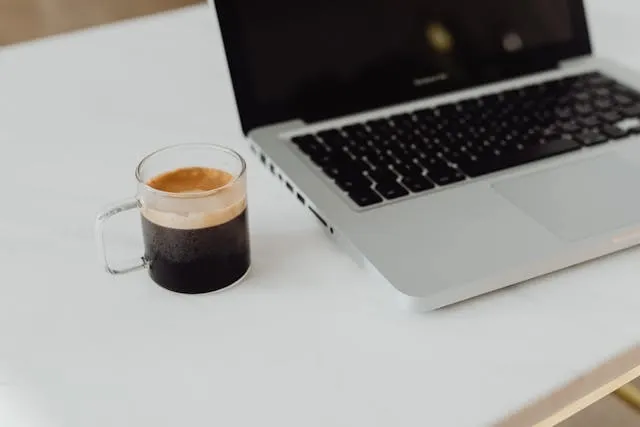
Double-walled glass cups are excellent for retaining heat while keeping the exterior cool to the touch. If you’re wondering about putting coffee in a glass cup safely, look for designs intended for:
- Cafes
- Professional kitchens
Remember that thickness alone doesn’t guarantee heat tolerance. It is the material composition that matters most. Decorative or crystal glasses often lack the thermal stability required for hot beverages.
For dependable quality, consider purchasing our heat-resistant glass mugs. Create your own custom Pristine Aroma coffee mugs that combine durability, insulation, and aesthetic appeal. It’s the perfect way to safely enjoy your favorite coffee or tea.
What Is Thermal Shock And Why Does It Matter?
Thermal shock occurs when glass experiences a rapid temperature change, causing uneven expansion between its inner and outer surfaces. Research by H.M Bishop et al showed that a “thermal index” determines whether cracks will extend or stop.
The temperature imbalance creates internal tension that can lead to cracking or complete breakage. For instance, pouring freshly-brewed espresso into a chilled glass may cause it to fracture instantly..
It is vital to understand this concept when deciding whether you can put hot coffee in a glass cup:
- Borosilicate glass: This resists thermal shock due to its low coefficient of expansion, so it can endure wide temperature ranges safely.
- Soda-lime glass: This is far more susceptible to thermal stress.
To reduce risk, always warm the glass gently before adding hot liquids. Recognizing the dangers of thermal shock helps coffee enthusiasts choose safer glassware and prevents unnecessary damage or injury while enjoying hot beverages.
How To Choose The Right Glass Cup For Hot Coffee
If you have found yourself wondering whether you can put hot coffee in a glass cup without damage, the answer starts with material selection. Borosilicate glass is the gold standard for heat tolerance, used in both laboratory and high-end kitchenware.
Tempered glass is another reliable choice, offering durability and resistance to breakage. Experiments with soda-lime glass showed that, when heated or cooled rapidly, cracks form at flaws on the glass surface.
Look for certification or heat-safe symbols on packaging, avoiding glassware that is:
- Fragile
- Purely decorative
For everyday use, double-walled borosilicate glass mugs combine insulation with an elegant appearance. Choosing a certified heat-resistant cup prevents burns, preserves flavor, and extends glass life.
Whether you enjoy a hot tea or coffee, investing in proper glassware guarantees safety and enhances your drinking experience.
Choose a glass mug that is designed for hot beverages
Don’t risk your glass cups. Opt for specialized pristine aroma coffee mugs made from glass for a safe experience.
Learn moreCan You Pour Hot Coffee Into A Glass With Ice?
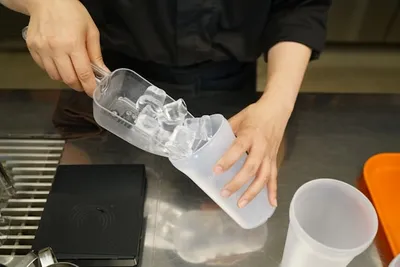
Many people enjoy making iced coffee by pouring freshly brewed coffee over ice, but this can be risky. When hot coffee meets a cold glass, the sudden temperature contrast can cause cracks or even explosive breakage.
If you’re curious about whether you can put hot coffee in a glass cup with ice, the answer depends on the glass type. This type of rapid temperature shift is only really compatible with:
- Borosilicate glass
- Tempered glass
Even then, it’s best to allow the coffee to cool slightly before adding it to the ice. For safer preparation, use specialized iced coffee glassware designed for thermal stability, accounting for mug shape trends.
An alternative is to brew coffee directly over ice in stainless steel or heat-rated tumblers. By choosing the correct materials and allowing gradual cooling, you can enjoy perfectly chilled drinks without the hazard of shattered glass or spilled coffee.
Looking for a coffee mug you can use on-the-go?
We offer custom Yeti Rambler 14 oz stackable coffee mugs with lids that preserve heat and allow for portability.
Can You Put Hot Coffee In A Mason Jar Or Glass Jar?
Mason jars are popular for serving beverages, but not all are suitable for hot liquids. If you are exploring whether you can put hot coffee in a glass cup or jar, we urge you to proceed with caution.
Most mason jars are made from soda-lime glass, which can’t handle extreme temperature changes. Studies show that thermal stress builds up in localized hot and cool zones, which may cause it to crack or shatter.
Always check whether the jar is labeled as:
- Heat-safe
- Tempered
Some modern mason jars are specifically rated for thermal resistance and suitable for handling moderate heat. However, it is best to pour hot liquids gradually and avoid placing the jars on cold surfaces.
For complete safety, avoid mason jars and opt for borosilicate or ceramic mugs instead.
Is It Safe To Drink Hot Coffee Or Tea In A Glass Cup?
It can be safe to drink coffee or tea from a glass cup if you use a heat-resistant glass. Borosilicate glass is your best option as it maintains integrity even at high temperatures. Alternatively, explore porcelain vs ceramic mugs to find your preferred option.
Regular glass poses risks when exposed to boiling liquids. To ensure safety, verify manufacturer specifications before use and avoid generic decorative glassware. Heat-rated cups prevent cracking and are also great for preserving:
- Beverage flavor
- Aroma
Their non-reactive surface ensures a pure taste experience without metallic or plastic aftertastes. For an elegant yet practical choice, select double-walled designs that keep drinks warm while staying cool to the touch.
This is the perfect blend of safety and sophistication.
Choose an iconic look for your coffee mugs
Avoid risk entirely and choose a classic custom diner mug with your personalized design for business or personal use.
Get startedHow Much Heat Can A Glass Cup Withstand Before Damage?
Heat tolerance varies depending on glass composition. Standard soda-lime glass can typically handle temperatures up to 120ºC (248ºF) before weakening. Borosilicate glass, meanwhile, can endure temperatures exceeding 300ºC (572ºF) and remain structurally stable through rapid transitions.
If you’ve asked whether you can put hot coffee in a glass cup safely, this is why borosilicate is the superior choice. If you exceed these limits, you risk stress fractures or breakage, particularly with thinner designs.
Here are a couple of tips:
- Avoid pouring boiling water into cold or damaged glass.
- Never subject cups to direct flames or stovetop heat.
- Gradual warming helps maintain integrity and extend lifespan.
Properly rated glassware ensures safety as well as beauty and clarity. For a simple alternative, look to custom paper coffee cups that can easily withstand high temperatures.
How To Use Glass Cups Safely For Hot Coffee
Safe use begins with preparation. Before you pour, always ensure your cup is clean, dry, and at room temperature. Avoid drastic temperature changes by gently prewarming your cup with warm tap water.
If you want to put coffee in a glass cup, choose heat-safe glass and follow these tips:
- Handle with care, as even strong glass can become slippery when hot.
- Use coasters or silicone sleeves to prevent burns or surface damage.
- Double-walled designs maintain beverage warmth while keeping the exterior comfortable to hold.
Remember, proper handling extends both safety and longevity. Treating your glassware or custom dual-colored ceramic java cups with respect ensures your morning brews remain a pleasure.

Should You Pre-Warm A Glass Before Pouring Hot Coffee?
Pre-warming a glass is one of the simplest steps you can take to prevent cracks. When you gently heat the surface beforehand, it reduces shock caused by sudden temperature differences.
If you’ve ever thought about whether you can put hot coffee in a glass cup safely, this step makes all the difference. Simply rinse your cup with hot tap water or steam it briefly before adding your drink.
When you do this, you enjoy the following benefits:
- Preserving the glass’s structural integrity.
- Enhancing the coffee flavor by maintaining consistent warmth.
With studies showing crack propagating during rapid heating or cooling, we recommend that you avoid microwaving empty glassware, as uneven heating could cause weak spots. Pre-warming ensures that both your drink and your cup stay at the ideal temperature for longer.
With this step, you combine practicality, safety, and a touch of barista-level care.
Frequently Asked Questions About Can You Put Hot Coffee In A Glass Cup
Can You Put Hot Coffee In A Glass Cup Safely?
Yes you can - but only if the glass is heat-resistant, such as borosilicate or tempered glass. These materials withstand high temperatures without cracking, ensuring safe and enjoyable coffee drinking.
Can You Pour Hot Tea Into A Glass With Ice?
Only if the glass is heat-safe. The sudden contrast between boiling tea and dice can cause regular glass to shatter. Always use borosilicate glass or let the tea cool slightly before you add ice.