Wristbands Material: Different Types, Durability, Use Cases, And Safety
Wristbands look simple, but the material behind them does most of the work. Comfort, durability, cost, and even security all come down to what the band is made from. We have produced wristbands for festivals, promotions, workplaces, and more, and material choice always defines the experience.
In this guide, we break down wristbands material in a practical way - not from a lab perspective, but from real use. We will look at materials festival wristbands rely on, everyday materials wristbands use, and why choosing wrong often leads to discomfort.

Key Takeaways
- Wristbands material directly affects comfort, durability, security, and overall wear experience, especially for multi day use.
- Material festival wristbands use must balance branding needs with strength, moisture resistance, and tamper prevention.
- Choosing the right material wristbands option depends on context, not trends, and mistakes usually show up fast.
- We supply high-quality custom wristbands in silicone with a variety of style choices, durable designs, and generous bulk discounts for larger orders.
Table of contents
-
Wristbands Material
-
What Materials Are Used For Festival Wristbands?
-
What Are Silicone Wristbands And Why Are They So Popular?
-
What Are Rubber Wristbands And How Do They Compare?
-
What Are Vinyl And Plastic Wristbands Used For?
-
What Are Fabric And Woven Wristbands Made Of?
-
What Are Leather And Metal Wristbands Used For?
-
What Are The Most Durable Wristbands?
-
Do Wristband Materials Raise Safety Or Chemical Concerns?
-
How Do Wristband Materials Vary By Use Case?
-
What Should You Consider When Choosing Wristband Materials?
Wristbands Material
Wristband materials matter more than most people expect. A band worn for hours behaves very differently than one worn for days. The material determines how a wristband reacts to sweat, water, friction, and movement.
You will also find that material choice affects:
- Printing quality
- Color retention
- How secure the band feels once applied
Today’s material wristbands span silicone, rubber, fabric, vinyl, plastic, leather, metal, and more. Each serves a specific purpose and can match other apparel like custom Truman caps. We often see confusion when people assume one material fits every use case - it rarely does.
Different wristband characteristics are required for festival access, branding, security control, and fashion. For example, a custom color coated wristband may work brilliantly with your outfit, but it may not be the most cost-effective solution for festival access control.
A basic understanding of wristbands material helps prevent discomfort, failure, and unnecessary replacements.
What Materials Are Used For Festival Wristbands?
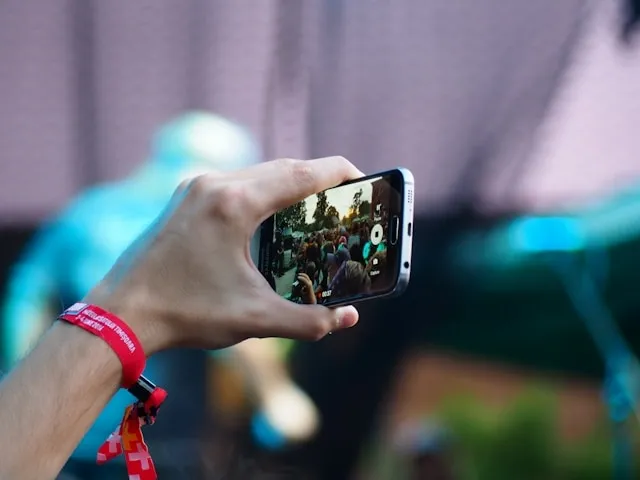
Festivals place unique demands on wristband materials. These bands must survive crowds, heat, moisture, and constant motion without breaking or slipping. Material festival wristbands commonly use include:
- Fabric: This offers comfort and visual appeal for multi day events.
- Tyvek: This works well for short term access with low cost and easy disposal.
- Vinyl: Vinyl and plastic provide stronger security with snap closures that resist removal.
- Silicone: Durable and flexible, this is perfect for temporary or promotional wristbands.
Comfort still matters, but security and durability often take priority. Ignoring key priorities is a common mistake to avoid when using promotional products for business or events. We have seen festivals mix materials depending on access level, which is usually a smart move.
The right material keeps lines moving and reduces tampering without irritating attendees.
|
Material |
Comfort (1–5) |
Tamper Resistance (1–5) |
Water / Sweat Resistance (1–5) |
Print / Detail Quality (1–5) |
Typical Wear Duration |
|
Silicone |
5 |
2 |
5 |
4 |
Weeks–Years |
|
Rubber (non-silicone) |
3 |
2 |
4 |
3 |
Weeks–Months |
|
Fabric / Woven |
4 |
4* |
3 |
5 |
Days–Weeks |
|
Tyvek (Paper) |
2 |
4 |
3 |
3 |
1–2 Days |
|
Vinyl |
2 |
5 |
5 |
4 |
Days |
|
Plastic (snap or clamp) |
2 |
5 |
5 |
3 |
Days–Weeks |
|
Leather |
4 |
1 |
1 |
4 |
Weeks–Years |
|
Metal |
1 |
1 |
5 |
5 |
Permanent |
* Fabric wristbands achieve higher tamper resistance only when paired with a one-way or crimped locking mechanism.
Looking for top-quality silicone wristbands?
Our custom printed wristbands are customizable and lightweight, crafted from high-quality silicone and available with bulk discounts.
What Are Silicone Wristbands And Why Are They So Popular?
Silicone wristbands are made from synthetic silicone rubber, designed to be flexible, waterproof, and long lasting. Their popularity comes from simplicity. They are comfortable, stretch easily, and tolerate sweat, rain, and daily wear.
Studies show that the key strengths of silicone elastomers are their elasticity, durability, and biocompatibility. Silicone is also a favorite for awareness campaigns and promotions as it accepts:
- Embossing
- Debossing
- Printing
We often see people refer to them as rubber bands, but silicone behaves differently. It resists cracking and does not absorb moisture. For long term wear, silicone wristbands material holds up better than many alternatives.
That balance of comfort and durability explains why they dominate visibility in promotional use.
What Are Rubber Wristbands And How Do They Compare?
Rubber wristbands are often confused with silicone, but they are not the same material. Rubber wristbands tend to feel firmer and can degrade faster when exposed to heat, oils, or UV light.
The fundamental difference is as follows:
- Natural rubber comes from latex.
- Synthetic rubber blends vary widely.
Silicone remains more stable under the same conditions - that difference matters for longevity. This is why silicone wristbands are often considered among the best promotional products for business. Rubber may be fine for short term use or controlled environments, but it is less forgiving over time.
We sometimes see rubber stretch unevenly or become brittle, while silicone avoids most of those issues. Understanding this distinction helps people choose the right wristbands material for their needs.
What Are Custom Rubber Bracelets Made Of?
Custom rubber bracelets can be made from natural rubber, synthetic rubber, or blended compounds. Natural rubber offers flexibility but breaks down faster with exposure. Synthetic rubber improves durability but can feel stiffer.
Production limitations also exist: rubber does not mold as cleanly as silicone, which affects detail quality. We often recommend rubber for simple designs where cost matters more than longevity. For more refined branding, silicone performs better. For products like custom sports wristbands, more absorbent materials are the better option.
That said, rubber still has a place. If you are finding it difficult to source or make the right fit, we offer custom figured wristbands and many other varieties at great prices through our online store. Our products are made from high-quality silicone with diverse customization options and generous wholesale discounts available.
Enjoy a different type of aesthetic with silicone wristbands
Our custom debossed colorfilled wristbands with a sunken-in design effect where the colors truly pop and designs are built to last.
Learn moreWhat Are Vinyl And Plastic Wristbands Used For?
Vinyl and plastic wristbands are usually chosen when security matters more than comfort. These materials are common at venues that need strong access control, like nightclubs, waterparks, and multi day events with strict reentry rules.
Here are where they are strongest:
- Vinyl is flexible but tough.
- Plastic tends to be firmer and more rigid.
Both materials work well with snap closures and locking mechanisms that show clear signs of tampering. That makes them harder to remove and reuse. Studies show rubber is designed to maintain performance through various environmental conditions, but vinyl and plastic bands are designed to show damage when tampered with for access control needs.
We have seen these bands hold up through water exposure and rough handling better than paper or fabric. The tradeoff is comfort. After long wear, vinyl and plastic can feel restrictive. Still, for security focused environments, this wristband material does its job reliably.
What Are Fabric And Woven Wristbands Made Of?
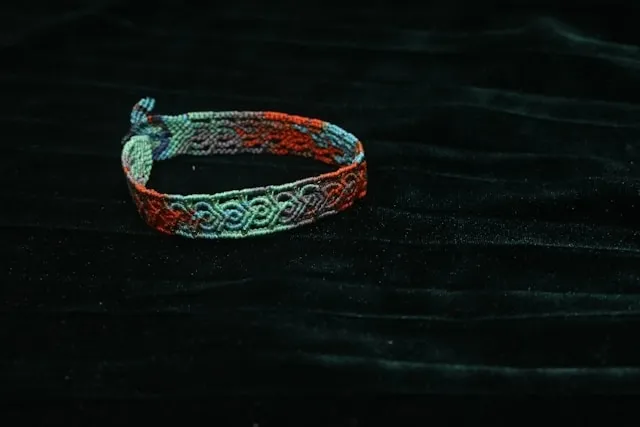
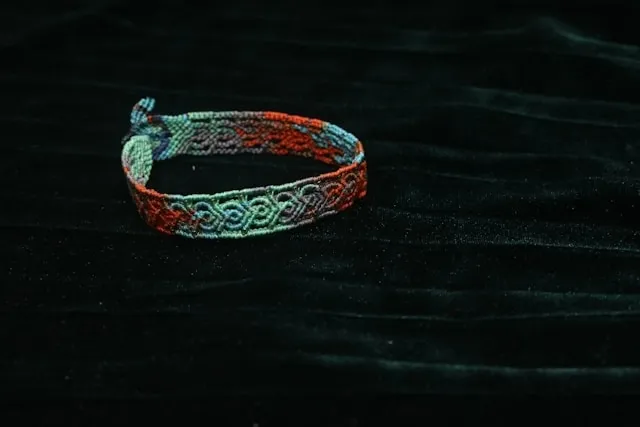
Fabric and woven wristbands are typically made from polyester, cotton blends, or nylon threads woven together. These materials prioritize comfort and appearance. They feel soft on skin and breathe better than plastic options, which matters during long events.
Fabrics are often more biodegradable than other materials, and we all know the benefits of using eco-friendly promotional products in 2026. Woven wristbands also allow for detailed patterns and color gradients that printing cannot always achieve. We often see them used at:
- Music festivals
- Conferences
- Premium events where branding plays a role
The downside is security. Fabric bands rely on sliding locks that can sometimes be manipulated if not designed well. Still, for multi day wear, fabric wristbands material offers a balance of comfort and visual appeal that many attendees appreciate.
What Are Leather And Metal Wristbands Used For?
Leather and metal wristbands sit closer to fashion accessories than event tools. These materials focus on style, durability, and identity rather than access control. We see them used in retail, lifestyle branding, and personal wear rather than festivals.
Here is a snapshot of their features:
- Leather bands are usually made from genuine or synthetic leather strips, sometimes paired with metal clasps.
- Metal wristbands use stainless steel, aluminum, or alloy links.
Leather ages over time, developing character, while metal resists wear almost entirely. Neither option works well for high security events, but they excel where appearance matters. Researchers note leather’s high biocompatibility, mechanical strength, and wearing comfort, making it a good choice for long-term wear.
As wristband materials choices go, these are about expression, not logistics.
What Are The Benefits Of Leather Wristbands?
Leather wristbands offer a distinct look that feels intentional and personal. For short term events, leather is impractical. For branding or fashion use, it works beautifully. We have seen leather wristbands become keepsakes rather than disposable items.
Here are some of their main benefits:
- They tend to age well, softening with wear and developing natural variations in texture. That aging process is often part of the appeal.
- Leather is durable under normal conditions, though it does not love water or heavy sweat.
The limitation is hygiene and environment. Leather requires care and is not suitable for high moisture or sanitation heavy settings. Knowing those limits helps you to assess whether leather is the right material for your wristbands.
Wanting a wristband material that stands the test of time?
Customizable and available in various sizes, our embossed wristbands are versatile and available in bulk quantities with generous discounts.
What Are The Most Durable Wristbands?
Durability depends on how you define it. Some may prioritize resistance to moisture, while others might be looking for something that is tamper-resistant in the short-term. Let’s take a look at a few different options:
- For resistance to water, sweat, and daily wear, silicone leads the pack.
- Vinyl follows closely when security is added to the equation.
- Metal wristbands last the longest structurally but are not practical for events.
- Fabric offers comfort but frays over time.
- Paper and Tyvek rank lowest in lifespan by design.
We usually advise matching durability to use length. Studies show that vinyl-based materials are dimensionally stable and mechanically reliable, but there has been research into all wristband materials. A one day event does not need the same wristbands material as a week long festival, and overbuilding can be just as wasteful as underbuilding.
The most durable option is the one that lasts exactly as long as needed.
Do Wristband Materials Raise Safety Or Chemical Concerns?
Material safety matters because wristbands sit directly on skin for long periods. Most reputable manufacturers use skin safe materials, but reactions can still happen. We always recommend checking certifications for large orders.
Here are some potential concerns to be aware of:
- Latex based rubber may trigger allergies.
- Cheap dyes can bleed or irritate sensitive skin.
- Silicone generally performs well in this area because it is non porous and chemically stable.
Environmental exposure also matters as heat, sweat, sunscreen, and water can change how materials behave. Choosing wristbands material with skin contact in mind reduces complaints and improves overall experience, especially for multi day wear.
Give yourself a blank canvas wristband
Made from high-quality silicone, our custom blank wristbands are affordable and durable, and provide a vibrant blank canvas for diverse needs.
Get startedHow Do Wristband Materials Vary By Use Case?
Use case determines everything. You need to choose the right wristband material for events, promotional use, fashion, security, or any other priority you may have. Let’s look at a few key considerations:
- Events prioritize security and speed.
- Promotions focus on visibility and comfort.
- Fashion emphasizes materials that age well or feel premium.
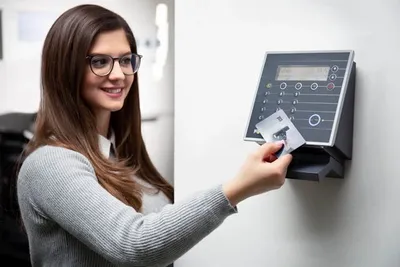
- Security environments may integrate RFID or NFC chips, which work better in silicone and fabric than metal.
We often see confusion when people choose based on appearance alone. Material wristbands should match how long they will be worn, how they will be treated, and what role they serve. For example, studies show textile materials offer breathability and softness - perfect for reducing skin irritation.
A wristband that performs perfectly in one context may fail quickly in another. Clear goals make material selection much easier.
What Should You Consider When Choosing Wristband Materials?
Choosing wristband material comes down to acceptable tradeoffs. Durability often increases cost. Security can reduce comfort. Waterproofing may limit design options. If you want custom debossed wristbands, you need to weigh up the pros and cons to determine whether it is the best choice.
Before you make a decision, we suggest thinking through things like:
- Wear time
- Environment
- User behavior
Transfer prevention matters for access control. Comfort matters for long events. Printing quality matters for branding. No material does everything perfectly, so the right choice balances what matters most.
When those priorities are clear, selecting material becomes straightforward instead of stressful.
Frequently Asked Questions About Wristbands Material
What Are The Most Durable Wristbands Material?
Silicone and vinyl wristbands are generally the most durable for events, especially where moisture and long wear are factors.
Which Material Is Best For A Wrist Band?
The best material depends on use. Silicone works well for comfort and longevity, while vinyl or plastic suit security focused applications.