Flash Drive Vs Thumb Drive: Finding the Best Fit for Your Storage Needs
What one person calls a thumb drive, another calls a flash drive or a USB stick. Confusion can slow down buying decisions, but the truth is simple. In this guide, we break down the flash drive vs thumb drive debate, define both, and offer advice on choosing what will work.

Key Takeaways
- Most people use thumb drive and flash drive to mean the same thing, but one refers more to shape and the other to the technology inside.
- The best choice depends on storage size, speed, and device compatibility, not the name printed on the package.
- Knowing how these terms are used helps us shop smarter and avoid confusion when comparing products or asking for help.
- We supply high-quality custom USB flash drives in a range of styles, allowing deep personalization at great prices for individuals and businesses.
Flash Drive Vs Thumb Drive Explained
First thing’s first: in most everyday situations, flash drive vs thumb drive is not really a debate. They are interchangeable terms used to describe the same small storage device. That said, there is a subtle difference that clears things up.
- Flash drive: Technically, this term refers to the memory technology inside.
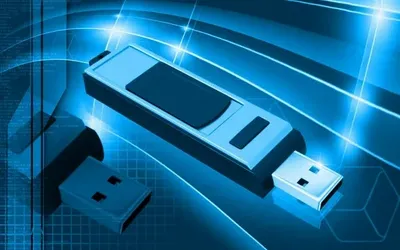
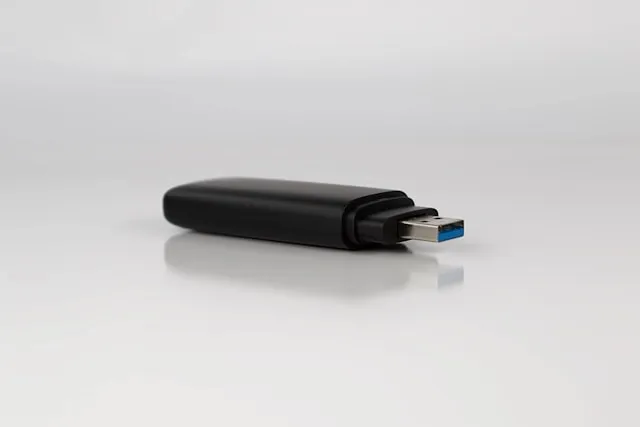
- Thumb drive: This describes the compact, stick-like shape.
In real life, stores, brands, and even tech support teams mix these terms freely. We have seen listings labeled three different ways for the same product. When we shop or search, it helps to focus less on the name and more on properties like capacity, speed, and connector type.
Is A Thumb Drive The Same As A Flash Drive?
Yes, in most cases, a thumb drive is the same as a flash drive. That is the simple answer you need to know first. Walk into a store and ask for either, and you will likely be shown the same shelf.
This means that our products could be called custom Domino USB flash drives or thumb drives - both refer to the same thing. The confusion starts when labels vary across packaging and websites:
- Some brands prefer “flash drive” because it sounds more technical.
- Others use “thumb drive” because it feels familiar.
We have noticed that beginners tend to search “what is a thumb drive” more often, while professionals lean toward “USB flash drive.” Knowing this helps us avoid second-guessing when buying or comparing options online or in person.
|
Factor |
Why It Matters |
What to Choose |
|
Capacity |
Determines how much you can store |
32–64GB (docs) • 128GB+ (photos/videos) |
|
Speed |
Affects how fast files transfer |
USB 3.0+ for regular use • USB 2.0 for basic |
|
Connector Type |
Ensures it works with your device |
USB-A (older PCs) • USB-C (modern devices) |
|
Durability |
Impacts lifespan and reliability |
Metal/rugged if used daily or on-the-go |
|
Security |
Protects sensitive data |
Encrypted/password drives for personal/work use |
What Is The Difference Between A Thumb Drive And A Flash Drive?
Here is where things get a bit more precise. The difference between thumb drive and flash drive is mostly about language, not hardware. Though technically the same thing, you could differentiate the two as follows:
- A thumb drive usually refers to the small, portable stick you carry in your pocket.
- A flash drive, on the other hand, refers to any device using flash memory for storage.
That can include more than just the classic USB stick. In practice, though, the overlap is almost complete. USB flash drives are popular portable storage devices, and that same definition applies to thumb sticks.
We rarely see a situation where the distinction affects performance or compatibility. The only time it matters is when reading technical specs or comparing broader storage categories.
Jump Drive Vs Flash Drive Vs Thumb Drive?
Now we add another term into the mix. Jump drive is often used the same way as flash vs thumb drive, but it has roots in branding. Over time, it became a casual synonym, so when we see thumb drives vs flash drives vs jump drives, we are usually looking at three names for one type of device.
This shows up a lot in online listings, which can feel repetitive or even confusing. From a practical point of view, “flash drive” is the safest and most widely understood term. It’s similar to the debate between custom square mouse pads and mouse mats.
The other terms still work, but using the broader label tends to reduce misunderstandings when comparing products.
Flash Drive Vs Thumb Drive Which Is Better?
This question sounds important, but the answer is surprisingly simple. When comparing flash drive or thumb drive, the name itself does not make one better. What matters is how we plan to use it.
- For basic file transfers, a small, low-cost option works fine.
- For larger files or regular use, we want higher speeds and more storage.
We have seen people choose based on branding alone, then feel disappointed with performance. These compact USB drives can be used as portable, temporary, or semi-permanent storage tools that bridge personal storage and cloud systems.
It helps to check read and write speeds, storage capacity, and connector type instead. Once we focus on those factors, the naming difference becomes almost irrelevant in real-world use.
What Is A Thumb Drive?
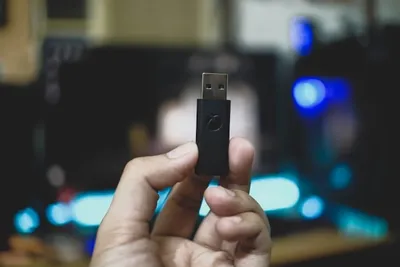
A thumb drive is a small portable storage device that plugs into a USB port. It is designed to carry files from one device to another with very little effort. The name comes from its size - it is about as small as a thumb and easy to hold or store in a pocket.
When people ask “what is a thumb drive called,” they are usually referring to this simple, everyday tool. We have seen them used in various places, including:
- Schools
- Offices
- As quick backups during travel
The appeal is convenience. No setup, no internet required, just plug in and move files. This convenience helps them rank among the best promotional products for business, leading the way in usability and branding opportunities.
Looking for flash drives with custom designs?
Our custom Koval XL USB flash drives can be personalized with branding or other designs and offer reliable storage in a compact package.
What Is A Flash Drive?
A flash drive is a portable storage device that uses flash memory to store data. That memory keeps files even when the device is not powered. This is what makes it reliable for transport and backup.
When people ask “what is a flash drive,” they are really asking about both the device and the technology behind it. Flash memory has become a common choice because it offers various benefits:
- It is fast
- Its durability is convenient
- The compact size makes it portable
In everyday use, a flash drive looks just like a thumb drive. Work with us to create custom carbon fiber USB flash drives or thumb drives, or choose from a range of other formats. We offer high-quality customization, diverse choices, and competitive prices (including generous bulk discounts).
What Is A USB Flash Drive?
A USB flash drive combines two ideas into one clear term. USB refers to the connection, and flash drive refers to the storage technology. Together, they describe exactly what the device does.
This is why many product listings prefer this phrase. It reduces confusion, especially for new buyers. When someone searches “what’s a USB flash drive,” they are often trying to confirm they are buying the right thing.
We have found this wording helpful when comparing options across different stores. It keeps things clear. When you get one, be mindful of data security. Over 60% of owned USB flash drives contain recoverable sensitive data - deletion practices matter.
Choose a robust solution for USB flash drives
Work with us to create custom Proton USB flash drives for secure and robust storage along with high-quality customization on the surface.
Learn moreFlash Drive Vs USB Drive?
Wording can sometimes trip people up. In the flash drive vs USB discussion, USB is not actually a storage type. It is a connection standard. A USB drive usually means a flash drive, but technically, USB could refer to many devices.
When you use the term “USB” to describe a flash drive, it could cause confusion as it could also refer to:
- Keyboards
- Printers
- Webcams
- Various other things
Be mindful of this when you see terms like USB drive, USB stick, USB storage, or USB flash drive.
Ultimately, “flash drive vs USB drive” can feel imprecise at first. The safest way to think about it is that all flash drives use USB, but not all USB devices are flash drives. Many of the most popular types of promotional products for business use USB connections, so be specific.
Is A Flash Drive A USB?
A flash drive uses USB, but it is not the same thing as USB itself. This is a small detail, yet it clears up a lot of confusion. USB is the method that lets devices connect and communicate. A flash drive is one type of device that uses that method.
When people ask “is a USB a flash drive,” they are mixing the connection with the device. We have seen this lead to buying mistakes, especially for beginners. USB drives have replaced older portable storage media, dominating the market with efficiency and convenience.
Flash drive and USB are often used interchangeably, but keeping the terms separate helps when reading specs or choosing accessories. It also makes troubleshooting much easier later on.
What Is A Flash Drive Used For?
A flash drive is used for storing and moving files quickly without needing an internet connection. That includes documents, photos, videos, and even software. In daily use, we see:
- Students saving assignments
- Professionals sharing presentations
- Photographers backing up images
It is also common to use one for emergency backups. The flexibility is what makes it valuable. If we need something simple and reliable, this is often the first choice.
When choosing one, it helps to match storage size and speed to how often we plan to use it. We supply custom mobile spin USB flash drives and various other options with customization options, different functionalities, and more, all at competitive prices.
What Are Some Flash Drive Examples?
Think about real situations. We have seen flash drives used to carry software installers or keep important files ready in case of system issues. They are commonly used to move files between devices without the need for an internet connection.
Here are some more examples:
- A student saving a school project before printing.
- A job applicant handing over a resume during an interview.
- A family sharing vacation photos at a gathering.
These are all common uses for a flash drive. The key is convenience. Instead of relying on cloud access, everything is right there in your pocket. That simplicity is valuable, but you need to be vigilant about security - poor data sanitization practices can lead to breaches.
Choose novelty flash drives for added functionality
With our service, you can create custom Flash Bands USB sticks that are integrated into flexible wristbands that can feature your bespoke designs.
What Types Of Flash Drives Are Available?
There is more variety than people expect. Some drives use the classic USB-A connector, while others use newer USB-C options. There are dual drives that include both, which we find especially useful when switching between devices.
Storage sizes range from a few gigabytes to several terabytes.
- Some models focus on durability with rugged designs.
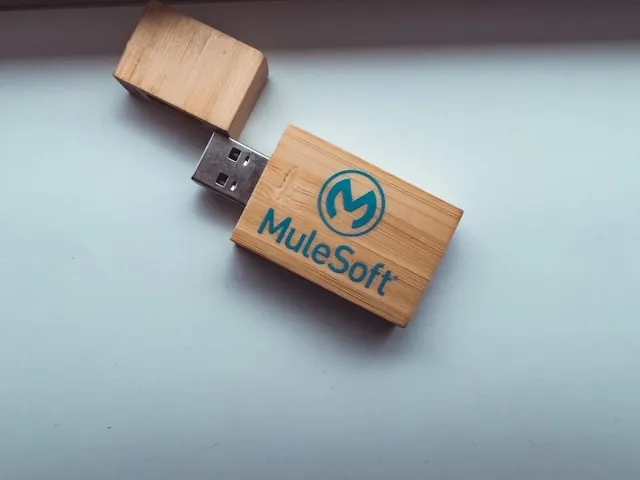
- Others focus on style, like wood flash drive options or slim card shapes.
Choosing the right type depends on how we plan to use it. Compatibility matters first, then speed, then design. There are also many other types of USB devices available, including custom flexible USB book lights or cooling fans for hot weather.
What Is A USB C Thumb Drive?
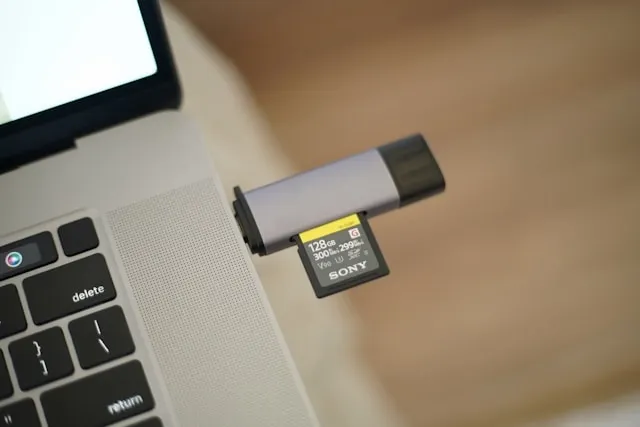
A USB-C thumb drive is designed for newer devices that use the USB-C port. This includes many modern laptops, tablets, and phones. The main advantage is convenience, as the connector works in either direction, so there is no need to flip it around.
We have found this especially useful when:
- Working quickly
- Using devices in low light
Compared to older USB-A drives, USB-C options often support faster transfer speeds. If our devices support it, upgrading makes sense, as it keeps things simple and avoids the need for adapters. This is important for how to use custom printed promotional items effectively.
Frequently Asked Questions About Flash Drive Vs Thumb Drive
Is A Thumb Drive The Same As A Flash Drive?
Yes. In everyday use, both terms refer to the same portable storage device, even though one describes shape and the other refers to memory technology.
Why Do People Call It A Thumb Drive?
The name comes from its small, thumb-sized shape. It is easy to hold, carry, and use, which made the nickname stick over time.