Different Types Of Wristbands: And How To Choose The Right One
Choosing a wristband involves more than color, materials, closures, comfort, and security. These determine how each band fits. We explain the available options, compare benefits and costs, and select wristbands that suit your event and fit organizational personnel in this guide.

Key Takeaways
- Tyvek generally works well for economical, single-day admission.
- Silicone suits reusable branding, awareness campaigns, and giveaways.
- Plastic, vinyl, and locking fabric often suit longer events.
- RFID and barcode options support electronic identification and entry.
- The best choice depends on duration, security, comfort, and budget.
Table of contents
-
Different Types Of Wristbands Explained
-
What Are The Main Types Of Event Wristbands?
-
What Makes Silicone Wristbands Different From Other Types?
-
Why Do People Choose Fabric And Woven Wristbands?
-
What Are RFID Barcode And Thermal Wristbands Used For?
-
What Other Specialized Types Of Wristbands Are Available?
-
How Do You Choose The Right Wristband For Your Needs?
Different Types Of Wristbands Explained
The most common types of wristbands are Tyvek, silicone, plastic, vinyl, woven fabric, RFID, battery-operated, USB flash, and service bands. Some categories describe materials, while others describe temperature ranges. Each serves different needs, including authentication, motion identification, cashless transactions, and authentic comfort.
- Tyvek wristbands provide lightweight support for official identification. Silicone wristbands offer flexible usability for more casual access.
- Plastic wristbands provide durable event access with style.
- Vinyl wristbands support extended wear.
- Fabric wristbands provide comfortable, customizable festival identification.
- RFID response connects to management systems.
- Barcode and thermal readouts display scannable identification information.
- UV wristbands have visual effects or ultraviolet-responsive features.
- Hospital wristbands added by patients
- Snap wristbands use a fastening mechanism to restrict removal.
- Sweat wristbands absorb perspiration during exercise.
These different types of wristbands can seem difficult to compare because their intended purposes are different. The disposable admission band does not have the same features as the secure or patient identification band. Start with the purpose before considering materials.
Make a strong impression with custom wristbands
Work with us to create high-quality custom wristbands with your unique branding to raise awareness and ensure professional-looking promotional products that your customers or clients will love.
What Are The Main Types Of Event Wristbands?
Most event organizers consider five material failures first. The right options depend on how long visitors stay, whether bands might get wet, whether transfer between guests matters, and the available budget. In the table below, we compare different types of wristbands with their intended use.
| Type | Typical use |
|---|---|
| Tyvek | Single-day concert and ticketed entry |
| Plastic | Attractions and multi-day access |
| Vinyl | Resorts, camps, and extended admission |
| Silicone | Giveaways and low security gatherings |
| Woven fabric | Festivals, VIP experiences, and keepsakes |
For a short community event, disposable identification may provide everything necessary. For a resort where guests swim repeatedly, a more durable option may reduce replacements. At a festival, a locking woven band can combine a distinctive appearance with access management. Compare the actual closure design before purchasing.
How Do Tyvek Silicone And Fabric Wristbands Compare?
Tyvek, silicone, and fabric represent three distinct approaches to wristband design. Their differences become clearer when compared.
| Feature | Tyvek | Silicone | Fabric |
|---|---|---|---|
| Durability | Short-term | Reusable | Extended wear |
| Typical wear | One day | Repeated use | Several days or longer |
| Water resistance | Water-resistant | Waterproof material | Depends on fibers and printing |
| Security | Adhesive tamper evidence | Usually easy to transfer | Stronger with locking closures |
| Customization | Printed text or numbering | Printing or molded details | Woven or printed designs |
| Comfort | Lightweight | Stretchable | Soft and flexible |
| Common uses | Admissions | Campaigns | Festivals and VIP access |
For one-day entry, Tyvek is often sufficient. For a charity campaign, silicone allows recipients to keep wearing the message afterward. For a multi-day festival, fabric may provide greater comfort and a collectible finish. Consider the specific product rather than assuming every wristband performs identically. Our wristband material guide explains additional material considerations.
Which Wristband Material Is The Most Affordable?
There is no universally cheapest material for every order. Pricing changes with quantities, dimensions, printing, colors, security features, shipping, and supplier terms. Basic Tyvek products are frequently economical for large, short-term events, but a reusable silicone band may offer better value when people will wear it repeatedly.
Compare these factors before choosing.
- Order quantity, including spare bands.
- Wear duration and whether replacements could become necessary.
- Printing complexity, numbering, and additional security features.
- Whether wristbands must be saved and reused afterward.
- Total delivered cost rather than the advertised unit price.
For example, a school fair might select disposable bands because attendance lasts one afternoon. A yearlong awareness campaign might benefit from reusable merchandise despite a different initial cost. We recommend checking a current quote for your precise configuration instead of relying on generic price estimates.
What Are Tyvek Wristbands Best Used For?
Tyvek wristbands are particularly useful for short-duration ticketing, admission, crowd identification, and age-group differentiation. Their adhesive closures are commonly designed to show evidence of removal, making casual sharing harder. They can be distributed quickly at entrances and printed with event details or identification numbers.
Although Tyvek resembles paper, it is a synthetic material. DuPont describes its water-resistant properties alongside its lightweight construction and tear resistance. That does not mean every finished wristband is suitable for prolonged wear. Adhesives and printing can affect performance.
For busy single-day events, Tyvek offers a practical balance between identification and cost. For extended stays, evaluate stronger alternatives. We provide custom Tyvek wristbands with ordering options for organizers who need straightforward disposable admission bands.
What Makes Silicone Wristbands Different From Other Types?
Silicone wristbands stretch around the hand and generally return to their original shape. They resist everyday moisture, feel flexible, and are designed for repeated use. These properties make them popular for fundraising, awareness campaigns, school clubs, businesses, and commemorative giveaways.
Available decoration methods commonly include printed artwork, recessed debossed lettering, raised embossed lettering, and color filling. Selection depends on whether your design includes fine details, simple text, or multiple colors. In everyday shopping language, people sometimes call silicone wristbands rubber wristbands. Silicone is a particular synthetic elastomer, however, and other rubber formulations can have different properties.
Selling point: We offer custom silicone wristbands with multiple decoration styles, helping organizations turn logos, campaign slogans, and messages into wearable items. Explore the available sizes and finishes before selecting a design.
Can Silicone Wristbands Be Used For Event Admission?
Yes, silicone wristbands can visually identify people at events. However, standard stretchable bands can usually be removed and passed to another person. That limitation makes them less appropriate when each purchased admission must remain securely assigned to one attendee.
Silicone can still work well for school celebrations, membership gatherings, branded conferences, or promotional events where identification matters more than preventing transfer. It is also useful when organizers want participants to retain a souvenir.
For controlled entry, compare Tyvek adhesive seals, plastic snaps, vinyl fasteners, and locking fabric bands. Where electronic verification is required, RFID or barcode systems may offer additional functionality, although their effectiveness depends on how credentials are administered. Decide whether convenience and reuse or strict access control matters more.
When Should You Choose Plastic Wristbands?
Plastic wristbands are useful when disposable paper-like options may not withstand the conditions of an event. Many are water resistant and use snap fasteners, making them practical for pools, water parks, attractions, and multi-day venues.
A properly designed snap closure may need to break before the band can be removed. This discourages guests from handing access credentials to other people, although no closure should be described as completely impossible to defeat. Always examine the supplier's specifications.
Plastic generally occupies a middle ground between lighter admission bands and some premium extended-wear products. Organizers might choose it for a weekend amusement park program where visitors move between activities. Consider edges, fit, fastener reliability, and wear comfort as well as the purchase price.
Are Vinyl Wristbands Better For Longer Events?
Vinyl wristbands are often chosen when a band must remain attached for several days. Durable construction, moisture resistance, and adjustable closures make many designs suitable for resorts, camps, festivals, and admission programs with repeat entry.
Compared with Tyvek, vinyl usually offers a more substantial structure for prolonged wear. Compared with basic plastic, comfort and durability depend on thickness, finish, and fastening design. A carefully chosen vinyl band may withstand repeated showers or swimming, but the complete product should be assessed for its intended environment. Extra durability is useful only when organizers need it. A one-hour presentation probably does not justify the same specification as a weeklong camp. We recommend examining vinyl wristband options before ordering.
Need custom silicone wristbands for your next promotional giveaway or other project?
We can bring your designs to life on custom silicone wristbands for personal expression, branding, or other promotional purposes, offering diverse customization options to make a connection.
Explore options for custom silicone wristbands hereWhy Do People Choose Fabric And Woven Wristbands?

Fabric wristbands combine comfort with a finish that attendees may want to keep. They are common at music festivals, multi-day gatherings, premium hospitality experiences, and events where the admission band forms part of the visual identity.
Woven bands integrate the design into the fabric, while printed cloth bands carry artwork applied to the surface. Recycled polyester options, sometimes described as rPET, use material derived from recycled plastic. Their environmental impact still depends on production, use, and disposal, so recycled content alone does not establish overall sustainability.
The fastening system matters greatly. Some fabric bands use one-way locking components that resist removal without damage, while others use removable closures suited to keepsakes. Choose according to the security requirements. For premium gatherings, we recommend exploring custom cloth wristbands that support event branding and comfortable wear. Check design methods and closure choices to find an appropriate option.
Are Fabric Wristbands More Secure Than Tyvek Wristbands?
Not automatically. Security depends on whether the band clearly shows tampering. Tyvek commonly uses adhesive seals that reveal removal attempts. Fabric can provide stronger resistance to transfer when fitted with a suitable one-way locking mechanism, but removable fabric bands cannot offer that same protection.
Compare these features before ordering.
- Closure type and whether removal requires visible damage.
- Resistance to pulling, tearing, and accidental breakage.
- Sequential numbering or individual identifiers.
- Ease of fitting bands securely without discomfort.
- Whether staff can recognize altered bands.
No wristband replaces consistent entrance procedures. Train staff to check identification properly, and ask manufacturers for specific tamper resistance information instead of treating terms like secure or premium as technical guarantees.
Customize cloth wristbands with bespoke or branded designs and make an impression
We supply high-quality custom cloth wristbands with your unique designs and an array of customization options to deliver for your aesthetic and functional needs.
What Are RFID Barcode And Thermal Wristbands Used For?
RFID, barcode, and thermal wristbands describe identification technologies or printing methods. They can be incorporated into different physical bands.
RFID uses radio communication between a compatible reader and a tag. Depending on the system, organizers can associate a wristband with access permissions, cashless payments, or an attendee account. Barcodes encode identifiers that optical scanners read. Thermal wristbands are designed for compatible thermal printing processes and may carry text or barcodes.
| Technology | Common use | Reading method | Typical setting |
|---|---|---|---|
| RFID | Access and payments | Compatible radio reader | Festivals and resorts |
| Barcode | Ticket verification | Optical scanner | Venues and attractions |
| Thermal | On-demand identification | Printed visual or barcode reading | Hospitals and registration |
These technologies are not interchangeable. A RFID system requires compatible hardware and software. Barcode systems need readable labels and scanner access. Thermal printing describes how information appears, not necessarily how it is authenticated. Evaluate privacy requirements, integration costs, and system reliability before choosing a digital solution.
What Other Specialized Types Of Wristbands Are Available?
Some types of wrist bands serve narrower purposes or are defined by their fastening method rather than the underlying material.
- UV wristbands may feature ultraviolet reactive colors or materials, depending on the product.
- Hospital wristbands identify patients and may include printed names, barcodes, or other identifiers for clinical workflows.
- Sweat wristbands are absorbent textile bands commonly worn around the wrist during exercise.
- Snap wristbands use mechanical fasteners that can discourage removal and reuse when designed for tamper evidence.
- Polybands are plastic-based wristbands whose exact composition and performance should be confirmed with the supplier.
- Recycled-material wristbands use recovered inputs, although recyclability of the finished product varies.
These categories can overlap. A hospital band may be printed thermally, while a fabric festival band may contain an RFID chip. Always identify whether a description refers to the material, closure, or technology.
Looking for an affordable solution for custom Tyvek wristbands?
With our online service, you have a fast, reliable way to customize Tyvek wristbands with high-quality craftsmanship at affordable prices. We offer a range of benefits and hassle-free solutions for events, festivals, and admission control.
Get started with custom Tyvek wristbands hereHow Do You Choose The Right Wristband For Your Needs?
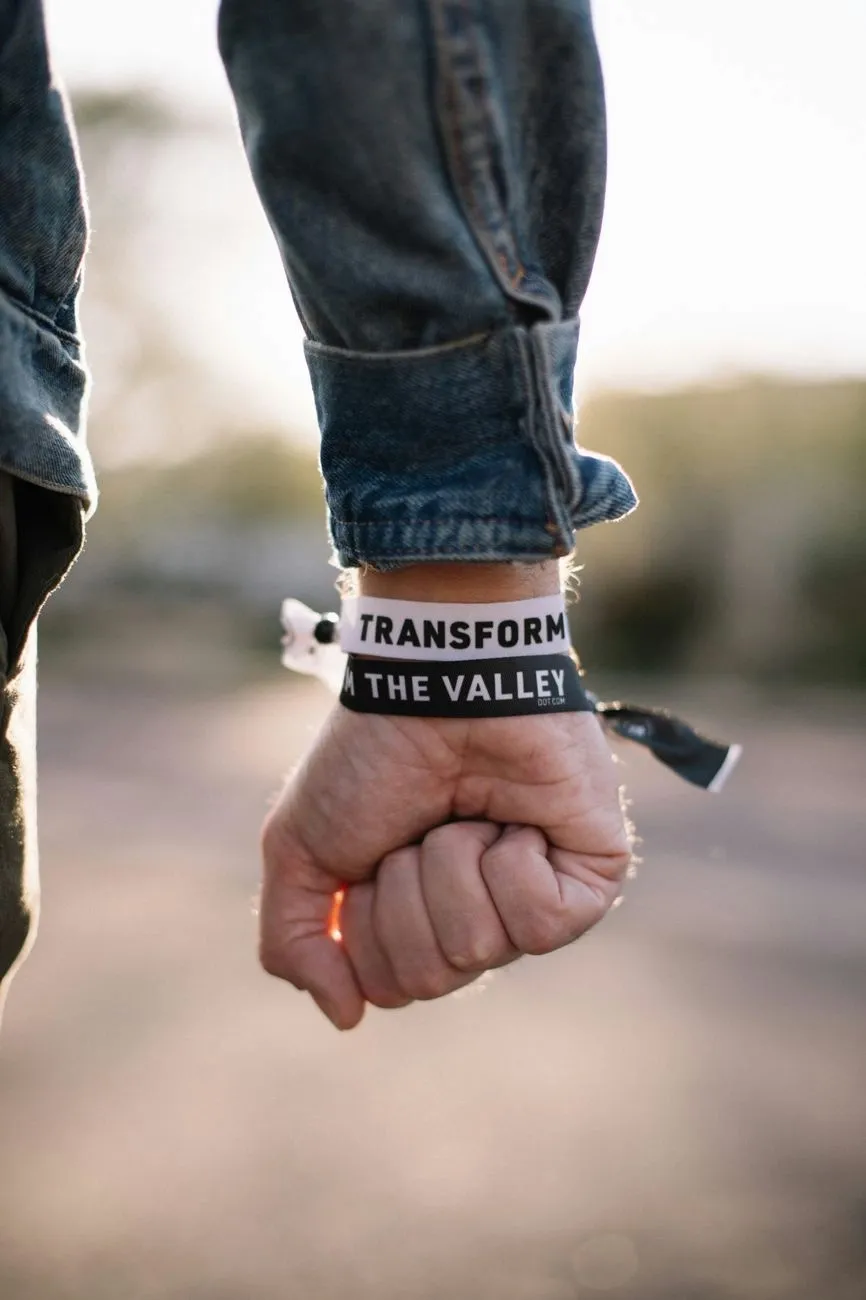
Choosing among the different types of wristbands becomes easier when you follow a decision process.
- Identify the purpose: Decide whether the band is for admission, promotion, medical identification, or digital access.
- Estimate wear duration: Separate single-day use from repeated or extended wear.
- Set security requirements: Determine whether guests must be prevented from transferring bands.
- Assess the environment: Consider swimming, rain, and sweat.
- Prioritize comfort: Review sizing and edge design.
- Define customization: Choose the colors, logos, numbering, and messages you need.
- Check technology needs: Confirm scanner, RFID reader, software, and printing compatibility.
- Compare total costs: Include setup, delivery, and replacement.
A one-day concert may prioritize fast distribution and tamper evidence. A nonprofit giveaway may emphasize attractive, reusable silicone bands. A resort may require water resistance and secure closures. Hospitals need identification systems that fit clinical safety procedures, rather than ordinary event accessories.
Before ordering, request a sample when possible. Check whether printed information remains readable after handling, whether the band fits different wrist sizes, and whether staff can attach it quickly. A small trial with your team can reveal practical problems before you commit to a large order. This is valuable when closures, scanning equipment, or water exposure matter.
We suggest starting with intended use and duration before considering decorative choices. Explore our event wristband selection to compare available products against your requirements.
Frequently Asked Questions About Different Types Of Wristbands
What Are The Most Common Types Of Wristbands?
The most common choices include Tyvek, silicone, plastic, vinyl, and fabric wristbands. RFID and barcode models add electronic identification capabilities, while hospital and sweat wristbands meet specialized needs. The most appropriate option depends on whether the priority is admission security, comfort, branding, reusability, or efficient identification.
What Type Of Wristband Is Best For Events?
For single-day events, Tyvek is often a practical and economical choice. Plastic and vinyl commonly suit longer or wetter conditions. Locking fabric bands are popular for multi-day festivals, while silicone works well for promotional gatherings. Consider duration, closure security, and comfort before selecting a product.