What Are Stress Balls Made Of? Materials, Shells, Texture, Durability, And Safety
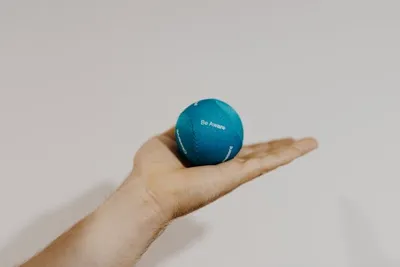
When people ask what stress balls are made of, they’re often surprised by just how many variations exist. Over the years, we have seen everything from dense rubber squeeze balls used in physical therapy to soft foam versions meant for casual desk use.
In this guide, we look at everything from fillers for slow, cushiony resistance to a sharper, more responsive squeeze. A well-crafted stress ball tends to outperform cheap novelty versions, but they are all popular for people of all ages.


Key Takeaways
- A well-made stress ball is simpler than a toy. Its materials dictate how it performs, its durability, and who it is best suited for.
- Stress ball interiors are commonly made from foam, gel, beads, or clay, affecting the resistance and the experience of squeezing them.
- The outer shell matters too, and could be made from rubber or a stretchy polymer that influences everything from durability to comfort.
- We supply high-quality custom stress balls made from foam in a variety of shapes that you can personalize with branding or other designs.
Table of contents
-
What Are Stress Balls Made Of?
-
What Is The White Stuff In Stress Balls?
-
What Is The Best Filling For A Stress Ball?
-
What Are Homemade Stress Ball Fillers Made Of?
-
How Are Stress Balls Made Using Modern Manufacturing Processes?
-
Is Stress Ball Filling Toxic For Humans Or Pets?
-
What’s Inside Chinese Stress Balls And Traditional Alternative Types?
What Are Stress Balls Made Of?
Stress balls come in several variations, and the material differences are more significant than most people expect. Over the years, we have explored countless models, including:
- Foam
- Gel-filled
- Rubber-coated
- Homemade varieties
When someone asks what stress balls are made of, the answer really depends on the style they have chosen. Foam stress balls are usually created from polyurethane, giving them that familiar slow-rise texture. Gel versions, meanwhile, rely on elastic polymer shells filled with thickened gels for a smooth, almost therapeutic squeeze.
Rubber-coated models lean on latex or synthetic rubber for durability, making them better for repetitive, high-pressure use. Our custom sponge material round stress balls are made from foam for a cost-effective yet high-quality solution with easy customization.
Each material creates a type of tactile resistance and feedback, so choosing the right stress ball material in 2026 matters. That variety allows people to choose a stress ball that matches their comfort level, strength needs, and long-term durability expectations.

What Are Stress Balls Filled With In Different Models?
When people ask what stress balls are filled with, the answer varies depending on the design and the sensory experience the manufacturer aims to achieve. Commercial gel-based stress balls often contain thick polymer gel, which creates a smooth, slow-resistance feeling that many people find calming.
Others might be filled with tiny microbeads, giving a more grainy texture similar to sand. Some novelty versions include powder fillers, usually corn starch or clay-like compounds, offering a dense and moldable interior. We occasionally see stress balls filled with water beads or hydrated polymers, though those are more prone to ruptures.
DIY stress balls typically rely on simple fillers like flour, rice, or baking soda because they’re accessible and inexpensive. Each filler offers its own resistance level, temperature feel, and movement behavior. They make some of the best promotional products for business.
The ideal filling ultimately depends on how much tactile feedback you want when squeezing it. Having manufactured over 50,000 foam stress balls annually, we’ve observed that polyurethane models retain shape better than gel-filled ones, especially after 5,000+ squeeze cycles.
|
Tool / Method |
Best For |
Strengths |
Limitations |
|
Stress Balls (Foam, Gel, Beads) |
Mild situational stress, fidgeting, sensory grounding, restless hands, portable relief |
Very portable; discreet; provides tactile sensory input; instantly usable; good for offices, classrooms; low cost |
Limited effect on chronic anxiety or deep stress; gel balls can rupture; novelty can wear off |
|
Deep Breathing / Box Breathing |
Acute stress spikes, anxiety, emotional regulation |
Strong scientific backing; lowers heart rate; no equipment needed; universally recommended |
Requires focus; not always easy to do during high panic; can feel awkward in public |
|
Mindfulness / Meditation Apps (Calm, Headspace) |
Longer-term stress management, emotional balance, rumination |
Excellent clinical support; builds long-term resilience; flexible formats |
Requires practice; some users struggle with attention/focus; not a quick fix |
|
Fidget Spinners / Cubes |
ADHD traits, sensory seekers, restless hands needing movement |
High sensory engagement; highly stimulating; very effective for some neurodivergent users |
Visually obvious; noisy; not workplace-friendly; banned in some classrooms |
|
Exercise (Walking, Stretching, Cardio) |
High stress, long-term resilience, mood regulation |
Strongest evidence for stress relief; boosts endorphins; improves sleep |
Not instant; requires time, space, motivation |
What Is The White Stuff In Stress Balls?
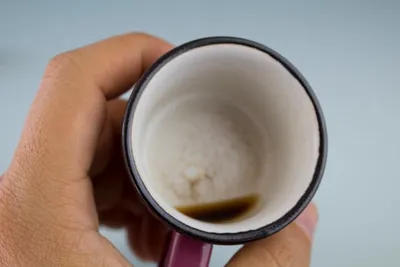
Many people are curious about what the white stuff inside stress balls actually is, especially after a ball breaks open unexpectedly. In most cases, this white material is a type of non-toxic putty, clay, or powdered starch designed to provide a firmer, moldable consistency.
It behaves differently from gel and bead fillings because it compresses more slowly and can be shaped slightly before returning to form. We’ve had clients bring in ruptured stress balls asking whether the white substance is safe, and generally, it is. Of course, it’s not meant to be eaten or left scattered where pets or children can reach it.
Manufacturers often choose these thicker fillers because they provide a satisfying resistance without relying on liquid components. The material also tends to hold its shape longer, which is ideal for users who prefer a denser type of squeeze.
A randomized study involving children aged 6-12 undergoing casting procedures found that the stress ball distraction eased fear and anxiety.
What Liquid Is Inside A Stress Ball?
In gel-filled models, people often wonder what liquid is inside a stress ball and why it behaves differently from water. The interior typically consists of a thickened polymer gel - something similar to hair gel or cosmetic gel but engineered for durability and resistance.
A 2025 review article published on ResearchGate argues that “fidget toys” like stress balls help with stress relief, attention regulation, and emotion regulation by providing sensory input. Manufacturers avoid using plain water because it:
- Evaporates
- Shifts unpredictably during pressure
- Increases the chance of bursting
The gel inside a stress ball offers a stable, consistent squeeze, which explains why these models are so popular in corporate environments. When we’ve inspected ruptured gel-filled stress balls, the substance is usually clear or slightly tinted depending on added dyes.
It’s intentionally viscous to create that smooth, fluid movement under pressure. This thicker liquid also minimizes internal air pockets, preventing uneven squeezing. While gel-filled balls tend to feel more luxurious, they require durable shells, making quality construction more important.
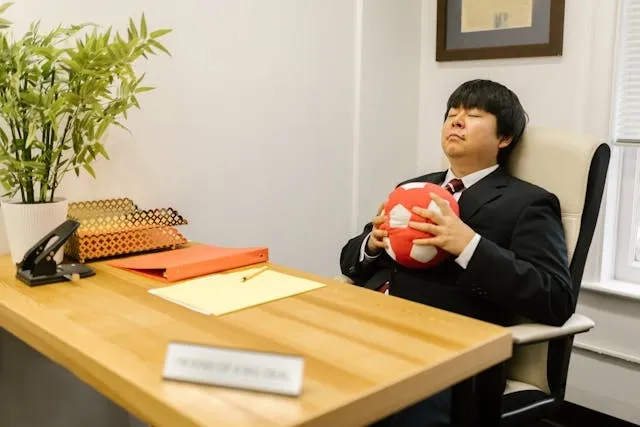
Looking for a custom stress ball with plenty of space for branding?
Work with us to create custom foam box stress balls with rounded corners for a neat solution with plenty of customization options.
What Is The Best Filling For A Stress Ball?
Choosing the best filling depends heavily on personal preference, use case, and durability expectations. When clients ask us what stress balls are filled with in the highest-quality models, we usually recommend either premium foams or well-made gel formulations.
- Foam stress balls: These are reliable for long-term use because the material rebounds consistently without leaking.
- Gel fillings: These often provide a smoother, more fluid tactile experience that many people find soothing during high-stress periods.
For people who prefer a grainy or sensory texture, microbeads or fine powders can be appealing, though they’re more vulnerable to punctures. DIY fillers like rice or flour are convenient but not especially durable. If you prefer a more visual experience, you might enjoy a custom bobble head instead.
Ultimately, the best filler is the one that aligns with how intensely you squeeze. If durability matters most, foam wins; if sensory feedback is the priority, gels are the preferred choice. And our high-quality custom rugby stress balls and other varieties offer both premium textures and reliability.
What Are Homemade Stress Ball Fillers Made Of?
Homemade stress balls are appealing because they’re easy to customize, and their fillings usually come from common household items. When people ask what is in a stress ball made at home, the typical answers are:
- Flour/Cornstarch: These create a soft, moldable texture, though they can make a mess if the balloon or glove bursts.
- Rice: This gives a grainy, weighted feel, which some people find grounding.
- Water beads: These provide a fun, bouncy texture, but they’re risky for pets and children if the ball breaks.
- Playdough: This creates a dense, shapeable core similar to commercial clay-filled models.
While these materials are accessible, they lack the durability of professional manufacturing. We often remind people that DIY stress balls work well for short-term or experimental use, but if long-term reliability is important, professionally made stress balls are a safer and more consistent option.
If you enjoy different sensory experiences, custom latex balloons could be another thing that gives you comfort.
Choose a novelty shape to create attractive stress balls
Our custom boxing gloves stress balls are perfect for boxers and fans, with easy space for logos or personalization.
Learn moreHow Are Stress Balls Made Using Modern Manufacturing Processes?
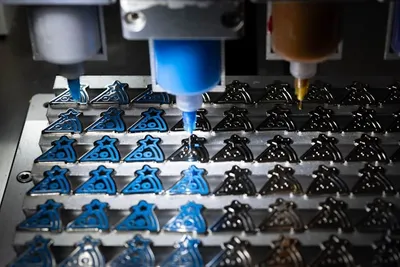
Modern stress ball production varies based on the material and intended use. Foam stress balls, for example, are typically manufactured through a molding process using polyurethane. The liquid components are mixed, poured into molds, and allowed to expand and set, forming their familiar shape.
Gel-filled stress balls involve creating a flexible polymer shell first, often from TPR or other stretchable plastics. Machines then inject the gel filling, and the ball is sealed with heat or adhesive bonding.
Some designs use two-layer shells for extra durability, especially when the filling is softer or more fluid. These professionally-manufactured pieces are among the top types of promotional products with logos.
Automated equipment ensures consistency in:
- Density
- Shape
- Safety compliance
In our facility, the precision involved is far greater than you might expect. Quality control checks ensure that stress balls can withstand repeated squeezing without rupturing. This level of precision is why professionally manufactured stress balls significantly outperform DIY versions.
What Is Squeezing Science Out Of Squishies About?
When we talk about “squeezing science out of squishies”, it refers to the scientific principles behind how stress balls and similar items behave under pressure. Much of this revolves around polymer physics, specifically how certain materials:
- Compress
- Store energy
- Slowly return to their original shape.
Slow-rise foams, for instance, rely on specific cell structures that resist quick rebound, creating that popular cushioning effect. Gel-filled stress balls behave differently because the internal material redistributes under pressure, offering a smoother transition from firm to soft.
We’ve always found it fascinating how such simple objects demonstrate real-world principles like elasticity, viscosity, and energy dissipation. These behaviors are what make stress balls so satisfying to use, though some experts question their role in stress reduction.
When companies design new squishy products, they often experiment with different polymers to create a distinctive tactile experience. Understanding this science helps consumers appreciate why certain stress balls feel more pleasing or durable than others. Many researchers have highlighted the power of stress balls to reduce symptoms of anxiety and depression.
Looking for a humorous stress ball design?
Work with us to create custom grenade modeling toy stress balls for a fun and highly-customizable stress ball.
Is Stress Ball Filling Toxic For Humans Or Pets?
Questions about safety often arise when clients ask what’s inside a stress ball or whether the filling is toxic. The short answer is that reputable manufacturers typically use non-toxic materials that are safe under normal conditions.
Polyurethane foams and standard polymer gels are designed to be handled safely, though they’re not meant for ingestion. These are the materials in the most popular types of promotional products for business. Problems usually occur only when a ball ruptures and pets or young children access the interior.
Some cheaper, unregulated products may contain dyes or low-grade materials that fail safety testing. This is why we always encourage buying from verified sources to avoid these risks. If a gel-filled ball breaks, clean the area promptly and discard the ball entirely.
While most fillings aren’t harmful through skin contact, ingestion can cause stomach upset in pets or children. Certified stress balls provide added reassurance, especially when used in places like:
- Schools
- Offices
- Clinical environments
What Chemicals Are In Stress Balls?
Depending on the type, stress balls may contain different chemical components within both the shell and the filling. Polyurethane foam balls are created through a reaction involving polyols and isocyanates, which form a solid, flexible structure once cured.
Gel-filled stress balls often use water-based polymer gels thickened with safe additives to create a smooth texture. The outer shells might include:
- TPR,
- Silicone
- Rubber
Each offers varying levels of elasticity and durability. Some versions incorporate dyes, scents, or softening agents to enhance sensory appeal. A study among adolescents undergoing PCR testing found that stress balls help reduce reported fear and pain.
We’ve reviewed compliance reports for various manufacturers, and high-quality stress balls almost always meet safety standards for handling. The concern arises mainly with low-cost, unverified imports that may skip proper testing.
If chemical exposure is a major concern for your environment, choosing certified, high-quality stress balls like ours offers a safer and more transparent option.
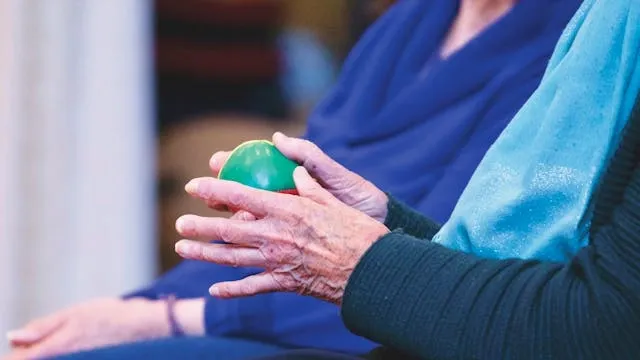
What’s Inside Chinese Stress Balls And Traditional Alternative Types?
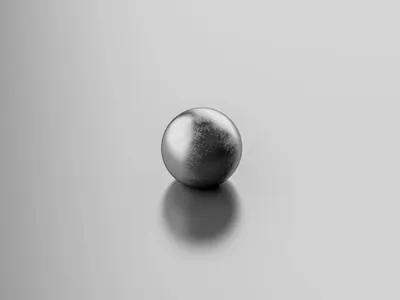
Chinese Baoding balls, often mistaken for stress balls, are actually a different tool entirely. Instead of soft, squeezable materials, they’re typically made from metal, stone, or polished alloys.
Some include internal chimes that create a calming sound as they rotate in the hand. Baoding balls are used for things like:
- Mindfulness
- Finger dexterity
- Meditative concentration
When people ask what’s inside a stress ball and compare it to Baoding balls, the difference is significant: traditional Baoding balls don’t contain fillers at all. Instead, they rely on weight and movement rather than compression.
Their sleek exterior and smooth rotation offer a unique sensory experience distinct from products like our custom sports car stress balls. They serve a similar purpose but through a different approach.
Both have their strengths, and choosing between them depends on whether you prefer squeezing resistance or rhythmic hand movement.
Frequently Asked Questions About What Are Stress Balls Made Of
What Are Stress Balls Made Of Generally?
Most stress balls are made from foam, gel, rubber, or powder-based fillers encased in flexible shells. Foam versions rely on polyurethane, while gel models use thick, water-based polymers.
Are Stress Balls Toxic If Ingested Or Not?
High-quality stress balls are made from non-toxic materials, but ingestion is never recommended. Most fillings are safe to touch but may cause stomach upset if swallowed.