Poly Mailer Sizes: Dimensions, Charts, Common Standards, And Choosing The Right Fit
Selecting the correct poly mailer size is one of the most overlooked decisions in shipping, but it has a direct impact on cost, protection, and customer perception. We have worked with many sellers who assumed any bag would suffice, only to find that incorrect sizing leads to wasted postage, damaged goods, or awkward packaging.
In this guide, we break down poly mailer dimensions, standard sizes, and calculation methods in practical terms. Rather than relying on guesswork, sellers can make informed decisions that scale smoothly as order volume grows.

Key Takeaways
- Choosing the correct poly mailer size reduces shipping costs, material waste, and handling issues while improving presentation.
- Understanding poly mailer dimensions and measurement methods prevents common sizing mistakes that lead to returns or damage.
- Measuring products consistently before ordering mailers ensures accuracy, efficiency, and long-term fulfillment reliability.
- We supply high-quality custom poly mailers in various sizes and formats to ensure you get the perfect solution for your needs with a branded design.
Table of contents
-
Poly Mailer Sizes
-
What Are Poly Mailer Dimensions And How Are They Measured?
-
When Should You Use Custom Poly Mailer Sizes?
-
What Are Standard Mailer Sizes?
-
What Is The Most Common Poly Mailer Size For Clothing?
-
What Is The Largest Size Poly Mailer?
-
What Is A Poly Mailer Sizes Table?
-
How Do You Calculate Poly Mailer Size?
-
What Size Poly Mailer For Hoodies And Sweatshirts?
-
How Do You Choose The Right Poly Mailer Size?
-
Why Does Poly Mailer Size Matter?
-
What Are The Best Poly Mailer Sizes For Different Industries?
Poly Mailer Sizes
Poly mailer sizes range from compact options for single garments to oversized formats designed for bulky soft goods. Most suppliers organize polymailer sizes in gradual increments, allowing sellers to scale up logically as item volume increases.
- Small poly mailer size options typically suit folded t-shirts or lightweight accessories.
- Mid-range sizes accommodate sweatshirts or multiple garments.
- Oversized mailers serve things like bedding, jackets, or show boxes when rigidity is not needed.
In our experience, sellers often select sizes based on product type rather than exact dimensions, and this only works up to a point. You also need to think about practical considerations like asking whether you can put stamps on a bubble mailer.
As order volume grows in 2026, precision becomes more important. Understanding the full range of sizes of poly mailers helps businesses avoid overpacking and unnecessary postage costs.
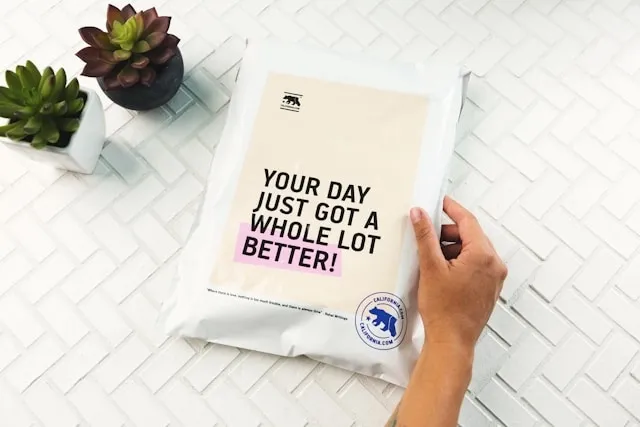
What Are Poly Mailer Dimensions And How Are They Measured?
Poly mailer dimensions refer to the measurable internal space available for products, typically expressed as length and width. Unlike boxes, height is flexible and depends on the contents. Length measures the opening edge, while width runs from side to side when the bag lies flat.
Thickness is created once the product is inserted, reducing usable space. Many sellers mistakenly measure exterior dimensions, which can cause tight fits or tearing. Industry standards define dimensions based on internal capacity rather than total material size.
Accurate measurement ensures compatibility with postal guidelines and automated sorting systems. It is also an important consideration relating to the environmental impact of packaging materials - something that studies have explored at length.
Measuring correctly also improves consistency across shipments, which becomes especially important when fulfilling orders at scale.
What Do Length, Width, And Height Mean In Poly Mailer Dimensions?
Length refers to the opening side of the poly mailer, width describes the flat horizontal measurement, and height represents the expandable depth created by contents. Height is not fixed, which often leads to sizing errors.
We have seen sellers assume thickness does not matter, only to struggle fitting folded hoodies into bags that appeared sufficient on paper. Usable interior space can be reduced by things like:
- Fabric bulk
- Seams
- Packaging inserts
Understanding how these three measurements interact prevents selecting a polymailer size that technically fits but strains under pressure. This can give you the peace of mind to shift your focus onto things like custom shipping tape and aesthetic presentation.
Accounting for thickness ensures smoother sealing, better protection, and fewer shipping issues during transit.
When Should You Use Custom Poly Mailer Sizes?
Poly mailer sizes span a wide range, from compact envelopes for single garments to oversized bags designed for bulky shipments. Most sellers encounter size categories that scale gradually, allowing flexibility as product volume increases.
In our experience, confusion often arises when people assume there is a single standard poly mailer size, when in reality sizing depends on product type and fulfillment method.
- Apparel sellers typically choose sizes based on folded dimensions.
- Soft goods brands may allow more compression.
Questions about postage compatibility also surface, especially when shipping lightweight items. Resources explaining how mailing requirements affect flexible packaging are helpful when determining whether poly mailers qualify for certain mailing classes.
Understanding available size ranges early helps avoid wasted materials, excessive shipping costs, and inconsistent presentation across orders. We offer custom poly mailers in a wide range of sizes with various customization options to get the shipping solutions you need.
Looking for a basic poly mailer for shipping your products?
Work with us to create custom poly mailers with beautiful branded or themed designs to increase customer satisfaction.
What Are Standard Mailer Sizes?
Standard mailer sizes refer to commonly stocked dimensions used across fulfillment centers and suppliers. These sizes exist for convenience rather than precision. Industry research on how packaging standards evolve across suppliers compares packaging materials in the circular economy and highlights why “standard” varies depending on region and manufacturer.
Most apparel sellers rely on a small set of widely available sizes because they are easy to source and compatible with automated packing systems. Standard sizes are most useful when shipping mixed inventories or testing new products.
While they may not provide a perfect fit, they offer reliability and predictable availability. For growing operations, standard sizes often serve as a practical starting point before refining packaging strategy.
What Is The Most Common Poly Mailer Size For Clothing?
The most common poly mailer size for clothing typically accommodates folded t-shirts, lightweight tops, and similar garments. Apparel drives much of the demand for poly mailers due to its flexibility and low breakage risk.
Marketing resources discussing how promotional packaging explores how to use custom promotional items effectively. They frequently reference this size range because it balances things like:
- Protection
- Postage efficiency
In practice, this size works well for one to two shirts without excessive compression. Hoodies, outerwear, or multi-item orders usually require larger options.
Understanding which garments influence this standard helps sellers avoid forcing bulkier items into undersized bags, which leads to damaged seals and higher return rates.
What Is The Largest Size Poly Mailer?
Poly mailer sizes span a wide range, from compact envelopes designed for flat apparel to oversized options intended for bulky soft goods. Most sellers encounter size groupings that progress logically, beginning with small poly mailer sizes for single garments and scaling upward for hoodies, bundled clothing, or boxed items.
Understanding how these categories function helps avoid trial-and-error ordering. In our experience, confusion often arises when sellers underestimate how packaging thickness changes internal capacity.
It is also worth noting that mailing regulations differ depending on the postage method, which is why many shippers review guidance on mailing flexibility. Experts point out that sustainability and recyclability are important considerations as well.
Selecting from available polymailer sizes typically comes down to product volume, fold method, and desired presentation rather than strict weight alone.
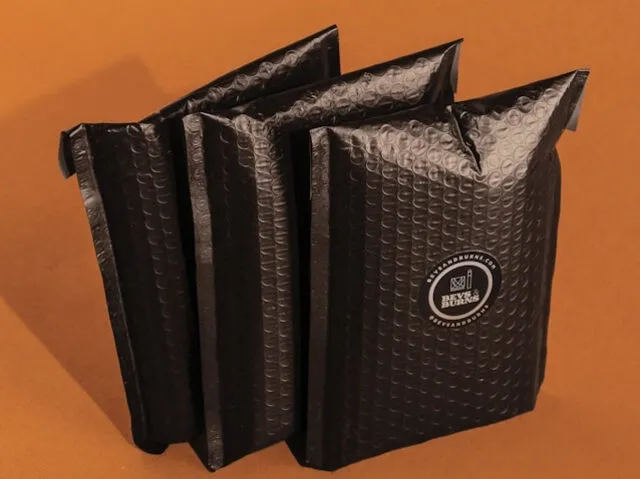
Choose custom bubble mailers to add a little extra protection for your products
Our custom bubble mailers add cushioning to protect your products during transit with aesthetically pleasing designs.
Learn moreWhat Is A Poly Mailer Sizes Table?
A poly mailer sizes table presents dimensions in a structured, text-based format, often listing width, length, and recommended use cases. Tables differ from charts in that they prioritize comparison over visualization.
Product catalogs frequently use tables when selling related packaging accessories, such as:
- Custom circle stickers
- Labeling systems
This can be useful for determining what you can feature on your packaging and how it will appear to customers.
Tables are particularly helpful for bulk purchasing decisions because they allow quick cross-referencing between product types and mailer sizes. When managing inventory, a size table simplifies reordering and reduces guesswork.
We generally recommend tables for operational planning, while charts work better for quick visual reference during initial selection.
|
Poly Mailer Size (W × L) |
Best For (Typical Use) |
Folded Item Size Range (W × L × T) |
Recommended Tolerance |
|
6 × 9 in |
Small accessories, socks, underwear, jewellery pouches |
Up to ~5 × 7 × 0.5 in |
+0.5 in width |
|
7.5 × 10 in |
Baby clothing, thin tops, lightweight scarves |
Up to ~6 × 8 × 0.75 in |
+0.5–1 in width |
|
9 × 12 in |
Single T-shirt (S–M), thin tops |
Up to ~8 × 10 × 1 in |
+1 in width |
|
10 × 13 in |
Single T-shirt (M–XL), light activewear |
Up to ~9 × 12 × 1.25 in |
+1 in width |
|
12 × 15 in |
2 T-shirts, long-sleeve tops, light bundles |
Up to ~11 × 14 × 2 in |
+1–1.5 in width |
|
14 × 17 in |
Jeans, sweaters, bulky tops |
Up to ~13 × 16 × 2.5 in |
+1.5 in width |
|
14 × 19 in |
Hoodies, sweatshirts, heavier bundles |
Up to ~13 × 18 × 3 in |
+1.5–2 in width |
How Do You Calculate Poly Mailer Size?
Calculating poly mailer size begins with measuring the product after folding, not before. Width is typically the limiting factor, followed by length. Height is accounted for by adding tolerance for thickness.
Packaging guides for padded and custom matte bubble mailers often demonstrate how miscalculation leads to unnecessary shipping costs. A common mistake is choosing a mailer that barely fits, which strains seams and compromises appearance.
Using a poly mailer size calculator can help - tools like this can be found online and give you a rough idea of what you need. However, manual measurement remains essential as there is no substitute for getting precise measurements of your exact products.
In practice, allowing an extra inch in width prevents packing delays and material stress without significantly increasing postage.
What Size Poly Mailer For Hoodies And Sweatshirts?
Hoodies and sweatshirts require larger poly mailer sizes due to fabric thickness and seams. These items add significant bulk to your parcels, even when folded carefully, so it is important to ensure your poly mailers are suitable to contain them.
Studies on multilayer polymer films explain how bulk increases internal pressure on flexible packaging. Folding strategy matters as much as size, as compressing vertically rather than horizontally often saves width.
In our experience, sellers underestimate how cuffs and hoods add uneven bulk. Selecting what size poly mailer for hoodies should account for fabric weight, not just garment dimensions.
Using slightly oversized mailers reduces tearing and improves presentation. It also speeds up packing during high-volume shipping periods.
Want the perfect combination of protection and elegance for shipping?
Our custom holographic bubble mailers allow you to add a branded or personalized design and enjoy added protection alongside a unique touch of glamor.
How Do You Choose The Right Poly Mailer Size?
Choosing the right poly mailer size follows a straightforward process: measure the product, account for thickness, select the closest size up, and test before committing to bulk orders.
Business packaging guides often emphasize this step-by-step approach to reduce fulfillment errors. It is an important step in the process of choosing the most popular types of promotional products for business in relation to packaging.
Decision-making improves when sellers keep sample sizes on hand. Avoid choosing based solely on category labels, such as:
- “Shirt”
- “Hoodie”
- “Jeans”
Real-world variation is significant. From experience, consistent measurement practices prevent costly mistakes and improve shipping efficiency across product lines.
Why Should You Measure Your Product First?
Measuring your product before selecting poly mailer sizes is a practical step that prevents many avoidable issues. In our experience, most sizing mistakes happen when sellers rely on assumptions rather than measurements.
Even items that seem standard, such as folded shirts or sweatshirts, can vary significantly based on fabric weight and folding method. Accurate measurements allow you to match products to appropriate polymailer sizes without excess space or strain on seams.
This consistency offers benefits like:
- Reduced packing time
- improved presentation
It also supports more reliable use of any poly mailer size chart you may reference later. Measuring first ensures that the size of poly mailers aligns with your inventory, minimizes returns caused by damaged packaging, and creates a smoother fulfillment workflow overall.
Why Does Poly Mailer Size Matter?
Poly mailer size affects cost efficiency, protection, and customer perception more than many sellers expect. Oversized mailers increase postage and material waste, while undersized ones risk tearing or improper sealing.
Research into the need for sustainable packaging, highlights how proper sizing is important for packaging durability and reusability, as well as the protection of items inside. Selecting the right poly mailer dimensions helps balance durability and shipping costs.
From a branding perspective, the following is true:
- A well-fitted package feels intentional and professional.
- Poorly sized packaging can appear careless
We have found that customers notice these details, especially in e-commerce. Choosing the correct poly mailer size supports product safety, controls expenses, and reinforces trust in your operation.
What Are The Best Poly Mailer Sizes For Different Industries?
Different industries rely on different poly mailer sizes based on product shape, weight, and handling needs. Apparel brands often focus on poly mailer sizes for clothes, such as small poly mailer size options for t-shirts and larger formats for hoodies.
Let’s look at considerations for a few different industries:
- Retailers shipping footwear may reference what size poly mailer for shoe box guidelines before deciding whether a box is more suitable.
- Beauty, stationery, and promotional goods favor slimmer profiles to reduce postage.
- Industry-specific solutions, including specialty finishes like custom holographic bubble mailers, are often highlighted by packaging suppliers offering tailored options for distinct markets.
Matching the polymailer size to industry norms improves efficiency and presentation while reducing unnecessary packaging complexity.
Frequently Asked Questions About Poly Mailer Sizes
What Are Some Common Poly Mailer Sizes?
Common options in inches include 6x9 for small accessories, 10x13 poly mailers size for shirts, and larger formats like 14x19 for bulkier clothing or light footwear.
What Is The Most Common Poly Mailer Size For Apparel?
For apparel mailers in inches, 10x13 or 12x15 are widely used, as they accommodate folded t-shirts and lightweight garments without excess space.