How To Inflate Exercise Ball? Proper Methods, Safety And Proper Sealing Techniques
Inflating an exercise ball may seem simple, but anyone who has wrestled with one on a busy gym floor knows it can feel more technical than expected. Over the years, we have had clients ordering new equipment for classes, and exercise ball inflation is a surprisingly common issue.
In this guide, we walk you through the practical steps in a way that reflects real-life experiences. The process is surprisingly manageable when broken down clearly, and we will also introduce alternatives like foam stress balls that can actually offer strength benefits.
Key Takeaways
- Inflating an exercise ball properly begins with simple preparation: check the ball’s recommended size, locate the plug, and position the pump.
- Always remove the plug fully before attaching the pump nozzle. Ball pressure is checked through posture, not guesswork, and both under- and over-inflation should be avoided.
- You can inflate exercise balls with hand pumps, electric pumps, or bicycle pumps, and you must seal it correctly afterwards to prevent slow leaks.
- We supply high-quality custom stress balls that make an excellent alternative to exercise balls for branding, stress relief, and improving grip strength.
Table of contents
-
How To Inflate An Exercise Ball?
-
How Do You Seal The Exercise Ball After Pumping Air?
-
How Do You Inflate An Exercise Ball With An Air Compressor?
-
How Do You Inflate An Exercise Ball With A Bicycle Pump?
-
How Can You Inflate An Exercise Ball Without A Pump?
-
What Pump Do You Need To Inflate An Exercise Ball?
-
Do You Have To Inflate An Exercise Ball Before Use?
-
How Do You Know If Your Exercise Ball Is Properly Inflated?
-
How Do You Deflate An Exercise Ball Safely?
How To Inflate An Exercise Ball?
Whenever we are asked how to inflate an exercise ball correctly, we usually go straight to the same answer: take your time and follow the steps in order. Improper preparation is a common mistake to avoid when using promotional products for business.
It is relatively straightforward when you do it right:
- Remove the plastic plug: This is the first step - it often requires a gentle wiggle rather than a forceful tug.
- Attach the pump: Make sure you connect the nozzle firmly to the ball’s opening.
- Start pumping: Whether you’re using a hand pump or planning to inflate an exercise ball with an automatic pump in 2026, the key is steady, consistent airflow.
- Check frequently: As the ball expands, occasionally stop and check its shape. It should look round and uniform, not stretched.
- Test firmness: Once you’re near the recommended size, sit briefly on the ball to judge its firmness. Your needs should form a comfortable right angle.
- Adjust: If necessary, release air until the ball feels supportive but not rigid.
When you are satisfied, remove the nozzle quickly and insert the plug in one smooth motion. Taking an extra moment here helps prevent air loss and ensure a secure seal. Alternative balls for exercise include medicine balls and custom glossy sponge material round stress balls.

How Do You Check The Correct Firmness During Inflation?
Checking firmness is where people often second-guess themselves, especially if it’s their first time learning how to inflate a yoga ball or exercise ball. Over the years, the simplest test we’ve found is the 90-degree rule:
- Sit on the ball with your feet flat on the floor.
- If your knees bend at a right angle and you feel stable, you’re in the right range.
- If your knees rise significantly above your hips, the ball is too soft.
- If they dip well below hip height, the ball is overinflated.
Another sign of overinflation is a stretched or shiny surface. This means the material is under too much tension. Underinflated balls often feel wobbly or “squishy,” making them uncomfortable for balance work.
Adjust air gradually, especially near the end. Small changes make a big difference in how the ball performs during exercise. Remember, you’re looking for supportive firmness, not maximum hardness. For rehab therapy, studies have found that hand exercises using a rubber ball can increase grip strength, and no inflation is needed.
How Do You Seal The Exercise Ball After Pumping Air?
Exercise balls can be excellent types of promotional products with logos, but they need to be inflated and cared for properly. Sealing the ball correctly is one of those final steps people rush through, but it genuinely affects how well the ball performs over time. After you finish inflating, remove the pump nozzle quickly to minimize air loss.
This part always feels a little fast, even for people who’ve done it many times. Immediately press the plug into the opening, making sure it sits flush with the ball’s surface. Some people underestimate how firmly the plug needs to go in - if it’s sticking out even slightly, slow leaks can develop.
We like to twist the plug gently as I push - just a personal habit, but it helps seat it securely. Once the plug is in, roll the ball under your palm and listen for any faint hissing sounds. If you hear air escaping, remove the plug and reseat it.
Proper sealing protects internal pressure and keeps your exercise ball performing reliably. If you are concerned about this process, our custom baseball stress balls and other varieties can make good alternatives for improving grip strength, with the added bonus of stress relief and opportunities to add personalized designs.
|
Pump Type |
Inflation Speed |
Physical Effort |
Risk of Overinflation |
Adapter Needed |
Best For |
|
Hand Pump (standard included pump) |
Moderate |
Moderate |
Low |
Usually included |
Casual home users; one ball at a time |
|
Foot Pump |
Moderate–Fast |
Low–Moderate |
Low |
Often included with some brands |
Users needing hands-free operation; people with wrist issues |
|
Electric Pump |
Very Fast |
Very Low |
High (airflow is strong) |
Yes — narrow nozzle recommended |
Gyms, studios, or households that inflate multiple balls |
|
Bicycle Pump |
Moderate |
Moderate |
Low–Medium |
Yes — cone or needle adapter required |
People who already own bike pumps; budget-friendly users |
|
Air Compressor |
Very Fast |
Very Low |
Very High (PSI must be kept under ~10 PSI) |
Yes — narrow nozzle essential |
Large facilities or users confident with PSI control |
Looking for a branded ball that can help make you stronger?
Gripping a custom round stress ball can help relieve stress and strengthen grip, and it can also carry a specific brand.
How Do You Inflate An Exercise Ball With An Air Compressor?
Using an air compressor can be convenient, but it requires a bit of caution. Compressors push air much faster than hand pumps, which makes it surprisingly easy to overshoot the correct size.
If you’re learning how to inflate an exercise ball with an air compressor for the first time, it goes like this:
- Start by setting the pressure to a low, controlled level, usually under 10 PSI.
- Fit the narrow nozzle attachment securely into the ball’s opening, since wide nozzles release too much airflow at once.
- Inflate slowly, stopping every few seconds to check the ball’s shape and firmness. In our experience, people tend to assume compressors are “set and forget,” but staying attentive is what keeps the ball safe from rupturing.
- Once you’re nearing the recommended diameter, switch off the compressor, remove the nozzle swiftly, and insert the plug in one smooth movement.
With a little care, a compressor can be one of the quickest solutions. If this process gives you anxiety, a review of studies found that regularly squeezing a rubber ball or similar item can increase grip strength over time, and our stress balls don’t need to be inflated.
How Do You Inflate An Exercise Ball With A Bicycle Pump?
Most people don’t realize how simple it is to inflate exercise balls with bike pump adapters that are already sitting in their garage. To inflate an exercise ball with a bike pump safely, start by attaching the needle or cone-shaped adapter.
Stabilize the ball with your knees or against a wall so it doesn’t slide while pumping. Bicycle pumps provide moderate airflow, so don’t expect dramatic progress in the first few minutes; consistency matters more than speed.
When clients ask how to inflate an exercise ball with a bicycle pump efficiently, we tell them to take brief breaks to check firmness, the same way you would with any pump. Once you’re close to the proper height and the surface feels supportive, remove the pump adapter quickly and secure the plug.
It might take a little longer than an electric pump, but a bike pump gets the job done reliably without extra equipment. You could sit on your custom gym towel or other soft surface while you do the work.
Create a stress ball styled like a beach ball
Channel those leisure and recreation vibes with a custom beach stress ball that captures the spirit of exercise and fitness.
Learn moreHow Can You Inflate An Exercise Ball Without A Pump?
If you ever find yourself without a pump, inflating a ball becomes more of a creative exercise than a technical one. While it’s not the quickest method, you can still get acceptable results using a few household items.
- A hair dryer set to a cool setting and fitted with a homemade funnel can help direct air into the opening.
- Another trick - one we’ve used in a pinch - is to repurpose the valve from an inflatable mattress bag pump and use it manually.
Remember, these methods are not recommended by manufacturers.
When figuring out how to inflate an exercise ball without a pump, remember that patience is your strongest tool. You won’t achieve perfect firmness this way, but you can get the ball usable for gentle stretching or basic sitting exercises.
If the ball is completely flat, though, consider borrowing a pump, as manual improvisation may only get you partway there. If inflating is more hassle than it’s worth, consider a stress ball - studies have shown that hand-squeezing exercises can improve tip and lateral pinch strength.
Want a stress ball that strengthens and relaxes you?
When you squeeze your custom smiley stress ball, you can relieve tension, increase grip strength, and enjoy a personalized experience.
What Pump Do You Need To Inflate An Exercise Ball?
Choosing the right pump makes a noticeable difference in how smoothly the process goes. Most exercise balls come with a simple hand pump, which works fine for occasional users. Foot pumps are slightly faster and keep your hands free, which some people prefer.
Electric pumps offer the quickest inflation, but their airflow can be too strong if you’re not careful. Use a narrow attachment and check progress often. For those planning to inflate an exercise ball with bike pump tools they already own, a needle or cone-shaped adapter will usually do the trick.
What matters most is compatibility, as using the wrong adapter can cause slow leaks or difficulty sealing afterward. Over time, you’ll develop a personal preference. For fitness studios or therapists who inflate multiple balls regularly, electric pumps tend to be worth the investment.
If you are looking for other balls for exercise, a study found that stress balls may improve hand and forearm muscle strength, though it depends on ball firmness. They do help relieve stress as well, and you could also consider medicine balls for your workouts.
Do You Have To Inflate An Exercise Ball Before Use?
Exercise balls always require inflation before their first use. They’re packaged deflated to protect the material during transport and to extend shelf life. People sometimes assume the ball will partially expand on its own, but that’s not the case.
Learning how to inflate a yoga ball correctly from the start ensures it supports your weight safely and performs the way it was designed to. Over time, balls naturally lose a small amount of air, so reinflation becomes part of normal maintenance, especially for those who use the ball daily.
If the surface begins to sag or the ball feels noticeably softer than usual, it’s a sign it needs a quick top-up. Storing a ball with reduced air pressure helps prevent creases or material stress. Just be sure to bring it back to full size before exercising again.
These types of balls can be among the best promotional products for businesses in the fitness or wellness industries, but it’s important to teach good maintenance.
Enjoy a novelty design with your own stress ball
Add your logo or personalized design to custom lunar pressure stress balls for a grip strengthener and stress reliever.
Get startedHow Do You Know If Your Exercise Ball Is Properly Inflated?
There are two reliable ways to confirm correct inflation: posture and measurement. The knee-at-90-degrees test is our go-to recommendation. Sit on the ball with your feet flat on the ground. If your knees form a comfortable right angle and you feel stable, the ball is likely at the right firmness.
If you’re using the ball for more advanced workouts like strength training or balance drills, you might prefer it slightly firmer. Another method is measuring its diameter. Most exercise balls are labeled with their full size, which is often one of the following:
- 55cm
- 65cm
- 75cm
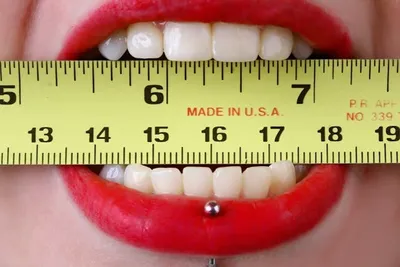
Comparing your ball to a tape measure or a wall marking can help. People sometimes think the ball needs to be rock-hard, but that’s rarely true. Proper inflation strikes a balance between comfort and support. When deflated, you should be able to safely store or transport your exercise ball in a custom dual color fitness travel bag or anything else.
How Do You Deflate An Exercise Ball Safely?
Deflating an exercise ball is straightforward, but you wouldn’t need to worry about it with a custom piggy stress ball or similar alternative. Careful deflation helps maintain an exercise ball’s lifespan.
- Start by removing the plug with your fingers or a plug remover tool. Avoid using sharp objects, since they can nick the material.
- Once the plug is out, gently press on the ball to release air.
- For faster deflation, sit or lean on it gradually, allowing air to escape without stressing the seams.
If you’re preparing the ball for storage or travel, fold it loosely rather than forcing it into a tight shape. Some people rush this part and accidentally crease the material in ways that shorten durability. Taking your time, even if it feels unnecessary, preserves the ball’s structure.
When the ball is completely flat, wipe it clean and store it in a cool, dry place to prevent degradation. We talk about stress ball alternatives, but they are primarily for stress relief. Some sources cite that for general healthy adults, squeezing a stress ball occasionally may not produce meaningful grip strength gains.
Frequently Asked Questions About How To Inflate Exercise Ball
How To Inflate Exercise Ball For Beginners?
Start with a small amount of air, check shape often, and use the knee-angle test. Beginners tend to rush, but slow, steady pumping makes firming adjustments easier.
How Do You Tell If A Ball Is Inflated Enough?
Your knees should form a 90-degree angle when sitting on the ball. For advanced workouts, slightly firmer inflation may feel better. Measurements can also help confirm accuracy.