Types Of Backpacks: Different Categories, Sizes, Designs, And Materials
Backpacks have evolved far beyond simple carryalls. Today, the wide range of types of backpacks reflects how differently people move, work, travel, and study. We often see confusion arise when someone chooses a backpack based on appearance alone, only to later realize it doesn’t truly support their daily needs.
In this guide, we break down the different kinds of backpacks into clear categories, helping readers understand why certain designs exist. A thoughtful choice matters more than many realize.

Key Takeaways
- Different backpack types are designed for specific activities, not just style preferences.
- Size, structure, and materials directly affect comfort and usability.
- Understanding categories helps avoid buying a backpack that underperforms for its purpose.
- We supply high-quality custom backpacks in a range of styles and types that you can personalize and order at competitive prices to suit any need.
Table of contents
-
Types Of Backpacks
-
What Is The Category Of Backpack Based On Design And Structure?
-
Different Types Of Backpacks By Size And Capacity
-
What Are Hiking Backpacks Categorized By Size?
-
Different Types Of Backpacks For School And Kids
-
What Are The Different Types Of Travel Backpacks?
-
What Are Carry-On And TSA-Friendly Backpacks?
-
What Are Minimalist And Lightweight Travel Backpacks?
-
What Are Security And Anti-Theft Backpacks?
-
What Are Convertible And Hybrid Backpack Formats?
-
What Are Backpacks Categorized By Material And Fabric?
Types Of Backpacks
Broadly speaking, there are several different types of backpacks, each built around a specific function. Daily backpacks focus on comfort and organization for routine use, but there are various other types.
Let’s look at the most common types of backpacks people use:
- School backpacks: These prioritize durability, weight distribution, and safety.
- Travel backpacks: These emphasize capacity, security, and flexibility.
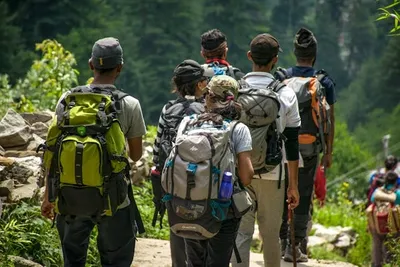
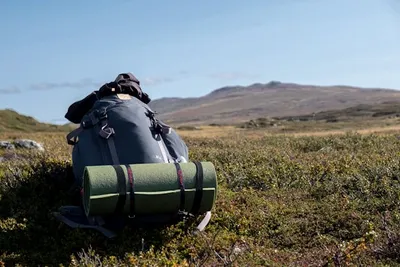
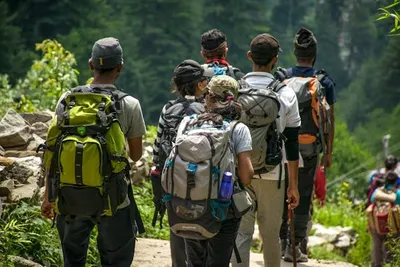
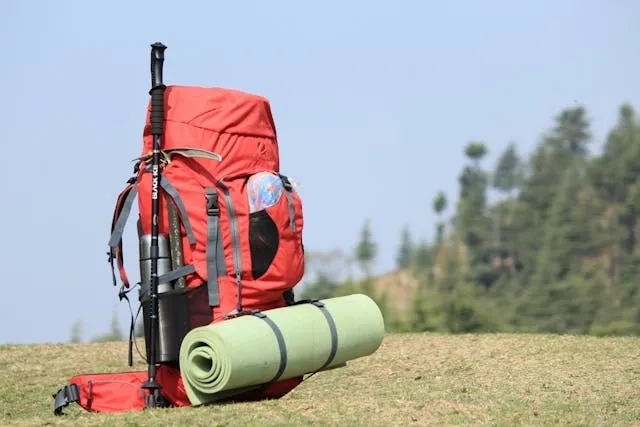
- Outdoor and hiking packs: These are engineered for load support and endurance.
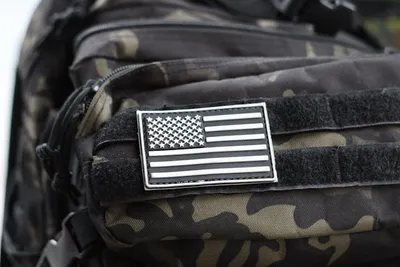
- Specialized backpacks: These serve niche needs such as photography, commuting, or tactical use.
These backpack types did not emerge randomly - they evolved as activities became more specialized. We have found that problems usually occur when one type is forced into a role it was not designed for.
Understanding these broad categories provides a practical starting point before diving into options like custom High Sierra Impact backpacks and the many other designs, sizes, and materials available.
What Is The Category Of Backpack Based On Design And Structure?
Design-based categorization focuses on how a backpack is built rather than what it carries. Structure affects accessibility, comfort, and load stability. Some backpacks are frameless and flexible, while others use internal or external frames to distribute weight.
Loading style also matters:
- Narrow openings prioritize security.
- Wide openings improve visibility and packing efficiency.
Frame systems influence airflow and posture, especially for heavier loads. It is important to know how to measure your torso for backpack fit, as a backpack that is too large or too small for your body shape can lead to discomfort.
From experience, structured backpacks feel more supportive during long wear, while softer designs suit short, casual use. Understanding these structural differences in 2026 helps users match a backpack to how long and how often it will be worn.
|
Capacity (Liters) |
Typical Use |
Example Items |
|
10–15L |
Minimal daily carry |
Phone, charger, water bottle |
|
20–25L |
Work / school |
Laptop, notebooks, lunch |
|
30–40L |
Short travel |
Clothes (2–3 days), toiletries |
|
50L+ |
Multi-day hiking |
Tent, food, cooking gear |
What Are Top-Loading Vs Panel-Loading Backpacks?
Top-loading backpacks open from the top and often use drawstrings or roll-top closures. They are simple, durable, and common in outdoor packs.
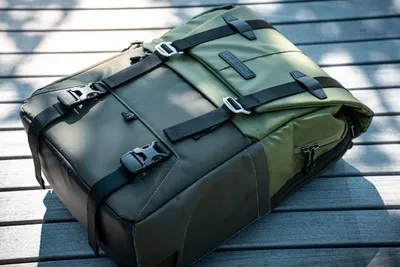
Panel-loading backpacks, sometimes called clamshell designs, open from the front or side, allowing full access to contents. This design improves organization and reduces digging.
Top-loading styles favor weather resistance and strength, while panel-loading designs favor convenience. In a 2025 study, researchers validated ergonomic backpack design that reduces shoulder and spinal loads, which may lead to different backpack designs being incorporated into top- or panel-loading systems.
We often recommend panel-loading backpacks for travel and daily use, while top-loading packs perform well for hiking. Each structure reflects a trade-off between protection and accessibility rather than superiority.
Looking for a backpack that helps organize your life?
Work with us to customize a Belroy Transit Workpack and enjoy multiple sections and pockets with excellent security, all with a personalized design.
Different Types Of Backpacks By Size And Capacity
Backpack size determines how much weight and volume a person can comfortably carry. Capacity is often measured in liters, which helps standardize expectations. Understanding your capacity needs can help you decide between a backpack or a smaller, custom Bellroy sling, for example.
- Small backpacks suit short outings and light loads.
- Medium backpacks balance portability and storage for daily use.
- Large backpacks support travel or outdoor activities requiring extra gear.
From experience, oversized backpacks encourage overpacking, while undersized ones cause frustration. Matching size to activity prevents discomfort and unnecessary strain. Understanding these types of backpacks by capacity ensures the bag supports its purpose rather than complicates it.
We supply high-quality custom Topo Designs recycled Rover 15 laptop backpacks and many other varieties that you can personalize and order for your own use or to sell as merchandise. Our products are high-quality and reliable, and available at competitive prices.
What Are Hiking Backpacks Categorized By Size?
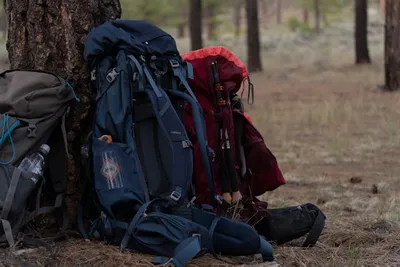
Hiking backpacks are categorized primarily by trip length. For example, day packs typically range from 15 to 30 liters and suit short hikes. This is suitable for most causal users, but there are other types available for people with more robust needs:
- Overnight packs: These fall between 30 and 50 liters.
- Multi-day packs: These tend to exceed that range and can be very large in some cases.
Size affects frame strength, strap design, and load support. We have found that hikers often underestimate capacity needs, especially for food and water. Getting a stronger understanding of standard backpack dimensions for different uses can help you make the right choice for your needs.
Proper sizing improves balance and reduces fatigue. Unlike casual backpacks, hiking packs are engineered around weight distribution, making correct size selection essential rather than optional.
Create your own dependable computer backpack
Use our service to create a Bellroy Classic backpack with your personalized design. Enjoy plenty of storage space in a water-resistant fabric.
Learn moreDifferent Types Of Backpacks For School And Kids
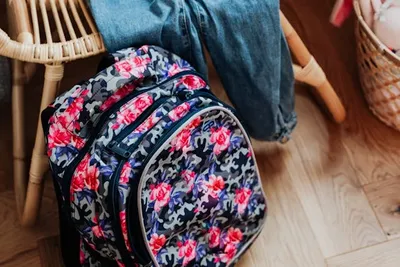
School backpacks are designed differently from adult backpacks because growing bodies require better weight balance and flexibility. These backpacks typically include padded shoulder straps, reinforced stitching, and lightweight frames to reduce strain during long school days.
Compartments are arranged to keep books close to the back, which improves posture and comfort. For younger children, safety features such as reflective strips and easy-to-use zippers are especially important.
Size also matters more than many parents expect:
- Oversized packs can cause poor posture.
- Undersized packs lead to overstuffing.
It can help to look into how much a backpack weighs for school so you can understand the available options for your child.
From experience, durability is often overlooked, yet school backpacks endure daily drops, heavy loads, and frequent handling. Age-appropriate designs, breathable padding, and simple organization make school backpacks functional rather than frustrating for students.
Proper fit adjustments help children carry weight safely as schedules change yearly progress.

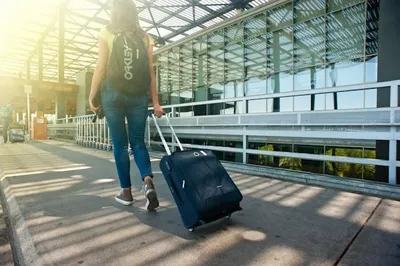
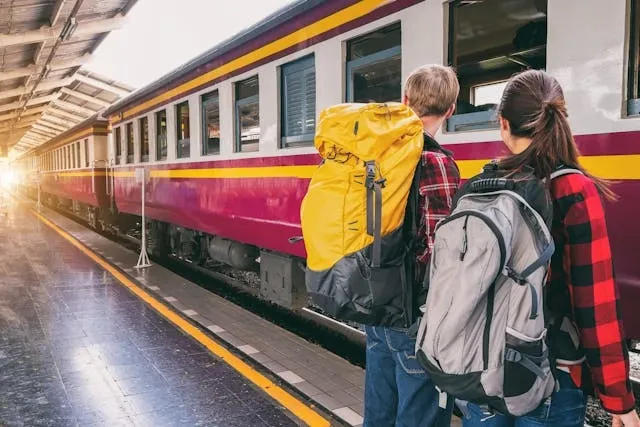
What Are The Different Types Of Travel Backpacks?
Travel backpacks form a major category because they are built for mobility, organization, and durability across changing environments. These backpacks typically feature larger capacities, reinforced seams, and multiple compartments, as they need to carry things like:
- Clothing
- Electronics
- Documents
Unlike casual backpacks, travel designs focus on weight distribution to remain comfortable during extended wear. Many include compression straps to stabilize loads and reduce bulk. From experience, travelers often value adaptability more than size alone.
A study into backpack ergonomics revealed how design influences posture, muscle activity, and balance. A well-designed travel backpack performs equally well in airports, public transit, and walking-heavy destinations. Materials are chosen to withstand abrasion and frequent handling.
Overall, travel backpacks bridge the gap between luggage and everyday packs, offering structure without sacrificing flexibility or comfort. Internal organization systems reduce unpacking time and help travelers maintain order throughout longer, multi-stop journeys without constant repacking stress or frustration later.
What Are Carry-On And TSA-Friendly Backpacks?
Carry-on and TSA-friendly backpacks are designed to meet airline size restrictions while simplifying airport security procedures. These backpacks typically comply with overhead bin or under-seat dimensions, reducing the risk of forced gate checking.
TSA-friendly designs often feature clamshell openings that allow laptops to lie flat during screening. This minimizes handling and speeds up security checks. From experience, frequent flyers appreciate how these features reduce stress during busy travel days.
Here are some other features:
- Organization is intentional, separating electronics from clothing to avoid delays.
- Durability also matters, as airport travel exposes backpacks to frequent lifting and abrasion.
Carry-on backpacks balance compact size with smart layout, making them practical for short trips and business travel alike. Researchers have identified how ergonomic design can improve comfort during long journeys, and this is important for this backpack type.
Many models include luggage pass-throughs, helping users stack bags securely on rolling suitcases during transit and tight connections at crowded airports worldwide.
In search of a modern backpack solution?
The High Sierra recycled everyday pack is made from recycled materials and features things like side water bottle pockets and a laptop sleeve.
What Are Minimalist And Lightweight Travel Backpacks?
Minimalist and lightweight travel backpacks are built around the idea that carrying less improves mobility and comfort. These designs reduce unnecessary compartments, rigid frames, and heavy fabrics. The result is a streamlined pack that encourages intentional packing.
From experience, minimalist backpacks appeal to travelers who prioritize speed and flexibility over maximum storage. Weight reduction also decreases fatigue during long walks or transit transfers. However, these backpacks often sacrifice padding and structure.
Choosing this style requires honesty about personal habits and trip length. Lightweight backpacks work best for:
- Short trips
- Urban travel
- Situations where minimal gear is needed
Their simplicity is both their strength and limitation. According to a 2003 study comparing different backpack types, functionality, comfort, and ergonomic performance are all key considerations. Planning discipline determines whether minimalist designs feel liberating or frustrating over time eventually.
What Are Security And Anti-Theft Backpacks?
Security and anti-theft backpacks are designed to deter unauthorized access in crowded or unfamiliar environments. These backpacks commonly include lockable zippers, hidden compartments, and slash-resistant materials.
Some designs position openings against the wearer’s back, making tampering difficult. From experience, these features provide peace of mind rather than absolute protection. Urban commuters and travelers often value subtle security that does not draw attention.
Anti-theft backpacks also prioritize organization to prevent frequent opening in public. While no backpack is theft-proof, layered security slows opportunistic attempts. These designs balance accessibility for the owner with inconvenience for potential thieves, making them practical for daily city use and travel.
Features that further support modern security expectations include:
- Material stiffness
- Reinforced seams
- RFID-blocking pockets
All this is achieved without compromising comfort, aesthetics, or ease of everyday use for most users in urban settings globally.
Get a practical backpack solution for everyday life
Customize the High Sierra Enzo backpack and enjoy two large main compartments and an organizer with pen pockets, among other things.
Get startedWhat Are Convertible And Hybrid Backpack Formats?
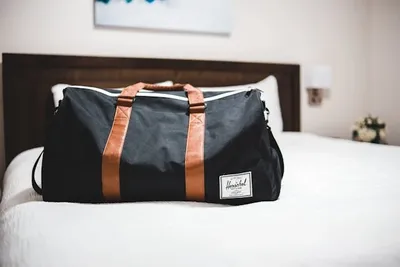
Convertible and hybrid backpack formats are designed for versatility across different carrying styles. These backpacks can transform into duffels, totes, or shoulder bags using adjustable straps and hidden handles.
The goal is flexibility rather than specialization. Ergonomic studies determine backpack dimensions based on user body measurements to help people understand appropriate backpack designs. From experience, convertible and hybrid formats appeal to travelers and commuters who move between professional and casual environments.
A single bag can adapt to things like:
- Meetings
- Transit
- Leisure activities
However, hybrid designs may sacrifice some comfort compared to dedicated backpacks. Strap systems are often thinner, and weight distribution may vary by mode. Choosing a convertible backpack works best when adaptability is valued more than technical performance.
These formats suit minimalists who prefer owning fewer bags while accepting moderate compromises in structure. Understanding intended use prevents disappointment when expectations exceed the bag’s design limits during regular daily use cycles.

What Are Backpacks Categorized By Material And Fabric?
Backpacks are also categorized by material, which directly affects durability, weight, and weather resistance. Selecting fabric based on environment ensures the backpack performs reliably without unnecessary wear.
- Synthetic fabrics such as nylon and polyester dominate modern designs due to strength and lightness. They are also common in custom Bellroy 16 computer sleeves.
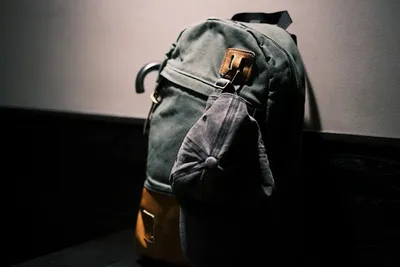
- Natural materials like canvas offer aesthetic appeal but add weight.
- Performance fabrics may include water-resistant coatings or ripstop weaves.
From experience, material choice often determines longevity more than design alone. Abrasion resistance matters for travel and outdoor use, while softness matters for daily comfort. Breathability and moisture resistance also affect usability.
Heavier-duty fabrics increase lifespan but may feel rigid, whereas lighter textiles prioritize comfort and flexibility. Understanding these trade-offs helps buyers align expectations with real-world performance across different activities and long-term ownership satisfaction.
Think about needs over years of use and travel conditions and consider options like our custom Camelbak LAX 15 computer backpacks and various other options to meet your needs.
Frequently Asked Questions About Types Of Backpacks
What Are The Different Types Of Backpacks?
Backpacks generally fall into daily, school, travel, outdoor, and specialized categories. Each type is designed around specific carrying needs, environments, and comfort requirements.
What Type Of Backpack Is Best For You?
The best backpack depends on how you use it, what you carry, and how long you wear it. Prioritizing fit, capacity, and durability usually matters more than appearance alone.