Different Types Of Chocolate: What Makes Each One Unique
Chocolate can be dark, milky, creamy, fruity, bitter, or caramelized. Its ingredients and production method determine its flavor, color, texture, and best use. This guide explains the major chocolate types, specialty formulations, cocoa percentages, and product forms to help you choose confidently.

Key Takeaways
- Dark, milk, white, ruby, and unsweetened chocolate are widely recognized types of chocolate.
- Cocoa solids produce chocolate flavor and color, while cocoa butter contributes smoothness.
- Milk ingredients and sugar influence sweetness, creaminess, and texture.
- Couverture, compound, and blonde chocolate are specialty formulations.
- Bars, chips, wafers, bonbons, and coated treats are forms rather than foundational categories.
Different Types Of Chocolate Explained
The main widely recognized types of chocolate are dark, milk, white, ruby, and unsweetened chocolate. Specialty products such as couverture, compound, and blond chocolate expand the available chocolate options. Each category has a particular balance of cocoa solids, cocoa butter, sugar, milk ingredients, or alternative vegetable fats.
Cocoa solids provide the familiar color and concentrated cocoa flavor found in dark and milk chocolate. Cocoa butter is the natural fat obtained from cocoa beans. It provides richness and helps chocolate melt smoothly. Sugar controls sweetness, while milk solids create a creamier flavor and generally softer texture.
| Chocolate category | Key ingredients | General Flavor. | Typical cocoa level | Common use |
|---|---|---|---|---|
| Dark | Cocoa solids, cocoa butter, sugar | Intense. | Between 50% and 100% | Eating, baking, and ganache |
| Milk | Cocoa ingredients, sugar, milk solids | Sweet and creamy. | Commonly between 20% and 50% | Eating, candy-making, and baking |
| White chocolate. | Cocoa butter, sugar, milk solids. | Sweet, creamy, and vanilla-forward. | No cocoa solids. | For desserts, coating, and decoration |
| Ruby chocolate | Ruby cocoa ingredients, sugar, and milk. | Fruity and mildly tart. | Varies by producer. | Used for eating, desserts, and decorations |
| Unsweetened chocolate. | Chocolate liquor | Strong and bitter. | 100% cocoa | Baking and cooking |
| Couverture | Cocoa solids, extra cocoa butter, and sugar. | Varies by base chocolate. | Varies | Dipping, molding, and coating. |
| Compound chocolate | Cocoa powder, sugar, and vegetable fat. | Sweet and cocoa-flavored | Not directly comparable. | Easy coating and decoration |
| Blonde chocolate | Caramelized white chocolate ingredients | Milky and caramelized | No cocoa solids in many products. | Eating pastry and ganache |
These names do not all represent equivalent categories. Dark, milk, and white describe basic ingredient compositions. Couverture and compound describe formulations designed for particular handling properties. Bars, chips, and wafers describe physical forms. Understanding this distinction makes it easier to compare the wide varieties of chocolate.
What Is Dark Chocolate And What Makes It Different?
Dark chocolate contains cocoa solids, cocoa butter, and sugar. It normally contains no milk solids, although traces of milk may be present when manufacturers use shared equipment. Cocoa solids give it a darker color and more pronounced cocoa flavor than milk or white chocolate.
The cacao percentage shows how much of the product comes from cocoa ingredients. A 70% bar contains about 70% cocoa ingredients by weight. The remaining portion usually includes sugar and other permitted ingredients. More cacao generally leaves less room for sugar, but sweetness can still vary between manufacturers.
Semisweet and bittersweet chocolate are related dark chocolate subcategories commonly used in baking. Their definitions can overlap, so labels and ingredient lists provide more reliable guidance than names alone. No percentage makes one type of chocolate universally superior, so check authoritative standards for guidance.
What Is Milk Chocolate And How Is It Different From Dark Chocolate?
Milk chocolate combines cocoa ingredients, sugar, and milk solids. Dairy ingredients like milk powder or condensed milk give it a creamy character. Dark chocolate typically omits milk solids and contains higher proportions of cocoa ingredients.
Lighter in appearance than dark varieties, milk chocolate offers a sweeter, milder flavor profile. Milk fat and dairy solids contribute significantly to its tender texture and smooth mouthfeel. These characteristics make it a popular choice for snacking and confectionery products.
Shoppers can use simple sensory clues when comparing these kinds of chocolate. Milk chocolate tastes sweet quickly and delivers gentle cocoa notes. Dark chocolate often features a firmer snap, subtle sweetness, and a longer cocoa finish. Choosing between them comes down to preference and culinary application.
What Is White Chocolate And Is It Really Chocolate?
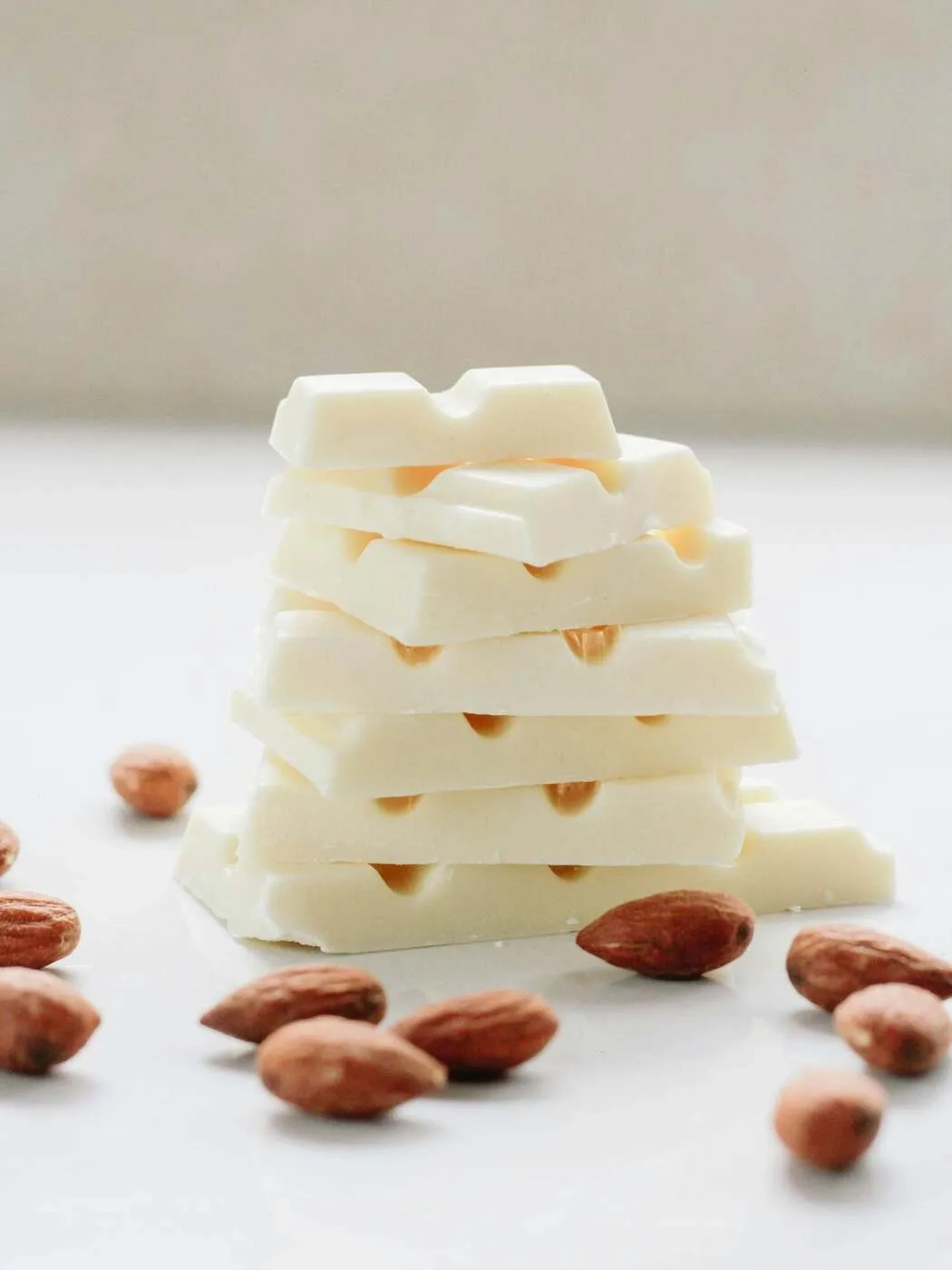
White chocolate consists primarily of rich cocoa butter, sugar, and milk ingredients. It contains no cocoa solids, which impart the dark color and intense cocoa flavor found in traditional milk or dark bars. Nevertheless, the authentic cocoa butter used to craft it originates directly from real cocoa beans.
Where regulatory standards are met, it earns official recognition as real chocolate. The Food and Drug Administration maintains strict compositional requirements for authentic products. Featuring a pale ivory appearance, this sweet chocolate variety provides a smooth, creamy flavor enhanced by vanilla, excelling in desserts needing dairy notes.
What Is Ruby Chocolate And Why Is It Pink?
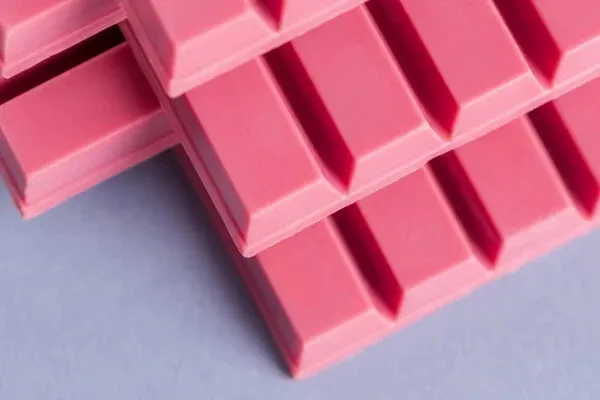
Ruby chocolate is a unique chocolate type crafted from specially processed cocoa beans. Introduced by Barry Callebaut, its distinct pink hue and vibrant character stem naturally from select cacao ingredients rather than added colors or fruit flavorings.
This variety offers a mildly tart, berry-like flavor profile with balanced sweetness and gentle acidity. It pairs exceptionally well with nuts, biscuits, dairy desserts, and fresh fruits in contemporary pastry applications.
Although less common than traditional options, it holds a firm place among modern chocolate varieties. Always review ingredient labels to verify specific formulations and production claims.
What Is Unsweetened Chocolate And What Is It Used For?
Unsweetened chocolate consists of pure chocolate liquor made by grinding cacao nibs into a smooth paste. Containing cocoa solids and natural cocoa butter, it contains no sugar or milk ingredients. Because of its raw composition, this bitter type of chocolate provides intense cocoa flavor without added sweetness.
Bakers use unsweetened chocolate in recipes like brownies, cakes, and frostings where sugar is measured separately. This allows precise control over sweetness, texture, and cocoa intensity in cooked desserts.
What Is The Difference Between Couverture And Compound Chocolate?
Couverture contains cocoa solids, sugar, and extra cocoa butter, supporting smooth melting, glossy finishes, and clean molding when properly tempered. In contrast, compound chocolate substitutes vegetable fats for cocoa butter, allowing it to set reliably without tempering when quick handling and convenience are prioritized over rich cocoa butter flavor.
| Feature | Couverture | Compound chocolate |
|---|---|---|
| Main fat source | Cocoa butter | Other vegetable fats |
| Tempering requirement | Usually required for shine and snap | Usually not required |
| Typical use | Dipping, molding, enrobing, pastry | Coating, decoration, quick dipping |
| Handling | Needs controlled heating and cooling | Generally easier to melt and set |
Home bakers should follow the package directions. Poorly tempered couverture may develop streaks, bloom, or a soft finish. Compound coating is easier to manage, but its texture and flavor differ because it uses another fat composition.
What Is Blonde Chocolate And How Is It Different From White Chocolate?
Blonde chocolate is a caramelized white chocolate style created by slowly heating white chocolate ingredients until the milk solids and sugars develop a golden color and rich toasted flavor. Standard white chocolate remains pale, offering a direct combination of sweetness, milk, cocoa butter, and vanilla.
This specialty variety features distinct notes of caramel, butterscotch, and toasted biscuits created through controlled heating rather than adding cocoa solids. It serves as a unique alternative among specialty chocolate types.
Make a strong impression with custom chocolates
Work with us to create high-quality custom chocolates with your unique branding to raise awareness and ensure professional-looking promotional products that your customers or clients will love.
How Do Different Types Of Chocolate Compare By Cacao Content?
Cacao percentage indicates the proportion of a chocolate product derived from cocoa beans. This amount can include cocoa solids and cocoa butter. It does not show the percentage of cocoa solids alone, and it is not a complete measurement of bitterness, sweetness, or quality.
| Cacao percentage | General expectation | Common applications |
|---|---|---|
| About 20 to 40% | Sweet with mild cocoa flavor | Snacking, candy, cookies |
| About 40 to 60% | Balanced sweetness and cocoa intensity | Baking, ganache, eating |
| About 60 to 75% | Deeper flavor and reduced sweetness | Ganache, cakes, eating |
| About 75 to 90% | Intense cocoa and noticeable bitterness | Eating, strong desserts |
| 100% | No added sugar and very bitter | Recipes with separately added sugar |
These cacao percentage ranges are representative rather than universal, as a 70% bar from one manufacturer may taste sweeter or more acidic than another. Cacao origin, roasting, fermentation, sugar choice, processing, and added ingredients all affect flavor. Higher cacao content does not automatically mean better quality, so when comparing different chocolate types, consider the percentage alongside the ingredient list and the intended culinary application.
Need custom chocolates for your next promotional giveaway or other project?
We can bring your designs to life on custom chocolates for personal expression, branding, or other promotional purposes, offering diverse customization options to make a connection.
Explore options for custom chocolates hereWhat Is The Rarest Type Of Chocolate?
Rarest is not a standardized chocolate classification because the answer depends on whether rarity refers to limited bean production, an unusual cacao origin, specialized processing, or restricted commercial availability. For example, Nacional cacao from parts of Peru and Ecuador is often described as rare, but such claims should be verified through specialist cacao organizations, genetic research, and reliable sourcing records.
Several factors like the ones below can make chocolate unusually rare.
- The cacao beans are available in very small quantities.
- The trees grow within a limited geographic area.
- The cacao population has low yields or faces environmental threats.
- Harvesting and processing require intensive manual work.
- Only a small number of farms or makers produce it.
- The finished product has limited commercial distribution.
- Production is restricted to a particular season or harvest.
A high price, luxury packaging, or unusual flavor does not prove rarity. Credible rarity claims should explain the origin, harvest size, production method, and availability.
Customize chocolates with bespoke or branded designs and make an impression
We supply high-quality custom chocolates with your unique designs and an array of customization options to deliver for your aesthetic and functional needs.
What Forms Of Chocolate Are There Besides Bars?
Chocolate type and chocolate form do not mean the same thing. Dark, milk, white, ruby, and unsweetened chocolate are ingredient-based varieties. Bars, chips, wafers, bonbons, and coated treats are physical forms.
The major forms can be organized according to their practical uses;
- Eating and snacking: Bars, tablets, squares, truffles, bonbons, bark, and chocolate-covered fruit or nuts are designed for convenient consumption.
- Baking: Chips, chunks, baking bars, and filled baking pieces can be mixed into dough, batter, fillings, or sauces.
- Melting and coating: Wafers, callets, buttons, couverture blocks, and compound pieces are shaped for convenient measuring and melting.
- Confectionery: Shells, filled chocolates, molded figures, brittle, clusters, and centered candies combine chocolate with fillings or inclusions.
Two products with the same shape may contain different chocolates. One bag of wafers may contain couverture, while another contains compound coating. Reading the ingredients and preparation directions is more useful than relying on shape alone.
How Are Chocolate Chips Wafers And Bars Different?
Bars, chips, and wafers differ mainly in shape, convenience, and intended application. Each form can contain dark, milk, white, or another chocolate formulation.
| Form | Main advantage | Typical use |
|---|---|---|
| Bars | Easy to eat or chop into custom pieces | Snacking, baking, ganache |
| Chips | Convenient portions that may retain their shape | Cookies, muffins, decoration |
| Wafers | Thin pieces that melt efficiently | Coating, molding, ganache |
Chocolate chips often keep their shape during baking, while wafers and callets melt evenly due to consistent sizes. Bars offer versatility to eat directly or chop finely for recipes. Always check ingredients carefully because packages can contain different kinds of chocolate or fats, and verify whether tempering is needed.
What Are Filled Chocolates And Chocolate-Covered Treats?
Filled chocolates feature a crisp outer shell surrounding distinct interiors like caramel, ganache, fruit preserves, soft fondant, or whole toasted nuts. Molded pralines and bonbons exemplify this popular format. In contrast, chocolate-covered treats apply a coating over ingredients such as nuts, fruit, biscuits, or pretzels.
Unlike molded shells, the core structure of coated treats remains intact. Chocolate bark embeds toppings onto a thin sheet, whereas brittle is a hard sugar confection. These variations represent confectionery formats rather than separate kinds of chocolates.
Looking for an affordable solution for custom chocolates?
With our online service, you have a fast, reliable way to customize chocolates with high-quality craftsmanship at affordable prices. We offer a range of benefits and hassle-free solutions.
Get started with custom chocolates hereWhich Type Of Chocolate Is Best For Baking And Cooking?
There is no best type of chocolate for every recipe. The correct choice depends on the required sweetness, cocoa intensity, structure, melting behavior, and finish. The recipe should remain the primary guide.
| Use | Suitable choice | What to check |
|---|---|---|
| General baking | Semisweet, bittersweet, milk, or unsweetened | Sugar level and cacao percentage |
| Ganache | Quality bars or couverture | Cocoa intensity and cream ratio |
| Dipping | Couverture or compound coating | Tempering instructions |
| Molding | Couverture or molding compound | Fluidity and setting method |
| Cookies | Chips, chunks, or chopped bars | Shape retention and sweetness |
| Eating | Any preferred variety | Flavor, texture, and allergens |
Unsweetened chocolate suits recipes with separately added sugar, while semisweet and bittersweet varieties offer cocoa flavor alongside mild sweetness. Milk and white chocolate require careful heating to prevent scorching their dairy components. Couverture delivers glossy finishes and crisp structure when properly tempered, whereas compound coating provides an accessible alternative when traditional tempering methods are impractical.
Frequently Asked Questions About Different Types Of Chocolate
How Many Different Types Of Chocolate Are There?
There is no single answer to how many different types of chocolate there are. Dark, milk, white, ruby, and unsweetened form five primary categories, while specialty styles like couverture, compound, and blonde expand the classification. Counts vary based on whether you evaluate ingredient composition, cacao percentage, or physical forms like bars and chips, which are simply distinct formats for delivering different kinds of chocolates.
How Do Dark, Milk And White Chocolate Differ?
Dark, milk, and white chocolate differ mainly in their cocoa solids, cocoa butter, milk, and sugar content. Dark chocolate contains cocoa solids and butter but no milk solids for a bold taste, while milk chocolate adds milk ingredients for a sweeter profile. White chocolate uses cocoa butter and milk without cocoa solids, highlighting the core differences among these types of chocolate.