How To Store Blankets: For Everyday And Seasonal Use
Blankets are lovely until they start taking over chairs, closets, beds, and more. The trick is not just finding a place to shove them. In this guide, we look at how to store blankets in baskets, closets, ottomans, fabric bags, and more, keeping them clean, dry, and easy to grab.

Key Takeaways
- Wash and fully dry blankets before storing them, especially before long-term or seasonal storage. Damp fabric can smell musty fast.
- Store everyday blankets where they are easy to reach. Put seasonal, guest, or oversized blankets in labeled hidden storage.
- Breathable bags, baskets, shelves, ottomans, and under-bed bins all work. The best choice depends on space, fabric, and frequency of use.
- We supply high-quality custom blankets in various styles and thicknesses to ensure you can enjoy a personalized look and maximum comfort that is easy to store.
How To Store Blankets
To store blankets well, start by sorting them into everyday, guest, seasonal, and decorative groups. Wash anything that needs cleaning then dry it completely before folding or packing. A blanket that feels even slightly damp should not go into a bin.
Next, choose storage based on size and use:
- Throws can sit in baskets or on ladders.
- Large blankets may need closet shelves, fabric bags, trunks, or under-bed containers.
Long-term storage should be cleaner and more protected than daily storage. We like to keep one or two blankets visible and the rest tucked away. Too many visible blankets can make a room feel messy.
Best Way To Store Blankets
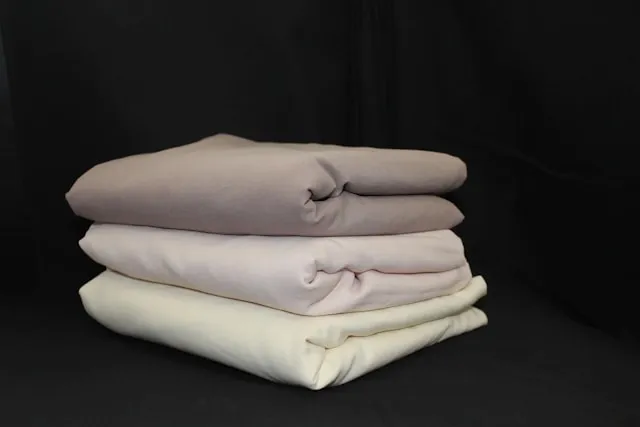
The best way to store blankets is the way that keeps them clean, dry, and easy to use. For regular use, breathable storage is usually best. A basket, open shelf, or fabric bin lets the blanket air out between uses.
For seasonal blankets, hidden storage works better. Use labeled fabric bags, under-bed bins, or storage benches. Avoid cramming too many blankets into one tight container - overpacking creates deep creases and makes the bottom blanket hard to remove.
If a blanket is special, like a custom fleece blanket or keepsake throw, fold it neatly and store it where it will not be crushed. Here is some information on storing blankets by material.
| Blanket type | Best storage method | Avoid |
|---|---|---|
| Fleece | Fold or roll in breathable bins or baskets | Damp storage and long-term crushing |
| Sherpa | Loose fold in breathable bag or shelf | Vacuum compression for long periods |
| Wool | Breathable cotton bag, cedar/lavender sachet if suitable | Airtight plastic in humid rooms |
| Down comforter | Large breathable cotton bag | Long-term vacuum compression |
| Quilts | Fold flat, refold periodically | Hanging heavy quilts long-term |
Where To Store Blankets
Store blankets where they make sense in daily life. Avoid damp basements, garages, or humid closets unless the storage container protects the fabric well. Bedroom, living room, and guest blankets can all be stored in different locations:
- Bedroom blankets can go on closet shelves, in an ottoman, or under the bed.
- Living room throws work well in baskets, trunks, or storage benches.
- Guest blankets belong in the guest room if you have one, or in a labeled linen closet space if you do not.
- Heavy winter blankets can move to higher shelves during warm months.
Explore options like box-in-box storage with good accessibility. We want blankets nearby when needed, but not scattered across every chair. Convenience and neatness need to meet halfway.
Where Should You Store Extra Blankets?
Extra blankets should be stored away from daily clutter but still easy to find. A linen closet is ideal if it has enough shelf space. Guest rooms are useful too, especially if visitors use those blankets.
Under-bed bins work well for spare bedding in small homes. Labeled fabric bags help when storing blankets by season, size, or purpose. Different types of blankets have different storage needs, and this should always be a factor in your planning.
Keep winter blankets together, guest blankets together, and picnic or outdoor blankets separate. If you have blankets nobody likes, uses, or can remember buying, it may be time to donate them. Storage improves fast when we stop storing things out of guilt.
How To Store Blankets In A Closet
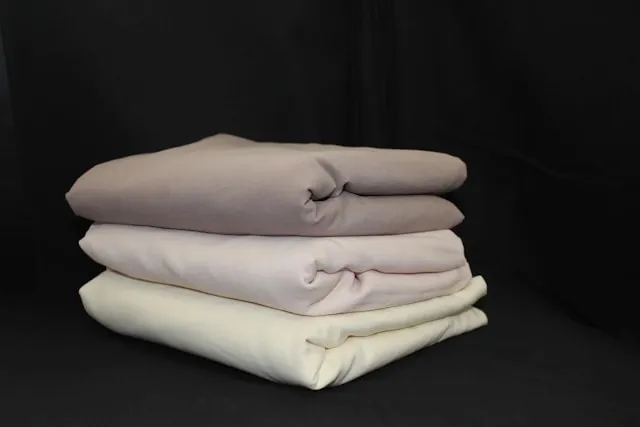
To store blankets in a closet, give them their own zone. Do not mix every blanket with loose sheets, pillows, and towels. Fold large blankets to match the shelf depth, then stack them from heaviest at the bottom to lightest at the top.
Here are a few useful tips:
- Shelf dividers stop stacks from slumping sideways.
- Fabric bins are useful for small throws, baby blankets, or seasonal pieces.
- Clear storage bags work if you want to see what is inside, but make sure the blankets are dry first.
Keep frequently used blankets at chest or waist height. High shelves are better for bulky blankets you only use in winter.
How Should You Store Blankets And Sheets Together?
Blankets and sheets can share a closet, but they should not become one confused pile. Store sheet sets inside one matching pillowcase so the pieces stay together:
- Keep fitted sheets, flat sheets, and pillowcases in one section.
- Put quilts, throws, and heavier blankets in another.
If space is tight, use labeled organizers or separate baskets for each bed size. Queen bedding should not be hiding inside a stack of twin sheets - we have all played that annoying guessing game.
Keep the most-used bedding at the front. Seasonal blankets can sit higher or lower, where they do not interrupt the weekly laundry routine. Be mindful of similar items like towels or custom flannel fleece robes - it doesn’t help to overcomplicate your storage.
Can You Store Blankets In Plastic Totes?
You can store blankets in plastic totes, and they are useful for under-bed storage, moving, or keeping dust away. The important rule is that blankets must be clean and fully dry first. Storing textiles in containers is great for protecting blankets from handling or shock.
Be mindful that plastic can trap moisture, especially in humid spaces, and trapped moisture can lead to musty smells. Clear totes make it easy to see what is inside. If the tote is not clear, label it by size or season.
Avoid stuffing delicate blankets tightly for months. Use plastic totes for practical storage, not as an excuse to bury ten blankets forever. Open them occasionally if they sit unused for a long time.
Looking for a personalized fleece blanket?
Work with us to create comfortable, affordable custom fleece blankets that are useful and easy to store.
How To Store Blankets And Comforters Without Losing Space
Comforters and thick blankets need more space because they hold air. That loft is what makes them warm, so crushing them flat for too long is not always ideal. Use large breathable storage bags, oversized bins, under-bed containers, or storage benches.
If you use compression bags, save them for short-term space saving or synthetic fills that bounce back well. Down and fluffy comforters prefer looser storage.
Make sure every comforter is clean and dry before packing:
- Fold it in thirds.
- Roll or fold again depending on the container.
The aim is simple: protect the fill without giving it the whole closet.
Work with us to create custom plush fleece blankets in any design and enjoy maximum quality at competitive prices. We can even accommodate bulk orders with generous wholesale discounts.
How Do You Store Large Blankets Neatly?
Large blankets are easier to store when folded to fit the space, not folded randomly. Lay the blanket flat, fold it in half lengthwise, then fold again until the width matches your shelf or bin.
For very wide blankets, rolling can stop the edges from spilling out. Heavy blankets do well flat on wide closet shelves or inside oversized fabric bins. Avoid tall, wobbly stacks - they look fine for one day, then collapse when someone pulls from the middle.
If deep creases bother you, refold large blankets every few months. Minimizing fabric creasing from folding and storage can help avoid extra work later. We like wide baskets for large throws because they hide bulk without making access difficult.
How Do You Store Bulky Blankets Without Flattening Them?
Bulky blankets need room to breathe if you want them to stay soft. Use large blanket storage containers, cube storage bags, or deep baskets instead of forcing them into tight shelves.
- Compression bags help when space is truly limited, but they are not always best for long-term storage.
- Heavy compression can flatten fluffy fibers and make a blanket feel tired when it comes out.
- For winter blankets, loosely fold or roll them and store them in breathable bags.
- After long storage, shake them out and let them air before use.
A little patience brings back softness, but stuffing them into a corner does not. And there is some variation in different types, like throw vs blanket properties.
Choose an upgrade from basic fleece blankets
Use our service to create custom plush fleece blankets for a little extra warmth and comfort and the same easy storage.
Learn moreHow To Store Blankets In A Small Space
Small spaces need storage that works harder. Use under-bed bins, storage ottomans, slim baskets, wall hooks, behind-door racks, or a bench with a hidden compartment. Keep only the blankets you use often within easy reach.
Seasonal blankets can go higher, lower, or under furniture. Rolling blankets can help in drawers and baskets because you can see each one at a glance. If you use polypropylene storage boxes, ensure they are sized to objects and storage space.
In a compact bedroom, visible storage needs to look calm. Choose one basket or one bench, not five different containers fighting for attention. We have found that small rooms feel bigger when blanket storage looks intentional, not like laundry waiting for instructions.
How Do You Store Blankets To Save Space?
To store blankets and save space, match the method to the blanket. Fold thin blankets for shelves. Roll throws for baskets and drawers. Use under-bed bins for guest bedding. Try vertical organizers in shared closets.
Vacuum bags or compression storage bags can free up space fast, especially for seasonal blankets, but use them carefully with delicate or fluffy pieces. When your closet is already full, practical solutions include:
- Space-saving blanket organizers
- Under-bed bins
- Compression bags
Do not keep every blanket in prime space. The ones used weekly deserve easy access; the ones used twice a year can work a little harder. Similar rules apply when storing custom rectangle table covers and other textiles.
Is It Better To Roll Or Fold Blankets?
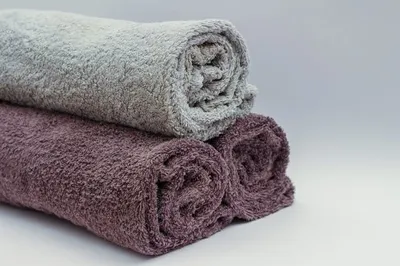
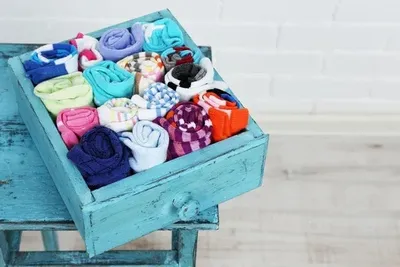
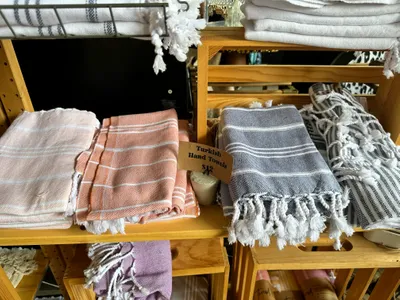
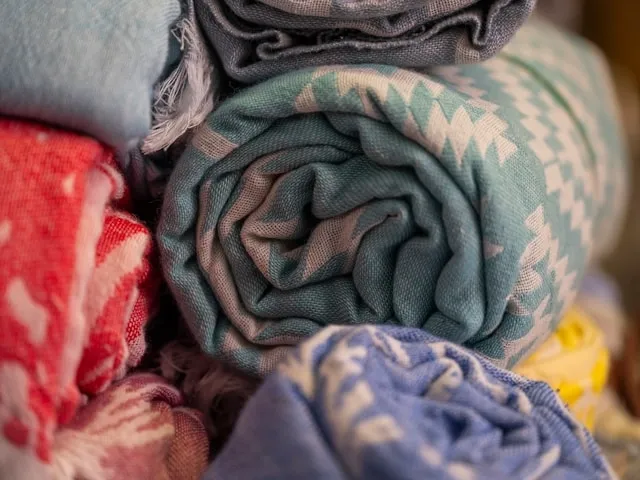
Rolling and folding both work. Rolling is better for baskets, drawers, deep bins, and visible storage because each blanket is easy to see and pull out. It also works well for throws and lighter blankets.
Folding is better for shelves, closets, trunks, and stacked storage because it creates flat, stable piles. Thick blankets may fold better than roll, especially if they are stiff or heavy. Museum storage techniques can teach us a lot about optimal textile storage.
Soft fleece throws often roll nicely. Quilts usually look neater folded. The best way to store blankets is not one rule - it depends on the blanket, the space, and whether you want the storage hidden or decorative.
How To Store Blankets In A Bedroom
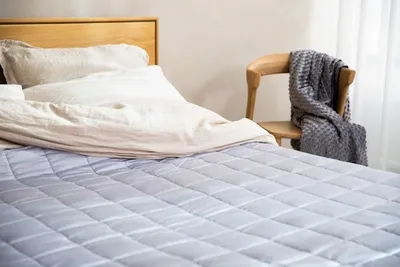
Bedroom blanket storage should make the room feel restful, not crowded. Keep the blanket you use at night close to the bed. A storage bench at the foot of the bed is one of the easiest options.
Other solutions that work well include:
- Ottomans
- Under-bed containers
- Baskets
- Closet shelves also work
Decorative throws can sit folded across the bed or rolled in a woven basket. Extra blankets should be hidden if the room already has a lot going on. Heated blankets are generally safe to sleep at night, but keep them unplugged during the day.
Custom blankets with names, photos, or special designs can be displayed neatly when they suit the room. If they are keepsakes, store them away from damp, dust, and direct sunlight.

Looking for maximum warmth from a personalized blanket?
Our custom sherpa blankets are dense and soft - perfect for warmth on cold nights. They are highly customizable and easy to store.
How To Store Blankets Without A Closet
No closet? Use furniture that earns its place. Trunks, ottomans, baskets, wall hooks, and rolling carts can all work:
- A trunk can hold winter blankets and act as a table.
- A storage ottoman can hide throws in a living room or bedroom.
- Large baskets keep blankets visible but tidy.
- Wall hooks or blanket ladders work for lighter throws, though heavy blankets may stretch if hung too long.
- Rolling carts can help in dorm rooms or studio apartments because they move easily.
Choose attractive storage if blankets have to stay out in the open. Color is important here - a calm basket or bench can make visible storage feel like decor, not a workaround. You could even buy something that matches your custom sherpa blanket or other piece for a cohesive look.
Frequently Asked Questions About How To Store Blankets
What Is The Best Way To Store Blankets?
Wash and dry blankets first, then store them in a clean, dry place. Use baskets for daily throws and labeled bags, bins, or closet shelves for extras.
Should Blankets Be Rolled Or Folded For Storage?
Roll blankets for baskets, drawers, and visible storage. Fold blankets for shelves, closets, trunks, and stable stacks. The best choice depends on space and thickness.