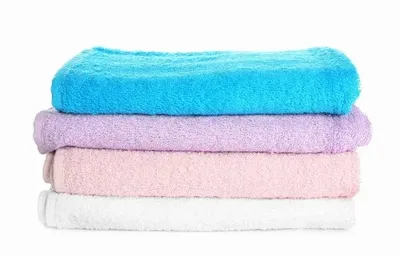
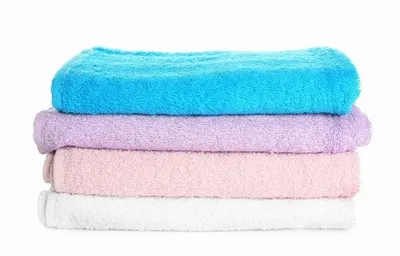
Quilt Vs Blanket: Warmth, Weight, And Everyday Comfort
The conversation around quilt vs blanket seems simple until we actually try to choose one. We have all stood in a store or scrolled online wondering what is practical and what just looks good in the photo.
In this guide, we explore the difference between quilt and blanket. It’s about more than warmth; it is about structure, texture, and how we use our beds daily. Some prefer a clean, tailored look, while others want something different, so read on to explore this in real terms.

Key Takeaways
- Quilts are stitched, layered bedcovers with light insulation, while blankets are single-layer textiles designed for flexible warmth.
- The difference between blanket and quilt shows up in structure, breathability, and how each fits into daily routines.
- Choosing between quilt vs blanket depends on climate, sleep temperature, and whether you want tailored styling or grab-and-go comfort.
- We supply high-quality custom blankets in various styles that offer different degrees of warmth, all with a personal style and a competitive price tag.
Quilt Vs Blanket Key Differences You Should Know
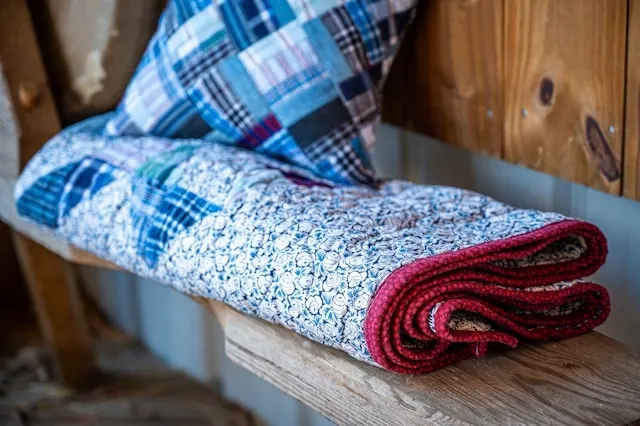
When we compare quilt vs blanket, we are really comparing construction and purpose. A quilt is made from stitched layers - usually a top fabric, inner batting, and a backing. A blanket is usually one continuous layer of woven or knit fabric.
The difference between quilt and blanket becomes clearer when you lift them:
- Quilts feel structured and slightly weighty but breathable.
- Blankets range from airy cotton to plush fleece and are soft and lightweight.
Most people care first about warmth, feel against the skin, and how the bed will look. We will cover aspects like build, comfort, seasonal use, styling, and a few misconceptions so you can see what actually matters in daily life.
What Is The Difference Between A Quilt And A Blanket?
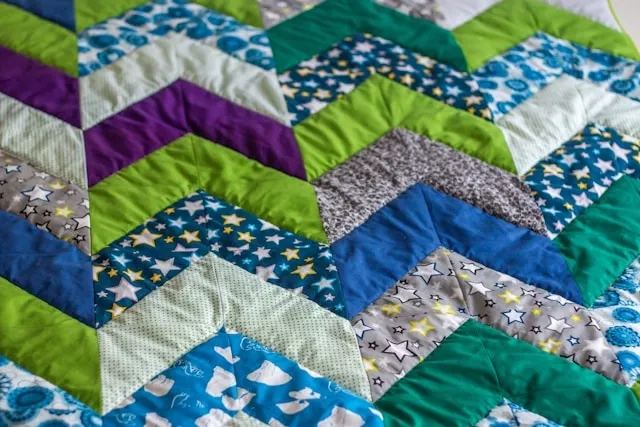
At its core, the difference between a quilt and a blanket comes down to layers. A quilt has three layers stitched together, which gives it shape and light insulation. A blanket is a single textile, relying on fiber and weave for warmth.
Here is another contrast between the two:
- Quilts often use cotton or blended fabrics with thin batting inside, which keeps them breathable.
- Blankets can be cotton, wool, fleece, or knit, each performing differently.
If you want a quick way to think about blanket vs quilt, picture this: quilts are tailored and structured, while blankets - like our custom fleece blanket - are flexible and adaptable. Lifestyle and climate usually decide which one earns a permanent place on your bed.
|
Criteria |
Quilt |
Blanket |
|
Construction |
Three layers: decorative top + insulating batting + backing, stitched together |
Single layer of woven, knitted, or fleece fabric |
|
Primary Function |
Structured bed covering with moderate insulation |
Flexible warmth layer for bed, sofa, travel, or layering |
|
Warmth Control |
Insulation depends on batting type (cotton, wool, polyester) and stitch density |
Depends on fiber (wool = warmer; cotton = lighter; fleece = heat-retaining) and fabric weight |
|
breathability |
Typically breathable if cotton-based; stitching allows airflow |
Highly variable; cotton = breathable, wool = moisture-wicking, fleece = less breathable |
|
Weight & Feel |
Light to medium weight; structured drape |
Light to heavy; soft and flexible; conforms closely to body |
|
Layering Flexibility |
Often used as a top decorative layer; can be layered but less adjustable mid-night |
Easy to add/remove quickly; ideal for temperature adjustments |
|
Aesthetic Impact |
Strong visual presence; adds pattern, colour, texture to bedroom |
Minimal styling impact unless used as a throw |
|
Care & Maintenance |
May require gentle washing depending on stitching and batting |
Usually machine washable (fiber dependent); simpler care overall |
|
Durability Factors |
Stitching integrity + batting compression over time |
Fiber durability (e.g., wool lasts long; fleece may pill) |
What Is A Quilt?
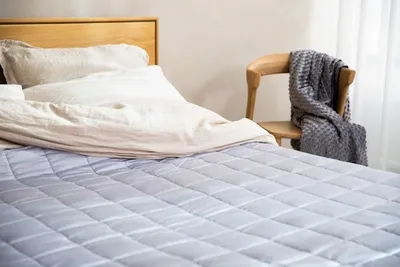
A quilt is a stitched bedcover made from a decorative top layer, inner batting, and a backing fabric. That stitching is not just for looks - it holds the layers in place and gives the quilt its familiar patterned surface.
You will see a range of styles, including:
- Traditional patchwork
- Simple whole-cloth designs with subtle stitched patterns
In daily use, quilts often sit as the top layer on a neatly made bed or act as a lightweight sleep layer in warmer seasons. We appreciate quilts for their tidy drape and breathable comfort. A study from 1943 explored how fiber type, yarn structure, and fabric construction affect warmth, and those rules still apply today.
Quilts feel intentional without being heavy, which explains why many people reach for them year round.
Looking for a blanket that is soft and lightweight?
Work with us to create a custom fleece blanket and enjoy convenience and warmth at an affordable price point.
What Is A Blanket?
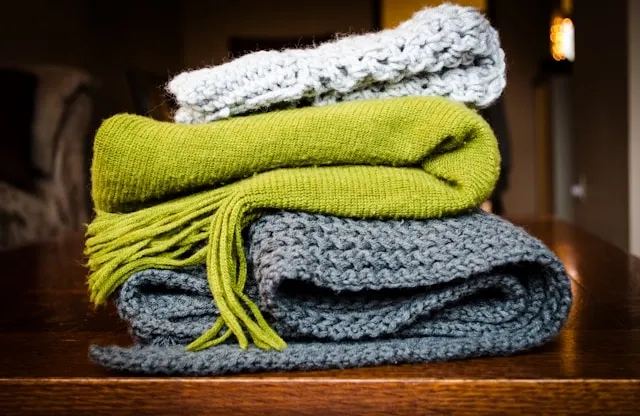
A blanket is simpler by design. It is a single layer of fabric meant to provide warmth wherever it is needed. They come in various materials including cotton, wool, and fleece.
- Cotton blankets feel breathable and light.
- Wool blankets trap heat efficiently.
- Fleece adds softness and quick insulation.
- Knit styles bring texture and stretch.
When people ask what is the difference between a quilt and a blanket, this simplicity is the main point. Blankets are easy to fold, wash, store, and move from room to room. This also makes them popular types of promotional products for business.
We often see blankets used on sofas, in guest rooms, or layered at the foot of a bed. They adapt easily to changing temperatures and routines.
What Is A Bed Blanket?
When someone says “bed blanket”, they usually mean a blanket specifically sized to fit a mattress rather than a throw for the sofa. It typically sits over the top sheet and under a quilt, comforter, or duvet.
In some setups, it replaces a heavier top layer during warm months. The difference between blanket and quilt shows up again here. A bed blanket adds adjustable warmth without altering the bed’s structure. For example:
- In winter we might place a cotton or wool blanket between sheets and a quilt for added insulation.
- In summer, that same blanket may become the only top layer on the bed.
Academic studies have analyzed the insulation performance of single vs multiple fabric layers, which applies to these approaches to using bed blankets.
Choose a little extra warmth from your blanket
Our custom plush fleece blankets offer the warmth and comfort of a quilt in a soft, lightweight package that you can personalize.
Learn moreIs A Quilt Better Than A Blanket?
Whether a quilt is better than a blanket depends on how you sleep and where you live. Quilts offer breathable warmth and a clean, structured look that keeps the bed feeling put together. Blankets excel in flexibility.
The benefits of blankets are that you can layer them, remove them, or use them beyond the bedroom. When weighing quilt vs blanket, consider how warm your room stays and whether you prefer a flatter or more tailored feel.
A simple decision tip helps: if you want one layer that looks neat and feels light, lean toward a quilt. If you want adaptable warmth and easy care, a blanket may suit you better. Also consider fabric - there are specific benefits of using eco-friendly products in some contexts.
Are Blankets Soft And Simple?
Soft and simple sounds basic, but it is significant. Blankets often feel straightforward because they are easy to use and easy to maintain. You wash them, dry them, and put them back in place - no extra steps.
The difference between blanket and quilt becomes noticeable here:
- Quilts require more attention to stitching and shape.
- Blankets deliver instant warmth without changing the entire bedding arrangement.
We usually recommend choosing based on feel first. Some people prefer crisp cotton, others love plush fleece. You can work with us to create your own custom plush fleece blanket with a personalized design that offers warmth and softness at a competitive price, with bulk discounts available.
Why Do Quilts Feel Classic And Comfortable?
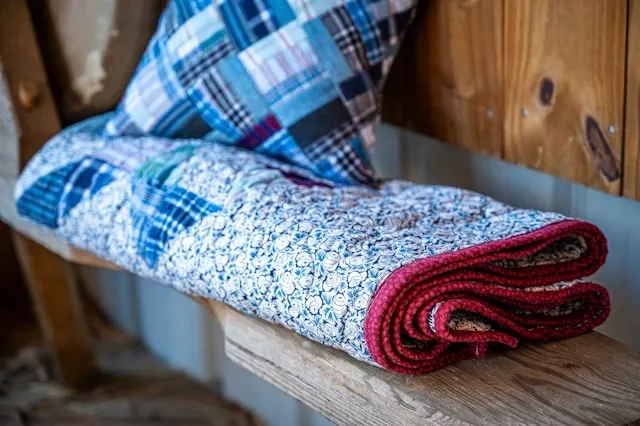
Quilts carry a sense of tradition because of their stitching and layered build. That structure gives them a drape that feels orderly and intentional. The stitched surface also distributes warmth evenly, which many people find comfortable without feeling heavy.
In the quilt vs blanket discussion, quilts often appeal to those who want subtle texture rather than plush bulk. We have noticed that quilts tend to suit bedrooms aiming for a calm, balanced appearance. They provide breathable insulation and layer neatly with sheets or additional blankets.
That balance of light warmth and visual structure is why quilts continue to feel relevant in modern homes. Researchers from 1980 evaluated blankets with layered designs and insulating cores, highlighting how quilts compare with simpler blanket constructions.
Which Layer Should You Choose?
Choosing between quilt vs blanket becomes easier when we narrow it down to climate and comfort. If you live in a mild or humid area, a quilt may provide enough coverage on its own. In colder regions, a blanket layered beneath or above a quilt offers extra control.
Local climate can also help with how to choose the best promotional products for business. On a personal level, think about how warm you run at night and how often you adjust layers. Here are a couple of extra considerations:
- Families with kids or pets may prefer blankets for durability and easy washing.
- Guest rooms often benefit from a quilt for a tidy look with an added blanket folded nearby.
Matching the layer to your real routine prevents disappointment later.
Are Quilts Considered Blankets?
Technically, quilts fall under the broader category of blankets because you lay them on top of yourself to provide warmth. However, not all blankets are quilts. The difference between quilt and blanket lies in construction and appearance.
Retailers sometimes blur these terms, which explains why online searches can feel confusing. You might see blanket vs quilt used interchangeably in product descriptions. When shopping, focus less on the label and more on details such as:
- Stitching
- Batting
- Fabric type
Reading specifications carefully helps you avoid buying something that looks similar but performs differently. A paper from 1983 investigated engineered trouble-layer textile insulation systems, providing insights into the insulation and performance of quilts.
Understanding how quilts and blankets overlap makes comparisons clearer and helps you filter options more effectively.
Interested in a luxurious solution for warmth?
Use our service to create custom sherpa blankets with personalized designs that offer maximum warmth and softness wherever you need it.
Which Is Warmer: A Quilt Vs A Comforter?
When comparing quilt vs blanket to comforters, warmth often becomes the deciding factor. Comforters typically contain thicker fill designed to trap more air, which increases insulation. Quilts use thinner batting and rely on stitching for structure, so they usually provide lighter warmth.
Blankets vary widely depending on fiber and weave. In general, warmth increases with loft and trapped air:
- Comforters sit at the top
- Quilts in the middle
- Lightweight blankets below
It’s important to note, however, that designs like heavy wool blankets can rival thicker layers. The same rules apply to custom square scarves and other things designed for warming.
Knowing this simple warmth hierarchy helps set realistic expectations when building a bedding setup for colder months.
Blankets are about more than just wrapping up warm
We supply custom picnic blankets that you can personalize with any design and use to sit comfortably on the ground outdoors.
Get startedAre Quilts Warm Enough For Winter?
A quilt can be warm enough for winter in moderate climates or well heated homes. In colder conditions, layering becomes important. The difference between a quilt and a blanket shows up again here, since blankets add flexible insulation beneath or above the quilt.
Factors that influence performance include:
- Room temperature
- Personal sleep preference
- Quilt thickness
We often suggest starting with a quilt and adding a breathable blanket underneath if nights feel chilly. You could even wear a custom fleece robe underneath for extra warmth.
A layered approach traps warmth without creating excessive bulk. Adjusting by season allows you to keep the quilt as a consistent top layer while adapting insulation as temperatures drop.
Do People Sleep With Just A Quilt?
Many people sleep with only a quilt, especially in warm climates or during spring and summer. Quilts provide enough coverage for those who prefer lighter weight bedding. Indoor heating also makes standalone quilts practical in cooler months.
When people ask what’s the difference between a quilt and a blanket in real use, this is part of it. Quilts can serve as the primary top layer without additional bulk. In a 2025 review, textile layering systems were explored to show why multi-layer constructions can outperform single-layer blankets.
A simple test works well: try sleeping with just a quilt for a week. If you wake up cold, add one thin blanket underneath. Small adjustments often solve comfort concerns quickly.
When Should You Use A Quilt?
Quilts work best during warm seasons, in mild climates, or in rooms where heavy insulation is unnecessary. They are also practical in guest rooms because they look tidy and feel welcoming without overwhelming visitors.
The difference between blanket and quilt becomes helpful when matching weight to preference.
- If you tend to sleep warm, choose a lightweight quilt.
- In air conditioned rooms, a slightly thicker option may feel better.
Our custom sherpa blankets are a luxurious option that offers the lightweight portability of blankets and the warmth and softness of quilts.
Shared beds benefit from quilts too, since they layer smoothly with additional blankets on one side if needed. Choosing thoughtfully allows the quilt to serve both functional and aesthetic purposes.
Frequently Asked Questions About Quilt Vs Blanket
Which Is Better: A Quilt Or A Blanket?
It depends on climate and sleep style. Quilts provide breathable structure, while blankets offer flexible warmth and easier layering for changing conditions.
Can A Quilt Be Used As A Blanket?
Yes. A quilt is technically a type of blanket with stitched layers, though it offers lighter insulation than many thicker standalone blankets.